Sasha Wickramaratne on Loss, Love, and Speaking the Unspeakable
Sasha Wickramaratne is an award-winning writer, mother, and storyteller who draws deeply from real-life experiences and the emotional realities of those around her. Her perspective is shaped not only by her own journey but also by the moments she has witnessed in her community, especially the way children and families navigate grief, loss, and life's hardest questions.
 Inspired by a period that deeply shook her and many others, Sasha began reflecting on the fragility of life and the challenge of helping children understand loss. After witnessing families grieve the sudden deaths of several young children and seeing her own children struggle to process those tragedies, she found herself searching for words that could bring comfort, hope, and understanding.
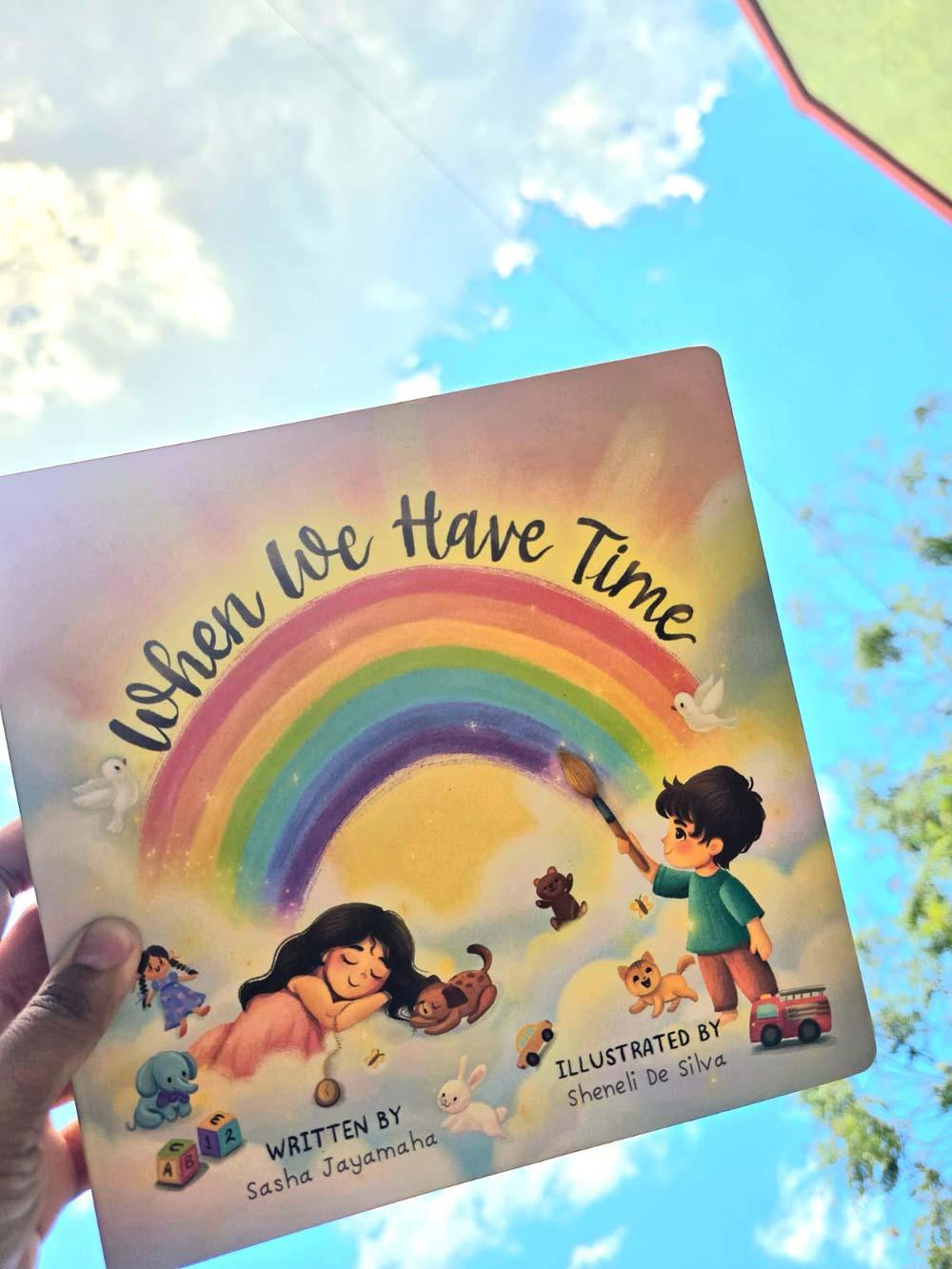
That journey eventually led to a remarkable collaboration with illustrator Sheneli, a mother navigating the heartbreaking loss of her own daughter. Moved by Sheneli's story of faith, strength, and resilience, Sasha recognised a shared desire to transform pain into purpose. Together, they brought ‘When We Have Time,’ a book that gently explores themes of love, loss, and the precious gift of time without becoming overwhelmed by grief itself.
Sasha uses her voice to open conversations that are often difficult but deeply necessary, approaching them with compassion, faith, and a strong sense of purpose. When We Have Time is not simply a story born from sorrow, but one shaped by empathy, hope, and the belief that even in life's darkest moments, we can find meaning, connection, and reasons to cherish the time we have with one another.
You mention witnessing how children struggled to process death. How did those observations shape the tone and purpose of your book?
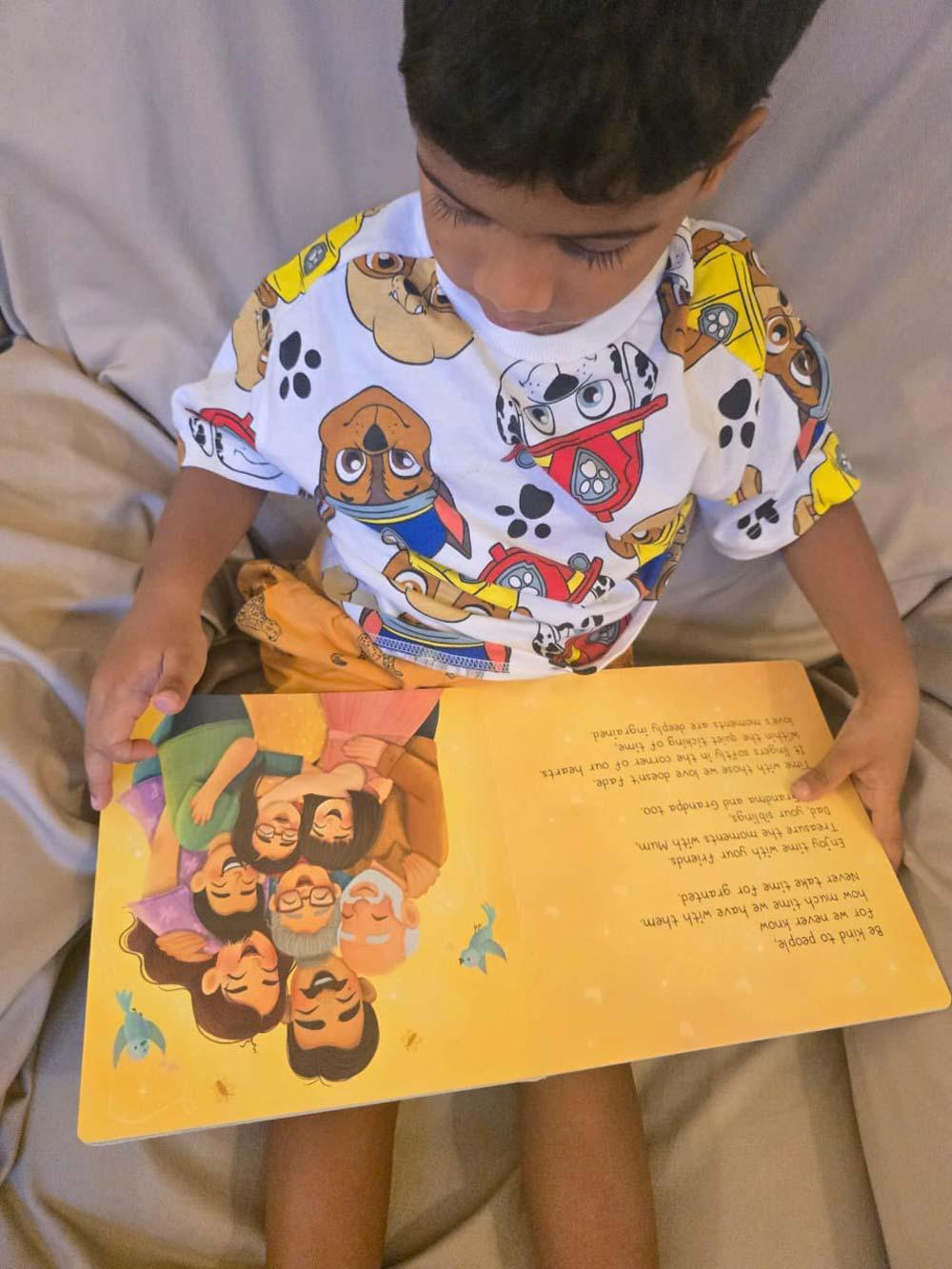
I think as adults we make the mistake of having conversations about things after the fact. Death is a good example of this. People passing is part of the life experience, and our time with anybody and everybody is limited. This book was created to help children understand the value of life and make the most of it. The main purpose is to make your time count; don't waste time holding onto anger but embrace time and the people you love. Don’t miss opportunities to say, "I love you", and enjoy time with the people you love. When watching my children process the loss of a peer, I realised I never really spoke to them about Death or losing a friend. They all remember their great-grandpa's passing, but they were a lot smaller. When they lost a friend, I realised they didn't know how to truly navigate their emotions about it, and also, they were scared. The book came out of observing them process a lot of their emotion and not just focusing on death but also focusing on life and the time we have.
 Can you tell us more about the moment you realised this story needed to be written, not just for you, but for others?
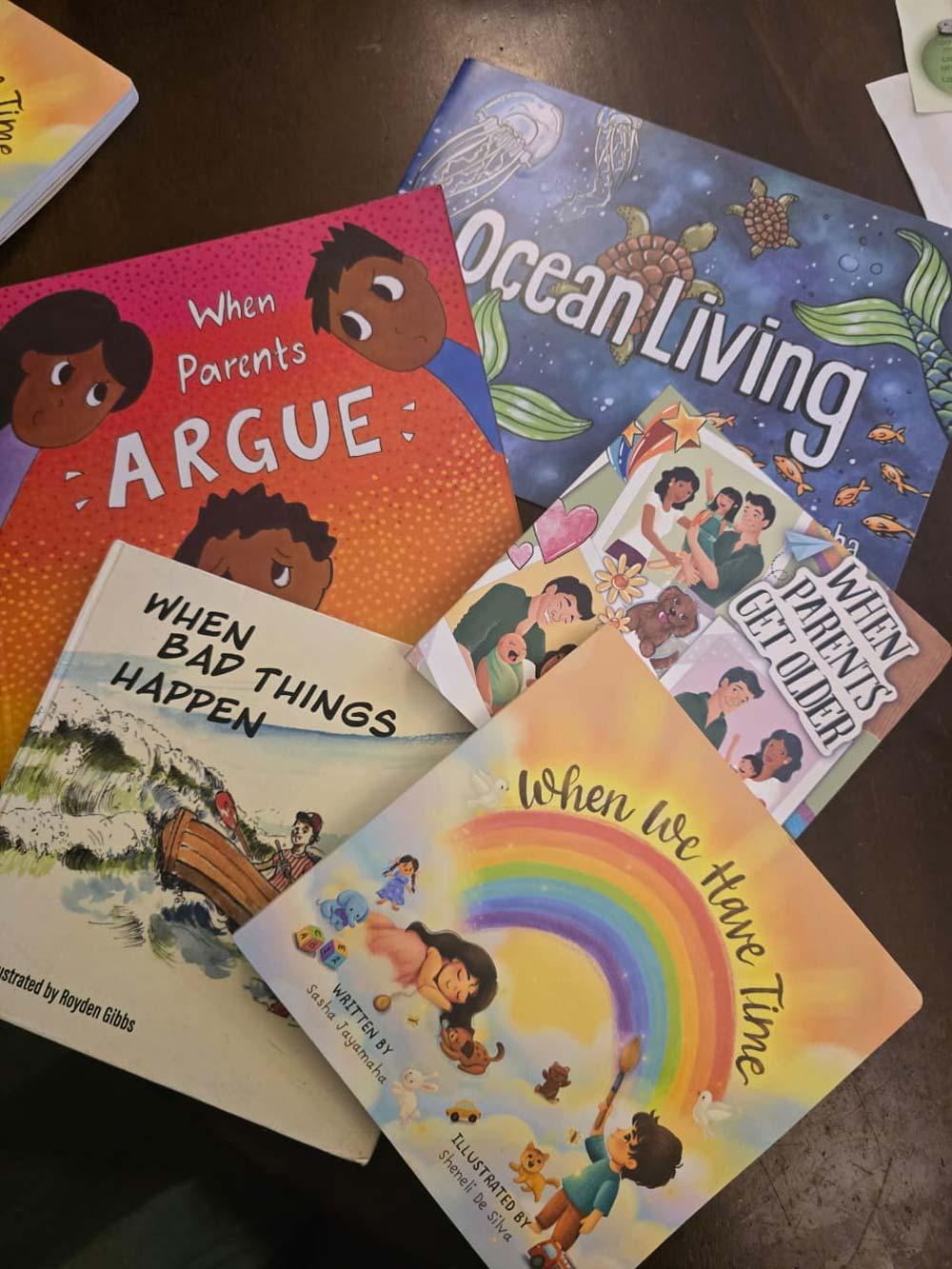
As a grief counsellor, I am constantly walking alongside people as they process loss and navigate some of the most difficult moments of their lives. This is not the first time we have written about loss. In fact, Kiribath Publishers released a book titled, ‘When Bad Things Happen,’ in Sinhala, Tamil, and English. It was written specifically for children who lost loved ones during the Easter attacks in 2019, providing caregivers with a tool to help children understand and process their grief and heartache.
Through my work, I have met many individuals who have lost loved ones. Some have been able to look back with gratitude, knowing they made the most of the time they had together. However, I have also encountered many who carry a different kind of pain, the regret of unresolved conflict.
I have sat with people who spent years estranged from family members, friends, parents, or others they cared about. Relationships had been fractured by arguments, misunderstandings, and disagreements that, in many cases, could have been addressed, discussed, and resolved. Sometimes people can no longer even remember how the conflict began, yet the distance remains. Then, when a loved one passes away, they are left not only with grief but also with the weight of things left unsaid and relationships left unrepaired. That reality was something I wanted to include in this book.
The book touches on this gently and age-appropriately for children, but my hope is that the message stays with them. Perhaps one day, when they find themselves hurt, angry, or in conflict with someone they love, they will remember that relationships are precious and worth protecting, and time spent holding anger is time wasted.
You’re meeting with Sheneli seems deeply significant. How did her story influence the book's direction or emotional depth?
Sheneli actually contacted us about her own work and a few things she was working on. As a company, our policy is that we invest in people, not simply projects, so as we discussed her work, we asked about her own story. Sheneli kept referring to her daughter having angel wings, which I didn’t fully understand at the time, so I asked her and learned she had lost her baby girl 2 months prior. I had already written the story and was still contemplating the book and idea in my mind whether I should pursue a book of this nature and speaking with her, listening to her story, and hearing how she was navigating her loss while raising her second daughter had a profound impact on the book because it also became a tool she could use to explain loss to her little one. I cannot imagine how hard it would have been to illustrate this book for her, especially because her own grief was so fresh, but she brought so much life and light into each page with her illustrations. God really knows what he is doing when he brings people together, and I know he knew she was the perfect person to illustrate the book and be a part of this story.
The concept of “angel wings” is powerful and symbolic; how did you translate such sensitive ideas into something children can understand?
I think one of the reasons the book is not overwhelming is because it is written through the concept of time. Loss is present in the story, but it is woven in gently rather than being the central focus. We were very intentional about that. Rather than dwelling on grief, we wanted to create a story that children could engage with in different ways depending on their own experiences and needs.
There is also a section for parents and caregivers at the end of the book. This allows adults to approach the story differently if a child has experienced loss, helping guide conversations and draw attention to themes that may be particularly relevant to them.
In many ways, the reader has the freedom to decide what aspects of the story they want to focus on and what they want to move past more quickly. Parents and caregivers can also adapt their explanations according to the child's age, maturity, and circumstances. This makes the book accessible both to children who have experienced loss and to those who have not, while still providing space for meaningful conversations about grief, healing, relationships, and the value of time.
This book seems to balance grief with healing. How did you approach writing about loss without overwhelming young readers?
I think the book is able to balance grief with healing because it is written through the concept of time. We purposely did not focus heavily on loss or make it the dominant theme. Instead, it is woven softly into the story, allowing readers to engage with it at their own pace.
There is also a section in the book specifically for parents and caregivers. If a child has experienced loss, an adult can choose to read the story differently, drawing attention to those themes and helping the child process their feelings.
The reader really has the power to decide what they want to focus on and what they want to move past more quickly. Parents and caregivers can also explain different aspects of the story in ways that are age-appropriate for the child. Because of this, the book can be enjoyed on different levels, whether a child is simply enjoying the story or using it as a way to understand loss and healing.
What message do you hope children and even parents take away from this book after reading it?
I hope they value time. Life does not come with an expiry date. We do not know how much time we have, nor do we know how much time anyone else has. Learning to resolve conflict, forgive, recover quickly from disagreements, and value relationships is so important, because the person we are angry with today could be gone tomorrow.
Looking back, how has writing this book changed your own understanding of grief, healing, and the way we talk to children about loss?
It has definitely changed how I see my children. It reminded me to prioritise the time I have with them because they will never be this age, this size again. I can never get that time back, and I don't want to have regrets. I can't always be there for everything, but I do try my best. I have also learned to prioritise the relationships that are important to me and to invest in them intentionally.
The book is now available at Barefoot, Vaishi, True, Sarasavi, and The Design Collective.