A Tap Away From Broke
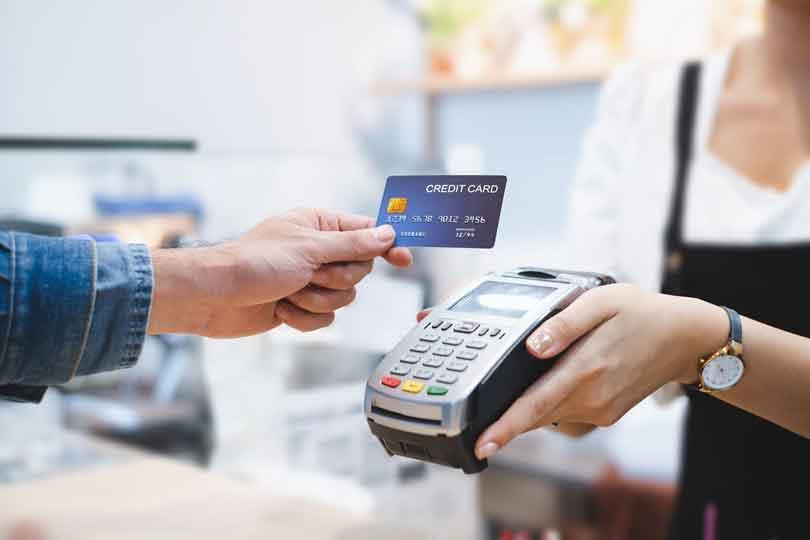
“Cash or Card?” The million dollar question at every checkout and there is a very specific kind of confidence that comes with saying “card” at checkout. It is quick, effortless, almost casual. No fumbling through a wallet, no counting notes twice just to be sure, no quiet calculation happening behind your eyes. Just a tap, a beep, and it is done. You walk away with your purchase and a strange sense that nothing really left you.
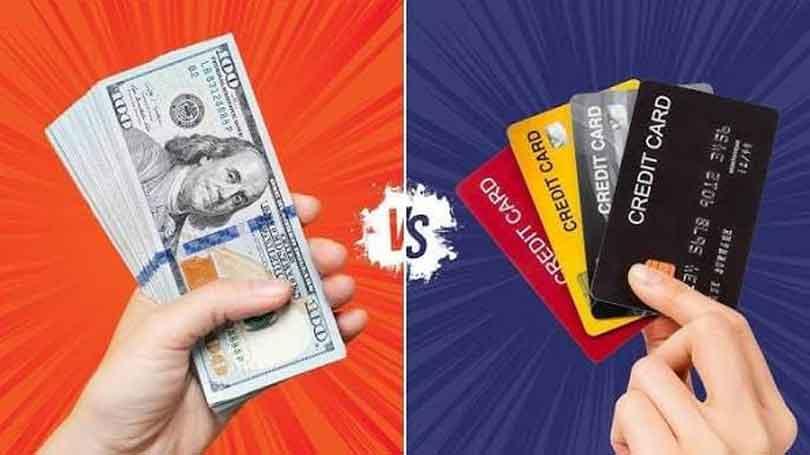
Now imagine the same moment with cash. You open your wallet. You see exactly what you have. You pull out notes, maybe hesitate, maybe even put one back and rethink. You hand it over, watch it disappear into someone else’s drawer, and wait for your change. You feel it. Every part of it feels real.
Somewhere between these two moments lies the difference in how we experience spending. It is not that we are spending more than before. Well maybe, but more than that, it is that we are feeling it less.
When money is physical, it carries weight. Not just in your hands, but in your mind. You can see it getting thinner. You can track its disappearance without needing an app or a notification. Cash forces awareness. It demands attention. It makes you pause, even if just for a second. That pause is important. It is where doubt lives. It is where decisions are questioned.
Now, Card payments remove that pause.
With a card, the transaction becomes almost invisible. The process is so smooth that your brain barely registers it as a loss. There is no visual cue, no physical exchange, no moment of hesitation. It feels less like spending and more like… continuing. Continuing your day, your mood, your impulse.
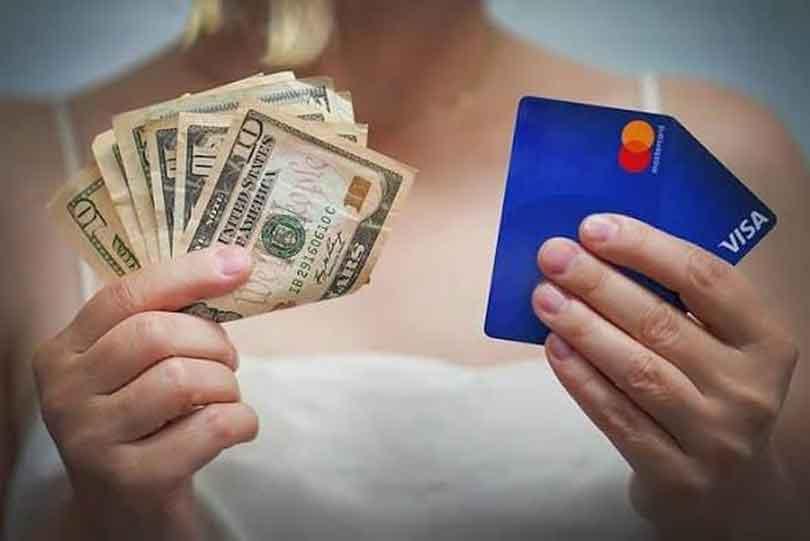
That is where the danger quietly sits. Think about the last time you bought something you did not really need. Maybe it was a coffee you could have skipped, a piece of clothing that looked better under store lighting, or an online order made late at night. Chances are, you paid with your card. Chances are, you did not think about it too much in that moment. The decision felt small. Almost insignificant.
Now imagine making that same purchase with cash. You would have to think. Do I have enough? Do I want to break a larger note? Is this worth what I am physically handing over? These questions may seem minor, but they create friction. And friction is what slows spending down.
We have designed a world that removes friction. Everything is built for speed and convenience. Tap to pay. Save your card details. One click checkout. Auto renew subscriptions that you forget exist until you randomly check your bank statement and feel a small wave of regret. The easier it becomes to spend, the easier it becomes to lose track.
If it makes you feel any better, let. Me tell you this, it may not be entirely our fault. The systems are built this way because convenience sells. No one wants to stand in line counting coins. No one wants a complicated payment process. We are drawn to ease, and companies know this. The less you think about spending, the more likely you are to do it.
But convenience has a cost. Not always visible, not always immediate, but it adds up. There is also something deeply psychological about the difference between losing cash and swiping a card. Studies have shown that people feel a stronger emotional reaction when parting with physical money. It is often described as the “pain of paying.” Cash makes that pain sharper. Card payments soften it. When the pain is reduced, spending increases.
It sounds simple, but it plays out in everyday life more than we realise. You might walk into a store planning to buy one thing and leave with three. You might justify a slightly more expensive option because it is just a tap away. You might not even remember what you spent by the end of the day because nothing about the process forced you to remember.
Money becomes numbers on a screen instead of something tangible.
There is also a strange emotional detachment that comes with digital spending. When you hand over cash, there is a clear exchange. Something leaves you and something comes to you. With a card, that exchange feels delayed. The money does not disappear in front of you. It exists somewhere in the background, in an account you will check later or avoid checking altogether. That delay seems to create a false sense of security.
You feel like you still have money because you cannot see it leaving. Until you open your banking app and reality quietly catches up with you. Sometimes it is a small surprise. Sometimes it is a shock. Either way, it always feels more intense in hindsight than it did in the moment of spending.
Then comes the mental math. The quick justifications. It is fine. I needed that. I will spend less tomorrow. It was just this once.
But it is rarely just once. Small, painless transactions add up faster than we expect. A few taps here and there, a subscription you forgot, a meal that felt like a reward. None of them feel significant on their own. Together, they tell a different story.
This is not to say that cards are the problem. They are practical, efficient, and in many cases necessary. Carrying large amounts of cash is not always safe or convenient. Digital payments have made life easier in ways we cannot ignore. The issue is not the card itself. It is our relationship with what it represents.
We have become comfortable spending without feeling. Comfortable with not knowing exactly where our money goes. Comfortable with the idea that as long as the transaction goes through, everything is fine.
But there is a quiet shift happening beneath that comfort. We are losing our awareness. And awareness is what keeps us grounded. It is what helps us make intentional choices instead of impulsive ones. It is what reminds us that money is not just a number, but a resource that reflects our priorities, our habits, and sometimes even our emotions.
Spending is not always logical. It is emotional. We spend when we are happy, when we are stressed, when we are bored, when we feel like we deserve something. Cards make it easier to act on those emotions without interruption.
Cash, in its own way, interrupts you. It asks you to be present. Maybe that is why going back to cash, even occasionally, feels different. You notice things more. You hesitate more. You question more. Not in a restrictive way, but in a conscious one. You start to see patterns in your spending. You start to understand your choices better.
It is not about choosing one over the other completely. It is about recognising what each one does to your mindset. Because the question “cash or card” is not just about how you pay. It is about how you experience paying. Which maybe the real shift that we need to pay attention to. Not just how much we spend, but how little we feel it when we do.