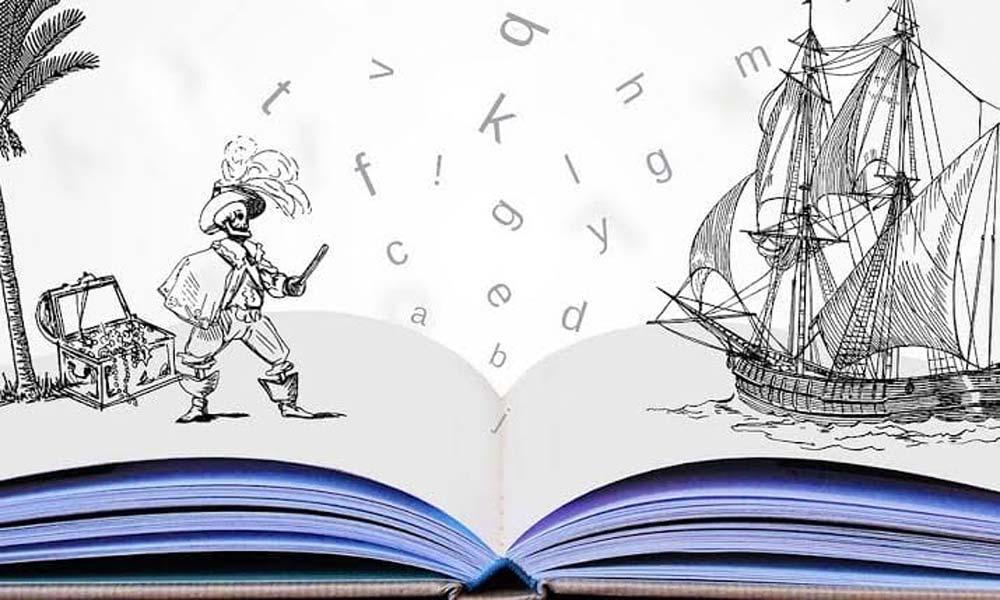
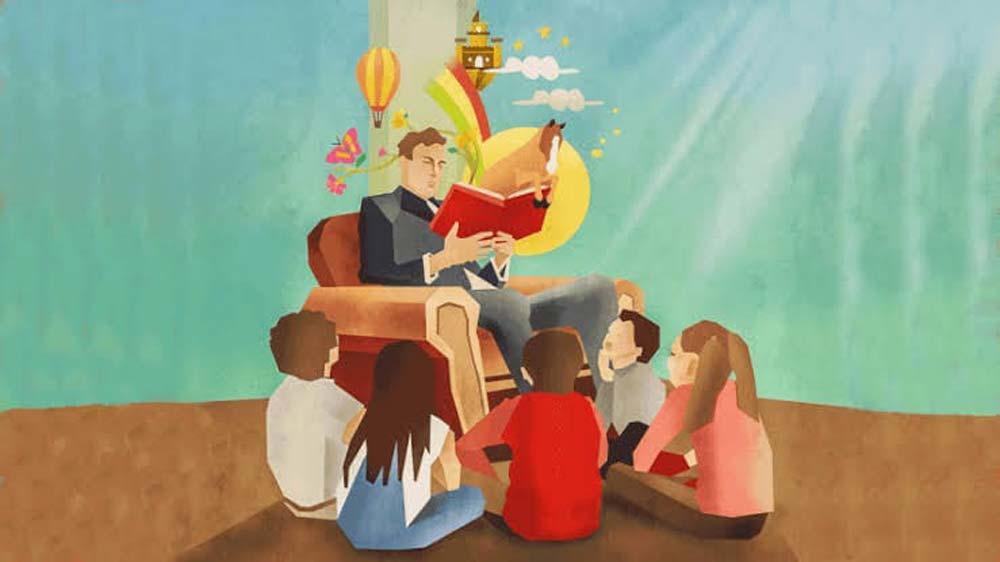
Once Upon a Time...
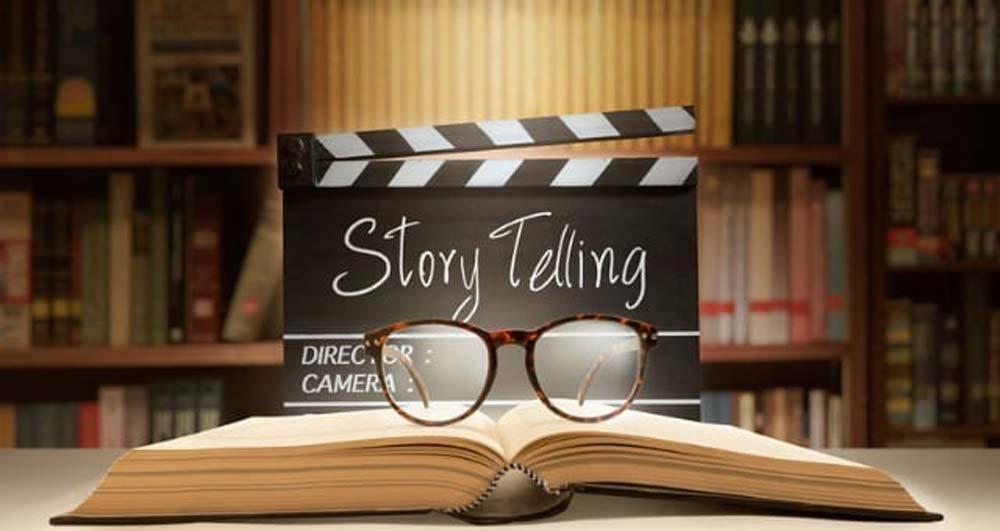
Once upon a time, there was a world where people actually listened. They listened to stories around fires, stories passed down from one generation to another, stories about heroes, villains, impossible journeys and lessons disguised as entertainment. Fast forward to today and we have PowerPoint presentations, 40-slide lectures, corporate reports and people saying, “As you can see from this graph…” while half the room quietly questions every decision that led them there. Somehow, despite all our technological progress, one of the oldest tools of communication still seems to be one of the most effective: storytelling.
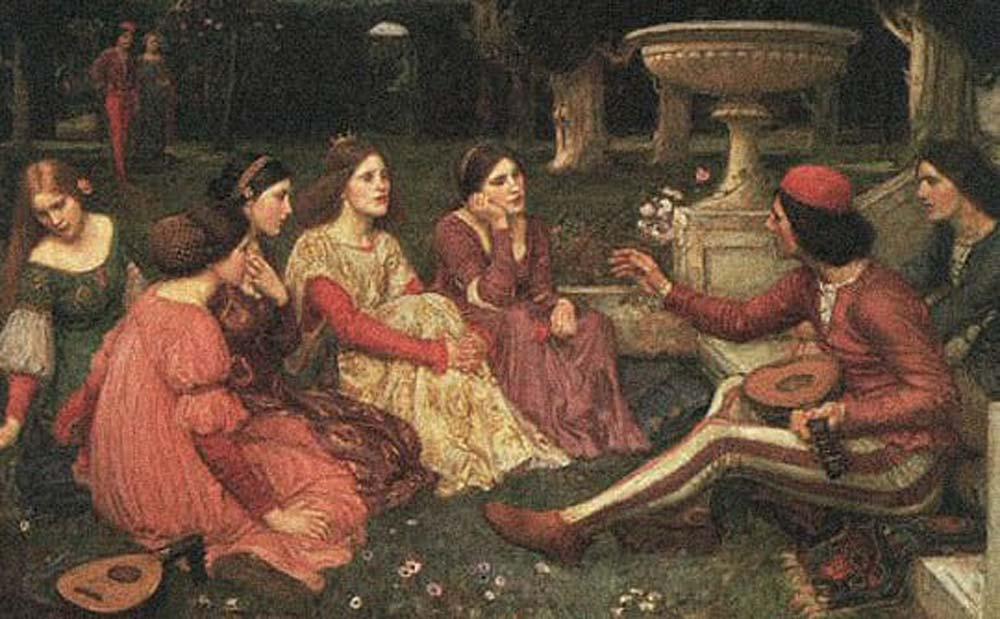 Storytelling is often associated with fairytales, bedtime stories and childhood memories. We think of princesses waiting for their happily ever after, villains getting what they deserve and magical forests where absolutely no one seems to have heard of basic road safety. But storytelling, the waay I see it is far more than a way of entertaining the younger crowds. It is one of the simplest ways humans make sense of information. We may have smartphones, artificial intelligence and enough data to make our heads hurt, but our brains still understand the world through stories.
The problem with facts is that facts do not always know how to introduce themselves. A statistic can tell you that climate change is affecting global temperatures, but it does not necessarily make you care. A report can give you pages of information about poverty, but after the seventh paragraph filled with percentages and economic terminology, your eyes may begin to develop their own plans for escape. A story, however, can take the same information and give it a face, a place and a reason to matter.
Imagine being told that thousands of people in a particular community are struggling with access to clean water. It is an important fact, but to majority it is still just a fact. Now imagine hearing about a young girl who wakes up before sunrise every morning and walks several kilometres to collect water for her family before going to school. Suddenly, the statistic has a story. There is a person involved. There is a problem, a struggle and something at stake. You are no longer simply processing information. You are experiencing it. You care about someone’s story.
This is where storytelling becomes particularly powerful in communication. It takes complicated or unfamiliar ideas and places them into a structure that people already understand. Most stories have some version of a beginning, a problem, a struggle and a resolution. Interestingly enough, this is not very different from how we communicate many real-world issues. There is a situation, something goes wrong, someone has to respond and eventually we find out what happens next. Even the most complicated subject can become easier to understand when it follows a familiar narrative pattern.
Fairytales have been doing this for centuries. If we are to break it down simply, a character wants something, something stands in their way, they face challenges, make questionable decisions and usually learn something by the end. Communication campaigns, documentaries and even advertisements use remarkably similar structures. A brand introduces a problem, positions its product as the helpful little fairy godmother and suddenly buying a bottle of shampoo feels like participating in an epic quest.
The same principle I believe that when applied to education can make some lectures genuinely fascinating. Others make staring at the clock feel like a legitimate academic activity. The difference is often not the subject itself but how the information is presented. A lecturer could explain a historical event by listing dates, names and political developments until everyone is convinced that time has stopped. Or they could tell the story of the people involved, the decisions they made, the conflicts they faced and the consequences that followed. Suddenly, history becomes less like memorising a textbook and more like watching a drama where the characters just happen to be real. I think this is evident in how we seem to barely remember anything from the textbooks but somehow remember every detail from the historical dramas. Sometimes the historical dramas could be so good that all of a sudden you know the entrire history of 5 other countries.
Storytelling gives information context. It answers the question that facts often forget to address: “Why should I care?” People are naturally curious about people. We want to know what happened, why it happened and what happens next. This curiosity is one of the reasons we can binge-watch an entire series at 3 a.m. while convincing ourselves that just one more episode is perfectly reasonable, yet struggle to concentrate on a ten-minute explanation of something that is arguably more important.
There is also something deeply human about stories. They create emotional connections, and emotions influence what we remember. We might forget the exact percentage mentioned in a presentation, but remember the story that made us understand what that percentage actually meant. This is especially important in a world overflowing with information. We are constantly being exposed to statistics, headlines, advertisements, notifications and opinions. Everyone is trying to communicate something. Very few people are actually trying to make us remember it.
Of course, saying all this we need to keep in mind that storytelling is not a magical solution to every communication problem. Simply turning everything into a dramatic story does not automatically make it good. There is a danger of oversimplifying complicated issues just to make them entertaining. Not every subject needs a hero, a villain and a conveniently satisfying ending. Real life is considerably messier than a fairytale, and pretending otherwise can sometimes distort the truth.
There is also the question of manipulation. Stories can make us feel strongly, sometimes before we have had the chance to think critically. This is precisely why storytelling is so powerful and, occasionally, dangerous. A well-told story can make us believe in a cause, a person or a product. It can influence opinions and shape perceptions. That does not mean storytelling is bad. It simply means communicators have a responsibility to tell stories honestly rather than using emotion as a shortcut around facts.
The best storytelling, in my opinion, is not about choosing between facts and feelings. It is about knowing how to make them work together. Facts provide credibility, while stories provide meaning. One tells us what is happening. The other helps us understand why it matters. When the two are combined, even complicated information can become accessible without losing its substance.
This is why storytelling continues to survive despite every new communication technology we invent. Platforms change. Formats change. Attention spans become shorter and somehow a 15-second video can feel too long. Yet the basic human desire for a good story remains remarkably consistent. We want characters, conflict, curiosity and some sense of meaning. We want to know what happens next. Perhaps that is why the phrase “Once upon a time” has such an enduring effect. It is only four words, but it immediately signals that something is about to happen. We lean in because we want to know what. Good communication does exactly the same thing. It makes people curious enough to stay.
So, perhaps the next time someone has to explain a complicated concept, deliver a lecture or communicate a mountain of information, they should resist the temptation to begin with 47 bullet points and a graph that looks like it requires its own degree or gets you thinking that you should’ve just studied rocket science anyway, start with a story instead. Because people may forget the numbers. They may forget the definitions. They may even forget the carefully designed presentation but give them a story, and there is a much better chance they will remember what you were trying to say. Another way I could simply put this would be it’s not always about what you say but also how you say it.