What Do Media Do to People, or What Do People Do with Media?
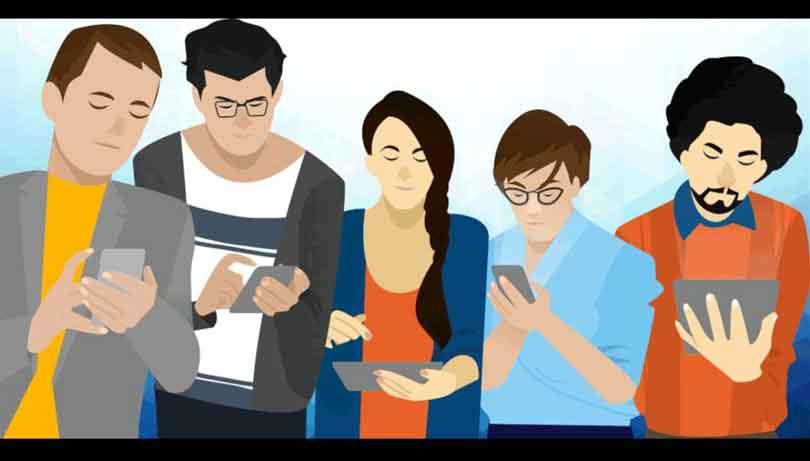
Every morning, before many of us have even properly opened our eyes, we reach for our phones. We check the time, scroll through Instagram, watch a few TikToks, read the news, reply to a message or perhaps listen to a podcast while getting ready. By the time breakfast is over, we have already consumed hours of media without necessarily thinking about why we chose any of it. We often ask, “What are the media doing to us?” Are social media making us more distracted? Is television shaping our opinions? Are algorithms deciding what we should care about? Definitely, these are important questions, but we rarely ask another question that deserves just as much attention: “What are we doing with the media?”
The difference may seem small, but it changes the way we understand our relationship with media. Instead of seeing audiences as passive recipients who simply absorb whatever newspapers, television channels, streaming platforms or social media feeds put in front of them, it allows us to see people as active participants. We do not consume every piece of media placed in front of us. We choose. We skip. We search. We share. We comment. We mute. We binge. We switch off. Sometimes, we even create our own media. In a world where there is more content available than anyone could possibly consume, our choices matter.
Think about the last time you opened Instagram. You probably did not do it simply because Instagram existed. Perhaps you were bored while waiting for someone. Maybe you wanted to see what your friends were doing, you were looking for outfit inspiration, checking the latest celebrity news or searching for a restaurant. You could have also been trying to escape from a stressful day or simply looking for something funny to make you smile. The same platform can serve completely different purposes for different people, and even for the same person at different moments.
This is where the idea of media as something we actively use becomes interesting. Media can become a source of entertainment, information, companionship, identity, inspiration and even escape. A person watching a cooking video may be learning how to make dinner. Another person watching the exact same video may have no intention of cooking at all. They may simply enjoy watching someone create something. A football fan might follow a sports account for updates, while another person follows it because their friends constantly talk about the team. The content is the same, but the purpose is different.
Sometimes, media fills a social need. We have all experienced the strange feeling of knowing someone we have never met. We follow a creator for years, watch their daily routines, listen to their stories and become familiar with their personality. When they announce a new relationship, move house or reach an important milestone, it can feel oddly personal. It shows how media can create a sense of connection. For someone living alone, a favourite podcast might provide background company. For someone far from home, a video call can make distance feel slightly smaller. Media can connect people even when physical connection is impossible.
Then there is identity. What we consume can become part of how we understand ourselves and how we want others to see us. The music we listen to, the films we love, the accounts we follow and even the memes we share can say something about who we are. Our playlists can become personality statements. Our Pinterest boards can reveal aspirations.
Our Instagram feeds can become carefully constructed versions of ourselves. We do not merely consume culture. We use it to experiment with identity, express our personalities and find people who share our interests.
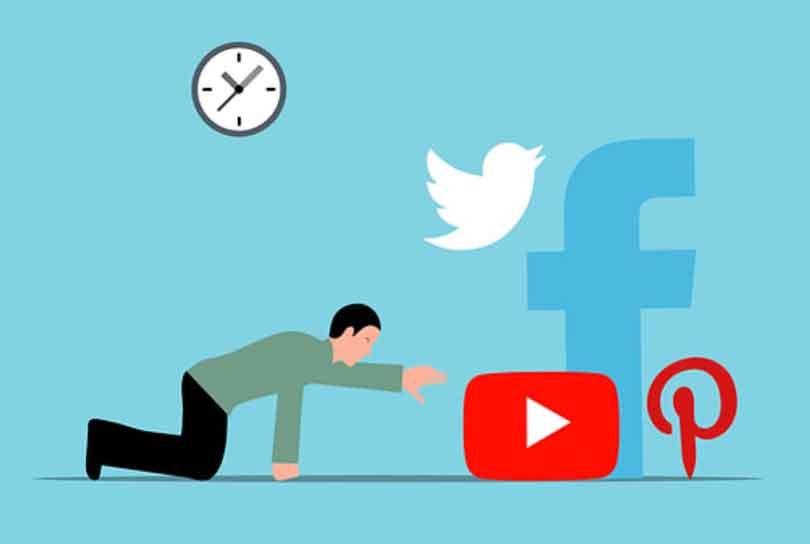
Yet, this does not mean that media has no influence over us. It would be unrealistic to suggest that audiences have complete control. Algorithms decide what appears in front of us, platforms are designed to keep us scrolling and advertisers carefully study our habits. A person may open an app with the intention of checking one message and suddenly realise that thirty minutes have disappeared. We choose to enter the digital space, but once we are there, our choices are influenced by a system that is also making choices for us.
That is what makes the relationship between people and media so complicated. It is not simply a battle between “media controlling people” and “people controlling media”. It is a constant exchange. We use media to satisfy our needs, but media platforms are simultaneously learning from those needs. We watch certain videos, so similar videos appear. We search for particular topics, so more content related to those interests finds us. We engage with certain creators, and the platform gives us more of them. Our behaviour shapes the media environment just as the media environment shapes our behaviour.
Consider entertainment. We often say that streaming platforms are responsible for our binge-watching habits, but we also actively choose what to watch. We may spend twenty minutes scrolling through Netflix without actually watching anything because we are searching for something that matches our mood. On one night, we may want a crime thriller. On another, we may want a comforting sitcom we have already watched five times. The choice is not always about what is objectively “good”. It is about what we need at that particular moment.
News provides another fascinating example. People do not consume news in exactly the same way. Some want detailed political analysis, some prefer short videos, while others simply want enough information to understand what everyone is talking about. Some actively seek opposing viewpoints, while others repeatedly consume information that confirms what they already believe. The media may provide the information, but audiences decide what to seek, what to ignore and what to share. In doing so, our choices can influence what becomes visible and what disappears into the endless stream of content.
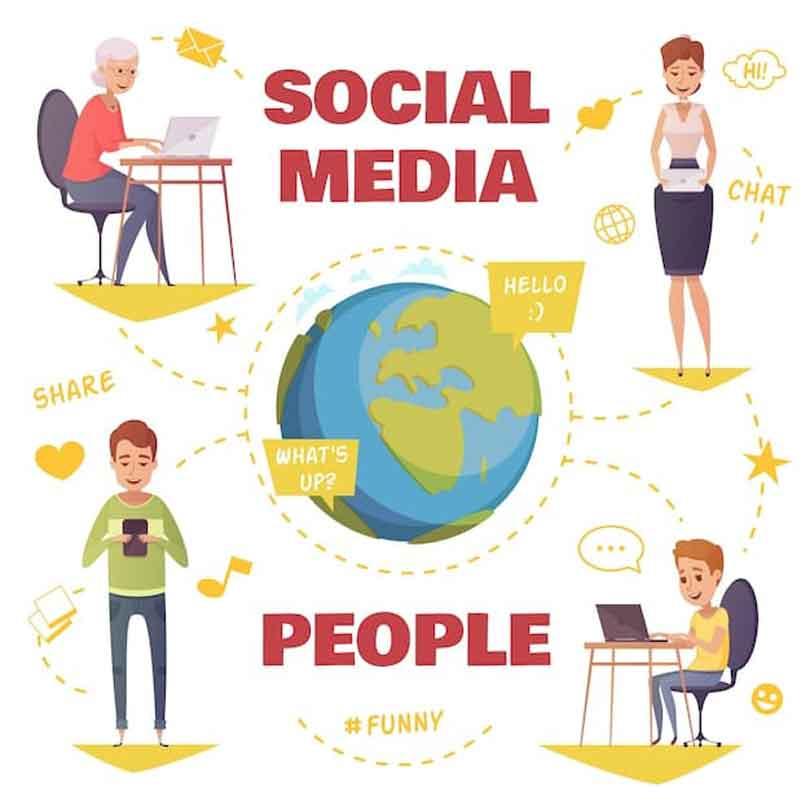
The rise of social media has made this relationship even more complicated because the audience is no longer just an audience. We are users, viewers and creators at the same time. A person can watch a TikTok in the morning, comment on another at lunch, create a Reel in the evening and send a meme to a friend before bed. The line between consuming media and producing it has almost disappeared. Even a simple comment or repost contributes to the circulation of content.
Perhaps the most important question, therefore, is not whether media is good or bad for us. It is how consciously we use it. There is a difference between opening an app because we genuinely want something from it and opening it automatically because we are uncomfortable with having nothing to do. There is a difference between watching something because it interests us and continuing to watch simply because the next video appears before we have had time to think.
Ultimately, there’s no doubt that media is powerful, but so are our choices. We use it to learn, laugh, connect, escape, discover, remember and express ourselves. At the same time, it can influence our attention, opinions, habits and expectations. Perhaps the relationship is best understood not as “what do media do to people?” versus “what do people do with media?” but as both questions existing at once.
The next time you find yourself scrolling through your phone, pause for a second and ask yourself why you are there. Are you looking for information, entertainment, connection, inspiration or simply an escape from boredom? The answer might reveal something about your relationship with media. Because in an age where media is everywhere, understanding not only what it does to us, but what we choose to do with it, may be one of the most important forms of media literacy we can develop.