The Comfort of Controlled Fear
By Noeli Jesudas
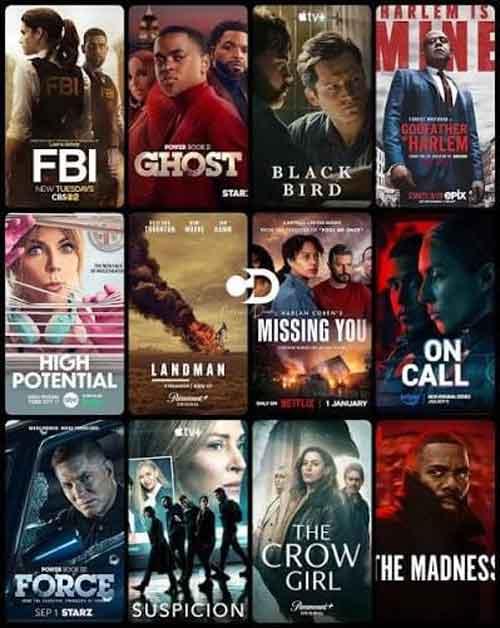
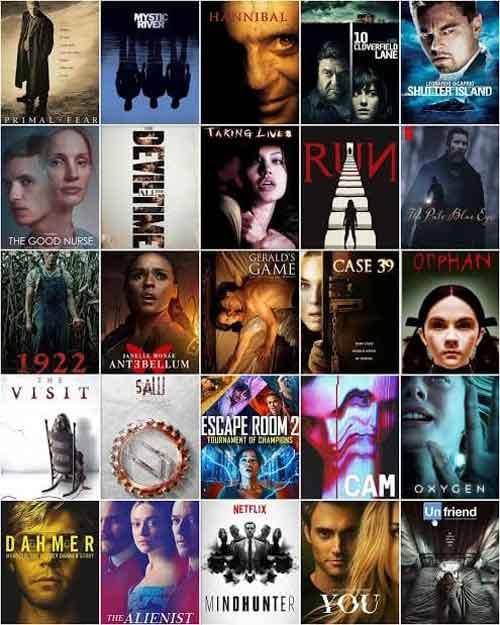
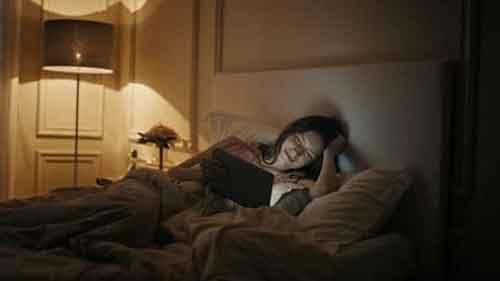
Think about the last time you watched a psychological thriller, crime drama or listened to a true crime podcast, was it because you were bored or you wanted to relax just right before going to bed? There is something truly strange about the way we relax now. After a long day of work, lectures, deadlines, and traffic most of us look forward to getting home, getting comfortable and putting something on that makes us question the safety of our own neighbourhood. A true crime podcast about a missing person? Perfect. A psychological thriller about a seemingly normal family hiding seventeen horrifying secrets? Even better. Nothing says “I need to unwind” quite like watching or listening to a detailed account of a murder while lying comfortably under a blanket.
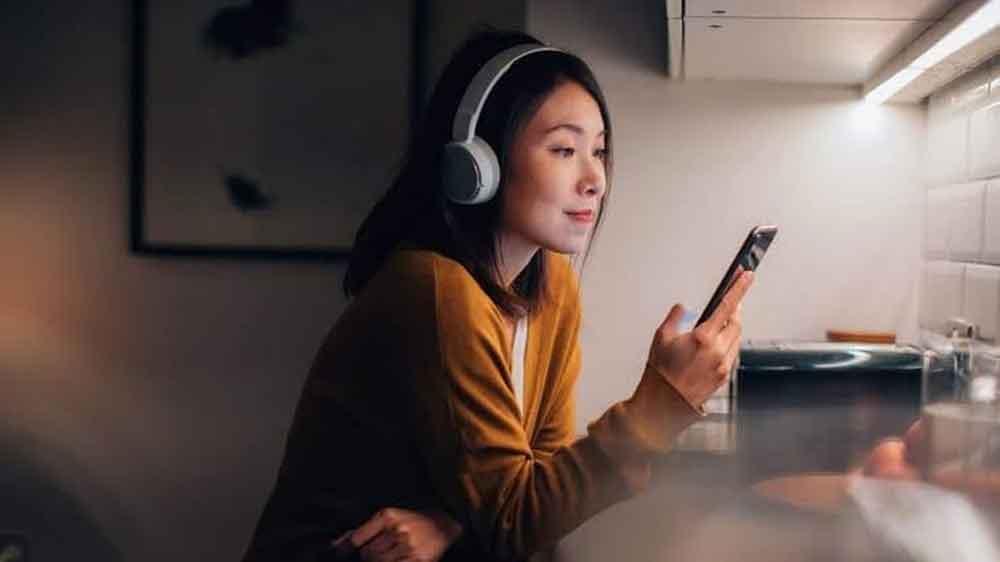
Yet as questionable as it may be I believe most of us do just this. True crime podcasts, documentaries, psychological thrillers and crime dramas have become part of everyday entertainment. They are consumed on morning commutes, during gym sessions, while cooking dinner and, somewhat ironically, before bed. Fear, it seems, has become strangely comforting when we know it is contained within a screen or a pair of headphones.
The appeal here I think is not necessarily that people enjoy violence or tragedy. For many, it is the feeling of experiencing fear without actually being in danger. We can explore the darkest corners of human behaviour while sitting safely on our sofas, with the ability to pause whenever things become a little too much. In other terms it’s fear with an exit button.
Real life rarely gives us that luxury. Anxiety in everyday life is often vague. We worry about money, relationships, jobs, exams, health, family and the future without knowing exactly when any of those worries will end. There is no narrator explaining what is happening or telling us that everything will be resolved in forty-seven minutes. A psychological thriller, however, gives fear a beginning, middle and end. There is a mystery. There are clues. There is a villain. Eventually, there is usually an explanation.
That sense of structure can be surprisingly satisfying mostly because our lives in the real world can seem quite unstructured. For example, think of the difference between worrying about something happening in your own life and watching someone else deal with a fictional crisis. When it is your own problem, you are emotionally inside it. When you watch a thriller, you are outside looking in. You can analyse the characters, predict what will happen and even feel clever when you work out the twist before the protagonist does. Suddenly, your own problems seem temporarily quieter.
True crime adds another layer to this fascination because it sits somewhere between entertainment and reality. These are not fictional monsters created by a screenwriter. They are real people, real victims and real events. That makes the experience more unsettling, but also more compelling. There seems to be a natural human curiosity about understanding why people do terrible things. I for sure do. We want to know what happened, how it happened and, perhaps most importantly, whether it could happen to us.

This is where the darker side of true crime consumption becomes complicated. The genre can sometimes turn real suffering into entertainment, particularly when cases are treated like puzzles rather than tragedies involving actual people. A catchy title, dramatic music and a cliffhanger can make a murder case feel disturbingly similar to an episode of a television series. There happens to be a fine line between awareness and entertainment.
Still, the popularity of true crime cannot simply be explained by people being fascinated with violence. Much of it comes down to the desire to understand danger. People listen to stories about scams, disappearances, stalking, manipulation and murder because they want to recognise warning signs. There is often a subconscious question underneath the fascination: “What would I do if this happened to me?”
For some listeners or viewers, it becomes a strange form of preparation. The more we understand how something happened to someone else, the more prepared we feel to prevent it from happening to us. Whether this actually makes us feel safer is another question, but psychologically, it can create a sense of control. And control is perhaps the most important word here.
Fear is uncomfortable because it makes us feel powerless. Controlled fear does the opposite. We choose the movie. We press play. We decide whether to continue. We can turn the lights on, check the door twice and remind ourselves that we are sitting at home. The brain gets to experience the adrenaline of danger while another part of us knows that we are safe.
It is not entirely different from riding a roller coaster. Nobody gets on one because they genuinely want to experience the sensation of falling to their death. They get on because they want the feeling of danger without the actual danger. The fear becomes enjoyable precisely because it is controlled.
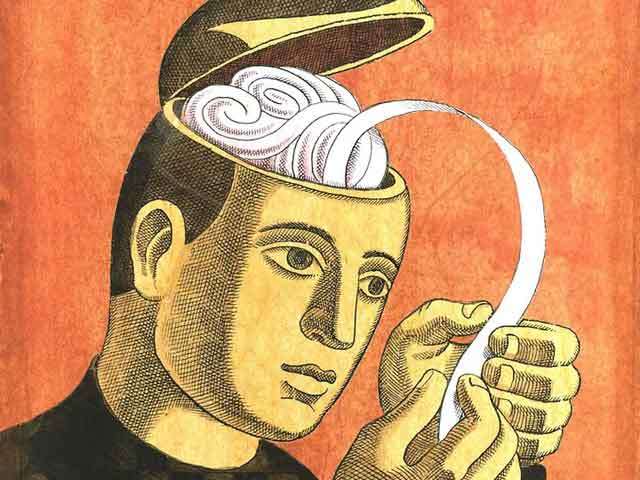
Psychological thrillers take this even further by playing with our perception. The best ones make us question what we know. Is the character lying? Is the narrator reliable? Did that actually happen? Are we imagining things? For a couple of hours, we get to temporarily abandon reality and enter a world where nothing is quite what it seems.
Ironically, that can be relaxing. There is also something satisfying about solving a fictional problem. Modern life gives us plenty of situations that remain unresolved. Your email is still unanswered. Your assignment still needs editing. Your boss still has not replied. Your bank account is still looking slightly offensive. But in a thriller, problems usually have answers. The murderer is revealed. The mystery is solved. The missing person is found, or at least we discover what happened. There is closure.
Perhaps this explains why some people reach for dark entertainment when they are stressed. It provides an emotional experience that is intense but ultimately manageable. Instead of thinking about our own uncertainty, we become invested in someone else’s. Of course, not everyone finds comfort in fear. Some people cannot sleep after watching a thriller, and others may hear one unexplained noise at 2 a.m. For them, controlled fear is still fear.
But for those who enjoy it, there is a peculiar comfort in knowing that the danger is temporary and contained. We can explore paranoia without actually being paranoid, experience suspense without being in danger and confront the uglier parts of human nature without having to personally encounter them.
Maybe that is why we keep coming back. We live in a world where uncertainty is everywhere. News alerts appear on our phones before we have even had breakfast. Social media constantly reminds us of everything that could go wrong. There is no shortage of real-world anxiety. Yet when we voluntarily choose a fictional or historical story about something terrible happening, we somehow feel more in control of the fear. I mean of course it sounds ridiculous when you say it out loud. “I have had a stressful day, so I think I will watch a film about a serial killer.” But perhaps the logic is not as strange as it sounds. Sometimes, the easiest way to escape our own fears is to borrow someone else’s for a while. We know the villain is on the screen. We know the podcast will eventually end. We know we can turn it off. And in that small space between knowing we are safe and pretending we are not, fear becomes something surprisingly comforting.