How Much of Our Personality Is Actually Ours?
We spend an extraordinary amount of time trying to understand ourselves. We take personality tests, discover our “type”, decide whether we are introverts or extroverts, identify our strengths and weaknesses, and collect little descriptions of ourselves as though we are assembling the instruction manual for a person. “That is just how I am,” we say. “I have always been like this.” But have we? How much of the person we recognize as ourselves was actually chosen by us, and how much was quietly built by everyone and everything around us?
It is an uncomfortable question because personality feels like one of the few things that belongs entirely to us. Our name might have been chosen by our parents, our education shaped by circumstances, and our career influenced by opportunity, but surely the way we think, behave and respond to the world is ours. Surely our likes, dislikes, habits, insecurities and ambitions make us who we are. Yet if we look closely, we might discover that some of the strongest parts of our personality were not consciously selected at all. They were learnt.
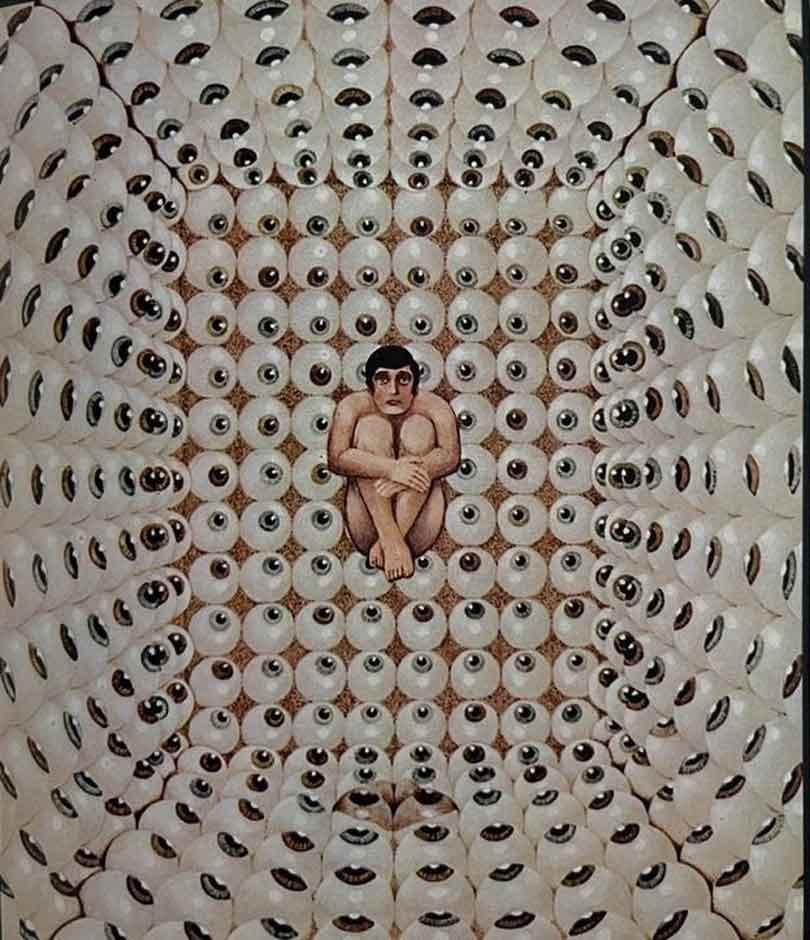
A child does not arrive in the world knowing what is respectable, embarrassing, impressive, inappropriate, successful or shameful. They learn these things by watching the people around them. They learn what receives praise and what receives punishment. They learn which emotions are welcomed and which should be hidden. A child who is constantly told to be quiet may grow into an adult who describes themselves as naturally reserved. A child who is praised only when they achieve may become an adult who cannot rest without feeling guilty. Someone who grew up being told not to trust strangers may become extremely cautious and later call themselves simply “a private person”.
Perhaps some of these traits genuinely are part of our natural temperament. Human beings are not blank slates. Genetics, biology and temperament clearly influence who we become. But personality is not created in isolation. It develops through an endless conversation between what we are born with and what happens to us afterwards. The problem is that we rarely remember where one ends and the other begins.
Even our tastes can be surprisingly complicated. Think about the things you consider “your kind of thing”. Your favourite music, clothes, food, hobbies or films may feel like obvious expressions of your individuality. But where did those preferences begin? Maybe you heard a particular song because someone you loved played it repeatedly. Maybe you developed a taste for a certain style because everyone around you dressed that way. Maybe you dislike something because you were told from childhood that it was strange, cheap or unsuitable. We like to believe our preferences are evidence of individuality, while many of them may simply be evidence of exposure.
Culture has an even stronger influence. What one society considers confident, another may consider arrogant. What one family considers respectful, another may consider submissive. In one environment, speaking loudly may be associated with confidence. In another, it may be considered rude. Even the way we greet people, argue, apologise, celebrate, express affection and handle disagreement is shaped by the world we grow up in.
This becomes particularly interesting when we begin to believe that our learned behaviour is our permanent personality. Someone might say, “I am terrible at expressing my feelings,” when what they really mean is that they were never taught how to express them. Someone might say, “I hate asking for help,” when perhaps they learnt very early that needing help made them feel weak. Someone might say, “I do not get attached to people,” when perhaps attachment once came with disappointment.
Sometimes what we call personality is simply adaptation that lasted long enough to become familiar. That does not mean every personality trait is a wound in disguise. Not every quiet person secretly wants to be loud, and not every independent person is secretly afraid of intimacy. There is a dangerous tendency in modern conversations about self-discovery to assume that every behaviour must have a dramatic psychological explanation. Sometimes you genuinely just prefer being alone. Sometimes you really do love routine. Sometimes you are simply a person who hates pineapple on pizza without needing a childhood analysis.
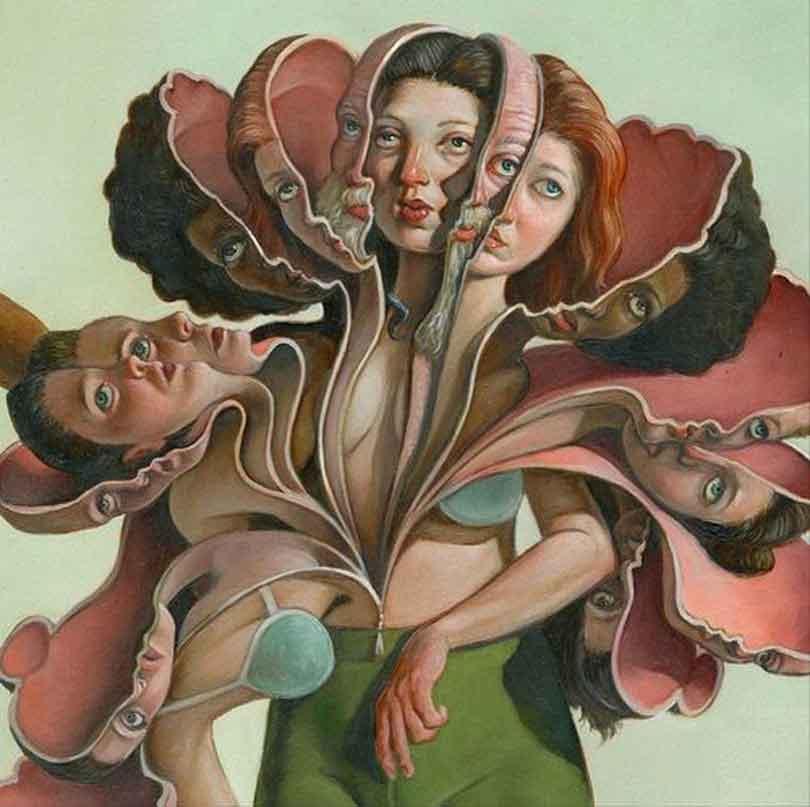
But there is something worth questioning when a part of our personality repeatedly causes us unhappiness. If we keep saying, “That is just who I am,” perhaps we should occasionally ask whether it is actually who we are, or merely who we learnt to be. Relationships can reveal this distinction in fascinating ways. We often become slightly different versions of ourselves around different people. Around one friend, we may be loud and ridiculous. Around another, thoughtful and serious. Around family, perhaps we become the responsible one. At work, we might be professional and composed. With someone we deeply trust, an entirely different personality emerges.
Which one is the real us? Perhaps the answer is all of them. Human beings are not single, perfectly consistent characters. We are complicated collections of behaviours that respond to different environments. The fact that we behave differently around different people does not necessarily mean we are fake. It may simply mean that different parts of us feel safe enough to appear in different circumstances. And then there is the influence of the internet, which has introduced an entirely new layer to the question. We are no longer only influenced by the people physically around us. We are exposed to thousands of personalities, lifestyles, opinions and identities every day. We watch strangers’ live lives we have never experienced and slowly absorb their definitions of beauty, success, confidence, relationships and happiness.
We are encouraged to “find our aesthetic”, “know our vibe” and build a personal brand. Even ordinary life can start to feel like something that needs a recognisable identity. You are not simply someone who enjoys reading. You are a “book person”. You are not simply tired. You are “the exhausted corporate girl”. You are not simply someone who likes dressing a certain way. You belong to an aesthetic. There is nothing inherently wrong with this. Labels can help people understand themselves and find communities where they feel seen. But they can also become cages. Once we decide who we are, we sometimes become strangely committed to behaving consistently with that decision.
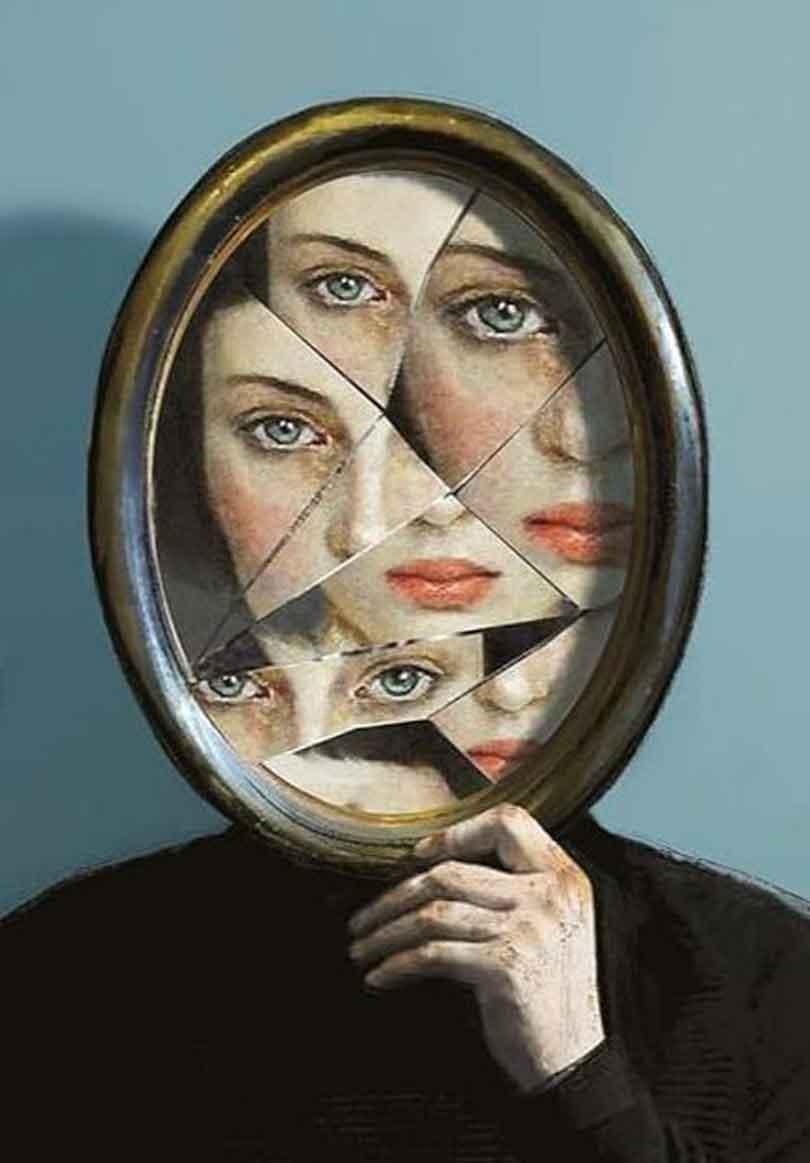
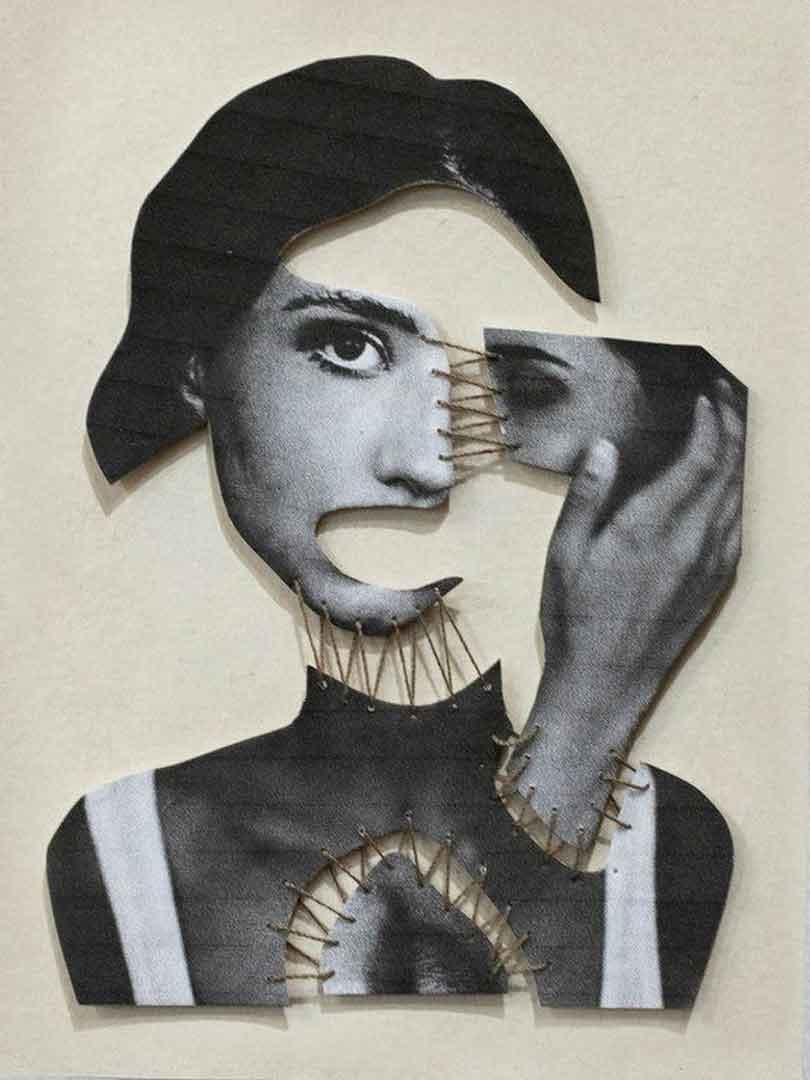
The quiet person may feel uncomfortable being loud. The serious person may hesitate to be silly. The independent person may feel embarrassed about needing someone. The person who has always been “the strong one” may not know how to admit that they are struggling. We become loyal to versions of ourselves that we created years ago. Perhaps that is why changing can feel so frightening. Growth does not only require learning something new. Sometimes it requires abandoning something familiar. You may have to admit that an opinion you proudly defended for years was wrong. You may discover that a career you thought you wanted was actually chosen because it sounded impressive. You may realise that the personality you built to survive a particular period of your life is no longer necessary. And that can feel almost like betraying yourself. But changing your mind does not mean you never knew yourself. It means you are allowing yourself to know yourself better.
Maybe we should stop treating personality as a finished product. We talk about ourselves as though we are fixed objects: “I am an introvert.” “I am impatient.” “I am bad at relationships.” “I am not ambitious.” “I am just not emotional.” These statements can be useful descriptions, but they can also become predictions. Once we turn them into permanent identities, we stop questioning whether they are still true. The person you were at sixteen does not have to dictate who you are at twenty-six. The person you were at twenty-six does not have to control who you become at forty. We are allowed to outgrow our own descriptions.
Perhaps the most interesting part of growing older is discovering which pieces of ourselves remain when we start questioning the ones we inherited. Which ambitions survive when nobody is watching? Which values remain when approval is removed? Which interests still matter when they are no longer fashionable? Which behaviours make us feel genuinely comfortable rather than merely familiar? Those questions can be difficult because there is no pure, untouched version of ourselves waiting underneath everything. We are products of countless influences. Our parents, friends, teachers, communities, experiences, failures, loves, losses and environments have all left fingerprints on us. There is probably no personality trait that exists completely untouched by the world. And perhaps that is not a problem. Maybe the goal is not to discover some perfectly authentic version of ourselves that existed before everyone else got involved. Maybe the goal is to become conscious of the influences that shaped us and decide which ones deserve to remain.
We cannot choose everything that made us. We can, however, participate in what makes us next. That is where individuality becomes more interesting. Being yourself does not necessarily mean refusing influence. It means becoming aware of it. It means asking why you believe what you believe, why certain things frighten you, why certain behaviours make you uncomfortable, why you pursue particular forms of success and whether the life you are building actually feels like yours. Maybe our personality is not entirely ours. Perhaps it never was. But our responsibility is not to erase every influence that shaped us. It is to examine them. To keep what feels true, challenge what no longer serves us and leave behind what was never really ours to begin with. Because perhaps the most authentic version of ourselves is not the person who has never been influenced by anyone. It is the person who finally knows which influences to keep.