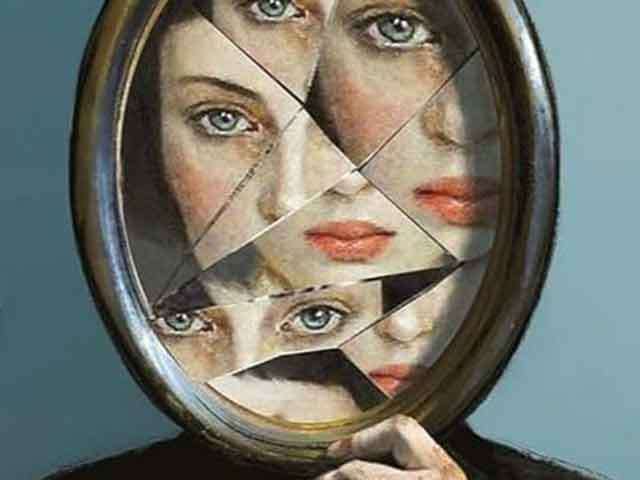
Does your feed know you better than your circle?
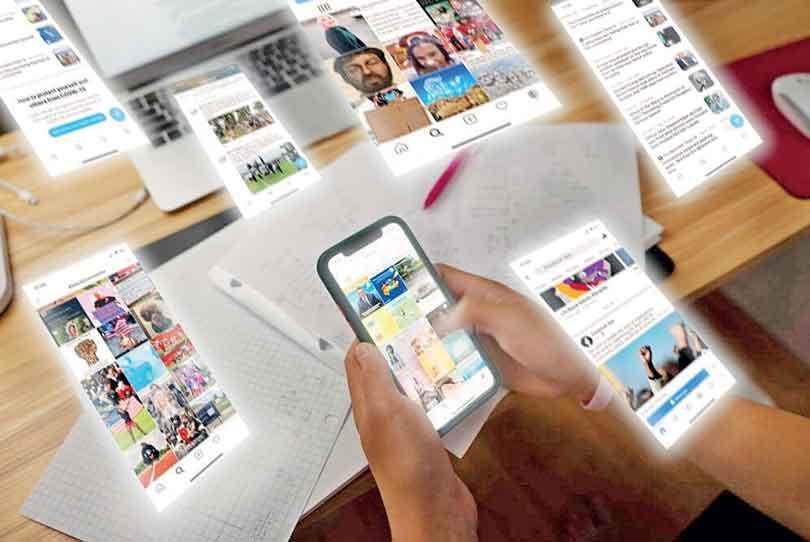
It’s just another day. You’re scrolling, not really looking for anything in particular, and then something stops you. A video, a sentence, a random post from someone you’ve never met. And it feels… specific. Not relatable in a broad, generic way, but uncomfortably precise. Like it reached into your head, picked a thought you hadn’t said out loud, and placed it in front of you.
You don’t question it immediately. You just sit there for a second longer than usual. And then you move on. But it lingers.
Because somewhere in the back of your mind, there’s a question you don’t fully want to ask. Not out loud, at least. Does this thing know me better than the people in my life do?
Well, it may sound dramatic when you put it like that. Almost exaggerated. You tell yourself Of course my friends know me better. They’ve seen me, heard me, and has been there in ways no algorithm could replicate. They know my voice, my habits, the way I laugh when something is actually funny and not just polite funny. But then again, your friends don’t see everything.
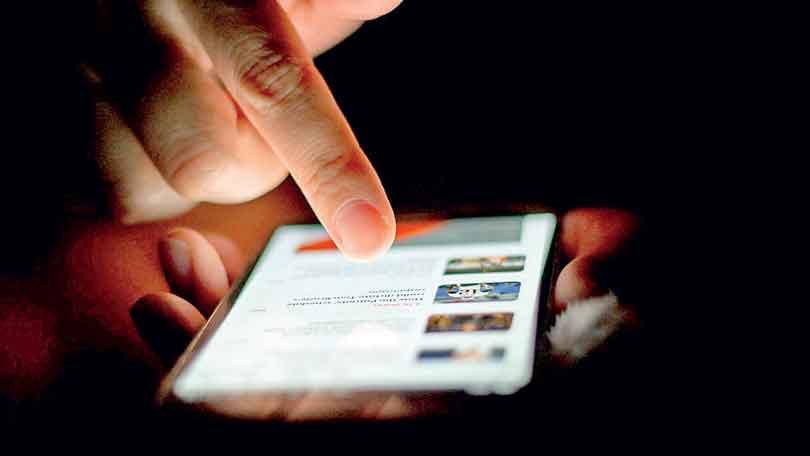
They don’t see the 2 a.m. searches you make when you can’t sleep. They don’t see how long you pause on certain posts. They don’t know which videos you replay, which songs you loop, which comments you read twice. They don’t see the patterns in what you avoid either. The things you scroll past too quickly. The topics you refuse to engage with. But guess who does?
The algorithm.
And it doesn’t just see them. It remembers them. Quietly, consistently, without judgement. Keeps track of it all and it builds something out of them. Not a personality in the human sense, but a version of you made entirely out of behaviour. That’s where it gets strange. Because human connection is built on what we choose to show. Data intimacy is built on what we don’t even realise we’re revealing.
Because here’s the thing, your friends know the version of you that speaks. The algorithm knows the version of you that reacts. And those two may not always be the same person.
There are things you say out loud that aren’t entirely true. Not lies, exactly, but softened versions. Edited responses. You say you’re fine when you’re not. You say you don’t care when you do. You laugh things off. You change topics. You perform stability because it’s easier than explaining chaos. But your behaviour doesn’t perform in the same way.
You can say you’re over something, but if you keep watching videos that circle back to it, if you keep engaging with content that reflects it, the algorithm notices. It doesn’t take your word for it. It takes your patterns. And patterns are harder to fake.
This is where the shift happens. Not loudly, not all at once, but gradually. The algorithm starts predicting what you might want to see before you even realise you want to see it. It feeds you things that feel aligned with your mood, your interests, your insecurities, your curiosity. Sometimes it gets it wrong. Completely off. Almost laughably inaccurate. But when it gets it right, it feels personal.
That’s the part that people don’t talk about enough. Not the accuracy itself, but the feeling it creates. That quiet sense of being understood without having to explain anything. Because that’s what we want, isn’t it? To be understood without the effort of translation.
Human connection, for all its depth, requires work. You have to explain yourself. You have to open up, clarify, repeat. You have to risk being misunderstood. And even with people who care about you, there are gaps. Misinterpretations. Moments where what you meant and what they heard are not the same.
The algorithm doesn’t misunderstand in that way. It doesn’t interpret your words. It tracks your actions. It doesn’t ask how you feel. It observes what you do when you feel it. And that creates a different kind of intimacy. One that feels easier, even if it’s not necessarily deeper. But here’s where it gets complicated. Because understanding is not the same as caring.
The algorithm can know what keeps you engaged. It can recognise what holds your attention, what triggers a reaction, what makes you stay. But it doesn’t understand why in the way a person can. It doesn’t hold context. It doesn’t know your history, your memories, the specific reasons behind your responses.
It knows the pattern, sure but not the story.
Your friend might not notice that you’ve been watching the same kind of content repeatedly. But if you told them why, really told them, they would understand in a way no system could replicate. The difference is subtle, but it matters. One is recognition. The other is meaning.
Still, it’s hard to ignore how often we turn to the easier version. You don’t have to explain anything to your feed. You just open it. And somehow, it meets you where you are. Or at least, where your behaviour suggests you are. On days when talking feels exhausting, that can feel like enough. Sometimes more than enough.
And that’s where the lines start to blur. Not because the algorithm replaces human connection, but because it starts to fill the spaces where human connection feels difficult. You don’t text someone. You scroll. You don’t process something out loud. You watch something that mirrors it. You don’t ask to be understood. You let something find you. It’s subtle. Almost unnoticeable in the moment. But over time, it shapes how you relate to both technology and people.
You start expecting understanding without explanation. You start valuing immediate resonance over slow, imperfect conversations. You get used to being seen through patterns rather than words. And then, when a real person doesn’t get it right away, it feels frustrating. But people aren’t algorithms. They don’t have access to your every micro reaction. They don’t track you continuously. They don’t build a model of you based on silent behaviour.
They know you through interaction. Through what you share, what you hide, what you choose to say in real life. And that kind of knowing takes time. Effort. Vulnerability.
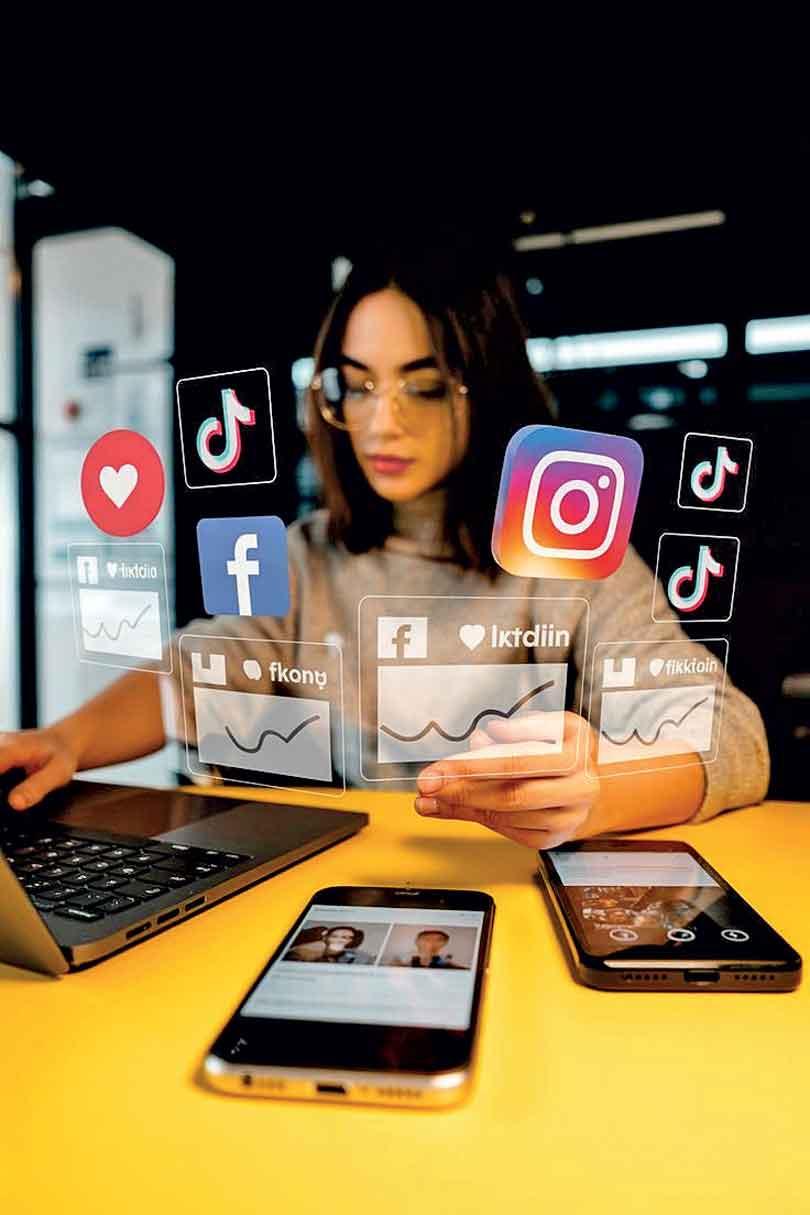
It’s messier. But it’s also more real.
Because being known by a person involves being understood in context. Not just what you like, but why you like it. Not just what you engage with, but what it means to you. The algorithm might know that you watch certain videos late at night. Your friend, if you let them in, might understand that those nights are when things feel heavier.
One sees the action. The other can hold the feeling. So moving back to the initial question, Does your feed know you better than your circle?
In some ways, it might know more about your habits. Your preferences. Your unspoken patterns. But knowing more is not the same as knowing better. Because better implies depth. It implies care. It implies the ability to hold complexity, contradiction, and change. And that’s something data alone cannot fully grasp.
The real question might not be about which one knows you better. It might be about which one you allow to know you at all. Because the algorithm doesn’t need permission. It takes what you give without asking.
People, on the other hand, only know what you’re willing to share. And maybe that’s why this feels like such a quiet shift. Not because technology has become more powerful, but because we’ve become more reserved. We reveal ourselves constantly, just not to each other.
And somewhere in between the scrolling and the silence, we’ve created a world where being seen has become easier than being known. Not the same thing. Just easier.