The Psychology Behind Dressing Well

By Yashmitha Sritheran
"Dress the way you want to be addressed," is one of those timeless pieces of advice that has survived decades of changing trends, shifting social norms, and evolving ideas of beauty. While fashion itself constantly reinvents, the psychology behind the clothes we wear remains remarkably consistent. What we choose to put on each morning influences not only how the world sees us but also how we see ourselves.
Dressing well has never simply been about expensive designer labels or owning the latest collection from a luxury fashion house. It is about understanding the relationship between clothing, identity, confidence, and emotion. The garments we wear become an extension of our personality, communicating messages long before we speak our first words. Every outfit tells a story, whether consciously or unconsciously, revealing something about our mood, our aspirations, our culture, or the image we wish to project.
Fashion and psychology have always shared a close and fascinating relationship. Clothing is far more than a practical necessity designed to protect us from the elements. It serves as a powerful psychological tool that influences behaviour, emotions, decision making, and even performance. At the same time, our emotional state often determines the clothes we choose to wear. The relationship works in both directions, creating a continuous dialogue between the mind and personal style.
Many people recognise the feeling of putting on an outfit that makes them feel instantly more confident. It could be a perfectly tailored blazer, a favourite dress, a well fitted suit, or even a pair of shoes that somehow changes the way they walk. Almost immediately posture improves, smiles become more natural, conversations feel easier, and self-consciousness begins to fade. This is not simply a matter of imagination. It reflects a genuine psychological phenomenon supported by years of research.
One of the most widely discussed concepts in fashion psychology is known as enclothed cognition. Introduced by researchers Hajo Adam and Adam Galinsky, the theory suggests that clothing can influence the wearer's psychological processes by combining the symbolic meaning of the garment with the physical experience of wearing it. In simple terms, the clothes we wear can genuinely affect how we think, feel, and behave.
For example, someone wearing professional business attire may naturally adopt a more focused, disciplined, and responsible mindset. A doctor wearing a white coat often reports feeling more attentive and detail oriented, while athletes frequently describe how wearing their team uniform helps them mentally prepare for competition. Equally, comfortable casual clothing can encourage relaxation, creativity, and emotional ease. Even something as small as wearing a favourite watch, a treasured piece of jewellery, or a lucky accessory can provide reassurance during stressful moments.
This demonstrates that clothing does not merely communicate identity to others. It reinforces identity within ourselves. The outfit becomes part of the psychological environment that shapes our thoughts and actions throughout the day.
Confidence is perhaps the most visible benefit of dressing well. While genuine confidence develops through experience, self-acceptance, and personal growth, clothing often acts as a catalyst that allows people to express that confidence more freely. Feeling comfortable in what we wear reduces unnecessary self-consciousness, allowing our attention to shift towards meaningful conversations, creative ideas, or important tasks.
This explains why people often prepare carefully before significant moments in life. Job interviews, first dates, weddings, presentations, and public events all encourage thoughtful wardrobe choices. Selecting the right outfit provides a sense of control during situations that may otherwise feel uncertain. It becomes a small but important ritual that helps calm nerves and establish a positive mindset.
The influence of clothing extends beyond our own emotions to the impressions we create. Psychologists have long recognised that first impressions form remarkably quickly. Within seconds of meeting someone, people naturally begin making assumptions based on visual cues including posture, facial expression, grooming, and clothing. Although these initial judgments may later change as we learn more about a person's character, appearance often provides the first information from which people construct an opinion.
Well maintained, thoughtfully chosen clothing communicates care, professionalism, confidence, and attention to detail. Appropriate dress also demonstrates respect for the occasion and the people involved. Whether attending a business meeting, an interview, a wedding, or a casual dinner, understanding the context and dressing accordingly reflects social awareness and emotional intelligence.
However, dressing well should never become synonymous with dressing to satisfy everyone else's expectations. Fashion is at its most meaningful when it expresses individuality rather than conformity. Personal style develops gradually through life experiences, cultural influences, personal values, creativity, and lifestyle choices. Authenticity remains one of the most attractive qualities any person can possess because it communicates confidence without pretence.
Some individuals express themselves through minimalist wardrobes dominated by neutral colours and timeless tailoring. Others enjoy vibrant prints, bold accessories, and experimental silhouettes. Neither approach is inherently superior. Style becomes powerful when it genuinely reflects the person wearing it rather than simply copying current trends.
Modern fashion has been profoundly influenced by social media. Platforms such as Instagram, TikTok, and Pinterest have transformed the way people discover trends, brands, and styling inspiration. Never before has fashion been so accessible. With a single scroll, users can explore runway collections, celebrity wardrobes, independent designers, and street style from every corner of the world.
This unprecedented access has encouraged creativity and expanded conversations around representation and personal expression. Yet it has also introduced new psychological challenges.
Social media often presents carefully curated versions of reality. Images are professionally photographed, expertly styled, edited, filtered, and strategically selected to present an idealised lifestyle. Constant exposure to these polished images can create unrealistic expectations, encouraging people to compare themselves with carefully constructed online personas rather than everyday reality.
The pressure to own expensive clothing, follow rapidly changing trends, or constantly refresh one's wardrobe has contributed to rising levels of fashion anxiety, particularly among younger generations. Many begin to believe that confidence depends upon purchasing power rather than self-acceptance.
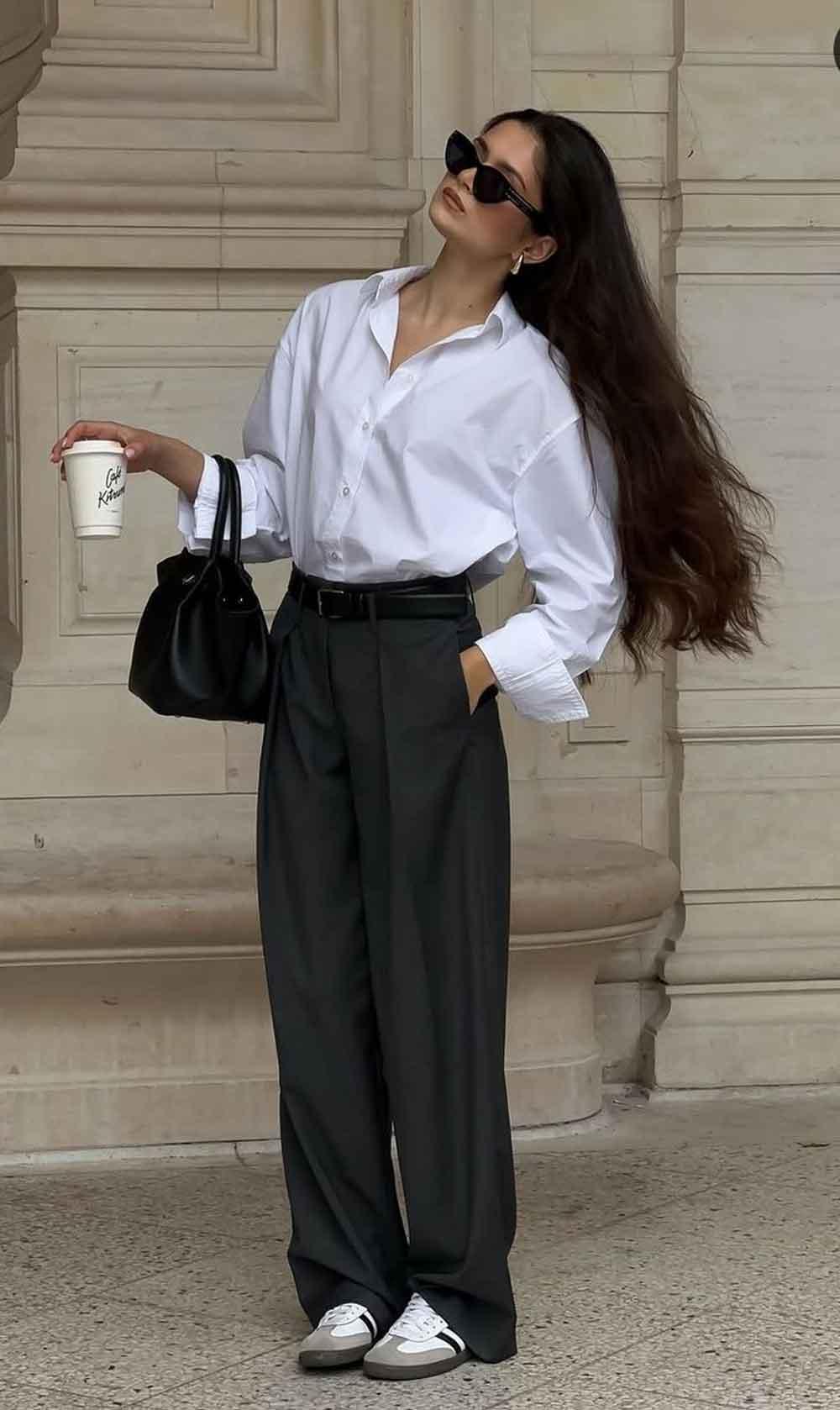
In reality, confidence has never been something that can be bought. Some of the most stylish individuals in the world consistently wear relatively simple clothing because their greatest accessory is self-assurance. A crisp white shirt, well fitted trousers, polished shoes, and genuine confidence often leave a far stronger impression than an outfit carrying several luxury logos worn with discomfort or insecurity.
True personal style is measured by authenticity rather than price.
Colour psychology adds another fascinating dimension to fashion. Colours influence both emotional responses and social perception, often without people consciously recognising their effects. While interpretations vary across cultures, many colours carry widely shared associations.
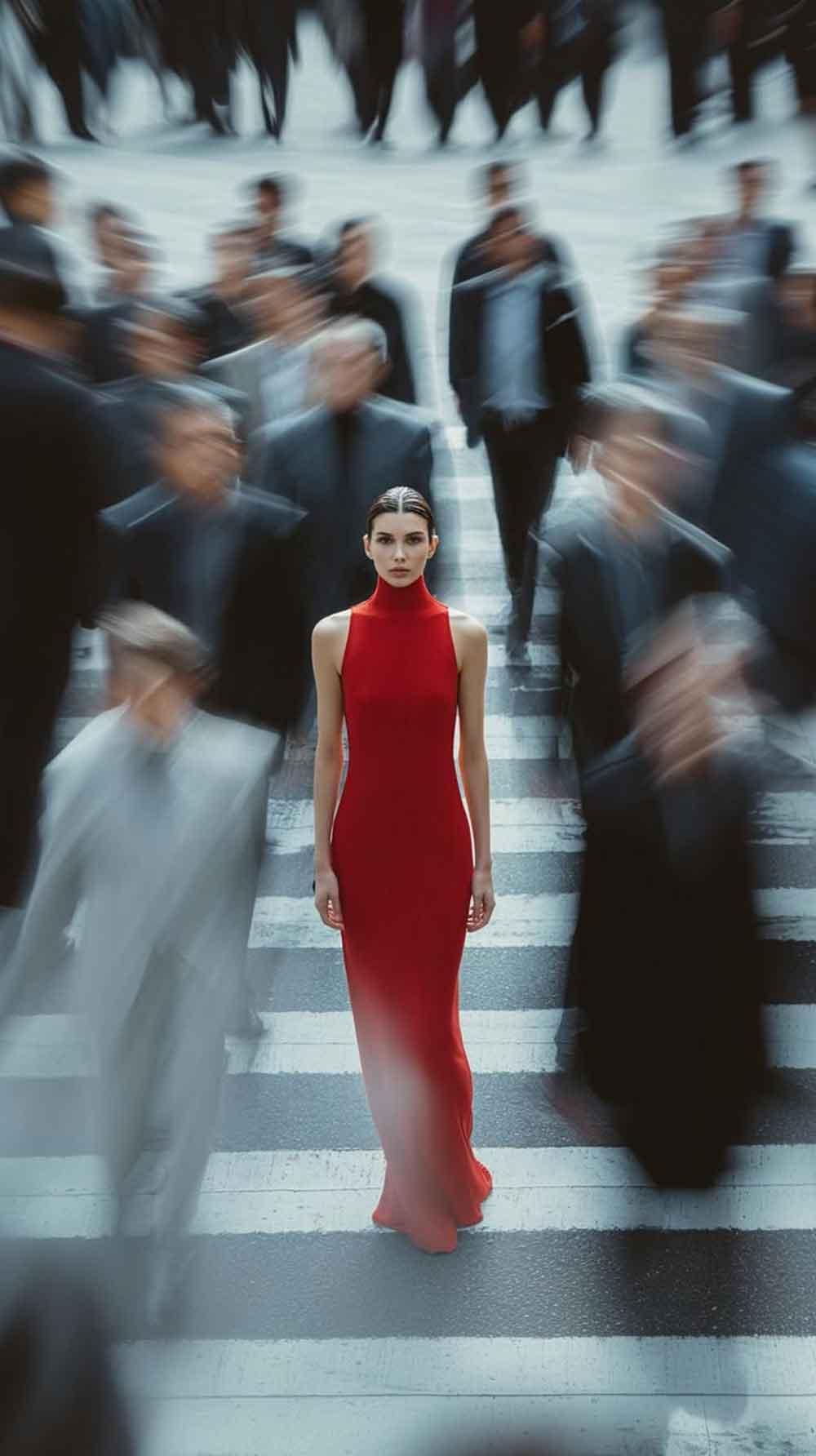
Blue is frequently connected with trust, stability, intelligence, and calmness, making it one of the most popular colours in corporate environments. Black is associated with sophistication, authority, elegance, and confidence, which explains its enduring popularity in evening wear and formal fashion. White often symbolises simplicity, cleanliness, and new beginnings, while red attracts attention through its associations with energy, passion, strength, and excitement.
Green commonly represents balance, nature, and renewal. Yellow is associated with optimism, warmth, and creativity, while purple has historically conveyed luxury, imagination, and individuality. Neutral shades such as beige, grey, and cream often communicate understated elegance and timeless refinement.
Although colour alone cannot determine perception, thoughtful colour choices subtly shape emotional responses and influence the atmosphere surrounding both the wearer and those around them.
The relationship between clothing and mental wellbeing deserves equal attention. During periods of stress, grief, anxiety, or depression, many people lose motivation to care about their appearance. Everyday tasks such as getting dressed may begin to feel overwhelming. Ironically, research suggests that making even a small effort to wear clean, comfortable, well-chosen clothing can positively influence mood and motivation.
This does not mean that clothing cures emotional difficulties. Rather, the simple act of getting dressed intentionally can become an important form of self-care. It creates structure, encourages routine, and reinforces the message that we remain worthy of care and attention even during difficult periods.
Many therapists encourage clients to establish daily routines that include getting dressed, even when working from home or spending the day indoors. Changing out of sleepwear signals to the brain that the day has begun, helping create psychological separation between rest and productivity.
Fashion also plays an important role in identity and belonging. Throughout history, clothing has reflected nationality, religion, profession, community, and culture. Traditional garments preserve heritage while contemporary fashion often blends influences from different cultures, creating fresh forms of self-expression that celebrate diversity.
Today, the fashion industry has begun embracing a broader understanding of beauty than ever before. Although progress remains ongoing, greater representation of different body types, skin tones, ages, disabilities, and cultural backgrounds has challenged outdated ideals that dominated fashion for generations.
This shift carries significant psychological importance. Seeing people who look like ourselves represented positively encourages healthier self-esteem and greater confidence. It reminds individuals that beauty does not exist within a single body shape, age group, or clothing size. Style belongs to everyone.
Personal style also evolves throughout life. The clothes someone loved as a university student may no longer reflect the person; they become ten or twenty years later. Careers develop, responsibilities change, families grow, priorities shift, and personalities mature. Fashion naturally evolves alongside these experiences.
Rather than chasing every passing trend, developing personal style involves discovering what consistently feels authentic. It means understanding which colours complement us, which silhouettes make us feel confident, and which pieces continue to reflect our identity regardless of changing fashions.
Building a wardrobe with intention often creates greater satisfaction than endlessly pursuing novelty. Quality, comfort, versatility, and authenticity tend to outlast seasonal trends.
Ultimately, dressing well is not about perfection. It is not about achieving an impossible beauty standard or impressing strangers with expensive labels. It is about recognising clothing as one of the many ways we communicate with ourselves and with the world around us.
Every morning presents an opportunity to make choices that support confidence, express personality, and prepare us for the experiences ahead. Those choices need not be extravagant. They simply need to feel genuine.
At the end of the day, the most stylish person in any room is rarely the individual wearing the most expensive outfit. More often, it is the person whose clothing reflects confidence, authenticity, and ease. Their style feels effortless because it is rooted in self-understanding rather than imitation.
Fashion may begin with fabric, colour, and design, but true style begins within. When we dress in a way that reflects who we genuinely are, we do far more than influence how others perceive us. We strengthen the way we perceive ourselves. In that sense, dressing well is not an act of vanity. It is an act of confidence, self-respect, and quiet psychological empowerment.