Leading with Purpose: Shiyamalee Karunanayake on Finance, Leadership and Building Future Generations

HER STORY. HER STRENGTH. BY: DR. SULOCHANA SEGERA
In today’s rapidly changing business environment, leadership demands far more than technical expertise. It requires strategic thinking, adaptability, integrity, and the ability to inspire people while navigating complexity. Few professionals embody these qualities as effectively as Shiyamalee Karunanayake, General Manager, Assurance and Insurance at Hayleys Advantis Limited. With a career spanning over two decades, she has progressed from an audit trainee at Ernst & Young to a senior leadership role within one of Sri Lanka’s most diversified conglomerates. Along the way, she has built a reputation as a respected finance professional, principled leader, mentor, and advocate for developing future generations of women leaders. Her journey reflects the power of perseverance, continuous learning, and strong values. In this interview, she shares insights from her professional journey, discusses the evolving role of finance leaders, reflects on balancing career and family, and offers valuable advice for young women aspiring to become influential decision-makers in the future.
Q: You began your career with Ernst & Young as an audit trainee. How did those early years influence your approach to leadership and business decision-making today?
My years at Ernst & Young laid the foundation for everything that followed in my career. As an audit trainee, I had the opportunity to work with organizations across a wide range of industries, exposing me to different business models, management styles, and operational challenges. This experience gave me a unique understanding of how businesses function and what drives long-term success.
As I progressed through the profession, managing increasingly complex audit engagements and leading larger teams, I developed not only technical expertise in finance and assurance but also critical leadership skills. I learned the importance of discipline, analytical thinking, attention to detail, and evidence-based decision-making. These experiences taught me to approach challenges objectively and to base decisions on facts rather than assumptions.
The audit profession also strengthened my communication and people-management skills. Working with diverse stakeholders required me to listen carefully, build trust, and provide constructive guidance. These lessons continue to shape my leadership style today, enabling me to make informed decisions while balancing business objectives with the needs of people and organizations.

Q: Moving from professional practice into the corporate sector is a significant transition. What motivated you to join Hayleys PLC, and how has that experience broadened your perspective as a business leader?
Joining Hayleys PLC was a deliberate choice driven by my desire to be part of Sri Lanka’s largest and most diversified conglomerate. The opportunity to work within such a dynamic organization was extremely appealing because it offered exposure to multiple industries, markets, and business models, both locally and internationally.
My journey within Hayleys Advantis and the broader Hayleys Group has allowed me to serve in a variety of finance leadership roles across different companies. These experiences significantly expanded my understanding of business beyond finance. I gained firsthand exposure to strategy execution, operational management, stakeholder engagement, and organizational transformation.
The transition also taught me that successful leadership requires balancing strategic vision with operational realities. It reinforced the importance of adaptability, collaboration, and relationship-building. Most importantly, it helped me evolve from being a finance professional focused primarily on financial performance into a business leader who understands the interconnected roles of people, culture, innovation, customer value, and strategy in driving sustainable growth. This broader perspective continues to influence the way I lead and make decisions today.
Q: In today’s rapidly evolving business environment, how do you see the role of finance leaders changing beyond traditional financial management?
The role of finance leaders has transformed dramatically over the past decade. Traditionally, finance professionals were viewed primarily as custodians of financial reporting, compliance, and cost management. Today, however, finance leaders are expected to be strategic business partners who actively contribute to organizational growth and long-term value creation.
Modern finance leaders must work closely with business teams to shape strategy, strengthen governance, manage risk, and support innovation. In an increasingly complex and uncertain business environment, they are expected to provide insights that help organizations navigate change, identify opportunities, and make informed decisions.
Technology is also reshaping the finance function. Digitalization, automation, artificial intelligence, and advanced analytics are enabling organizations to access real-time information and generate deeper business insights. Finance leaders must embrace these technologies to improve efficiency, enhance decision-making, and create greater value for customers and stakeholders.
Ultimately, the finance leader of today is no longer simply a steward of financial performance but a catalyst for innovation, resilience, and sustainable growth.

Q: What does principled leadership mean to you, and why is it increasingly important in today’s corporate world?
Principled leadership is about leading with integrity, honesty, fairness, and accountability. It means making decisions based on strong values and doing what is right, even when it is difficult or unpopular. For me, these principles form the foundation of effective leadership and sustainable success.
In today’s corporate environment, stakeholders increasingly expect organizations to operate responsibly and ethically. Employees, customers, investors, and communities are paying closer attention to how businesses conduct themselves and the values they uphold. At the same time, emerging technologies and evolving business models are creating new ethical challenges that require sound judgment and responsible leadership.
Principled leaders create cultures where accountability is embraced, and ethical behavior is encouraged. They build trust, strengthen organizational reputation, and foster environments where people feel empowered to make the right decisions. While strategies and technologies may continue to evolve, trust, integrity, and accountability remain timeless qualities that define enduring leadership.
Q: As a woman leader in finance and business, what challenges have you encountered, and how have you overcome them?
One of the most significant challenges I have faced has been balancing the demands of a demanding corporate career with responsibilities outside of work. Leadership roles often require significant commitment, particularly when managing business transformations, strategic initiatives, and complex decision-making processes.
To overcome these challenges, I developed strong discipline, resilience, and the ability to prioritize effectively. I learned how to manage multiple responsibilities simultaneously while remaining focused on delivering results. Adaptability and perseverance became essential qualities throughout my professional journey.
Equally important was maintaining a positive mindset and strong self-belief. Every challenge presented an opportunity to learn and grow. However, I must also acknowledge the invaluable support of my family. Their encouragement, understanding, and unwavering belief in me provided the foundation that enabled me to pursue my career aspirations with confidence.
Looking back, I have learned that success is never achieved in isolation. It is built through determination, continuous learning, self-confidence, and the support of those who stand beside us throughout our journey.
Q: You actively contribute to several professional and business organizations. What motivates you to give back through voluntary service and professional committees?
I strongly believe that professional success comes with a responsibility to contribute to the profession and community that have supported our growth. This belief has motivated me to actively participate in professional organizations and committees.
Throughout my career, I have benefited from the guidance and mentorship of others. Giving back allows me to share the knowledge, experiences, and lessons I have gained over the years. I am particularly passionate about supporting young professionals and helping develop future leaders.
Mentoring emerging talent, contributing to professional development initiatives, and encouraging greater diversity in leadership are areas that are especially meaningful to me. Through these efforts, I hope to play a role in strengthening the profession and creating opportunities for future generations.
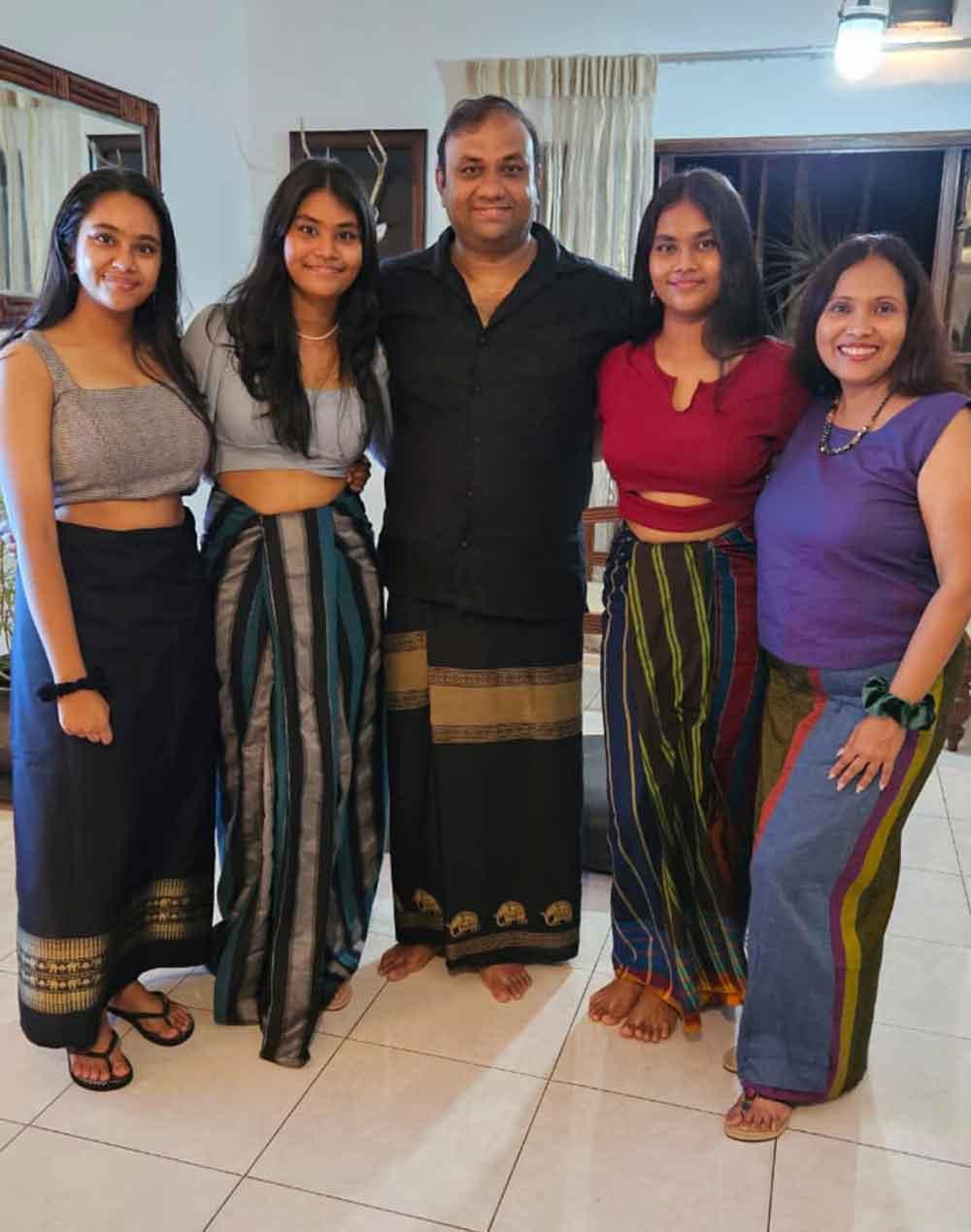
Q: Balancing a demanding corporate career with family life is not easy. How have you managed to maintain that balance while raising three children?
Balancing a professional career with raising three children has been one of the most rewarding and challenging experiences of my life. It required careful prioritization, effective time management, and a strong support system.
I have been fortunate to receive unwavering support from my parents and family, who understood my passion for my career and helped me navigate competing responsibilities. Their support provided stability and confidence throughout my journey.
At the same time, I never viewed work and family as competing priorities. Both are important and deserve commitment. I made a conscious effort to be present for my children, whether attending school activities, supporting their interests, or spending meaningful time together.
I also believed in encouraging independence and responsibility. By helping my children develop confidence and decision-making skills, I prepared them to pursue their own aspirations successfully.
For me, balance has never meant giving equal time to everything every day. Instead, it means understanding what matters most at different stages of life and being fully present in those moments.

Q: What advice would you give to senior women leaders about creating more women successors and ensuring opportunities for future generations?
Building a sustainable leadership pipeline requires intentional action. Senior women leaders have a responsibility to identify, mentor, and sponsor talented women early in their careers. Encouragement alone is not enough; we must actively create opportunities for growth and leadership.
Women bring tremendous value to organizations through resilience, adaptability, organization, commitment, and the ability to manage multiple priorities effectively. However, talent must be supported with exposure to critical assignments, leadership experiences, and strategic decision-making opportunities.
Equally important is creating inclusive workplace cultures where individuals are evaluated based on capability and potential rather than stereotypes or assumptions. Future generations need role models, advocates, and leaders who believe in their potential.
Succession planning is ultimately about leaving behind a stronger generation of leaders. By mentoring and supporting talented women, we can help create a future where leadership is defined by character, competence, and contribution rather than gender.
Q: What skills, mindsets, and values should young women cultivate today to become successful finance leaders and influential decision-makers in the future?
The finance profession is evolving rapidly, and future leaders will need much more than technical expertise. Continuous learning is essential, particularly as technology, artificial intelligence, and data analytics reshape business decision-making.
Young women should cultivate resilience, adaptability, curiosity, and a strong work ethic. Opportunities may not always appear in the form we expect, but those who remain open to learning and growth will continue to progress.
Confidence is equally important. Women should trust their abilities, communicate effectively, build strong relationships, and never hesitate to contribute their ideas. Leadership is not simply about expertise; it is about influencing others, collaborating effectively, and making sound decisions.
Above all, values matter. Integrity, honesty, respect, and accountability remain fundamental qualities of successful leaders. Technologies will change and industries will evolve, but trust and credibility are built through character. My message to young women is simple: believe in yourself, embrace learning, leverage technology, work hard, and never underestimate your capacity to lead and make a meaningful difference.