Dilini Seneviratne: Dancing Across Borders While Preserving Sri Lanka’s Cultural Heritage
HER STORY. HER STRENGTH. BY: DR. SULOCHANA SEGERA
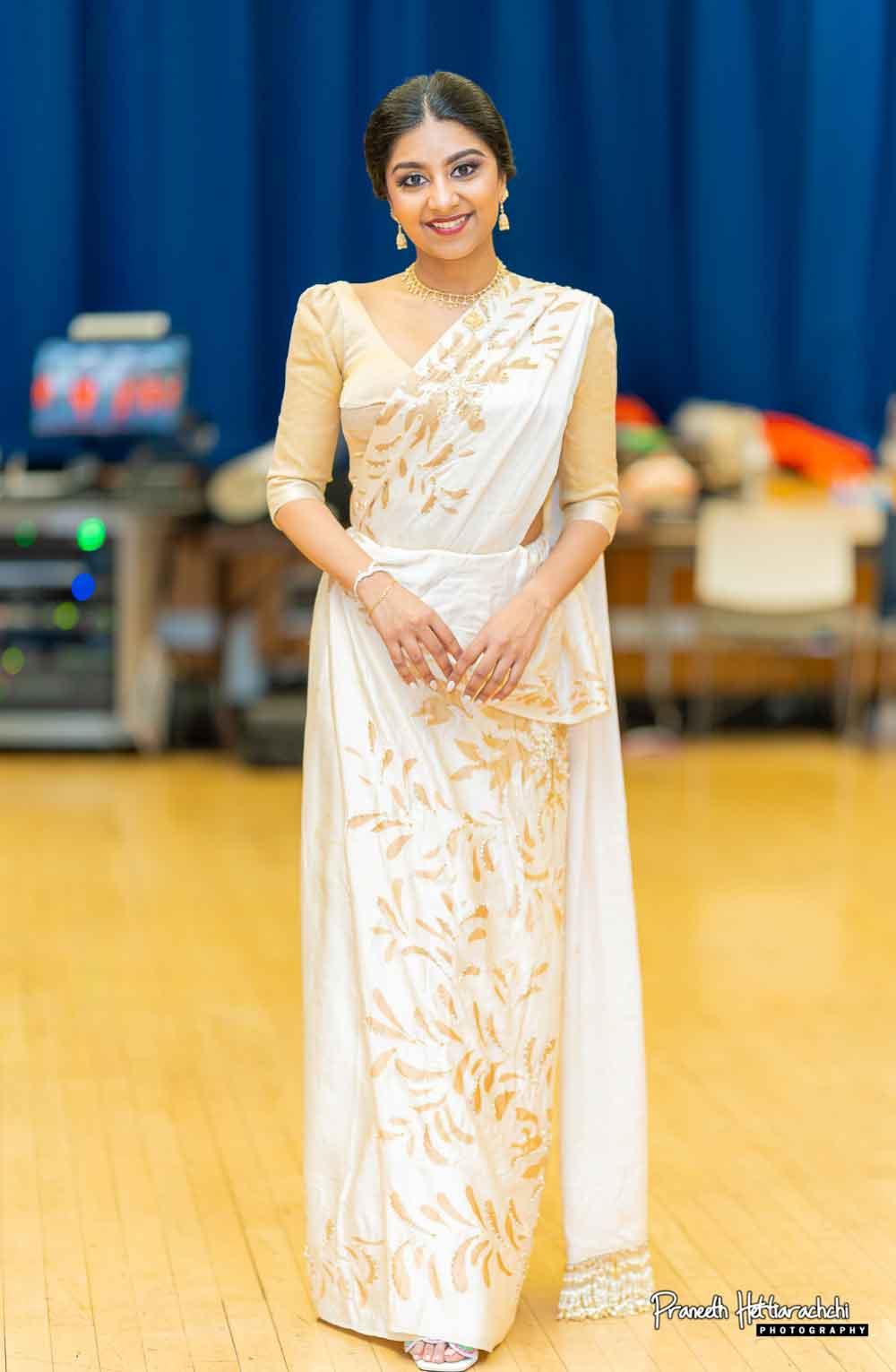
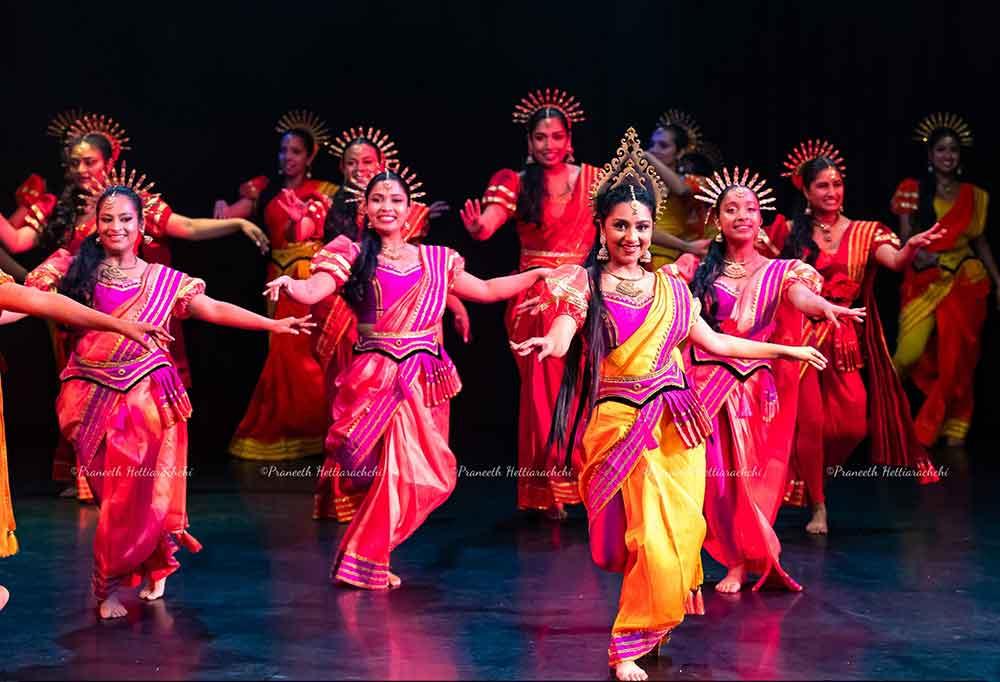
For Dilini Seneviratne, Kandyan dance is far more than a performance. It is a lifelong commitment to preserving one of Sri Lanka's most treasured cultural traditions while introducing it to audiences around the world. From her early training in Sri Lanka to establishing the Kandyan Dancers Company in London, Dilini has dedicated her career to ensuring that traditional Sri Lankan dance continues to thrive beyond its borders. An award-winning performer, educator, author and cultural leader, she has created opportunities for hundreds of dancers while championing authentic representation of Sri Lankan heritage on international stages. Whether mentoring the next generation, publishing educational resources or producing large scale cultural performances, her work reflects a deep belief that tradition should not simply be preserved but shared with confidence and pride. In this exclusive interview, Dilini reflects on her remarkable journey, the importance of authenticity and her vision for the future of Sri Lankan performing arts.
Your journey with Kandyan dance has taken you from Sri Lanka to some of the United Kingdom's most prestigious stages. Looking back, what first inspired your passion for this art form and how has that passion evolved over the years?
My journey with Kandyan dance began in Sri Lanka during my primary school years. Like many Sri Lankan dancers, I was first introduced to the discipline through structured training where technique, precision and respect for tradition were at the heart of every lesson. At the time, I simply enjoyed dancing, but as I grew older, I realised it had become something much more significant. It became an important part of my identity and shaped how I understood my culture. Moving to the United Kingdom changed my perspective even further. Living away from home made me appreciate how deeply dance could connect people with their roots. Within the Sri Lankan community, performances became moments of nostalgia, celebration and belonging. I realised that dance had the power to unite generations and preserve traditions in ways that words sometimes could not. Today my passion extends well beyond performing. I find immense fulfilment in creating opportunities for others, mentoring young dancers and introducing Sri Lankan culture to audiences who may never have experienced it before. Seeing others discover the beauty and richness of Kandyan dance has become just as rewarding as stepping onto the stage myself.
As the founder of the Kandyan Dancers Company in London, what was your vision when you started and how has it grown into the cultural institution it is today?
When I founded the Kandyan Dancers Company, my vision was actually very simple. I wanted to create the opportunities that I wished had existed when I first arrived in the United Kingdom. I wanted dancers to have a place where they could train consistently, perform professionally and feel proud of their cultural heritage. At the same time, I wanted Sri Lankan dance to be recognised alongside other respected classical and cultural art forms rather than being something experienced only within our own community.
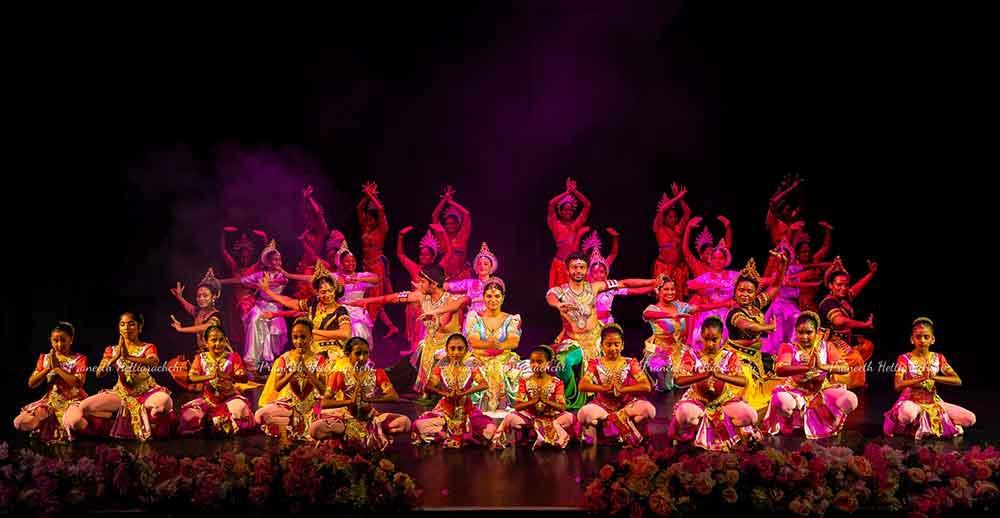
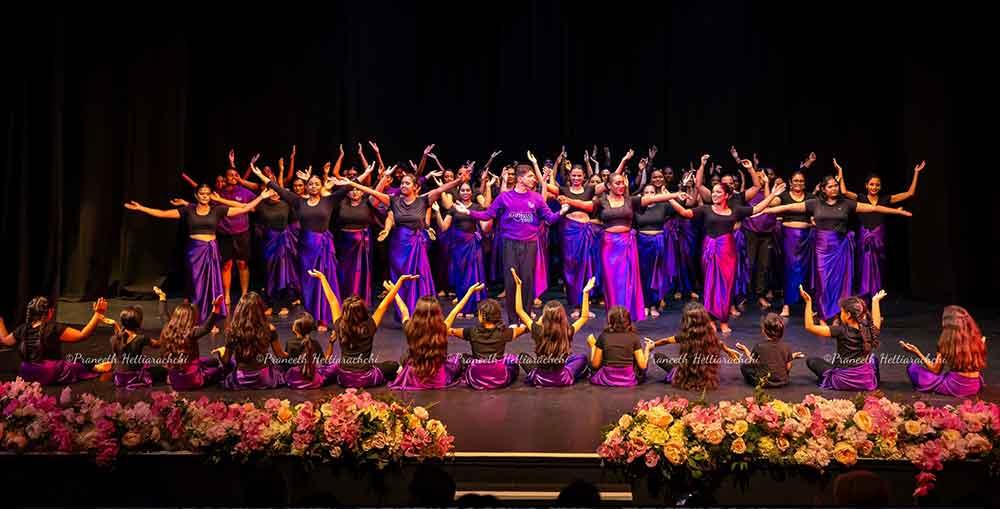
Over the years that vision has grown far beyond what I initially imagined. We have performed for major organisations, collaborated with respected cultural institutions, produced annual showcases including Narthana, published educational resources and welcomed hundreds of dancers into our programmes. The achievement I value most is not the number of performances we have presented. It is watching dancers develop confidence, leadership and a stronger sense of identity. Seeing people grow both personally and artistically has always been the true purpose behind the company.
You became the first Sri Lankan recipient of the Yuva Nritya Ratna Award in the United Kingdom. What did this recognition mean to you personally and professionally?
Receiving the Yuva Nritya Ratna Award in 2018 was an incredibly meaningful moment because it recognised not only my performances but also my efforts to represent Sri Lankan dance internationally. On a personal level, it reminded me that staying true to your cultural identity has value, even when you are building a career far away from home. One moment that has remained with me was speaking to the then High Commissioner of India to the United Kingdom, Yashvardhan Kumar Sinha, after the ceremony. He told me how pleased he was to finally see Sri Lanka represented at the awards. Hearing those words filled me with pride because for a brief moment I felt I was carrying my country's cultural heritage onto that stage. Professionally, the award encouraged me to think beyond performing. It gave me the confidence to pursue larger projects, publish educational work and continue creating opportunities for other dancers. Awards are wonderful milestones, but they are not the destination. For me, they simply reaffirm that the work is making a positive impact.
Beyond being a performer, you are also an educator and mentor. What do you believe is the most important lesson you pass on to your students?
The most important lesson I try to share with every student is to understand their purpose. Every dancer begins their journey for different reasons. Some dream of performing professionally, while others want to reconnect with their heritage, learn something new, build friendships or simply enjoy dancing. Whatever that reason may be, I encourage them to recognise it and stay true to it. Once you understand why you are there, everything else becomes much clearer. Of course, I teach technique, discipline and professionalism because those are essential foundations. However, I also want my students to leave with confidence, resilience and a genuine appreciation for the culture they represent. Dance teaches far more than movement. It develops character, commitment and respect for tradition.
During your university years, you founded the United Kingdom's first inter university classical dance competition, THAALA. What inspired this initiative and what impact has it had on young dancers?
While studying at the University of Southampton, I noticed there were many talented dancers across different universities but very few opportunities for them to come together through classical dance.
THAALA was created to provide that platform. It was never just about competition. It was about collaboration, encouraging higher standards and giving students the opportunity to perform, learn from one another and celebrate South Asian classical dance traditions together. Looking back, I am proud that it demonstrated there was both an appetite and a genuine need for initiatives like this. Sometimes creating opportunities is just as important as participating in them. I hope THAALA inspired young dancers to think beyond their own institutions and see themselves as part of a wider artistic community.
Your book, An Introduction to Kandyan Dance, has reached readers around the world. What inspired you to become an author and what gap were you hoping to fill through this publication?
The idea for the book came directly from my experience as a teacher. I realised there were very few accessible resources available in English for students learning Kandyan dance, particularly those studying outside Sri Lanka. I was repeatedly asked the same questions about the history of the dance, terminology, costumes, traditions and technique. I wanted to create a resource that brought all those foundations together in one place. Rather than writing an academic textbook, my aim was to produce an accessible introduction that anyone with an interest in Kandyan dance could understand. If the book has helped even a small number of dancers, teachers or researchers gain a deeper appreciation for this art form, then I feel it has achieved exactly what I hoped it would.
As someone living abroad, how do you stay connected to your Sri Lankan identity and how has your heritage shaped your work?
My Sri Lankan heritage influences everything I do. Whether I am choreographing, teaching, writing or organising cultural events, Sri Lanka remains at the centre of my work. I have never felt the need to separate my professional life from my identity because they are deeply connected. Living abroad has actually strengthened that relationship. Being away from home has made me appreciate the importance of preserving traditions while also presenting them in ways that are meaningful and accessible to diverse audiences. Every performance becomes an opportunity to share a part of Sri Lanka with someone who may never have experienced its culture before. That responsibility motivates me to ensure every production remains authentic while remaining engaging for modern audiences.
What role do you believe the Sri Lankan diaspora can play in preserving and promoting the country's cultural traditions internationally?
The Sri Lankan diaspora has an incredibly important role because wherever we live, we become cultural ambassadors. For me, authenticity is the key. There will always be room for creativity and innovation, but meaningful innovation should come from a place of understanding. Before we reinterpret traditions, we should first understand and respect them. If we remain authentic while presenting our culture in ways that are accessible to wider audiences, we can ensure these traditions continue to evolve without losing the qualities that make them unique. That balance between preservation and progress is essential for keeping our cultural heritage alive for future generations.
In your view, how can governments, educational institutions and cultural organisations better support traditional artists and cultural ambassadors?
The three biggest areas are funding, opportunities and spaces. Traditional artists often possess extraordinary knowledge and expertise, yet many lack access to the resources needed to share their work more widely. Investment should not focus solely on performances. It should also support education, research, community engagement and international collaborations. Equally important is access to rehearsal facilities, performance venues and long-term cultural partnerships. Sustainable support allows artists to develop lasting programmes instead of isolated events. When organisations invest in traditional arts, they are doing much more than funding performances. They are safeguarding cultural heritage and ensuring that future generations have the opportunity to experience these traditions in meaningful ways.
What advice would you give to young Sri Lankans who aspire to build international careers while remaining rooted in their culture?
My advice is simple. Be authentic. We live in an age where visibility can come very quickly. Technology and social media have made it easier than ever to reach audiences across the world, but they have also made it much easier for people to recognise what is genuine. Inspiration is an important part of every artist's journey. We all learn from those who came before us. However, there comes a point where you must stop trying to follow someone else's path and begin creating your own. True legacy is never built by recreating what already exists. It is built by contributing something honest that reflects your own experiences, values and perspective. The artists who leave the greatest impact are rarely remembered because they mastered imitation. They are remembered because they had the courage to become unmistakably themselves. That is the advice I would give every young Sri Lankan who hopes to build an international career. Learn from others, respect tradition and appreciate those who paved the way before you, but never lose sight of who you are. Your authenticity will always outlast imitation, and it is your unique voice that will ultimately define your legacy.