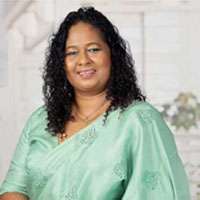
IN CONVERSATION WITH MAHESHA AMARASURIYA, DIRECTOR, INTERNATIONAL MARKETS, MASTERCARD SRI LANKA.
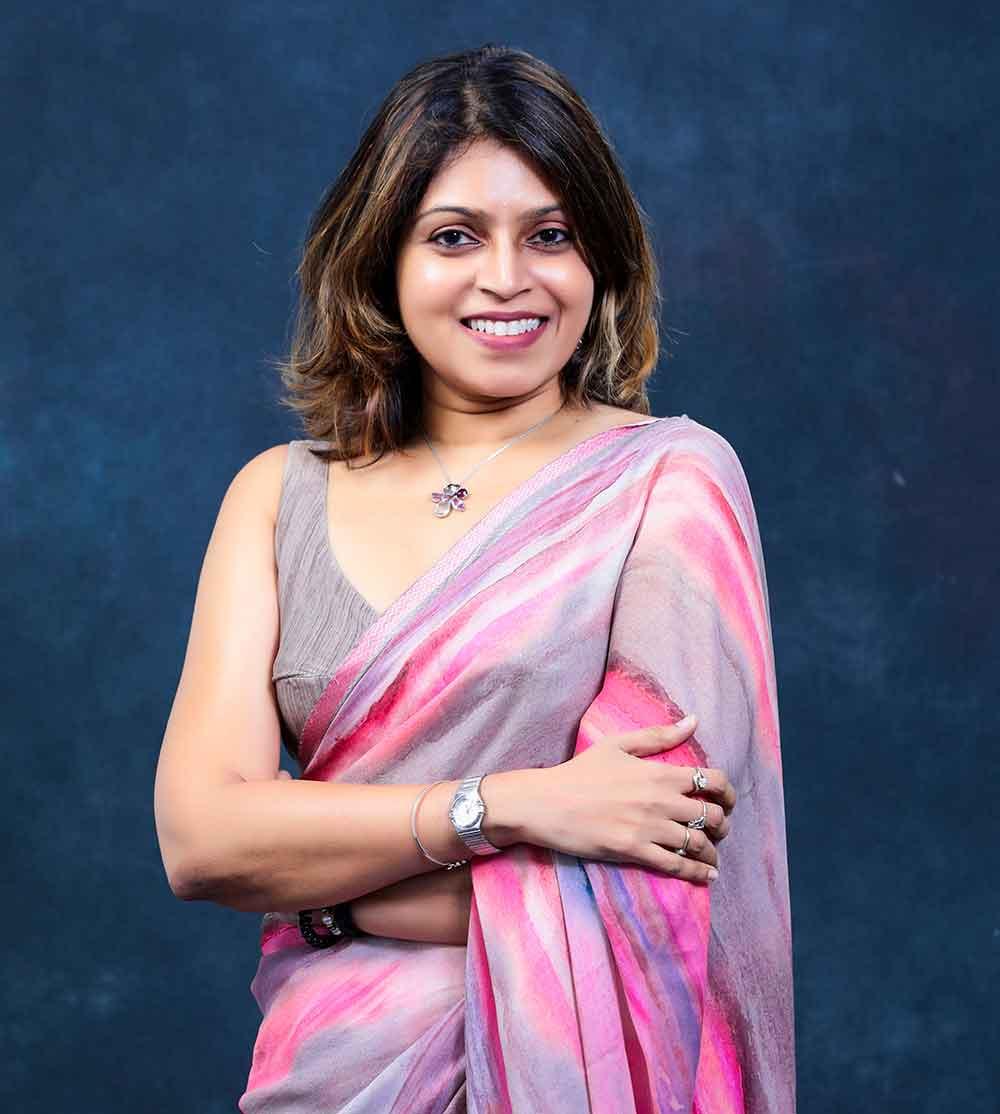
HER STORY. HER STRENGTH. BY: DR. SULOCHANA SEGERA
In an era where financial services are rapidly evolving through technology and digital innovation, women leaders continue to redefine the future of the industry with resilience, expertise, and vision. Mahesha Amarasuriya stands among those trailblazers who have not only carved a distinguished path in banking and electronic payments but have also become a strong voice for inclusion, mentorship, and leadership in South Asia’s corporate landscape. With more than two decades of experience spanning corporate banking, cards, electronic payments, and international markets, she has played a significant role in shaping Sri Lanka’s digital payments ecosystem. Currently serving as Director International Markets at Mastercard Sri Lanka, Mahesha’s journey reflects determination, adaptability, and the courage to embrace challenges. In this candid conversation, she reflects on her professional journey, the realities women face in leadership spaces, the importance of mentorship, balancing family and career, and the legacy she hopes to leave for future generations of women professionals.
Your career journey spans over two decades across banking, cards, and electronic payments. Looking back, what inspired you to enter the financial services industry?
Interestingly, financial services was not something I deliberately chose at the very beginning. It was more an opportunity that came my way. However, once I stepped into the industry, I quickly realized how dynamic and impactful it was, and I have never regretted that decision. The financial services sector creates real economic and social impact by enabling people to access financial systems and opportunities that can transform lives. That aspect deeply resonated with me. Over time, my career evolved into the technology and digital payments space, which I found even more exciting because of its constant innovation and rapid pace of change. Today, being part of the digital transformation journey and contributing towards the evolution of payments in Sri Lanka gives me immense professional satisfaction. It is rewarding to know that the work we do has a direct impact on businesses, consumers, and the country’s economic growth.
From Corporate Banking to leading International Markets at Mastercard in Sri Lanka, what have been some defining moments in your leadership journey?
There have been several defining moments throughout my career that shaped me as a leader. One significant milestone was stepping into leadership roles at a relatively early stage in my career. I had the opportunity to set up a Private Banking Centre and later became one of the youngest members of a corporate management team. Another defining experience was becoming one of the few female heads of Cards and Acquiring in the industry during a time when leadership positions in financial services were still heavily male dominated. Those experiences challenged me to grow quickly, make difficult decisions confidently, and lead teams with clarity and accountability.
My current role at Mastercard has been another pivotal chapter. Supporting Sri Lanka’s digital payment journey, collaborating with multiple stakeholders, and contributing towards the development of the country’s payment infrastructure has been both professionally fulfilling and personally meaningful. Being able to work on initiatives that shape the future of payments and financial inclusion is something I value deeply.
Many young women struggle with self confidence in leadership spaces. Was there ever a moment you doubted yourself, and how did you overcome it?
I believe self-doubt is something most professionals experience at different stages of their careers, regardless of gender. There were certainly moments when I questioned whether I was fully ready for certain responsibilities or challenges. However, what helped me overcome those moments was preparation, continuous learning, and remaining committed to personal and professional development. I also learned the importance of surrounding yourself with people who both challenge and support you. Mentors, colleagues, and leaders who encourage growth can make a tremendous difference in building confidence. Over time, experience naturally builds confidence. Leadership is not about having every answer immediately. It is about making informed decisions, being accountable for those decisions, and learning continuously through experience. I have realized that growth often happens outside your comfort zone, and the willingness to embrace uncertainty is an essential part of leadership.
As someone who has represented South Asia on the Global Council of CIMA, what did that experience teach you about global leadership and representation?
Serving on the Global Council of CIMA was an incredibly enriching experience. It reinforced for me that while markets, cultures, and economies may differ, the fundamental principles of leadership remain universal. Integrity, accountability, collaboration, and value creation are relevant everywhere in the world. The experience also highlighted the importance of representation. Bringing a South Asian perspective into global discussions ensured that the challenges, opportunities, and realities unique to our region were included in strategic conversations. Representation matters because global decisions become stronger when diverse perspectives are part of the dialogue. Another valuable aspect was the exposure to leaders from different industries and countries. The conversations, exchange of ideas, and networking opportunities helped me better understand diverse markets and leadership styles. It reinforced the importance of collaboration and inclusivity in shaping effective and sustainable leadership globally.
What are some of the biggest challenges women still face in the corporate and financial sectors, especially in South Asia?
Although significant progress has been made, challenges still remain, particularly when it comes to representation at senior leadership levels.
One of the most striking realities is that women often excel in education, including university education, sometimes even outperforming men academically, yet this is not reflected equally in labour force participation or leadership representation. Many women take on multiple roles as professionals, wives, mothers, and caregivers, and very often they consciously decide to step back from demanding corporate responsibilities to prioritize family needs. This is an area where organisations and society need to provide stronger support systems so women can remain and thrive within the workforce. Flexible work environments, better childcare support, mentorship opportunities, and inclusive workplace cultures are all essential to retaining talented women professionals. At the same time, I believe the narrative is slowly changing. More organisations are embracing diversity and inclusion, and more women are stepping into leadership positions, including in areas that were once considered male dominated. This progress is encouraging because it creates pathways and visibility for future generations of women professionals.
How important is mentorship in building future women leaders, and who were the mentors who influenced your own journey?
Mentorship is absolutely critical in developing future leaders. A good mentor provides guidance, perspective, encouragement, and sometimes simply the confidence needed to take the next step. Throughout my own career, I have been fortunate to work alongside mentors and leaders who trusted me with responsibility, encouraged me to take on challenges, and supported my professional growth. Some mentors influenced me through direct guidance, while others inspired me through their leadership styles and the standards they upheld. Those experiences shaped the way I approach leadership today. I also strongly believe in paying that support forward. As leaders, we have a responsibility to create opportunities for others, encourage young professionals to step outside their comfort zones, and help them recognise their potential. Mentorship is not only about career advice. It is also about helping people believe in themselves and grow with confidence.
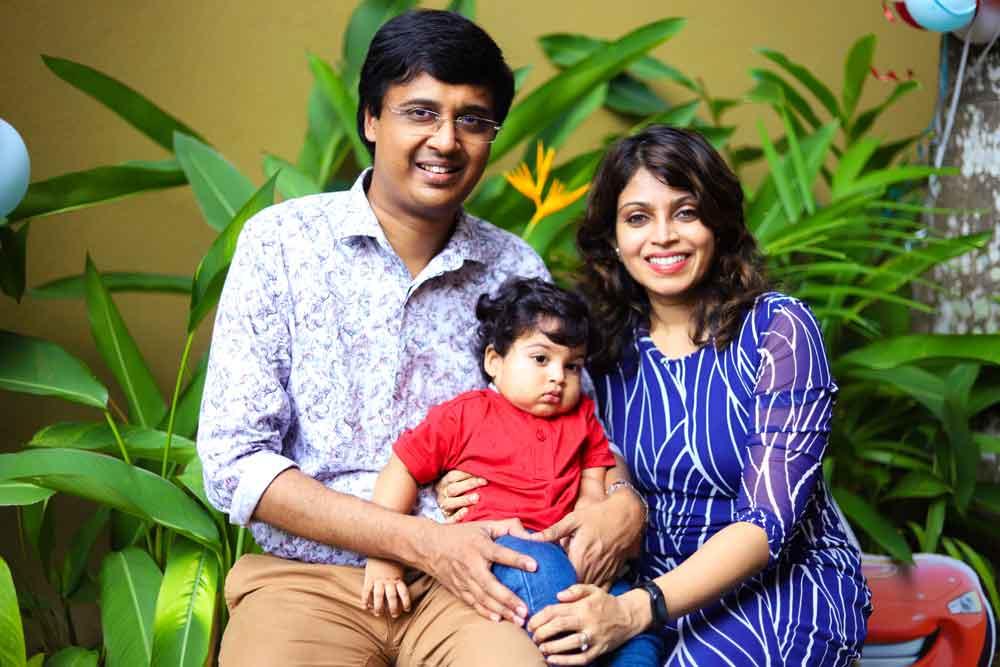
Being the wife of a highly respected legal leader in Sri Lanka and a mother, how do you successfully balance your personal life, family responsibilities, and a demanding corporate career?
For me, balance is about accepting imperfection and understanding that priorities evolve during different phases of life. There are periods when career responsibilities demand greater attention, and there are times when family naturally becomes the primary focus. What matters most is being fully present in whichever role you are playing at that particular moment. I believe having a strong support system is extremely important. Family members, colleagues, and people around you who understand and support your priorities make a significant difference in managing responsibilities effectively. It is also important to be clear about your priorities and to recognise that balance is not static. It changes over time depending on circumstances, responsibilities, and personal growth. Rather than striving for perfection, I focus on doing the best I can in every role I undertake, whether as a professional, wife, mother, or daughter.
There is often an accusation that women in leadership do not create opportunities or pathways for other women to succeed. What is your perspective on this, and how important is it for women leaders to mentor and uplift the next generation of women professionals?
I believe leadership comes with the responsibility to uplift others, regardless of gender. However, it is particularly important for women leaders to actively support and mentor other women because representation and encouragement can have a lasting impact. A strong leader does not feel threatened by the capabilities of others. In fact, the strength of a team reflects the strength of its leader. A leader does not need to be the smartest person in the room. Rather, a good leader creates an environment where talented individuals can grow, contribute, and succeed collectively. Women leaders especially have the opportunity to create pathways for younger women by mentoring them, advocating for inclusivity, and helping break outdated stereotypes. When women support other women, it creates a ripple effect that benefits organisations, industries, and society as a whole.
What legacy do you hope to leave behind for future generations of women professionals in Sri Lanka and beyond?
I hope to be remembered as someone who created meaningful impact beyond titles and positions. Professional achievements are important, but ultimately, what matters most is the positive influence you have on people and society. I often ask myself a simple question. How many genuine relationships and friendships will remain when positions and titles no longer exist? To me, that is the true measure of impact and leadership. Whether through driving digital inclusion, building strong partnerships, mentoring future leaders, or contributing to the growth of Sri Lanka’s financial ecosystem, I hope my journey encourages others to pursue excellence while remaining grounded in values and humanity.
Finally, what message would you like to share with young women who aspire to dream bigger but are afraid to take the first step?
My message would be simple. Start, even if you do not feel fully ready. Growth rarely happens within your comfort zone. Believe in your abilities and trust yourself more. When opportunities or challenges come your way, embrace them instead of fearing them. Sometimes you may feel as though you have been thrown into the deep end, but that is often where the greatest learning happens. Keep pushing forward, keep learning, and keep swimming as hard as you can because eventually, you will find your footing. Confidence is not something you are born with. It is something you build through experience, resilience, and perseverance. Every successful leader once started from a place of uncertainty. The key is to take that first step and continue moving forward with courage and determination.