Sri Lanka’s Seasonal and Rare Fruits: A Taste of the Island
Sri Lanka is a land blessed with a rich tropical climate, fertile soil and an extraordinary variety of fruits that bring colour, flavour and character to everyday life. Across the island, fruit is an essential part of the Sri Lankan experience. From bustling city markets and village fairs to small roadside stalls overflowing with freshly harvested produce, the abundance of fruit reflects both the richness of the land, and the close relationship Sri Lankans have with nature.
Familiar favourites such as mango, banana, papaya, watermelon and pineapple can be found throughout much of the year. Yet there is another category of fruit that creates a very different kind of excitement. These are the seasonal and sometimes increasingly rare fruits that appear for a limited period and are eagerly anticipated by those who know and love them.
Mangosteen, rambutan, amla, durian, star fruit and lovi lovi are among the fruits that have captured the imagination and taste buds of generations of Sri Lankans. Some are celebrated for their sweetness, others for their sharp or unusual flavours. Some have become highly sought after seasonal delicacies, while others remain hidden treasures associated with home gardens, traditional recipes and childhood memories.
What makes these fruits particularly special is that their appeal goes far beyond taste. They tell stories of family journeys, school holidays, visits to grandparents, roadside stops and recipes handed down through generations. Their arrival often signals a particular moment in the year, reminding us that some of the best things in nature are worth waiting for.
The Queen of Fruits
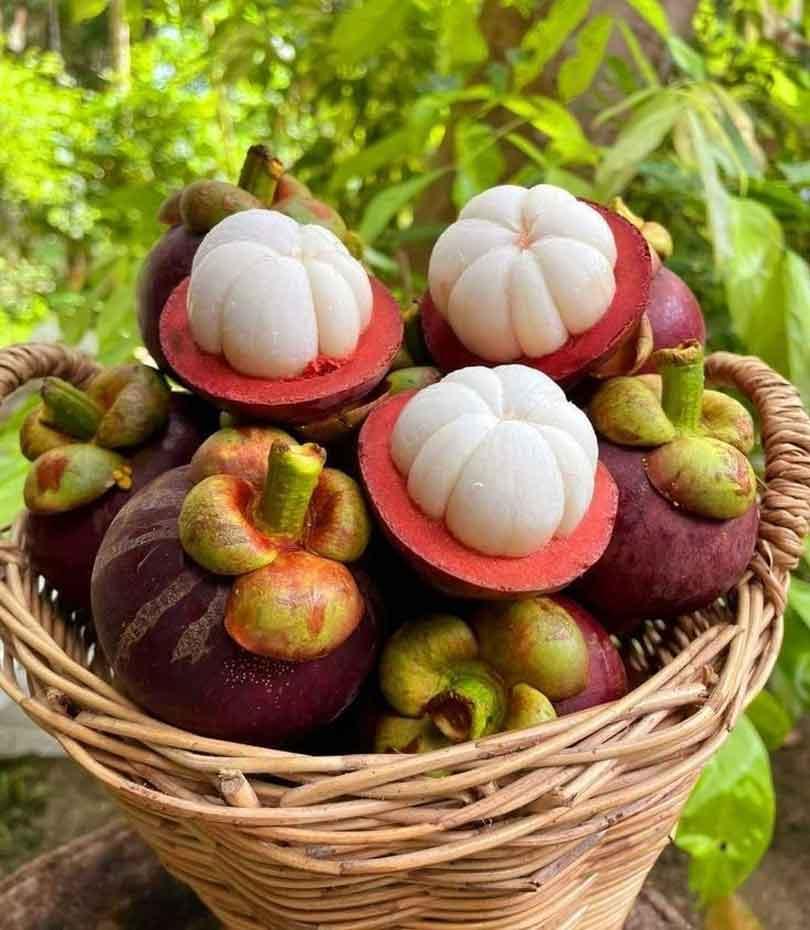
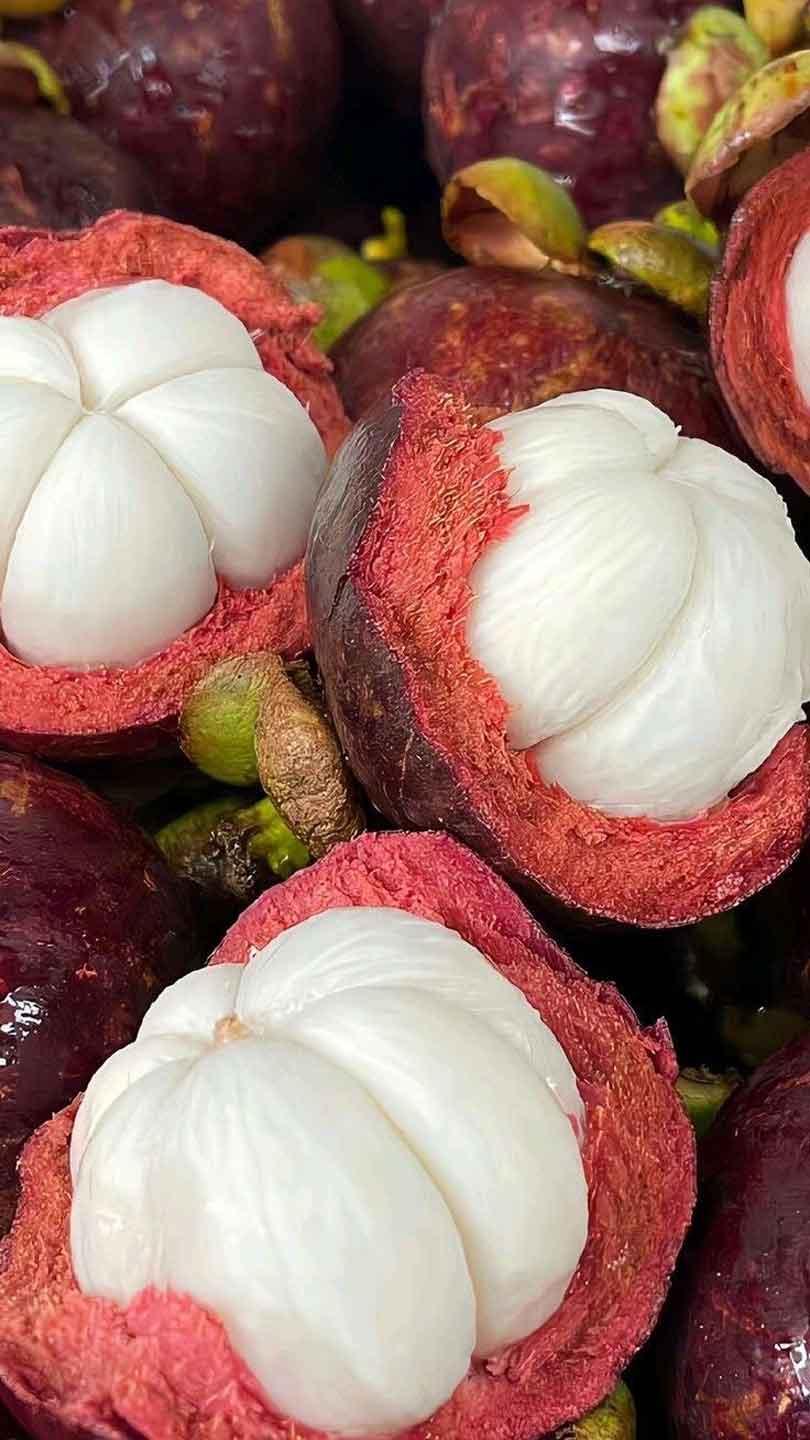
Among Sri Lanka’s most celebrated seasonal fruits, mangosteen holds a special place. Often called the Queen of Fruits, mangosteen is immediately recognisable by its deep purple exterior and distinctive green crown. Beneath its thick outer shell are delicate white segments of juicy flesh with a wonderfully balanced flavour that combines sweetness with a gentle tang.
Opening a mangosteen is part of the experience. The thick purple rind gives way to the soft white fruit inside, creating a striking contrast in colour and texture. The flesh is tender, fragrant and refreshing, making it especially enjoyable in Sri Lanka’s warm tropical climate.
Mangosteen season is eagerly awaited because the fruit is not something that can traditionally be enjoyed fresh throughout the year. Its limited availability adds to its appeal. When the season begins, piles of purple mangosteens appear at markets and roadside fruit stalls, immediately attracting customers who have been waiting months for their return.
For many Sri Lankans, mangosteen is also associated with travel. Families driving through fruit growing regions often stop at roadside stalls to select bags of freshly harvested fruit. These spontaneous stops can become memorable parts of a journey, with everyone sharing mangosteens in the car or taking them home for relatives and friends.
There is something wonderfully nostalgic about the mangosteen season. It represents anticipation, abundance and the pleasure of enjoying something at exactly the right time of year.
The Colourful Rambutan Season
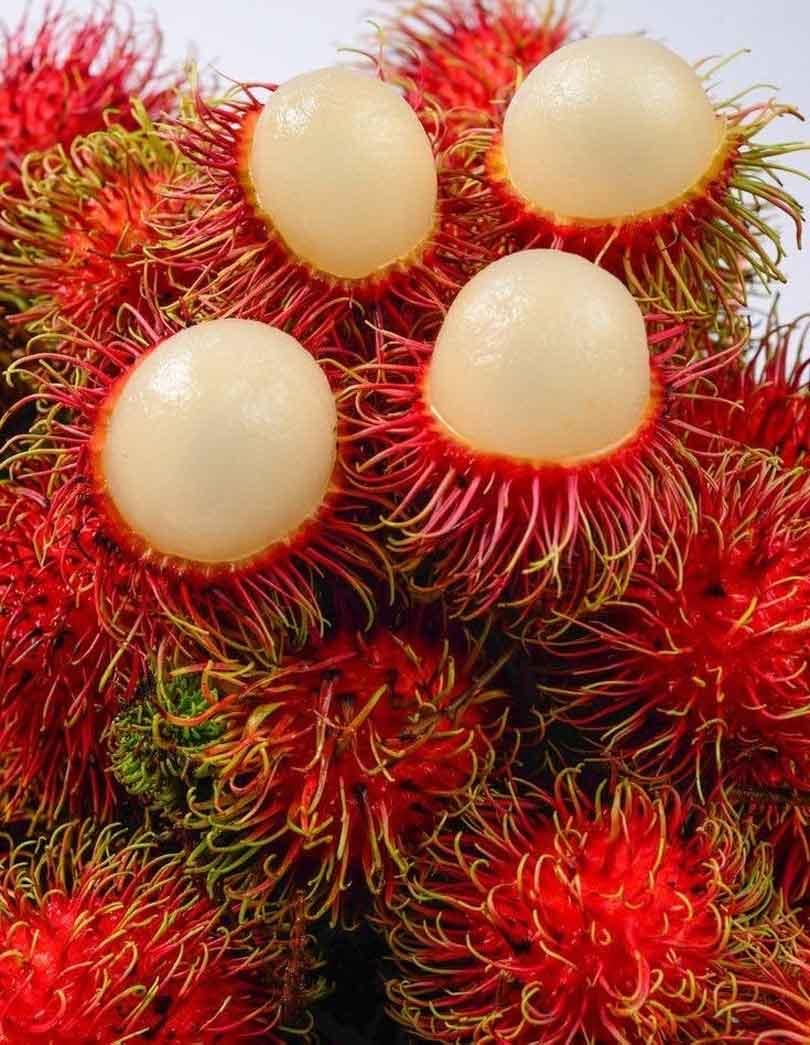
Few fruits announce their arrival quite as dramatically as rambutan. With its vivid red or yellow skin covered in soft, hairlike projections, rambutan is one of the most distinctive fruits found in Sri Lanka.
Once the colourful exterior is opened, it reveals translucent, juicy flesh surrounding a seed. The flavour is sweet, refreshing and gently fragrant. Eating rambutan can quickly become irresistible, with one fruit inevitably leading to another.
Rambutan season creates considerable excitement across Sri Lanka. Areas famous for rambutan cultivation become destinations in their own right as people travel to buy fresh fruit directly from growers and roadside vendors. Stalls overflowing with bunches of colourful rambutan are a familiar and much-loved sight during the season.
For many people, rambutan carries powerful childhood memories. It may recall school holidays, family visits or afternoons spent sitting around a table with a large bag of freshly bought fruit. Children often enjoy the process of breaking open the colourful skin almost as much as eating the fruit itself.
This connection between rambutan and memory is one reason the fruit remains so loved. Its arrival is not simply another harvest. It is a seasonal event that many people recognise and look forward to every year.
Amla and Its Distinctive Character
While mangosteen and rambutan are loved primarily for their sweetness, amla offers a completely different experience.
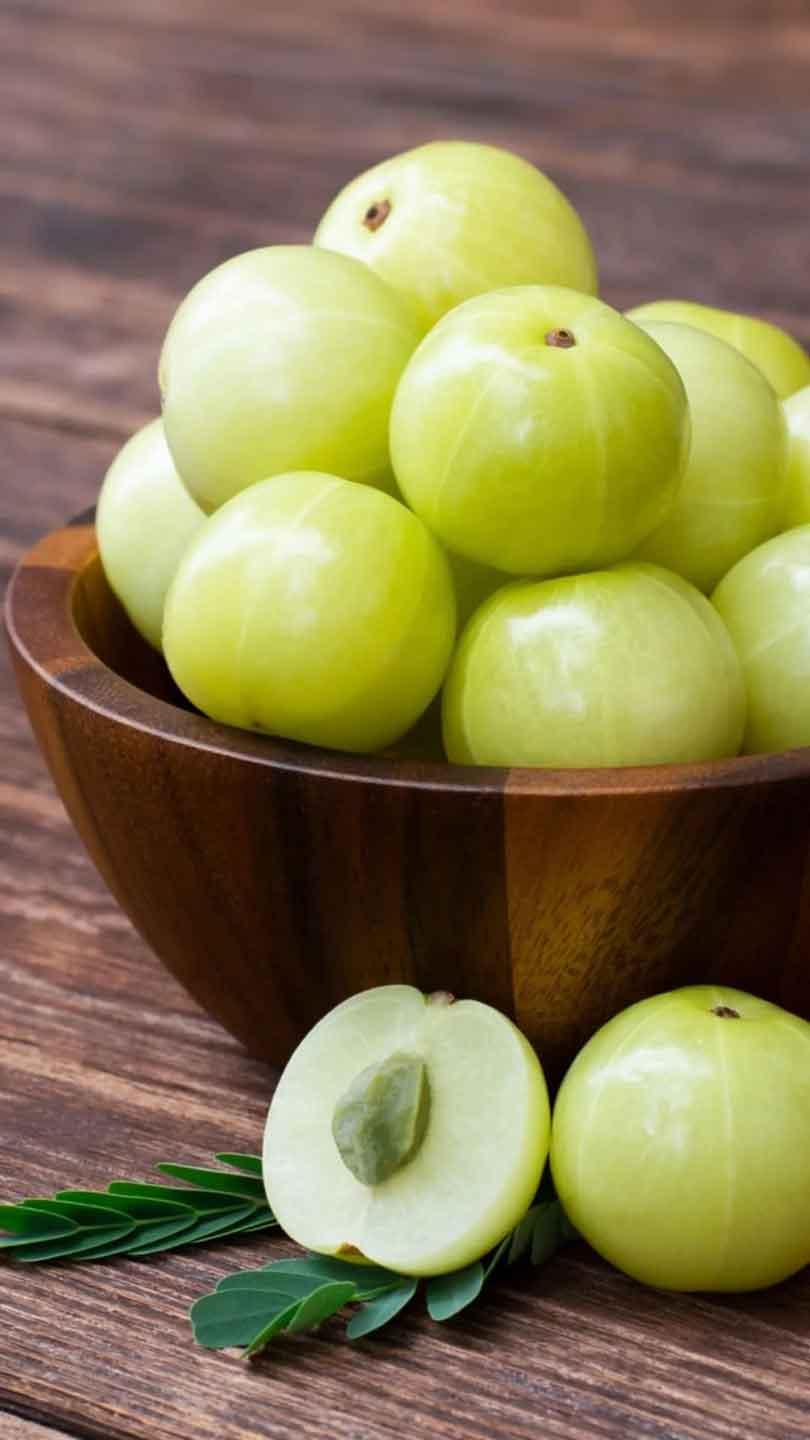
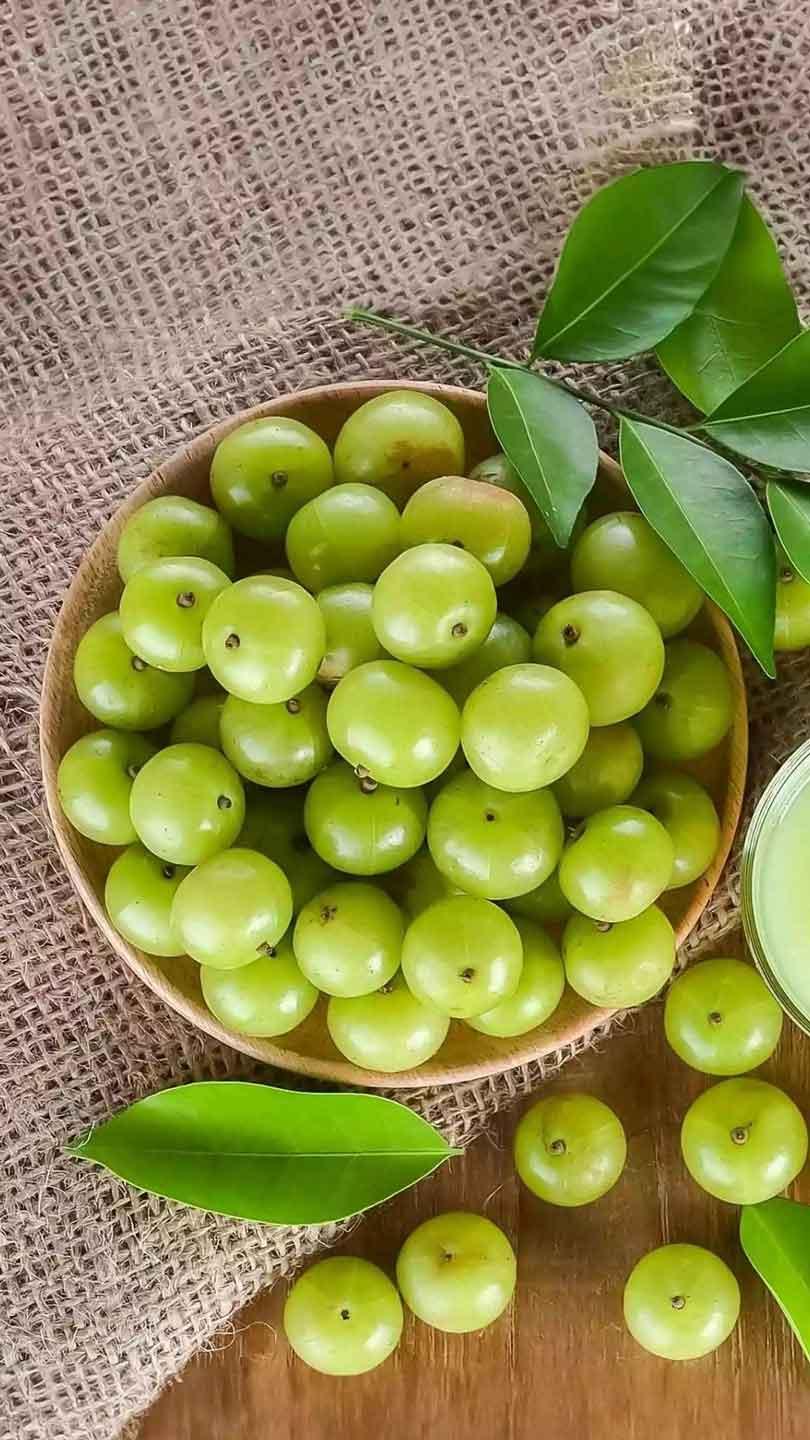
Also known as Indian gooseberry, amla is a small, round, green fruit with a remarkably complex flavour. The first bite can be intensely sour and slightly bitter, but this is often followed by an unexpected sweetness that develops afterwards. It is this unusual combination that makes amla so distinctive.
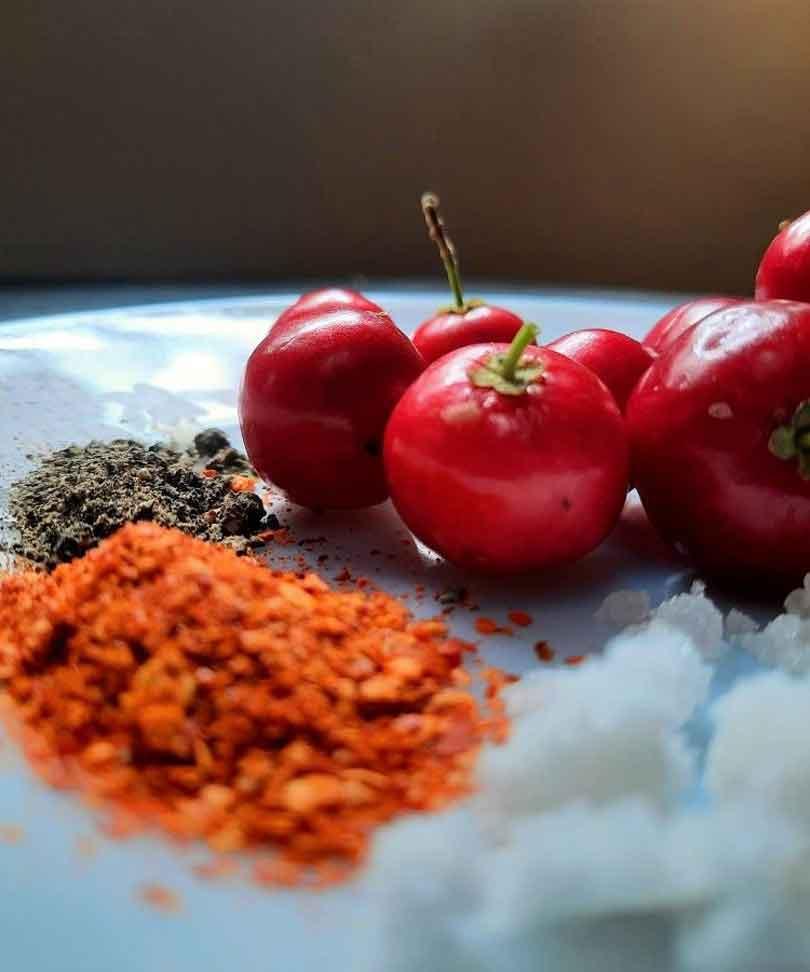
In Sri Lanka, amla can be enjoyed in several ways. Some people eat it fresh, sometimes with salt and chilli, while others prefer it prepared as juice, preserves, pickles, sweets or dried snacks.
Amla has also been valued for generations in traditional food and wellness practices. It is naturally rich in vitamin C and contains antioxidants, contributing to its reputation as a fruit associated with health and wellbeing.
Unlike the colourful rambutan or elegant mangosteen, amla may appear relatively simple. Yet its appeal lies precisely in its strong character. It is a fruit that surprises the palate and demonstrates just how diverse Sri Lanka’s fruit culture can be.
The King of Fruits
If mangosteen is known as the Queen of Fruits, durian has famously earned the title of King of Fruits.
Few fruits inspire such strong opinions. Durian is instantly recognisable by its large size, hard thorn covered shell and famously powerful aroma. For some, the smell can be challenging. For devoted durian enthusiasts, however, the aroma is simply part of an extraordinary eating experience.
Inside the formidable exterior is rich, soft and creamy flesh. Its flavour is difficult to compare with any other fruit. It can be sweet, deeply aromatic and almost custard like in texture, creating an experience that is unmistakably durian.
In Sri Lanka, durian is a seasonal delicacy with a loyal following. Enthusiasts eagerly wait for the harvest and often know exactly where to find their preferred fruit sellers. Selecting the right durian can itself become something of an art, with experienced buyers looking for signs that indicate perfect ripeness.
Durian is certainly not a fruit that disappears quietly into the background. It demands attention. Whether someone loves it or avoids it completely, it remains one of the most fascinating fruits found in the tropical world.
The Refreshing Star Fruit
Star fruit, also known as carambola, brings another dimension to Sri Lanka’s diverse fruit landscape.
Its name comes from its distinctive appearance. When the elongated fruit is sliced crosswise, each piece forms a beautiful star shape. This makes star fruit particularly attractive for fruit platters, drinks and decorative dishes.
Its flavour varies according to variety and ripeness. Some star fruits are sweet and juicy, while others have a noticeably sharper and more sour character. This versatility allows the fruit to be enjoyed in different ways.
Fresh star fruit can be eaten on its own, while it is also used in juices, salads, pickles and other preparations. Its crisp texture and refreshing flavour make it especially enjoyable in warm weather.
Although star fruit may not generate the same seasonal excitement as rambutan or mangosteen, it remains one of the island’s most visually distinctive fruits. Its unusual shape is a reminder of the extraordinary diversity that can be found in tropical nature.
Rediscovering Lovi Lovi
Among the lesser-known treasures of Sri Lanka’s fruit world is lovi lovi.
For those who grew up with lovi lovi trees in home gardens or encountered the fruit in rural areas, its distinctive flavour can bring back powerful memories. Yet younger generations and people living in more urban environments may be less familiar with it today.
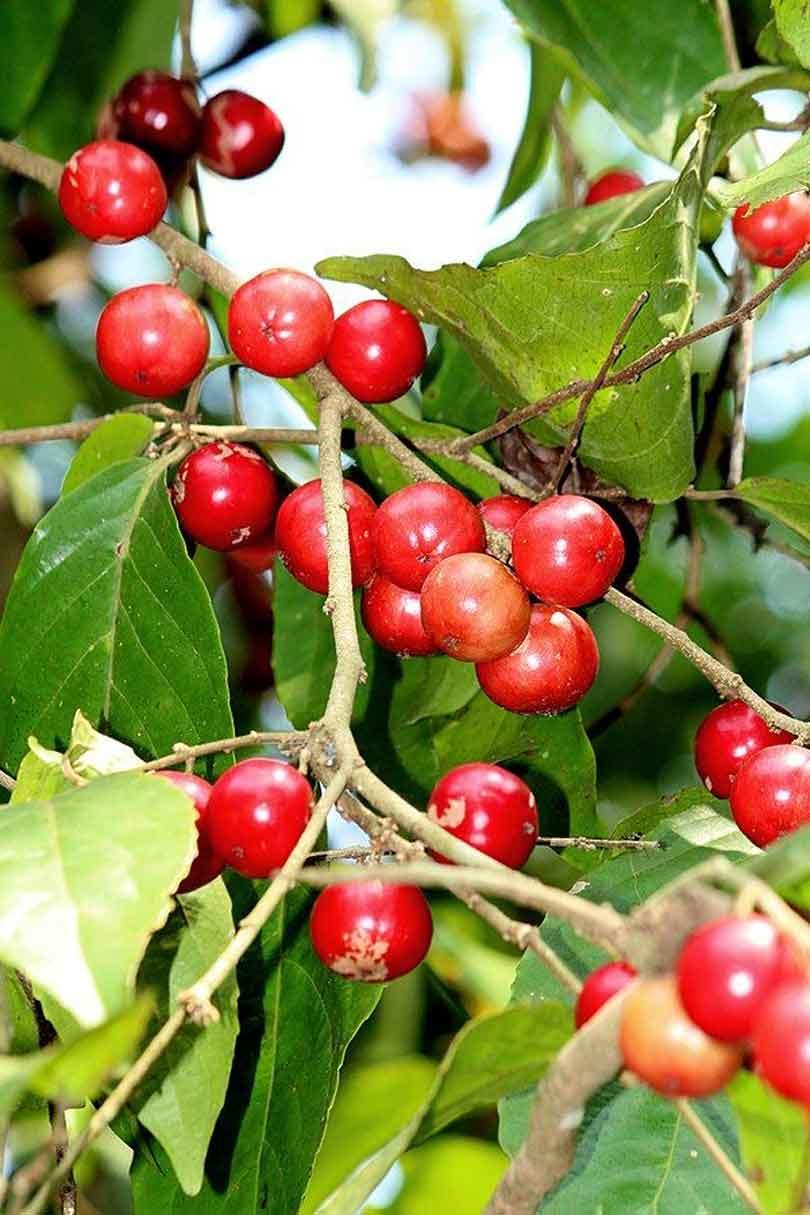
Lovi lovi fruits are relatively small and change colour as they mature. Their flavour combines sweetness with a noticeable sourness, making them particularly suitable for preserves and traditional preparations.
Over the years, lovi lovi has been used to make jams, chutneys and other preserves. Its naturally sharp character works particularly well when combined with sugar or spices, creating flavours that are both vibrant and memorable.
The fruit also represents something increasingly important in Sri Lanka’s changing food landscape. As commercial agriculture and modern supermarkets place greater emphasis on widely recognised varieties, some traditional and lesser-known fruits can become more difficult to find.
Preserving awareness of fruits such as lovi lovi therefore means preserving part of the island’s culinary heritage. These fruits tell us something about how previous generations ate, cultivated their gardens and made use of the produce growing naturally around them.
More Than Just Fruit
Sri Lanka’s seasonal fruits are much more than something to eat. They form part of the island’s cultural identity and its relationship with the natural environment.
They support farmers, growers, market traders and roadside vendors whose livelihoods are connected to the seasonal harvest. When people choose locally grown fruits, they are also supporting agricultural communities and helping to maintain the cultivation of varieties that have been part of Sri Lankan life for generations.
Seasonal fruits also teach us to appreciate nature’s timing. In a modern world where consumers have become accustomed to finding the same produce throughout the year, there is something special about waiting for a particular fruit to return.
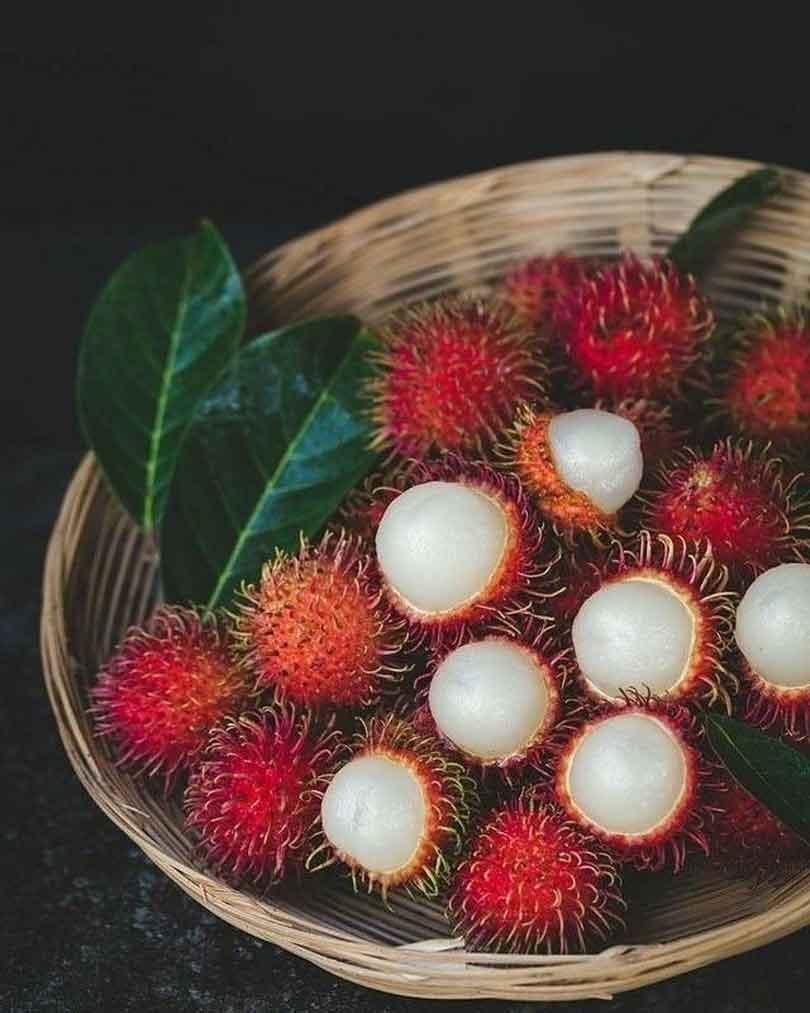
The first roadside stalls filled with rambutan create excitement precisely because they have not been there all year. Mangosteen tastes more precious because its season is limited. Durian enthusiasts eagerly anticipate the moment when their favourite fruit becomes available again.
This rhythm encourages people to enjoy produce when it is naturally at its best.
A Taste of Sri Lankan Life
From the sweetness of rambutan and the delicate flavour of mangosteen to the intensity of durian, the refreshing character of star fruit, the sharp complexity of amla and the nostalgic appeal of lovi lovi, Sri Lanka’s fruit landscape is remarkably diverse.
Each fruit offers something different, but together they tell a larger story about the island.
They remind us of journeys where families stop beside the road to buy fruit from local vendors. They bring back memories of school holidays and visits to grandparents. They recall home gardens where fruit trees once grew in abundance and kitchens where jams, pickles and preserves were prepared according to family recipes.
Most importantly, they connect generations.
In an era of supermarkets, imported produce and year-round availability, Sri Lanka’s seasonal and rare fruits continue to retain their magic. There is still excitement in seeing the first rambutan stalls of the season. There is still pleasure in opening a perfectly ripe mangosteen. There are still devoted durian lovers searching for the best fruit, and there is still joy in rediscovering something as traditional and distinctive as lovi lovi.
These fruits are gifts of Sri Lanka’s tropical landscape, but they are also part of its living heritage. They represent tradition, nostalgia, agriculture, family and the simple pleasure of eating something grown by the land around us.
From colourful markets and roadside stalls to home gardens and family tables, Sri Lanka’s seasonal fruits continue to add flavour and sweetness to island life. In every mangosteen opened, every bunch of rambutan shared and every forgotten fruit rediscovered, there is a small celebration of the remarkable tropical abundance that makes Sri Lanka unique.