The Dad Blues Are Real: Why 1 in 10 Fathers Struggle in Silence After a Baby Arrives

As we observe Men's Mental Health Awareness Month, it is important to shine a light on a rarely discussed but significant issue: the mental health of new fathers. The birth of a child is often described as one of life's happiest moments. Families celebrate, friends congratulate, and social media fills with smiling photographs of proud parents and newborn babies. Yet behind those smiles, many fathers quietly struggle with overwhelming emotions that they neither understand nor are at ease expressing.
Most people are familiar with postpartum depression in mothers, and rightly so. Greater awareness has helped many women obtain the support they need during an incredibly vulnerable period. However, far fewer people know that fathers can also experience postpartum depression. Research suggests that approximately 10% of fathers (around 1 in 10) experience symptoms of paternal postpartum depression during the first year after their baby is born, highlighting a significant yet often overlooked public health issue.
In my clinical practice, fathers often describe feeling exhausted, constantly irritated, emotionally disconnected, guilty, or overwhelmed long before they recognise these experiences as symptoms of depression. Many dismiss them as simply part of fatherhood, while others struggle in silence because they believe they should be able to cope. Paternal postpartum depression is a real, treatable condition that deserves greater recognition, understanding, and compassionate support.
The Unseen Biological Shift
There is a common misconception that becoming a father is mainly a psychological adjustment, while motherhood involves physical and biological change. Modern research tells a very different story.
The transition to fatherhood is accompanied by hormonal and neurological changes that help prepare men for caregiving and bonding. Testosterone levels often decrease, reducing aggressive and competitive behaviours while promoting nurturing responses. At the same time, hormones such as oxytocin, often called the "bonding hormone," and prolactin increase, helping fathers develop emotional closeness with their babies and become more responsive caregivers.
Modern brain imaging studies suggest that fatherhood is accompanied by measurable changes in brain regions involved in emotional regulation, attachment, and caregiving. We can observe clear shifts in the neural networks underlying emotional regulation and attachment. This tells us that the paternal brain is literally retooling itself to meet the demands of parenthood.
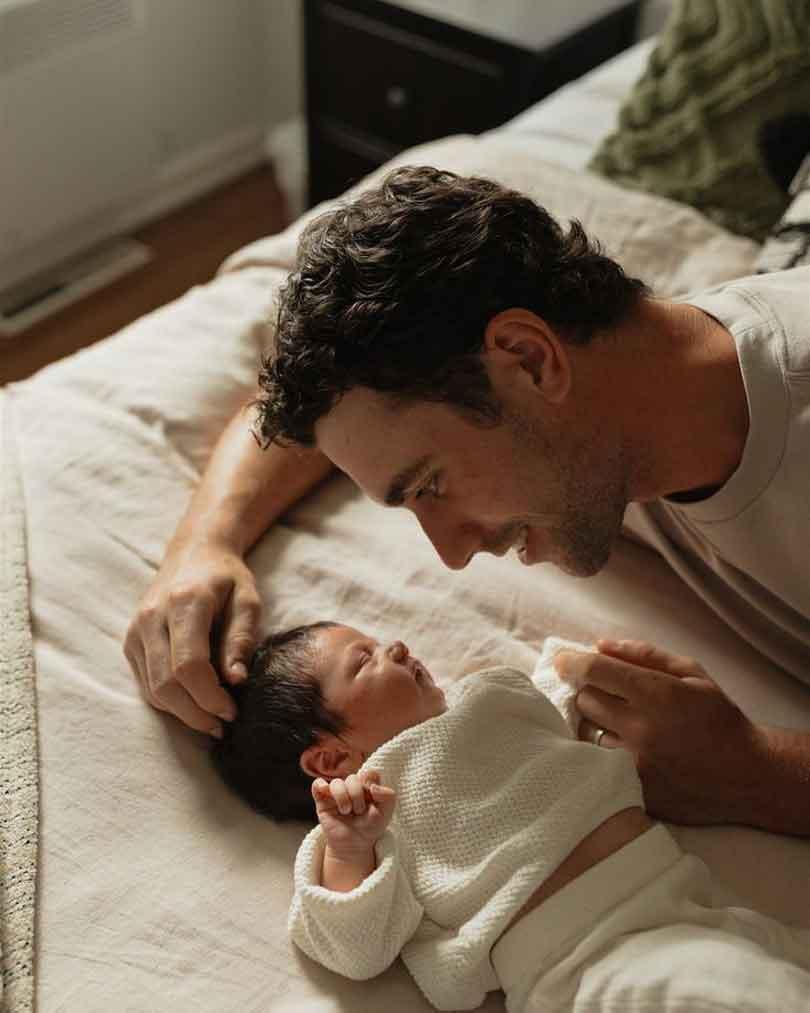
These biological adaptations help fathers become more involved parents. However, when combined with sleep deprivation, financial pressures, relationship changes, and the demands of caring for a newborn, they can also increase vulnerability to anxiety and depression. Recognising these biological changes helps us understand that paternal mental health is shaped by a combination of biological, psychological, and social factors rather than willpower alone.
Depression Doesn't Always Look Like Sadness
One of the biggest reasons paternal postpartum depression goes unnoticed is that it often presents differently from what people expect.When we think about depression, we often imagine someone who is tearful, withdrawn, or openly expressing sadness. Many fathers experience depression in much less obvious ways.
- Instead of crying, they become angry.
- Instead of talking, they work longer hours.
- Instead of asking for help, they isolate themselves.
- Instead of acknowledging emotional pain, they develop headaches, back pain, stomach discomfort, or constant fatigue.
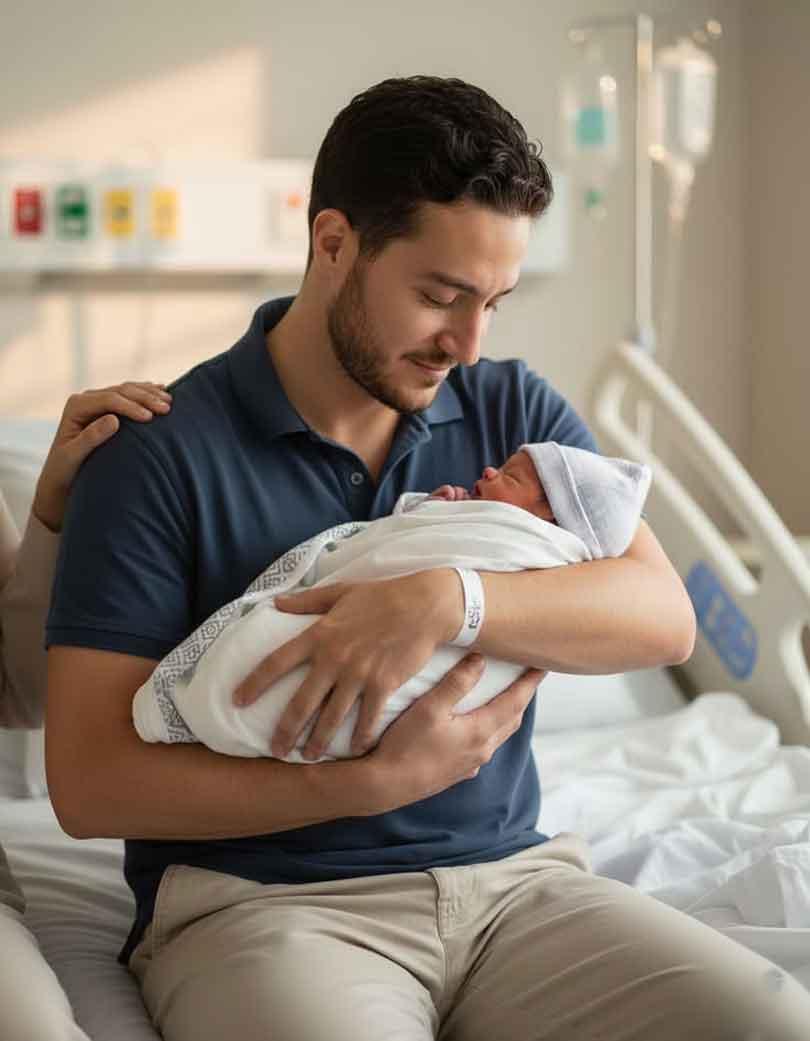
Some may turn to alcohol or engage in risky behaviours as a way of coping with emotional distress. Others may become emotionally numb, feeling disconnected from their partners, their babies, and even themselves. Imagine a father who returns to work just a few days after his child is born. He sleeps only a few hours each night, worries about household finances, tries to support his recovering partner, and feels responsible for holding everything together. Gradually, he becomes impatient, withdrawn, and irritable. His family assumes he is simply stressed, while he believes he is failing as a husband and father.What neither realises is that he may be experiencing paternal postpartum depression.Noticing these different presentations is essential because early intervention results in better outcomes for fathers and families alike.
The Burden of Masculinity
Many men are raised with messages that encourage emotional control and self-reliance.
- "Be strong."
- "Don't cry."
- "Handle your problems yourself."
These beliefs often become deeply ingrained and influence how men respond when they experience emotional distress.
For many fathers, admitting they are struggling feels like admitting they are weak or incapable. They worry that they should be grateful, happy, and able to cope with every challenge parenthood brings.As a result, many suffer silently. This silence is reinforced by society, where conversations around pregnancy and childbirth naturally focus on mothers. Fathers are often viewed as supporters rather than individuals who are also experiencing one of life's biggest transitions.In many cultures, fathers continue to feel pressure to be the primary provider while simultaneously trying to become emotionally available and actively involved parents. Dealing with these expectations can be highly stressful, particularly when combined with financial responsibilities and limited paternity leave. Changing these attitudes is essential. Seeking psychological support should never be viewed as a sign of weakness. It is a sign of self-awareness and responsibility.
The Ripple Effect on Families
A father's mental health affects far more than the individual. Research regularly shows that untreated paternal depression is associated with increased relationship conflict, poorer communication, reduced emotional intimacy, and lower parenting confidence.
Fathers experiencing depression may find it difficult to be emotionally available, participate in everyday interactions with their baby, and enjoy the simple moments that build a secure and loving parent-child bond.Children thrive through consistent, warm, and attuned interactions. When depression interferes with these experiences, children's emotional regulation, social development, and behavioural adjustment may also be affected.Partners are equally impacted. Maternal mental health and paternal mental health are closely connected, and distress experienced by one parent frequently influences the well-being of the other.Supporting fathers, therefore, strengthens the entire family system.
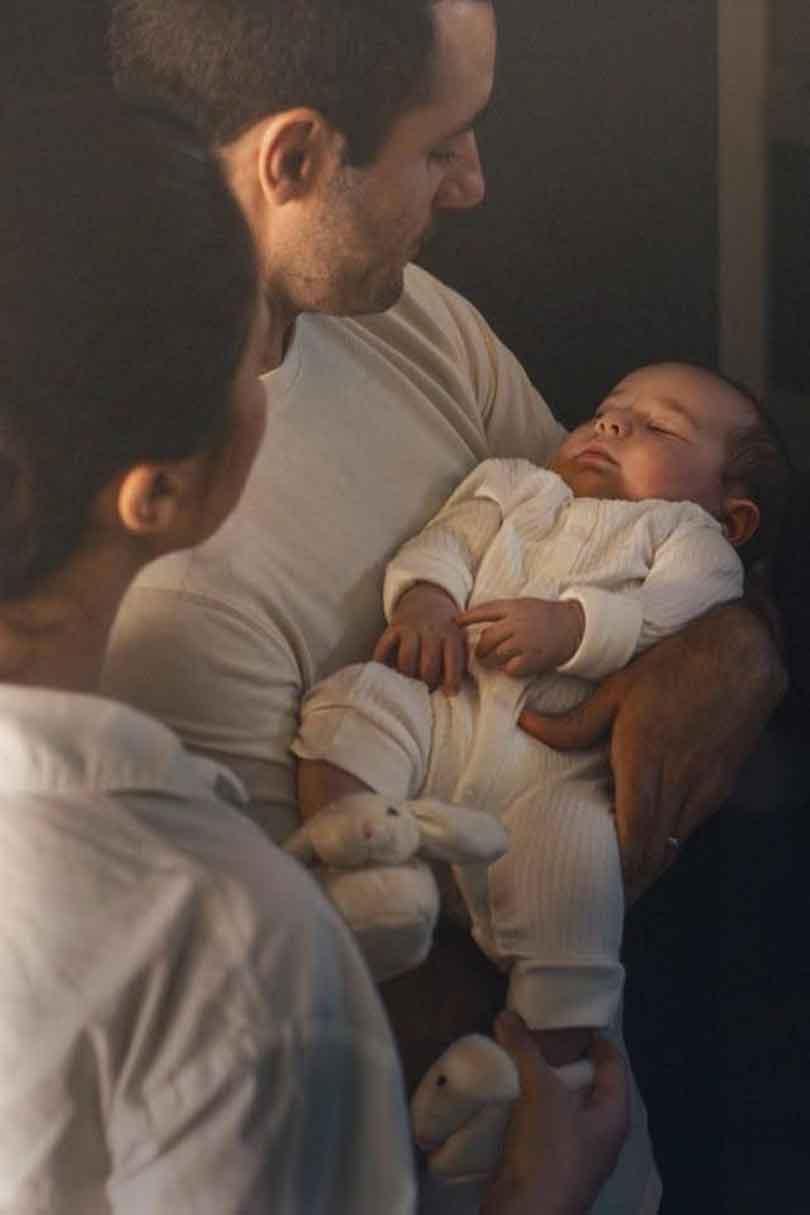
When fathers receive appropriate support, everyone benefits: the partner feels less isolated, the parent-child relationship improves, and children grow up in a more emotionally secure environment.
Who Is Most at Risk?
Although any father can experience postpartum depression, certain factors increase vulnerability. These include previous mental health difficulties, relationship conflict, financial stress, lack of social support, sleep deprivation, unexpected pregnancy complications, caring for a baby with medical concerns, and having a partner who is also experiencing postpartum depression or anxiety. Major life transitions often bring uncertainty, and parenthood is among the most significant transitions a person will experience. Recognising these risk factors enables families and healthcare professionals to identify fathers who may need extra support before problems become overwhelming.
Breaking the Silence
The good news is that recovery is possible, and effective support is available.The first step is recognising that emotional struggles during fatherhood are common and valid. Fathers should pay attention to persistent irritability, emotional unresponsiveness, hopelessness, excessive worry, loss of interest in usual activities, or increasing withdrawal from family and friends.Talking openly with a trusted partner, friend, family member, or healthcare professional can be extremely helpful. Professional support via Cognitive Behavioural Therapy (CBT), interpersonal therapy, counselling, support groups, or medication, when appropriate, has been demonstrated to significantly improve symptoms. Simple lifestyle strategies also matter. Prioritising sleep whenever possible, maintaining regular meals, engaging in physical activity, spending quality time with the baby, and accepting practical help from others may all contribute to better mental well-being. Healthcare providers also have an important role in routinely asking fathers about their mental health rather than assuming they are coping.
A Shared Responsibility
Creating awareness about paternal postpartum depression is not only the responsibility of psychologists or psychiatrists. Families, workplaces, healthcare professionals, and communities all play an important role.Partners can encourage open conversations without judgment.Friends can check in and ask fathers how they are coping rather than focusing only on the baby.
Employers can promote flexible work arrangements and supportive paternity leave policies.Healthcare professionals can include fathers in discussions about emotional well-being during pregnancy and after childbirth.Sometimes, simply asking a new father how he is coping can be the first step towards getting him the support he needs.
This Men's Mental Health Awareness Month
Fatherhood is one of life's most meaningful journeys, bringing joy, love, uncertainty, responsibility, and transformation all at once. It is perfectly possible to deeply love your child while simultaneously feeling overwhelmed by the changes that parenthood brings.No father should feel ashamed for struggling. Strength is not about suppressing emotions but about recognising when support is needed and having the courage to seek it.This Men's Mental Health Awareness Month, let us remember that fathers also need care, understanding, and the opportunity to seek support without stigma.
ABOUT THE WRITER
Nimmi Dissanayake Udumalagala is a Consultant Psychologist and Mental Health & Psychosocial Practitioner. She can be contacted at nimmiu@gmail.com.