We’ve Overcomplicated Childhood. It’s Time to Trust It Again.
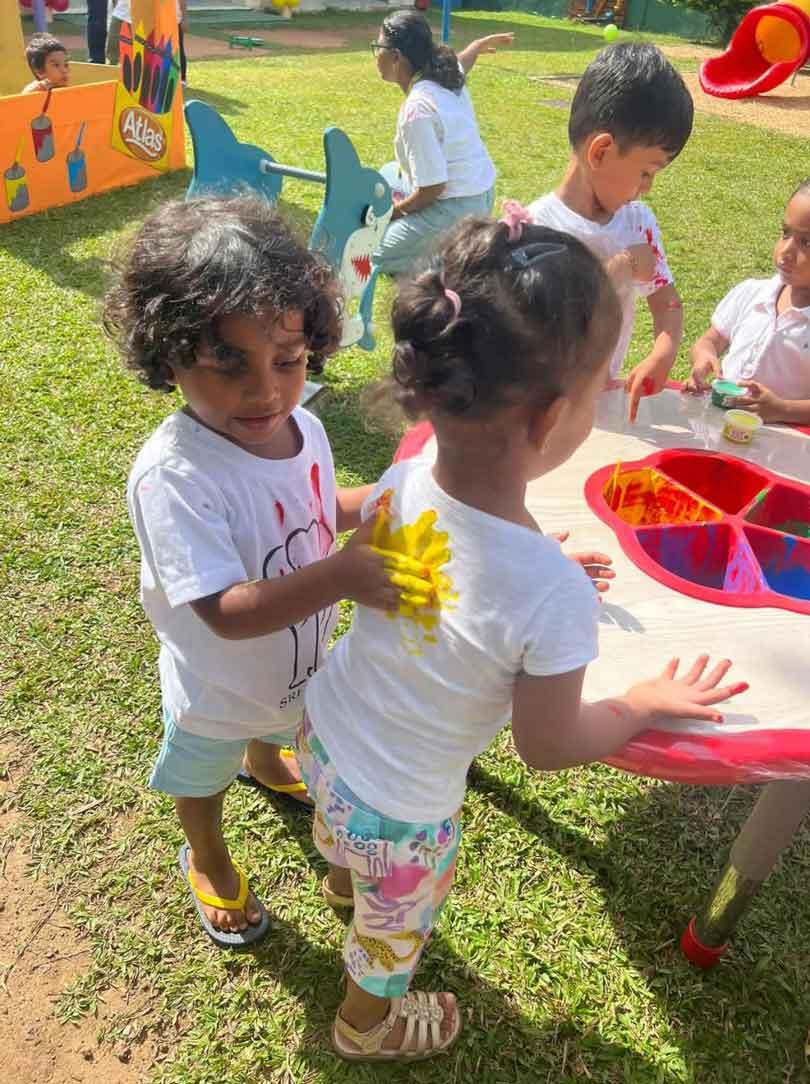
Somewhere along the way, we lost something. We stopped trusting childhood itself. We began to believe that children needed to be optimized. That every moment must be filled with purpose. That learning only happens when an adult is teaching. That we could measure, track, and accelerate our children into being something more than they already are. So, we bought flashcards to teach language. We enrolled them in structured activities to build skills. We searched for the perfect toys to develop their brains. We worried about creativity and found ways to teach it. We looked for problem-solving games to prepare them for life. And in doing all of this, we forgot something essential. Childhood was already doing the work.
The Optimization Trap
We live in an age of optimization. Productivity hacks. Efficiency tools. Lifehacks for everything. We have applied this mindset to parenting, and it has not served us well. We treat our children like projects to be managed rather than humans to be accompanied. We track milestones with the anxiety of a stockbroker. We compare our children's progress against charts and neighbours and the curated highlights of strangers on social media. We have turned childhood into something that needs to be "done right." As if there is a perfect formula. As if we could get it wrong and ruin them forever. This is exhausting. For us. And for them. But here is what we have forgotten - children are built to learn. It is what they do. It is what they are. They do not need us to optimize them. They need us to trust them.
Language Is Built Through Conversations, Not Flashcards
We buy flashcards to teach our children words. We point. We drill. We test. We feel proud when they can point to the right picture.
But language is not learned through flashcards. Language is learned through being spoken to. Through being listened to. Through having someone respond to their babbles and their questions and their endless "why" monologues.
Language happens in the kitchen while you are cooking and they are telling you about their day. It happens at bedtime when they are negotiating for one more story. It happens in the car when they are asking questions you cannot answer. It happens in the back-and-forth, the give-and-take, the ordinary rhythm of being with another person who is paying attention. The flashcards are not the teacher. You are. The conversation is.
Creativity Is Not Taught. It Is Protected.
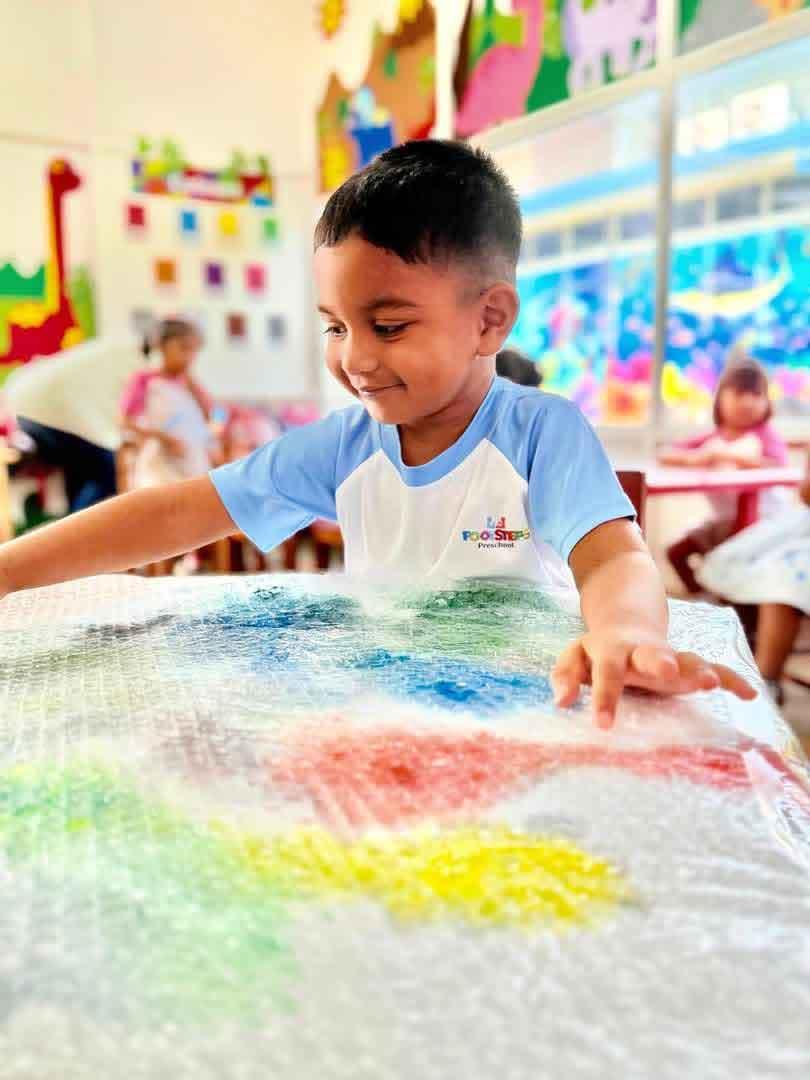
We worry about creativity. We look for ways to teach it. We buy art kits and creative toys and promise ourselves we will do more crafts.
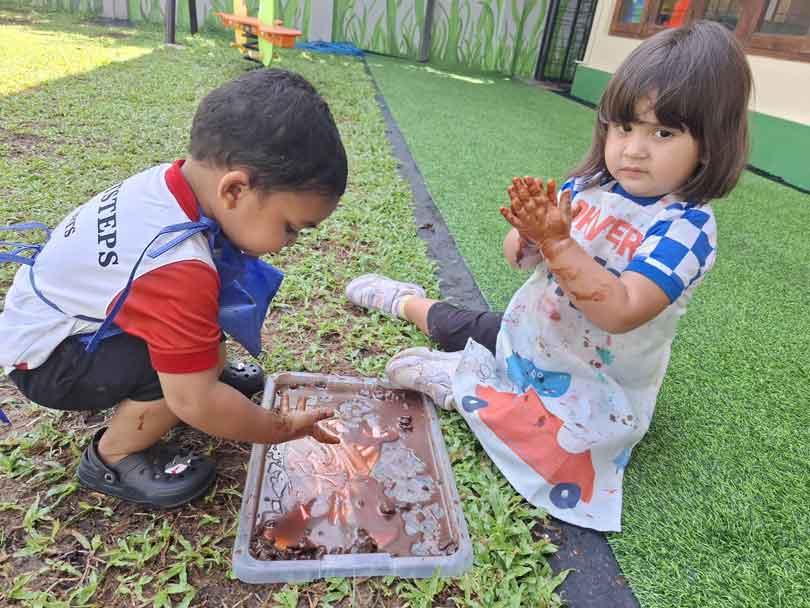
But children are creative. They do not need to be taught. They need to be left alone. They need time, space, and materials to explore. They need to be bored sometimes, so they can invent. They need to make messes and mistakes and discover things on their own.
A child with a cardboard box and no instructions is more creative than a child with a perfect toy and a manual. A child with time and freedom will invent games, build worlds, tell stories, solve problems. They do not need us to teach creativity. They need us to stop getting in its way.
Problem-Solving Is Play
We look for ways to teach problem-solving. We buy puzzles and logic games and apps that promise to build thinking skills. But play is the original problem-solving curriculum. Every time a child builds a tower, they are learning physics. Every time they argue over rules, they are practicing negotiation. Every time they try something and fail and try something different, they are learning persistence. They do not need a structured activity to learn how to solve problems. They need time to play. That is where problems appear. That is where they learn to solve them.
What Actually Builds Development
Child development is not built through perfect activities or carefully curated experiences. It is built through ordinary things.
Relationships. The child who is loved, held, responded to, and seen grows up feeling safe. And feeling safe is the foundation of all learning.
Play. The child who plays learns how the world works. They learn physics and social dynamics and cause and effect. They learn to imagine, to create, to persist.
Exploration. The child who is allowed to explore learns that the world is interesting and they are capable. They learn to take risks, to be curious, to discover.
Repetition. The child who reads the same book a hundred times or builds the same tower every day is not stuck. They are mastering. They are deepening understanding. They are building neural pathways through repetition.
Time. The child who is not rushed has time to notice, to wonder, to think. They are not performing. They are learning.
These things are not expensive. They are not complicated. They do not require special equipment or expertise. They just require us to trust that childhood itself is doing its work.
A Message to Tired Parents
If you are reading this and feeling guilty about the flashcards you bought or the activities you never got to or the Pinterest boards you abandoned, let that go. Your child does not need you to be perfect. They need you to be present. They need you to put down your phone and listen.
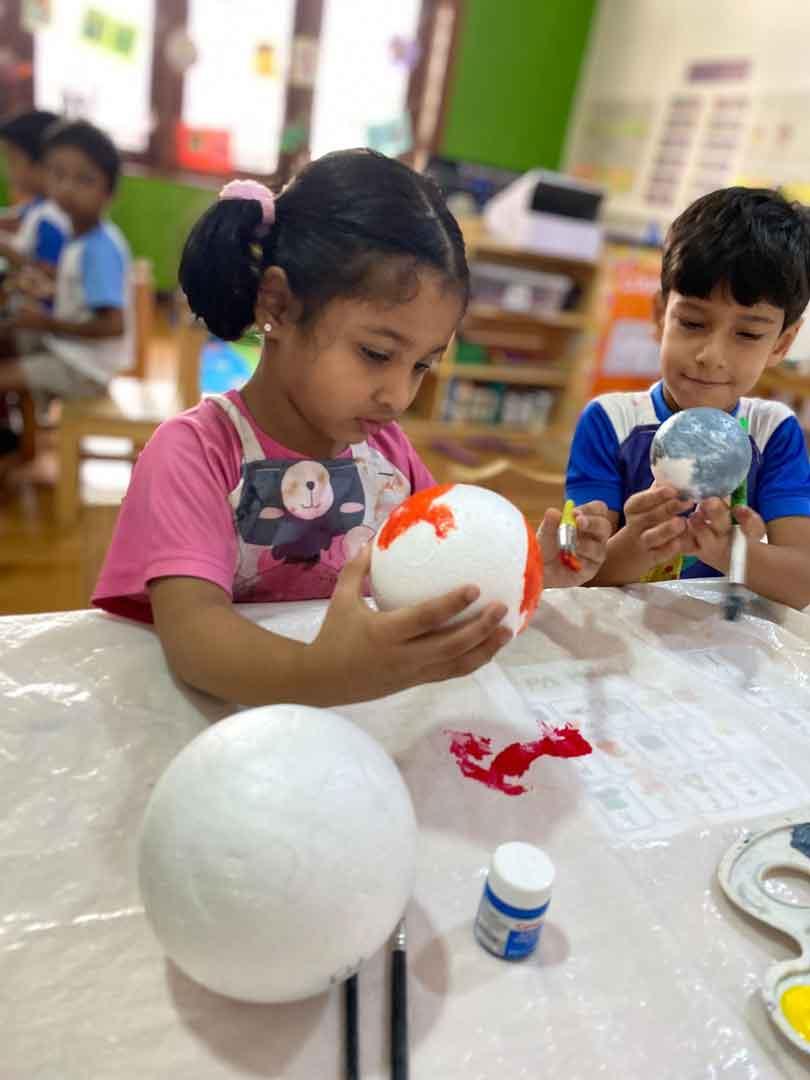
They need you to let them make a mess. They need you to let them be bored. They need you to trust that they will find their way. They do not need you to teach them everything. They need you to believe in them.
The best thing we can do is get out of the way. Give them love. Give them space. Give them time. Trust that they are learning, even when it does not look like learning. Our children will find their way. They are built to. They have been doing it for thousands of years. They do not need us to optimize them. They need us to believe in them. And that is the most powerful thing we can give.