Parent-Teacher Meetings: When Honesty Becomes the Hardest Conversation
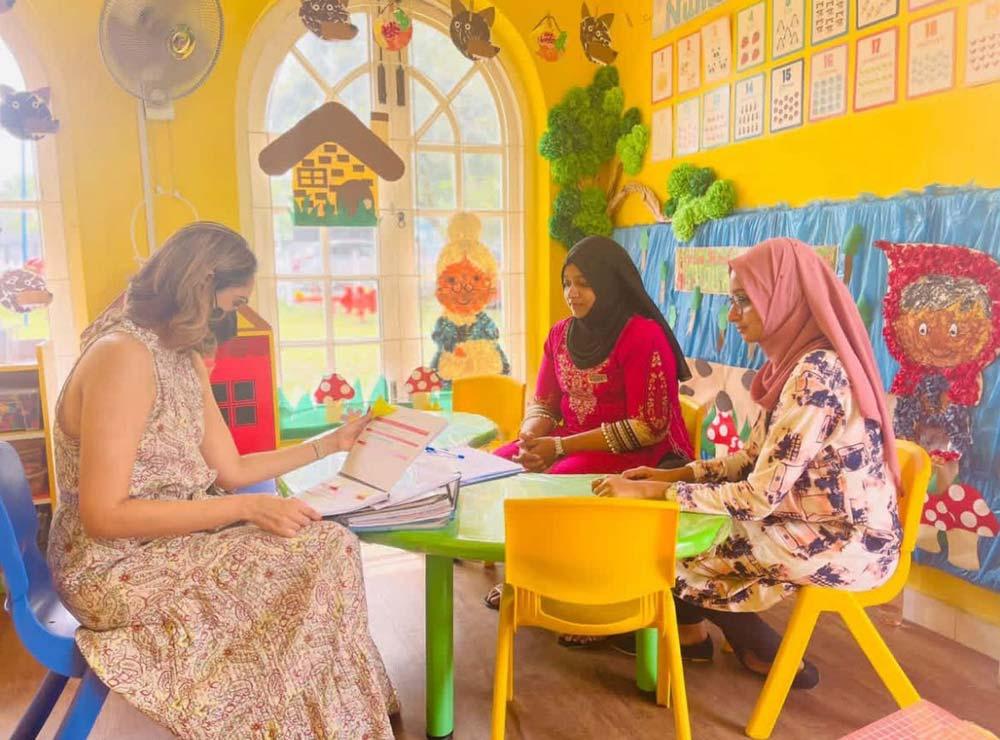
The meeting is scheduled for 3:30 PM. The teacher has prepared. She has notes on progress, samples of work, observations from the classroom. She knows what she needs to say. She also knows what parents want to hear. The parents arrive. They smile. They want to hear that their child is doing well. That they are bright, kind, and making progress. And the teacher has a choice. She can tell them what they want to hear. Or she can tell them what they need to hear. It is a choice that haunts her.
What Parents Want from a Meeting
Let us be honest about what most parents hope for in a parent-teacher meeting. They want to hear that their child is doing well. That they are smart, kind, and popular. That they are ahead of the class. That there are no problems. They want to leave feeling proud. They want confirmation that their parenting is working. They want reassurance that their child is on the right track. This is not wrong. It is human. Every parent wants these things. But here is the problem. When parents come to a meeting only willing to hear the positive, they make it impossible for teachers to be honest. And when teachers cannot be honest, children lose.
What Teachers Need to Say
Teachers carry a different burden. They spend hours with children. They see the struggles that parents do not see. They notice when a child cannot focus, cannot sit still, cannot keep up. They see the gaps that will only grow wider if they are not addressed. They know that telling parents the truth is not unkind. It is the kindest thing they can do. Because the earlier a struggle is identified, the easier it is to address. The earlier a learning difficulty is named, the sooner a child can get the support they need. But they also know that telling the truth can be met with anger, denial, or blame. So, they learn to choose their words carefully. They learn to soften the message. They learn to say "your child is still developing" when they mean "your child is struggling." They learn to say "we are working on it" when they mean "we are worried." And sometimes, they learn to say nothing at all.
The Pressure to Please
There is another layer to this. Teachers are under pressure. Pressure from school leadership to maintain good relationships with families. Pressure to avoid complaints. Pressure to keep parents happy so they do not withdraw their children. In this environment, honesty can feel risky. It is easier to tell parents what they want to hear. Easier to focus on the positives and gloss over the struggles. Easier to avoid the hard conversations. But this does not help the child.
When a teacher tells a parent that everything is fine, the parent goes home relieved. They do not seek help. They do not investigate further. They do not prepare for the struggles that are coming. And the child continues to struggle, often getting further and further behind. Because the problem was never addressed. Because the conversation that could have changed everything never happened. This is the hidden cost of pleasing parents. It costs children their chance at timely support.
The Denial That Hurts
Here is where it gets even harder. Sometimes parents are not just unwilling to hear the truth. They are actively in denial. They dismiss concerns about learning disabilities. They blame the teacher instead of facing the reality of their child's struggles. They insist their child is fine, that the teacher is wrong, that their child just needs more time. This denial is painful for everyone. For the teacher, who knows the truth and cannot get through. For the parents, who are protecting themselves from something they cannot face. And most of all, for the child, who needs support and is not getting it. A learning disability is not a failure. It is not a reflection of bad parenting. It is simply a difference in how the brain processes information. And when it is identified early, it can be addressed. The child can learn strategies. The teacher can adjust. The parent can advocate. But when parents refuse to accept the reality of their child's struggles, none of this can happen. The child continues to struggle, often in silence, often believing they are not worthy or broken, because no one will tell them the truth. And when no one acknowledges this, they internalize the struggle. They stop trying. They stop believing in themselves. This is the tragedy of unaddressed learning difficulties. It is not just about academic gaps. It is about the slow erosion of a child's self-worth. This is not love. It is a form of harm.
What a Good Parent-Teacher Meeting Looks Like
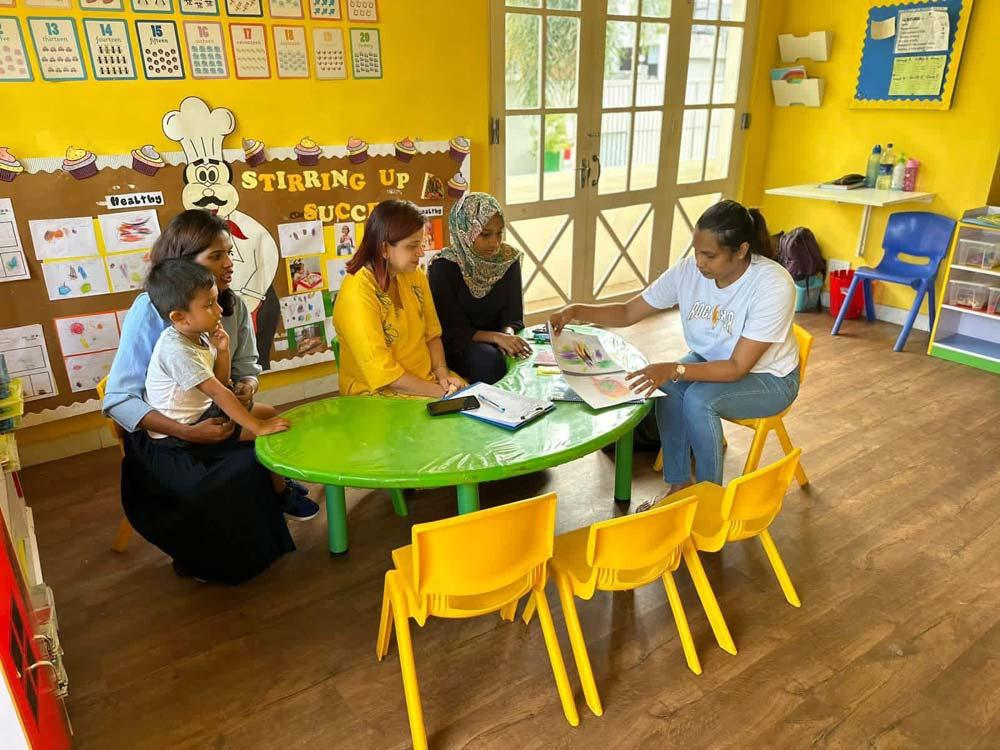
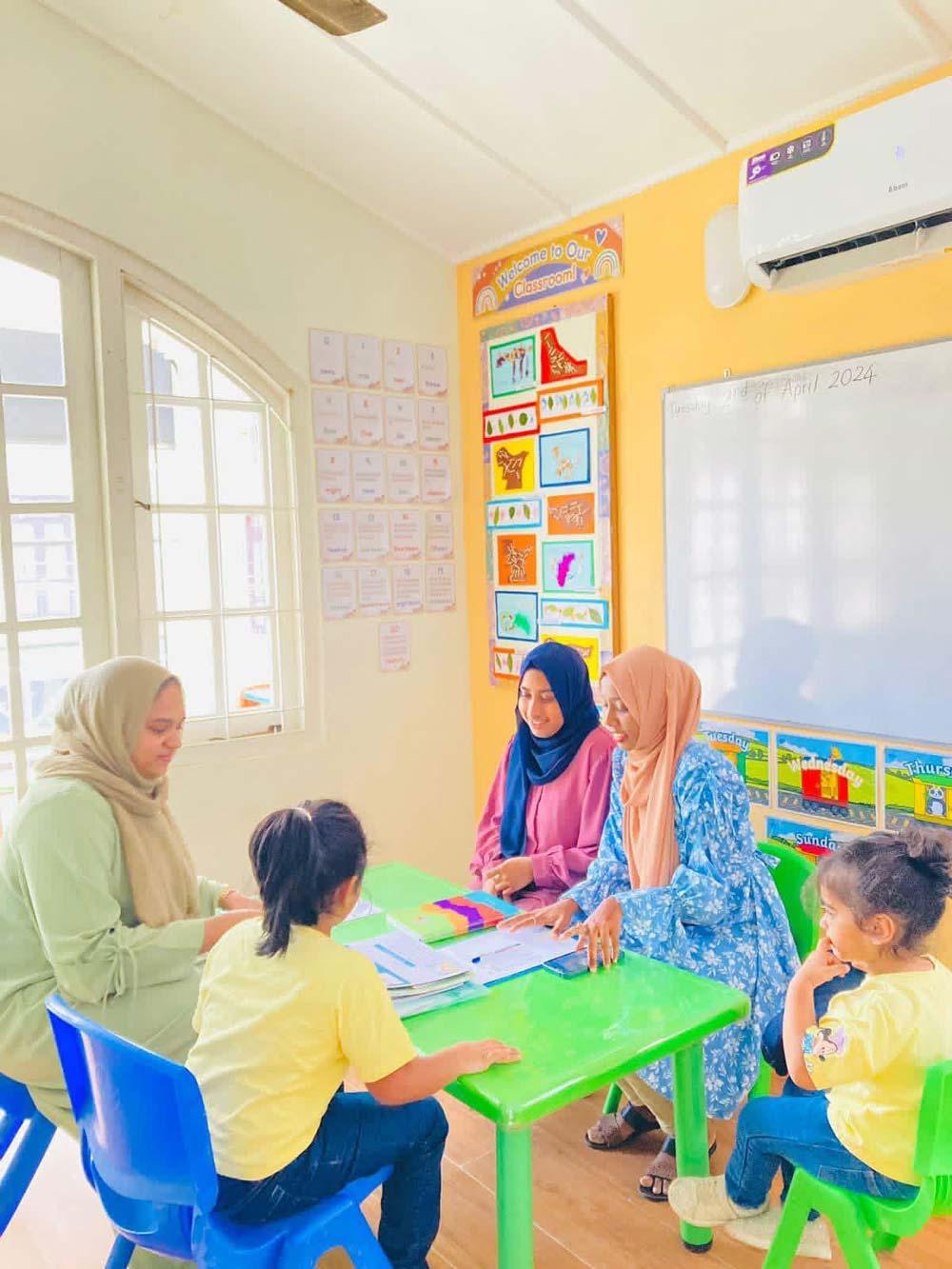
A good parent-teacher meeting is not a performance. It is a conversation. It is a conversation where the teacher is honest about the child's progress, including the struggles. Where parents are open to hearing not just the praise, but the concerns. Where both parties understand that they are on the same team. It is a conversation where the teacher does not have to choose between pleasing and telling the truth. Where parents do not become defensive. Where the focus is not on blame, but on what can be done to help the child. A good meeting leaves everyone clear about what is happening and what needs to happen next. It ends with a plan. A shared understanding. A commitment to work together. This is what children need. Not a performance. A partnership.
What Parents Can Do
If you are a parent, here is what matters. Go to meetings with an open mind. Do not assume the teacher is against you. They are for your child. That is why they are speaking up. Listen, even when it is uncomfortable. If the teacher shares a concern, take it seriously. They are not trying to hurt you. They are trying to help your child.
Ask questions. Not defensive questions. Curious questions. "What do you notice?" "What are you seeing?" "What can we do differently?" Remember that you and your teacher are on the same team. You both want what is best for your child. You just have different perspectives. When you combine those perspectives, you can see the whole picture. And if the teacher raises the possibility of a learning difficulty, do not shut down. Listen. Investigate. Seek support. The earlier you act, the better the outcome for your child.
What Teachers Can Do
If you are a teacher, here is what matters. Be honest, even when it is hard. Parents may not always want to hear the truth, but their children need you to tell it. You are not helping anyone by hiding concerns. Be gentle, but clear. Frame concerns in terms of the child's potential, not just their struggles. Help parents see that identifying a problem is the first step toward solving it. Build trust before you need it. Establish a relationship with parents before the difficult conversations. Make them feel seen and valued. It is easier to hear hard things from someone who you know cares. And remember that you are not just teaching a child. You are helping a family. Your honesty can change the trajectory of a child's life.
The Partnership Children Need
Children do not succeed alone. They succeed when the adults in their lives work together. When parents and teachers are on the same page, children feel it. They feel supported, understood, and capable. They know that someone is in their corner. That someone is paying attention. That they are not alone. When parents and teachers are not on the same page, children feel it too. They sense the tension. They feel the gap. They wonder who to trust. They lose the safety they need to take risks and grow. This is why the parent-teacher relationship matters so much. Not because it is always easy. Because it is essential. Let us choose honesty. Let us choose partnership. Let us choose the child.