When Love Gets in the Way: Why Doing Everything for Your Child Is Holding Them Back
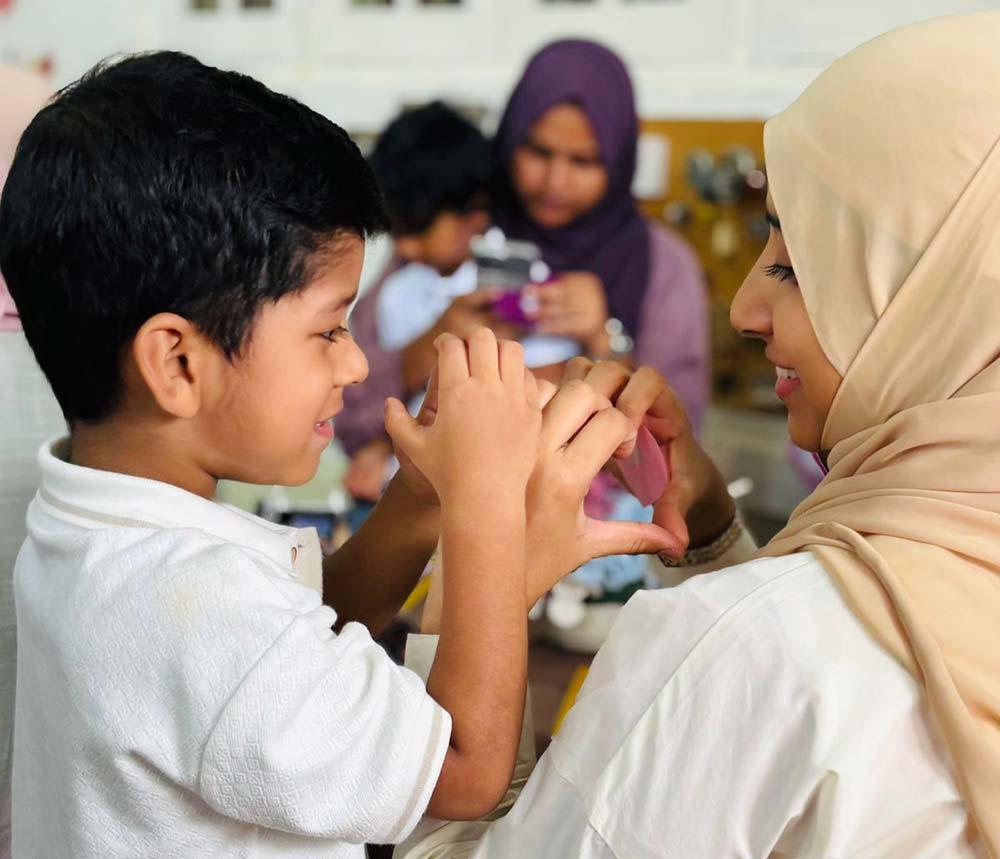
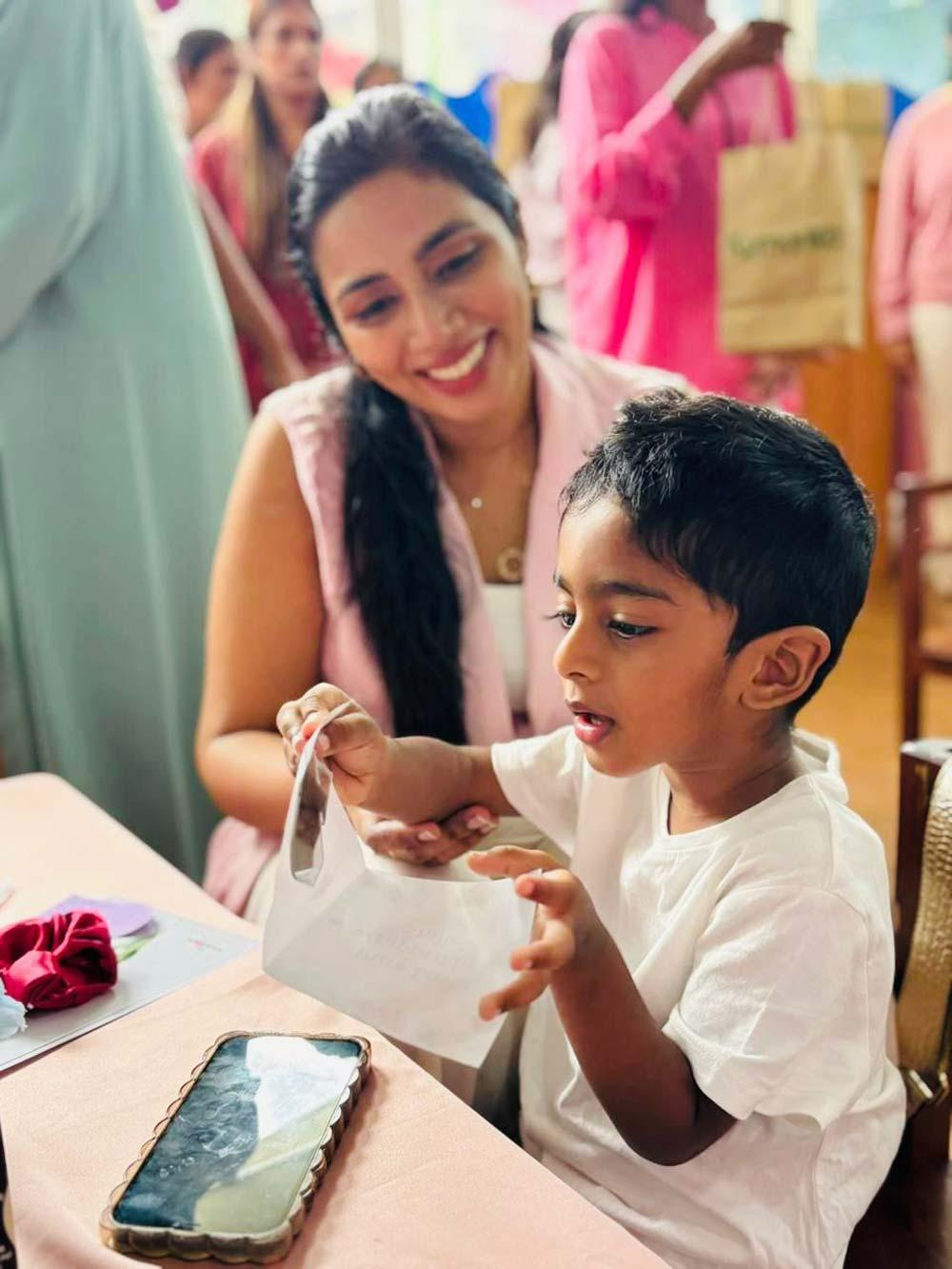
Watch a toddler try to put on their own shoes. They struggle. They grunt. They get the wrong foot. They try again. It takes forever. It is painful to watch. And every instinct in you wants to reach down and just do it yourself. But here is the truth no one tells you: when you do it for them, you are not helping. You are harming.
 The Problem with Doing Too Much
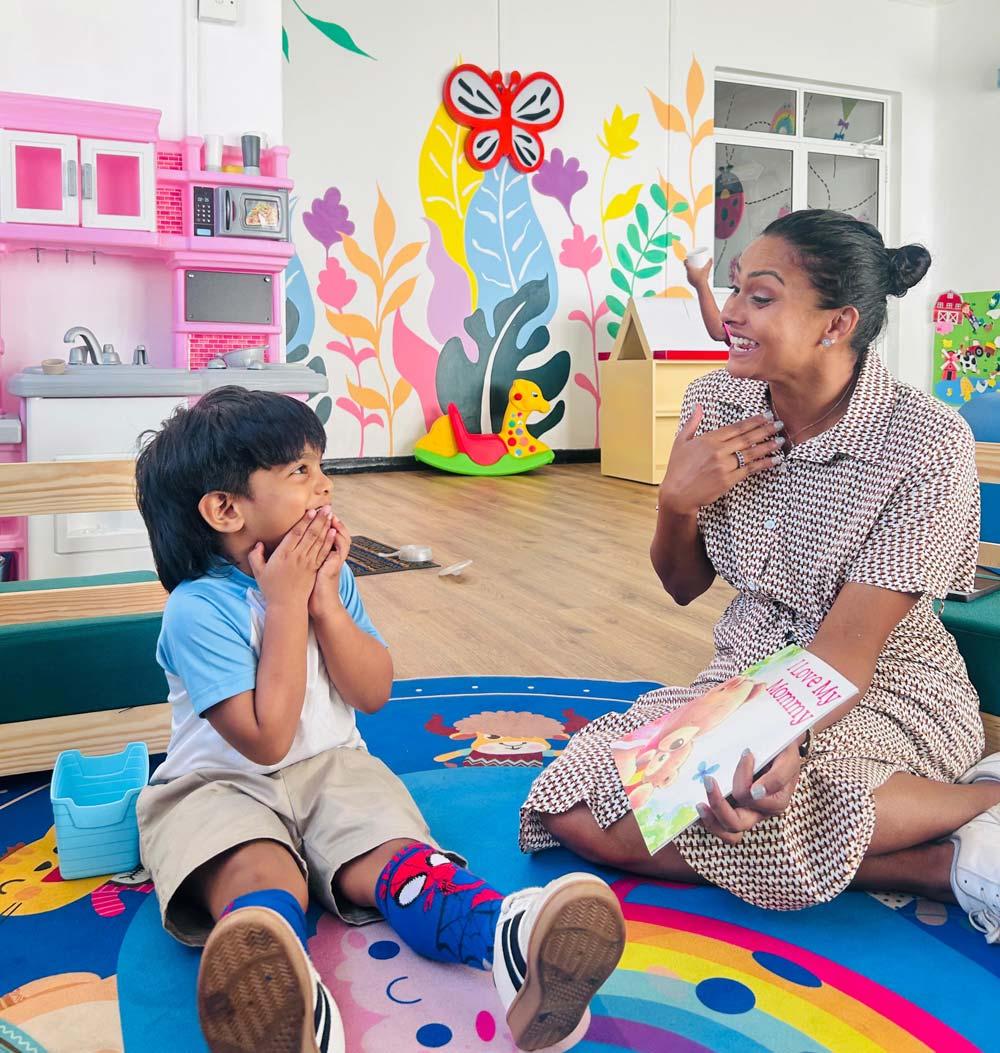
We love our children. Of course we do. We want to protect them from struggle, from failure, from discomfort. We want their lives to be easier than ours. So, we carry them when they could walk. We tie their shoes when they could try. We speak for them when they could find their own voice. We solve their problems before they even know there is a problem. This feels like love. It feels like good parenting. But it is not. It is the opposite. When we do everything for our children, we rob them of something essential. The chance to struggle. The opportunity to fail. The gift of trying again. The quiet pride of doing it themselves. A child who never struggles never learns that they can overcome struggle. A child who never fails never learns that failure is survivable. A child who never tries alone never learns that they are capable. We are raising children who cannot do things that children have done for generations. Tie laces. Pour water. Carry their own bag. Climb a tree. Resolve a conflict. Wait. Try again. Survive disappointment. And we are doing it with the best of intentions.
What Children Lose When We Do Too Much
Self-esteem: Real confidence does not come from being told you are great. It comes from doing something hard and realizing you can. Every time we step in, we rob our child of that realization. They learn that they need us to survive. Not that they are capable, but that they are helpless without us.
Physical ability: Children's bodies are designed to move. To climb, run, jump, balance, carry. When we carry them everywhere, when we never let them walk, when we do everything for them, their bodies do not develop properly. The hand cannot do what the body cannot support. A child who is never allowed to struggle physically will struggle physically. They will be weaker, less coordinated, less confident in their own body.
Independence: Every time we solve a problem for our child, we teach them that problems are for parents to solve. They learn to wait. To call out. To expect rescue. They do not learn to think, to try, to persist. They learn helplessness. And helplessness is a hard habit to break.
Resilience: Life is hard. It will knock them down. The question is not whether they will face difficulty, but whether they will know what to do when difficulty comes. A child who has never struggled does not know how to struggle. They fall apart at the smallest challenge because they never learned that they can get back up.
Self-trust: A child who is never allowed to try alone never learns to trust their own judgment. They look to adults for every answer, every decision, every next step. They grow into adults who cannot trust themselves because they were never given the chance.
What Children Should Be Doing
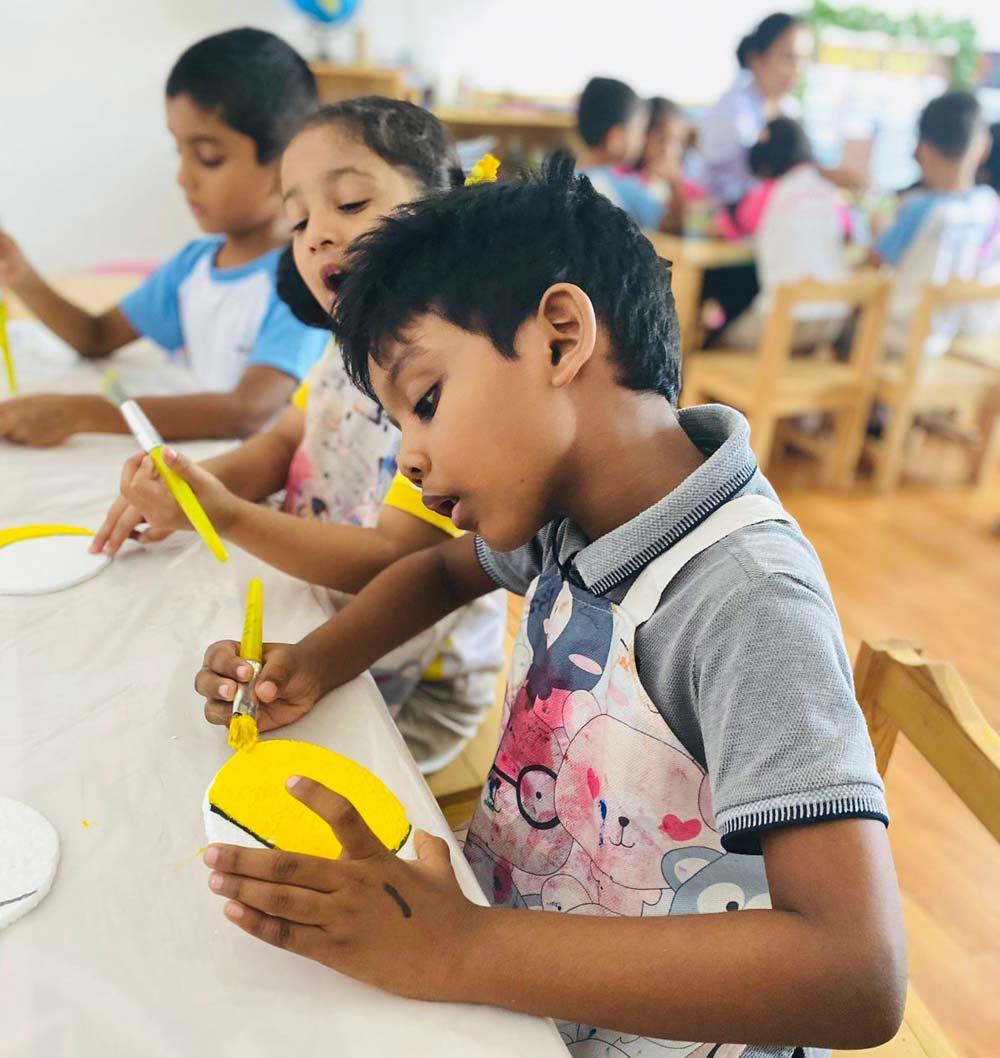
Let us be clear about what children are capable of. More than we think. A two-year-old can carry their own cup to the table. They can put their shoes away. They can try to put on their own socks, even if it takes ten minutes. A three-year-old can pour water from a small pitcher. They can wipe up their own spills. They can choose between two options for snack. They can help set the table. A four-year-old can dress themselves, with buttons and zippers and all. They can carry their own backpack. They can pack their own lunch with guidance. They can resolve simple conflicts without an adult refereeing. A five-year-old can tie their own shoes. They can pour their own cereal. They can clear their own plate. They can pack their own school bag. They can walk short distances without being carried. These are not extraordinary expectations. They are ordinary. Children have been doing these things for generations. But we have stopped expecting them. We have decided it is easier to do it ourselves. And in doing so, we have made our children smaller, weaker, and more dependent than they need to be.
The Fear That Drives Us
Why do we do this? Fear. We are afraid they will fail. They will spill. They will fall. They will be sad. They will struggle. They will not measure up. So, we hover. We rescue. We protect. We do. But here is the thing about fear: it lies. It tells us that struggle is dangerous, when struggle is how humans grow. It tells us that failure is the end, when failure is how humans learn. It tells us that discomfort must be avoided, when discomfort is how humans build strength. Our fear is understandable. The world feels more dangerous than it used to be. We have more information, more warnings, more reasons to worry. But our children do not need us to be afraid for them. They need us to believe in them.
What Real Parenting Looks Like
It’s not about doing everything for your child. It’s about standing close while they struggle, ready to help, but not rushing in. It’s letting them spill the milk, then handing them a cloth and showing how to wipe it up. It’s allowing them to feel disappointment, sitting with them in that emotion, and trusting they’ll get through it. It’s saying “you can do this” more often than “let me do it.” It’s gradually handing over responsibility instead of holding on tighter. And it’s remembering: your job isn’t to make their life easy. It’s to raise adults who can handle what’s hard.
The Hardest Part
Here is the hardest part of all this. It is easier to do it yourself. Faster. Neater. Less messy. Letting a toddler put on their own shoes takes ten times longer. Letting a preschooler pour their own milk guarantees a spill. Letting a child climb the jungle gym means watching them risk falling.
It is harder to step back. It takes more patience. More trust. More faith. But easy parenting does not produce strong children. Hard parenting does. The parent who does everything produces a child who can do nothing for themselves. The parent who steps back produces a child who discovers they are capable. The choice is ours. Every day. In small moments.
A Message to Parents
If you are reading this and feeling defensive, take a breath. This is not about blame. This is about awareness. Look at your child. Really look. What are they capable of that you are not letting them try? Where are you stepping in too soon? What would happen if you stepped back instead? Start small. Let them pour their own water tomorrow. Let them carry their own bag. Let them struggle with their shoes. Let them be bored. Let them fail. It will be messy. It will be slow. They will spill and fall and cry. And then they will wipe the spill. Get back up. Try again. And feel, deep in their bones, that they can do hard things. That is self-esteem. That is independence. That is resilience. That is love. We are raising humans. Not forever babies. Not ornaments. Not projects. Humans who will one day need to navigate a world that will not carry them, speak for them, or solve their problems. The greatest gift we can give them is not a life without struggle. It is the confidence that they can handle struggle when it comes. So, step back. Let them try. Let them fail. Let them try again. Because the child who learns to put on their own shoes learns something bigger than shoe-tying. They learn: I can do hard things. I am capable. I do not need someone to rescue me. And that lesson will carry them further than any help you could ever give.