Finding Our Way Back: The Language of Poetry
Somewhere between a morning news update and a video we will forget by lunchtime, a poem appears. It is only a few lines long. There is no introduction and no explanation of what we are supposed to feel. Yet the thumb pauses. The words are read once, then again, before being saved among hundreds of other things we promise ourselves we will return to. Most of them will be forgotten. The poem will not.
For years, poetry carried the reputation of an art form people admired more than they actually enjoyed. It was associated with classrooms, difficult metaphors and the uncomfortable possibility that every line contained a hidden meaning everyone else understood. Many people left school believing poetry was something to analyze correctly rather than something they were allowed to feel. Today, that relationship is changing.
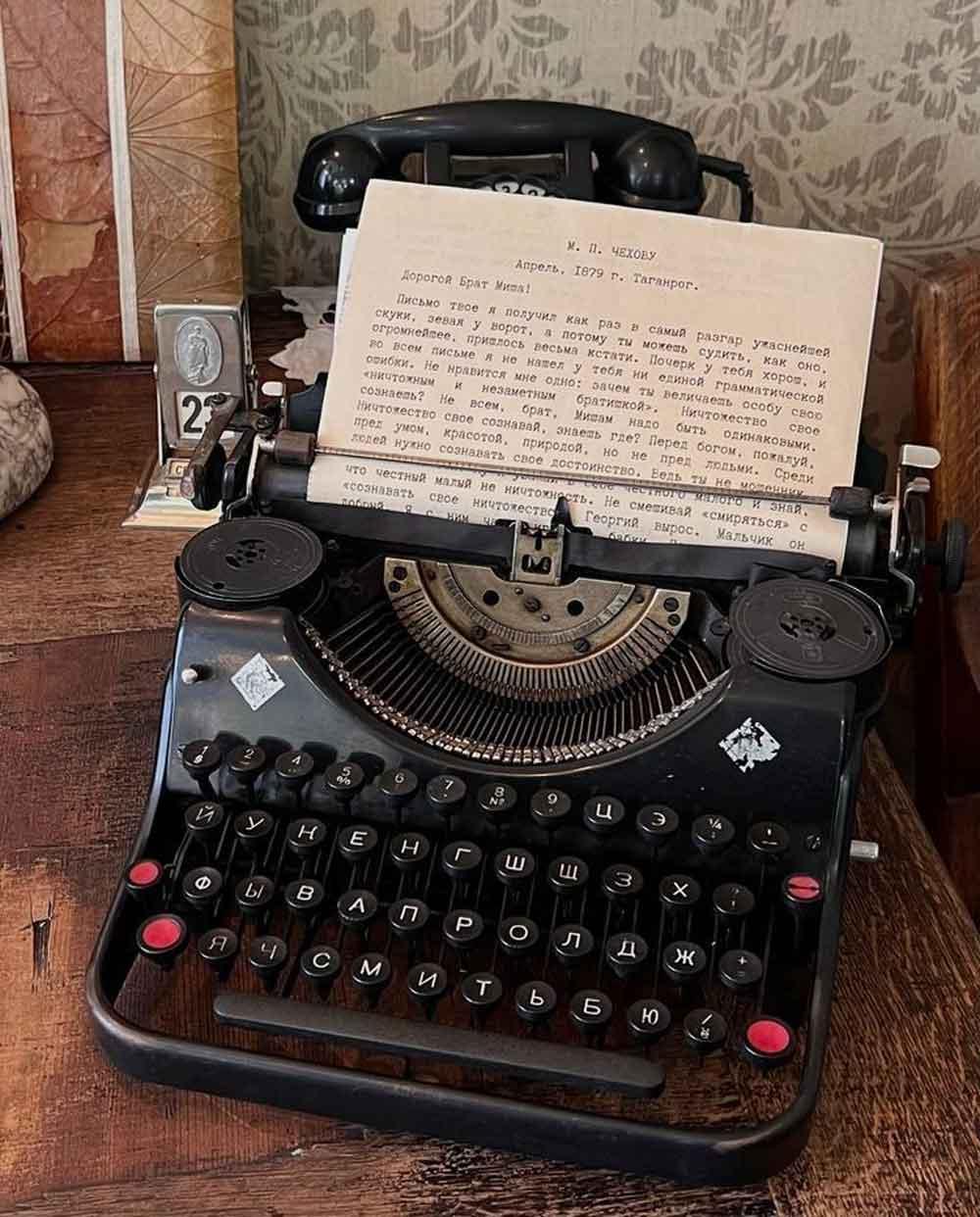
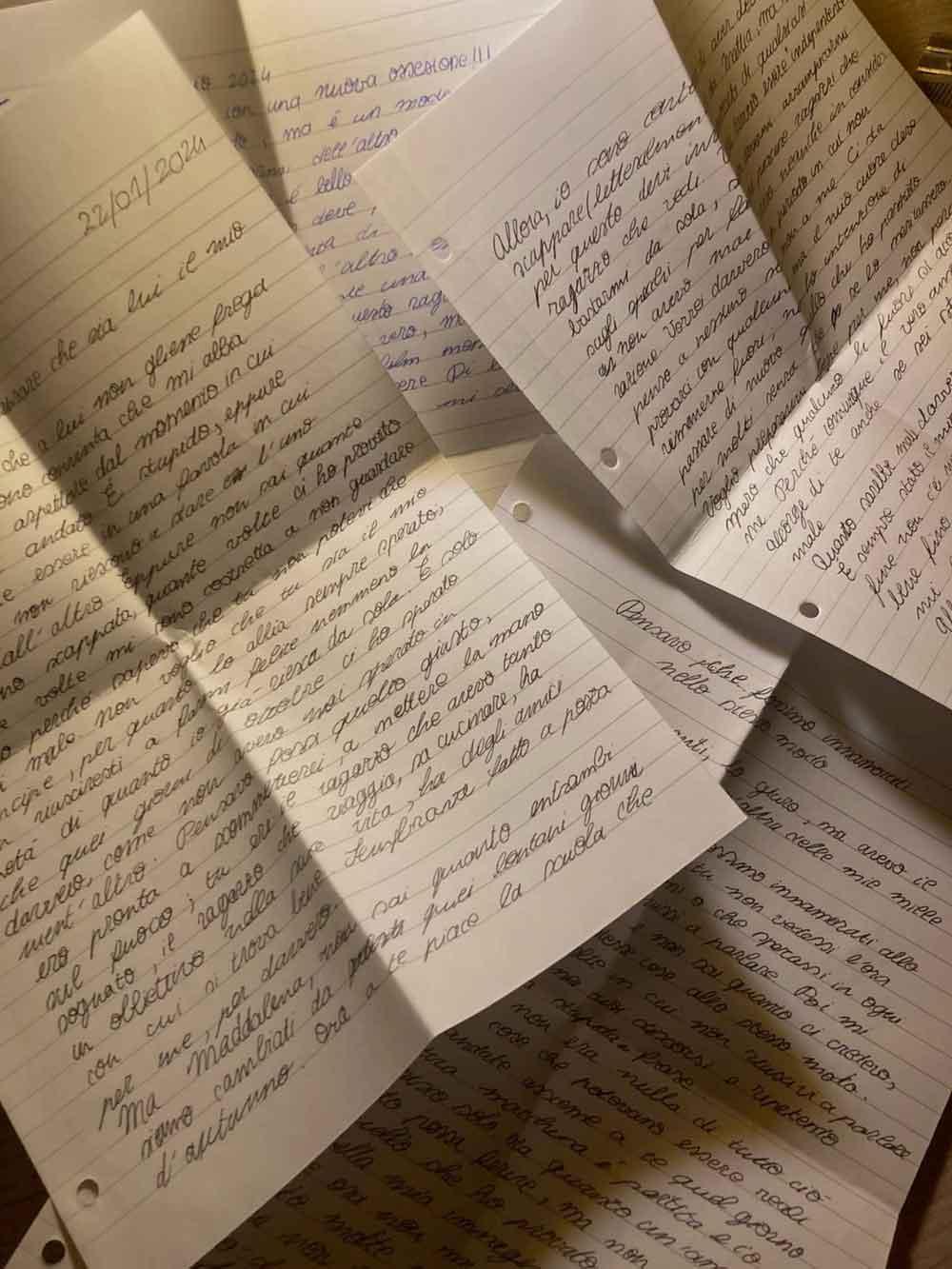
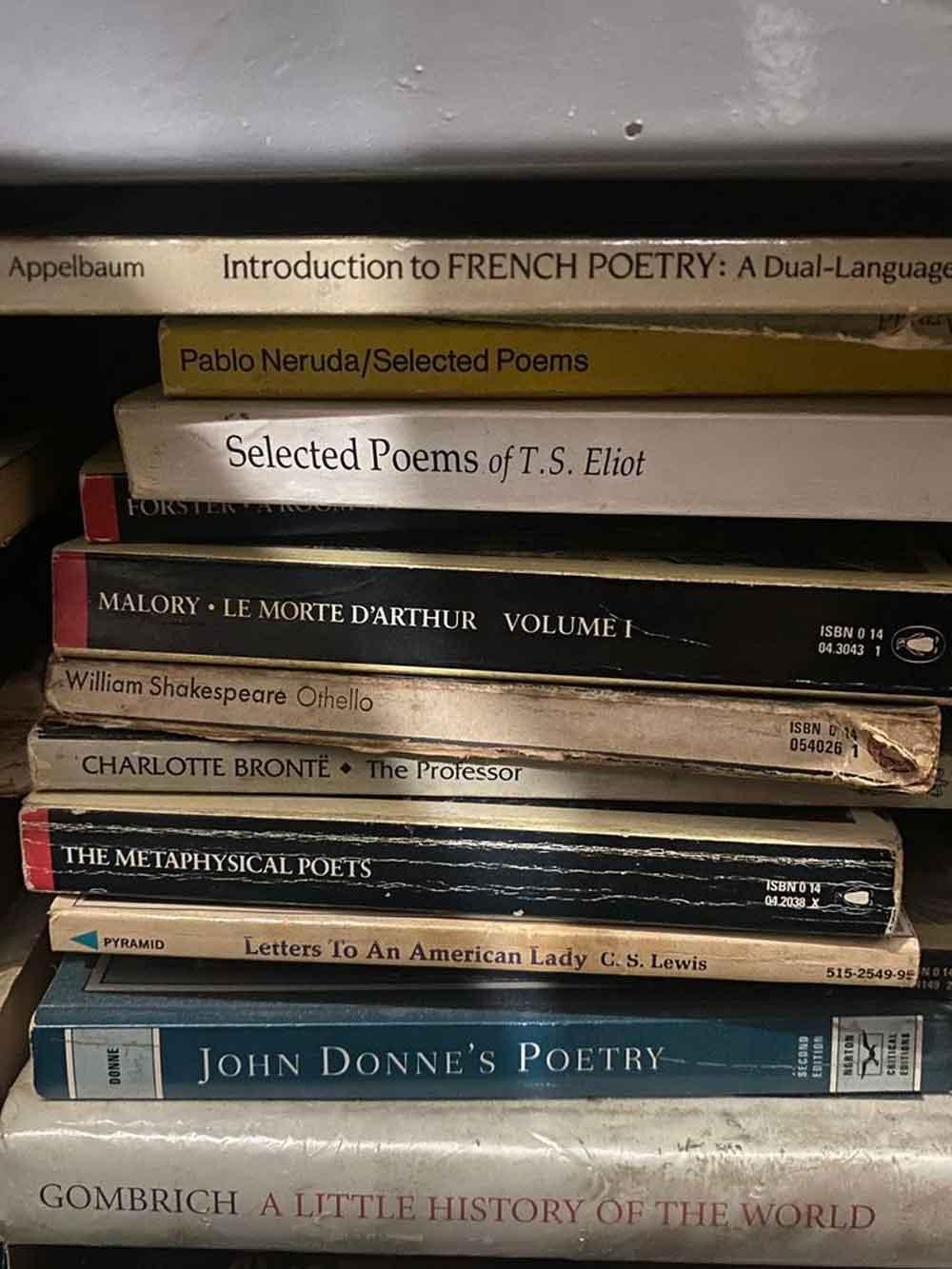
Poetry has moved beyond the page and entered the places where people already spend their time. It is found in spoken-word performances, videos, social media posts, music, screenshots and messages sent between friends. It is printed in books, but it is also whispered on stages and carried around inside phones. The form has not become less meaningful. It has simply become easier to reach.
That accessibility may explain part of its growing audience. In the United States, the number of adults reading poetry almost doubled between 2012 and 2017, reaching approximately 28 million people. The largest increases came from young adults and readers from diverse racial backgrounds. Poetry sales also grew in the United Kingdom, with younger readers becoming a significant part of the market.
The numbers suggest growth, but statistics cannot fully describe what is happening. They can count books and survey readers, but they cannot count every person who has copied a line into their notes app. They cannot count the poems shared after a breakup, read at a funeral or kept quietly because they describe something the reader has never admitted aloud.
Poetry has always had a life beyond what can be measured. Its return feels especially natural now because we are living in an age of shortened attention and overflowing emotion. We move through hundreds of pieces of information every day. Headlines, advertisements, messages, photographs and opinions compete for the same tired mind. Everything wants to be noticed immediately, and most things disappear just as quickly.
A poem can also be brief, but its brevity works differently. It does not always try to give us more information. Sometimes it takes one feeling and asks us to remain there. A handful of words can slow down a moment that would otherwise pass unnoticed. The poem ends, but something in the reader continues.
Perhaps that is its quiet advantage.
People often claim that phones have weakened our ability to read, but they have also created an unexpected home for poetry. Poems are compact enough to travel easily through digital spaces. They can be read during a bus ride, between lectures or beneath the light of a screen when sleep refuses to arrive. One poem can move between thousands of strangers before its writer ever meets a single one of them.
Social media has also changed who is permitted to call themselves a poet. Writers no longer need to wait for approval from publishers or literary institutions before sharing their work. They can find readers directly, and readers can discover poetry without knowing the names of famous poets or the rules of traditional verse.
This freedom has created its own problems. Writing designed for social media can sometimes become repetitive, reducing complicated emotions to lines that are attractive but empty. Not every sentence becomes profound simply because it has been divided into smaller pieces. However, weak poetry does not cancel the importance of accessible poetry. For many readers, a short post is not the end of their relationship with the form. It is the beginning. One line leads to a page, one page leads to a collection, and a person who once believed poetry was not meant for them discovers that they had simply never encountered the right poem.
Younger readers, in particular, seem drawn to writing that is emotionally direct. They have grown up surrounded by carefully arranged versions of other people’s lives. Even supposedly casual photographs are selected, edited and posted with an awareness of how they will be perceived. Success is announced beautifully. Pain is often hidden until it can be presented as a lesson. Against that performance, poetry offers the possibility of emotional disorder. It allows a writer to be jealous without becoming wise by the final line. It allows love to be tender and embarrassing at the same time. It allows grief to remain unresolved. There is no requirement to transform every wound into personal growth.
That lack of resolution can feel more truthful than the polished stories people are accustomed to seeing. Poetry is particularly suited to emotions that resist straightforward explanation. Anxiety rarely arrives with a clear beginning and conclusion. Loneliness can exist in a crowded room. A person can miss someone they would never invite back into their life. Happiness itself can contain fear because receiving something precious also creates the possibility of losing it.
Prose can explore all these contradictions, but poetry can hold them without trying to settle the argument. It allows two opposing feelings to exist in the same small space. This is also why people return to poems during the most significant moments of their lives. At weddings, funerals and memorials, language suddenly carries more responsibility than usual. The usual words can feel too familiar or too small. We borrow the words of poets because they seem capable of touching what we cannot approach directly. In such moments, poetry becomes a form of translation. It takes what the body knows and gives it a voice. Its influence is now spreading into storytelling more broadly. Contemporary novels increasingly use fragmented structures, lyrical narration, short reflective chapters and lines that can stand independently from the paragraphs around them. Some stories blend verse and prose, while others borrow poetry’s rhythm without visibly becoming poems.
This shift reflects a change in what many readers remember. A complex plot may keep someone reading, but a precise emotional observation is often what follows them after the book is closed. Readers may forget the details of a conversation while remembering one sentence that exposed its true meaning. Poetry has taught storytellers that emotional impact does not always depend on length.
Sometimes one image can carry what an entire chapter is trying to say. A house becomes evidence of a childhood. A familiar perfume becomes the return of someone absent. Two clocks touching on a wall become two lovers trying to remain together while time pulls them apart. Poetic writing pays attention to the emotional weight of objects, pauses and small gestures. It does not see detail as decoration. It understands that people often reveal themselves through the things they avoid saying.
This growing interest in poetry may also reflect a deeper exhaustion with constant explanation. Modern culture asks people to explain themselves endlessly. We are encouraged to describe our identities, defend our opinions, display our progress and turn personal experiences into understandable stories. Poetry makes no such promise. A poem can remain uncertain. It can contradict itself. It can create a feeling without providing instructions for what to do with it. The reader is not given a complete answer but a space in which to recognize their own questions.
There is intimacy in that space. When a person saves a poem, they are rarely saving only the writer’s words. They are saving the version of themselves that appeared while reading them. The poem becomes attached to a particular person, evening, loss or period of becoming. Months later, the same lines may mean something entirely different because the reader has changed. The words remain still. We do not.
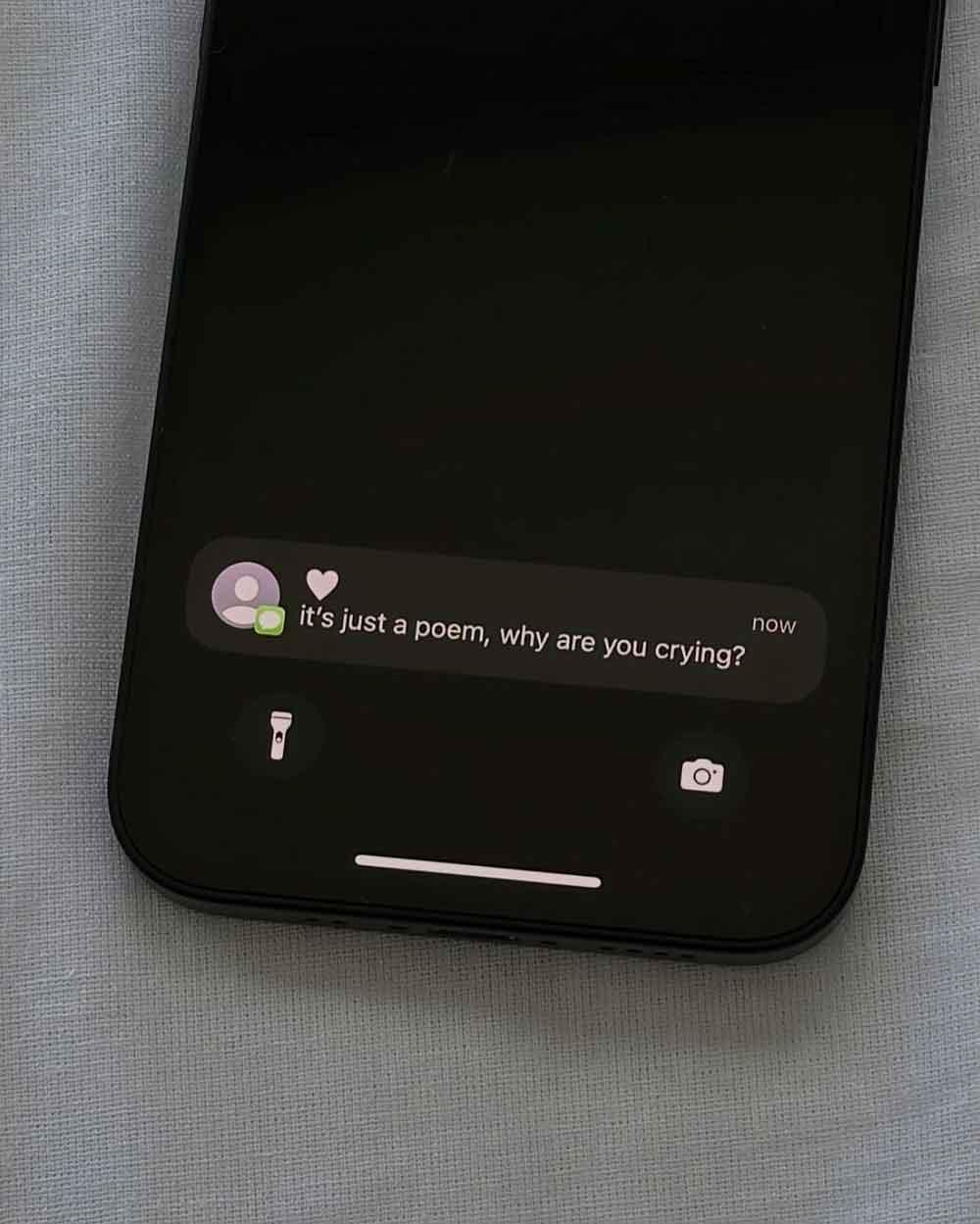
Poetry is therefore not returning merely because it suits the size of a phone screen or the pace of social media. Those things helped it travel, but they do not explain why people ask it to stay. It stays because it offers recognition without demanding disclosure. A person can see their sadness inside somebody else’s poem without having to explain the story behind it. They can send a line instead of beginning a conversation they are not ready to have. Perhaps that is what the renewed popularity of poetry truly represents. It is not simply a publishing trend or a new preference among younger readers. It is evidence that, beneath all the speed and noise of modern communication, people are still searching for language that feels human. We have not lost our desire for depth. We have only become better at recognizing it in smaller places.