Don’t Give Them the Answer. Give Them the Question.
By: Fazra Irfan
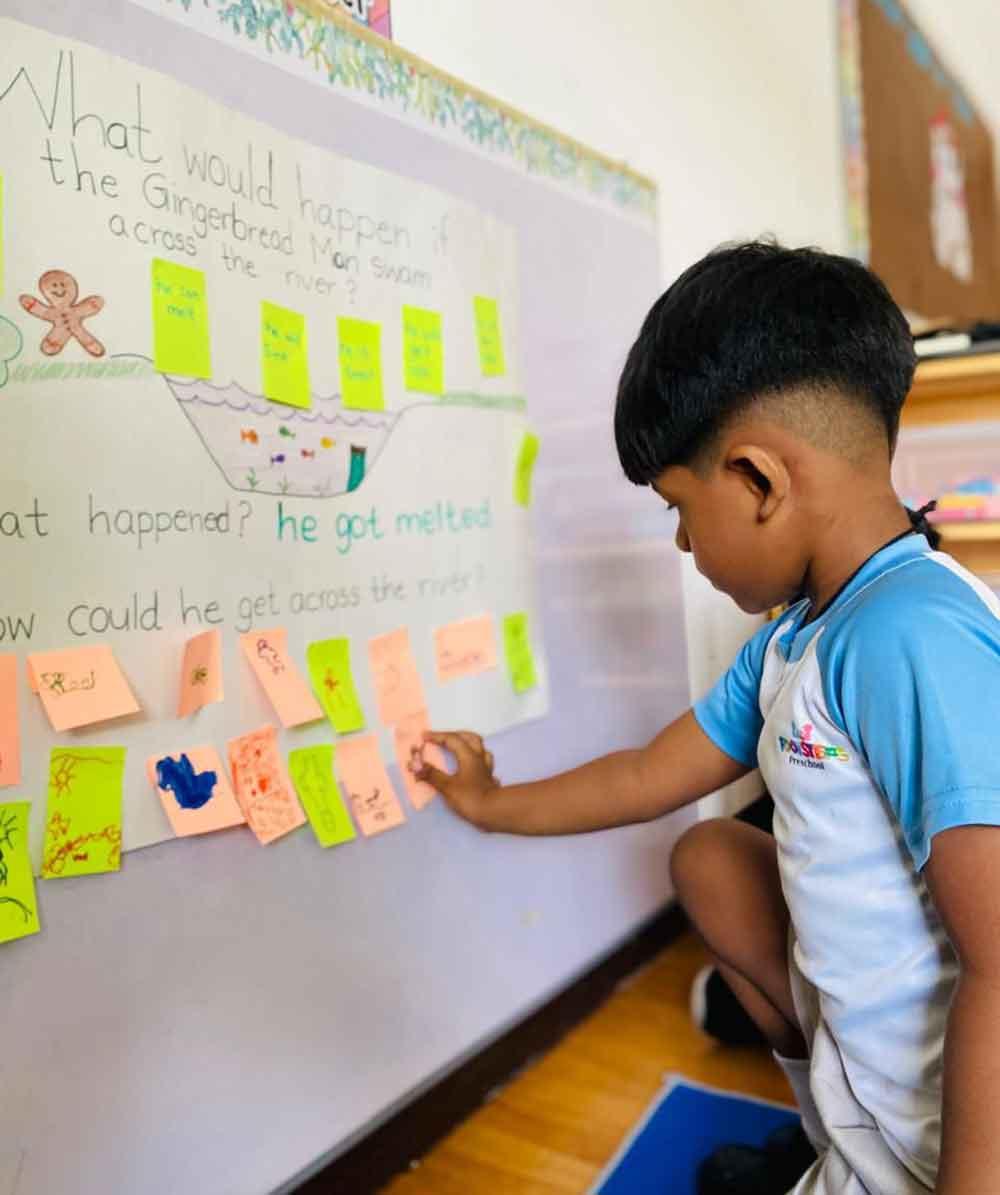
A child looks at a fallen leaf. In a traditional classroom, the teacher might say: "That is a leaf. It is brown because it has dried up. Let's put it in the science corner. “The child learns a fact. Useful, perhaps. But the thinking is done by the teacher. Now imagine a different approach. The teacher kneels beside the child and asks: "I wonder why this leaf fell. What do you think?" The child pauses. Thinks. Guesses. "Maybe it got tired." "Maybe the wind pulled it." "Maybe the tree decided it was time to let go." Wondering. Hypothesizing. Engaging. This is the difference between memorizing and learning. Between passive reception and active construction. Between filling a bucket and lighting a fire. What Is Critical Thinking, really? Critical thinking sounds like a big concept. For young children, it is simple. It is wondering why. Asking how. Noticing patterns. Making connections. Trying something, seeing what happens, and trying something different. It is the child who builds a block tower, watches it fall, and tries a wider base. The child who mixes blue and yellow paint and shouts with delight when green appears. The child who asks "what if?" a hundred times a day. These are not distractions from learning. They are learning. Deep, lasting, foundational learning. Critical thinking is not about getting the right answer. It is about knowing that there are questions, that answers can be discovered, that failure is part of finding what works. A child who memorizes that water freezes at zero degrees has learned a fact. A child who puts water in the freezer and checks it every hour has learned how to learn. The first child can repeat information. The second child can discover it. Which one will thrive in a world that is constantly changing?
The Problem with Always Giving Answers
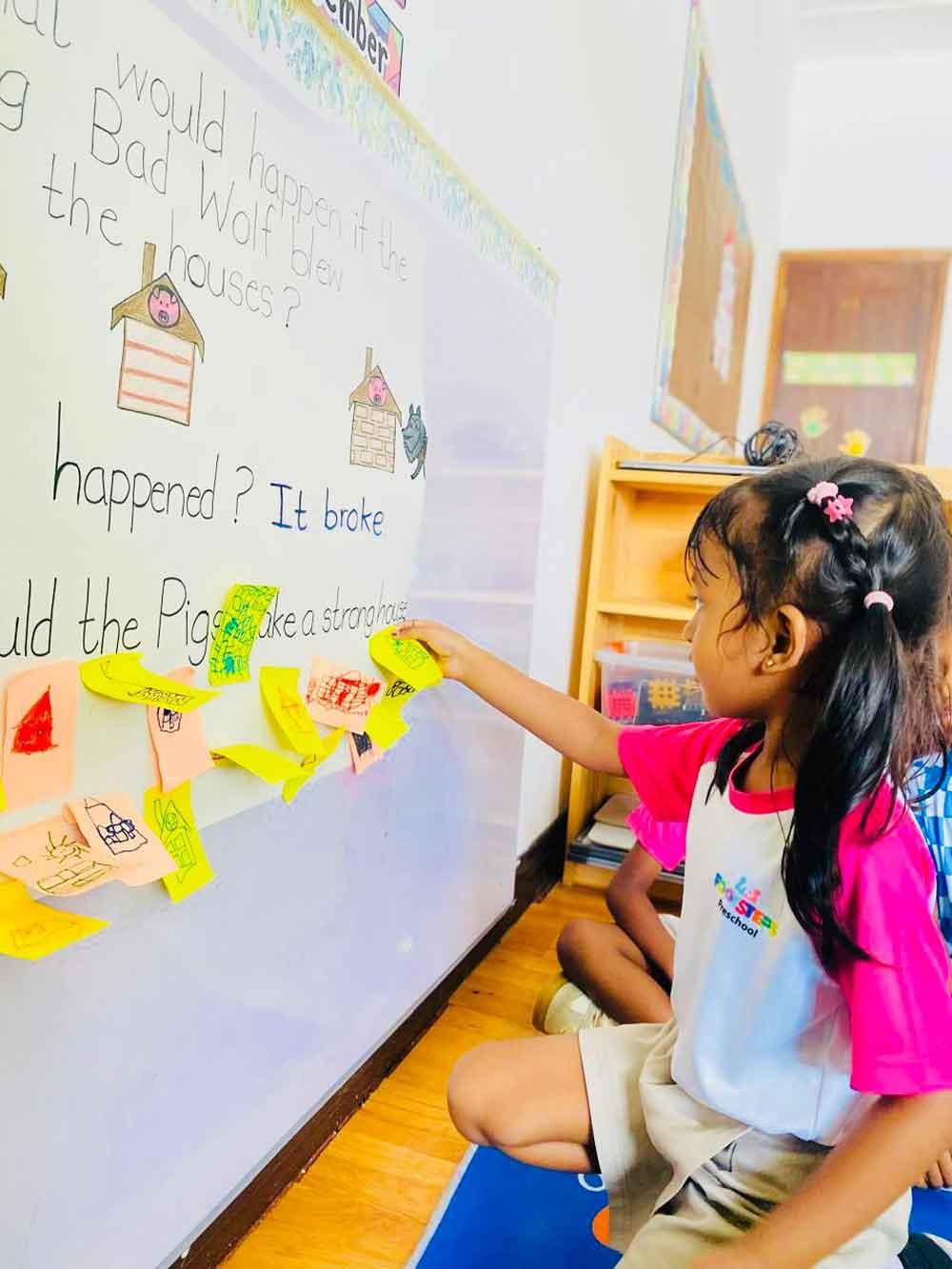
We mean well. When a child asks a question, we want to help. We give the answer. We explain. We solve. But every time we give the answer, we rob the child of the chance to find it themselves. The child who is always given answers learns that answers come from outside. From teachers. From parents. From adults who know things. They do not learn to trust their own mind. They do not learn to persist through confusion. They do not learn the joy of discovery. Worse, they learn that questions are problems to be eliminated, not opportunities to be explored. They stop asking. They stop wondering. They wait to be told. This is not curiosity. It is passivity. And it is the enemy of learning. The most effective teachers and parents do something different. When a child asks a question, they often answer with another question. "What do you think?" "How could we find out?" "What would happen if...?" This is not avoidance. It is respect. It says to the child: you are capable. Your mind matters. I believe you can figure this out.
What This Looks Like in Practice: A Story Room
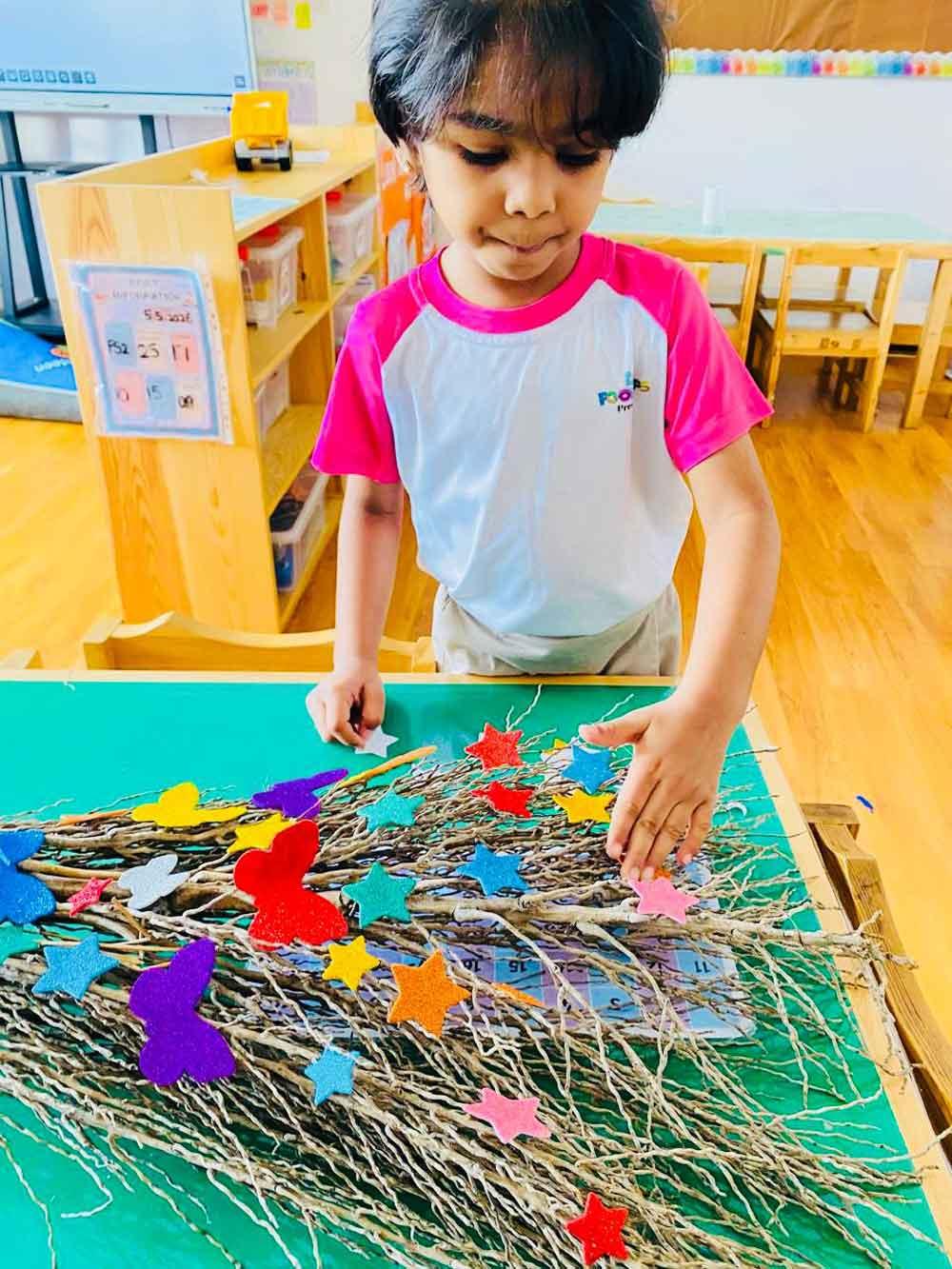
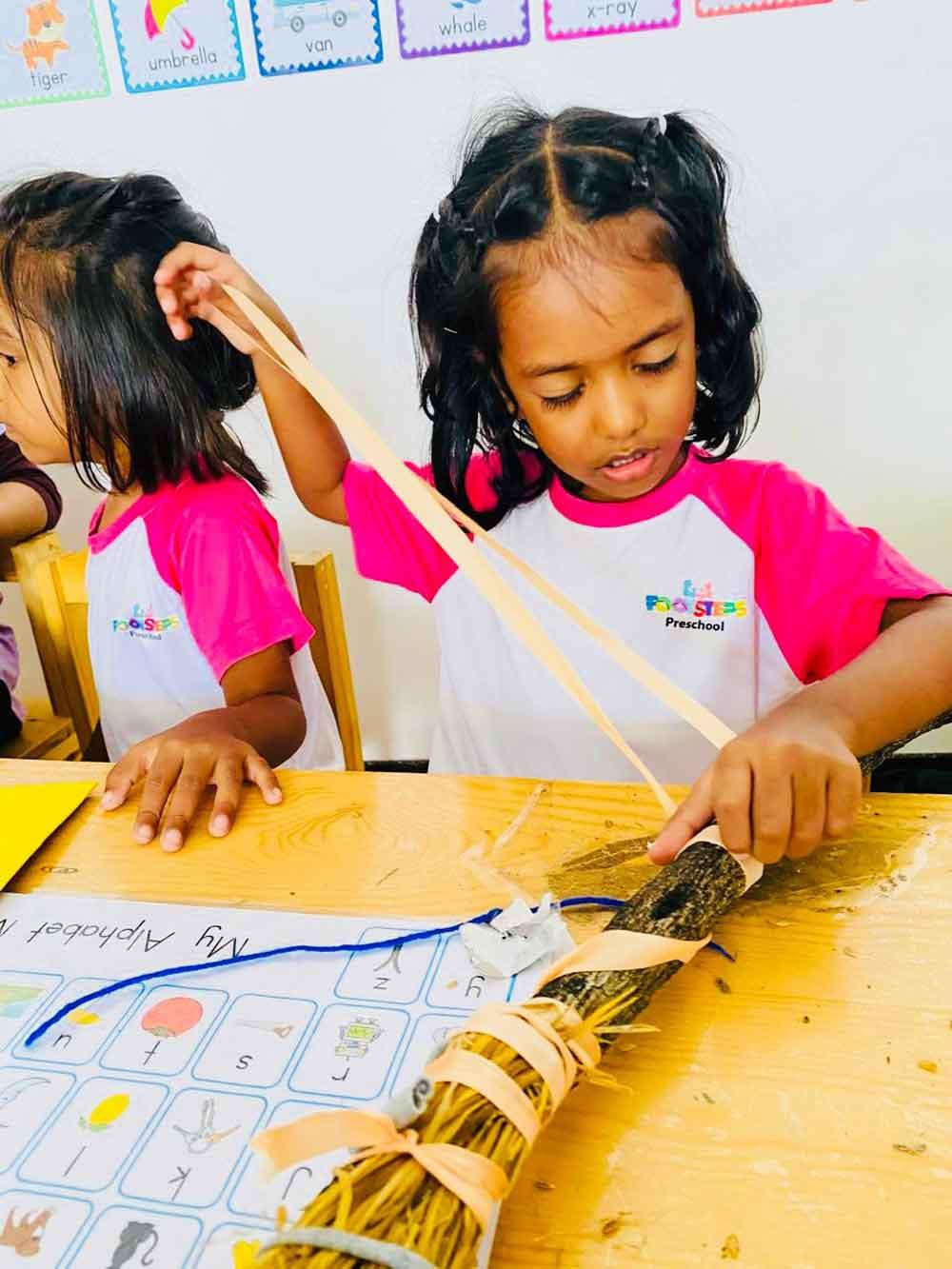
Let me give you a real example. In one classroom, the teacher set up a story room based on Room on the Broom by Julia Donaldson. But she did not just read the story and ask comprehension questions. She created an invitation. She placed materials for children to build their own brooms. Twigs. String. Leaves. Fabric scraps. No instructions. Just materials and a question: "What kind of broom would you make?" The children got to work. Some tied twigs together with string. Some wove leaves through branches. Some added fabric for "comfort." They talked to each other. They solved problems. "This keeps falling apart. What if I tie it tighter?" They made decisions. "My broom needs a seat at the back for the dog." They were not just making brooms. They were thinking. Designing. Problem-solving. Collaborating. Imagining. Later, the teacher took the same story outside. She created a story walk; pages from the book placed along a path, with questions at each stop. Not questions with right or wrong answers. Questions that made children wonder. "What do you think the witch was thinking when she lost her hat?" "If you could add one more animal to the broom, what would it be and why?" "What would you do if you were on a broom and it started to crack?" The children walked, read, talked, and thought. They disagreed with each other. They argued. They changed their minds. They asked their own questions. This is critical thinking in action. Not a worksheet. Not a test. Just a good story, open-ended materials, and questions that invited children into wonder. Consider a different story. Goldilocks and the Three Bears. A traditional approach might ask: "What did Goldilocks do wrong?" "How many bears were there?" "What did she eat first? “These questions have one answer. They test recall, not thinking.
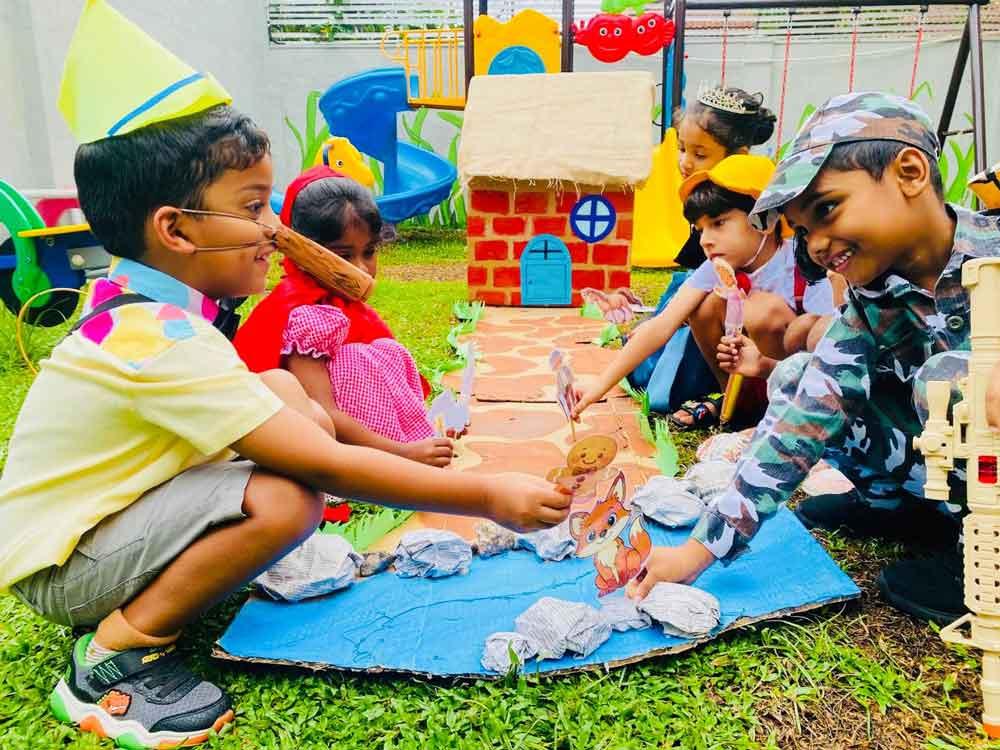
Now imagine a different approach. After the story, the teacher sets up a provocation. Three bowls of porridge at different temperatures. A child-sized chair, a parent-sized chair, and a doll-sized chair. Three beds of different sizes. The children can touch, feel, compare. They can discover for themselves what "too hot" and "too cold" mean. They can try sitting in each chair and notice which feels "just right." They can measure the beds with their own bodies. The teacher asks questions that have no single answer. "Why do you think Goldilocks chose the smallest bowl?" "What would you have done differently?" "Was Goldilocks being curious or naughty? Or both?" The children think. They argue. They see different perspectives. Some say Goldilocks was wrong to go inside. Others say she was just exploring. The teacher does not declare a winner. The thinking is the point. Later, the children are invited to act out the story with puppets. But there is a twist. "What if Goldilocks knocked on the door first? How would the story change?" "What if the bears came home while she was still eating?" The children create new endings. New problems. New solutions. They are not just remembering a story. They are rewriting it. Thinking it. Making it their own. This is student-led learning. The teacher provides the provocation. The children do the thinking. And the learning is deeper because it came from them.
Provocations - The Art of Sparking Wonder
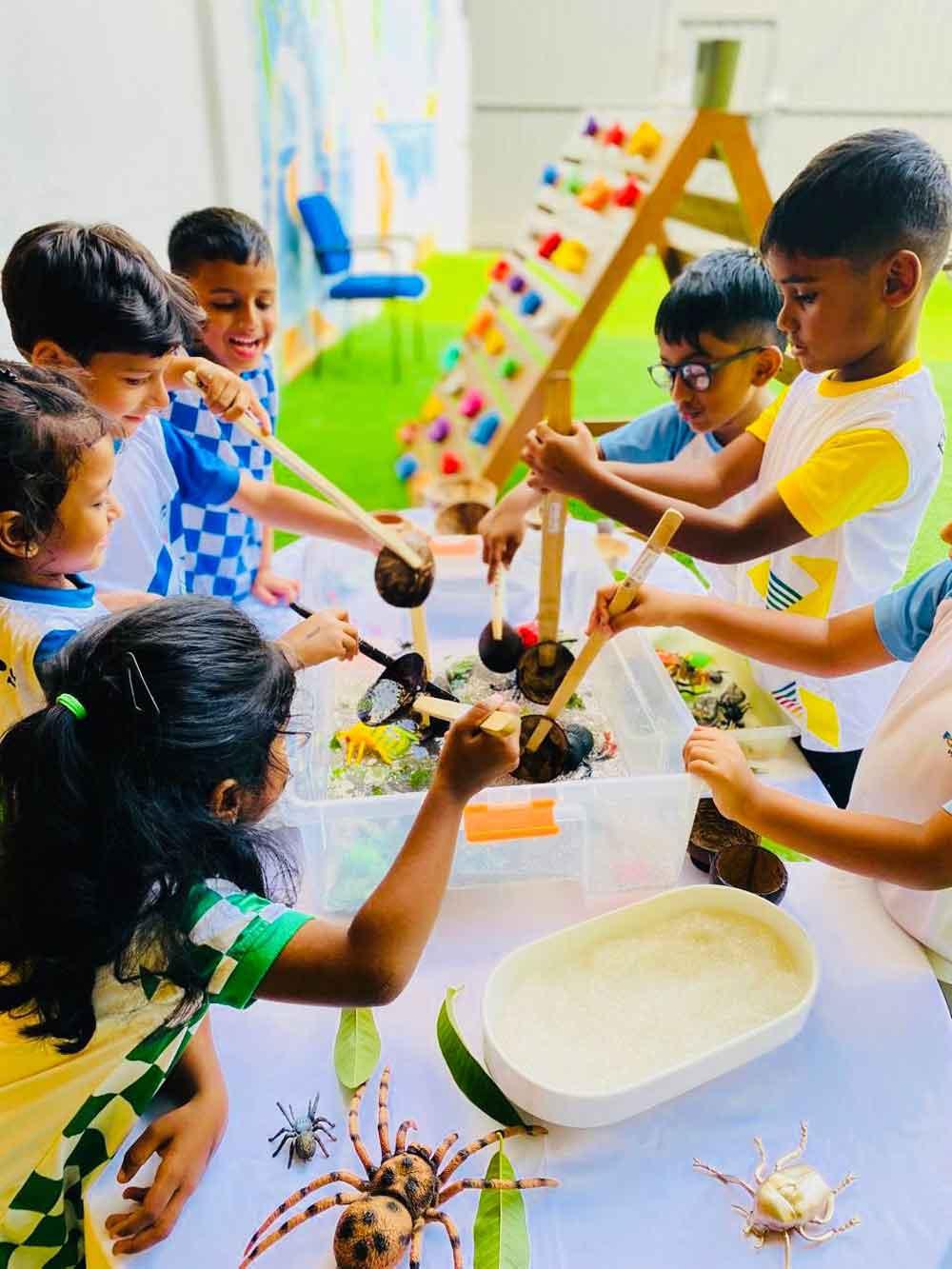
These examples show what provocations can do. A provocation is simply something that makes children wonder. A question. An object. A picture. A mystery. A story with a pause. Something that invites exploration without demanding a specific outcome. After reading Room on the Broom, the provocation was a basket of twigs and string. No instructions. Just materials and trust. The children did the rest. After reading Goldilocks, the provocation was three bowls, three chairs, three beds. The children touched, tried, compared. They discovered concepts like size, temperature, and comfort through their own bodies. The materials are simple. The effect is powerful. Children are naturally curious. Provocations give that curiosity somewhere to go. The best provocations have no single right answer. They have many possibilities. They invite questions, not conclusions. They say: wonder here. Explore here. See what you discover.
What This Requires from Adults
This approach is not easier. It is harder. It requires letting go of control. Trusting that children can think. Resisting the urge to jump in with the answer. It requires patience. Watching a child struggle without rescuing them. Letting them try, fail, and try again. It requires skill. Knowing when to ask a question and when to stay silent. Knowing what provocation will spark which child's curiosity. Knowing how to guide without directing. It requires faith. That children are capable. That they will learn what they need. That the process matters more than the product. For teachers trained in traditional methods, this can feel uncomfortable. For parents who want to see immediate results, it can feel slow. But the evidence is clear. Children who learn to think critically, to direct their own learning, to persist through challenge; these children do not just perform better in school. They become adults who can solve problems, adapt to change, and create new possibilities. The world does not need children who can recite facts. It needs children who can think. Who can look at a problem and imagine solutions. Who can gather information, test ideas, learn from failure. Who can ask good questions and persist until they find answers. These skills are not taught by worksheets. They are built by experience. By wondering. By trying. By failing. By trying again. A story room with twigs and string. A story walk, with questions. Three bowls of porridge and a chance to compare. These are not fancy extras. They are the heart of real learning. So, the next time a child asks a question, do not give them the answer. Give them the question back. Watch what happens. They might just surprise you.