BEYOND HANDOUTS: WHY SRI LANKA NEEDS MORE ECONOMIC LEADERSHIP

From Relief to Empowerment
There are two kinds of service. One relieves suffering. The other prevents it. One feeds a family for a day; the other creates the means for that family to feed itself for generations. Both are indispensable. Yet in a country attempting to rebuild its economy after its worst financial crisis in decades, it is perhaps the second that deserves far greater attention than it usually receives.
For generations, service organisations have responded admirably to immediate human need. They have built schools, conducted medical camps, distributed relief after floods and droughts, funded scholarships and supported countless humanitarian causes. Such work has transformed lives and will always remain an essential part of civil society. But as Sri Lanka slowly shifts from crisis management towards economic recovery, perhaps it is time to ask a different question. Can service organisations do more than alleviate hardship? Can they help create prosperity itself?
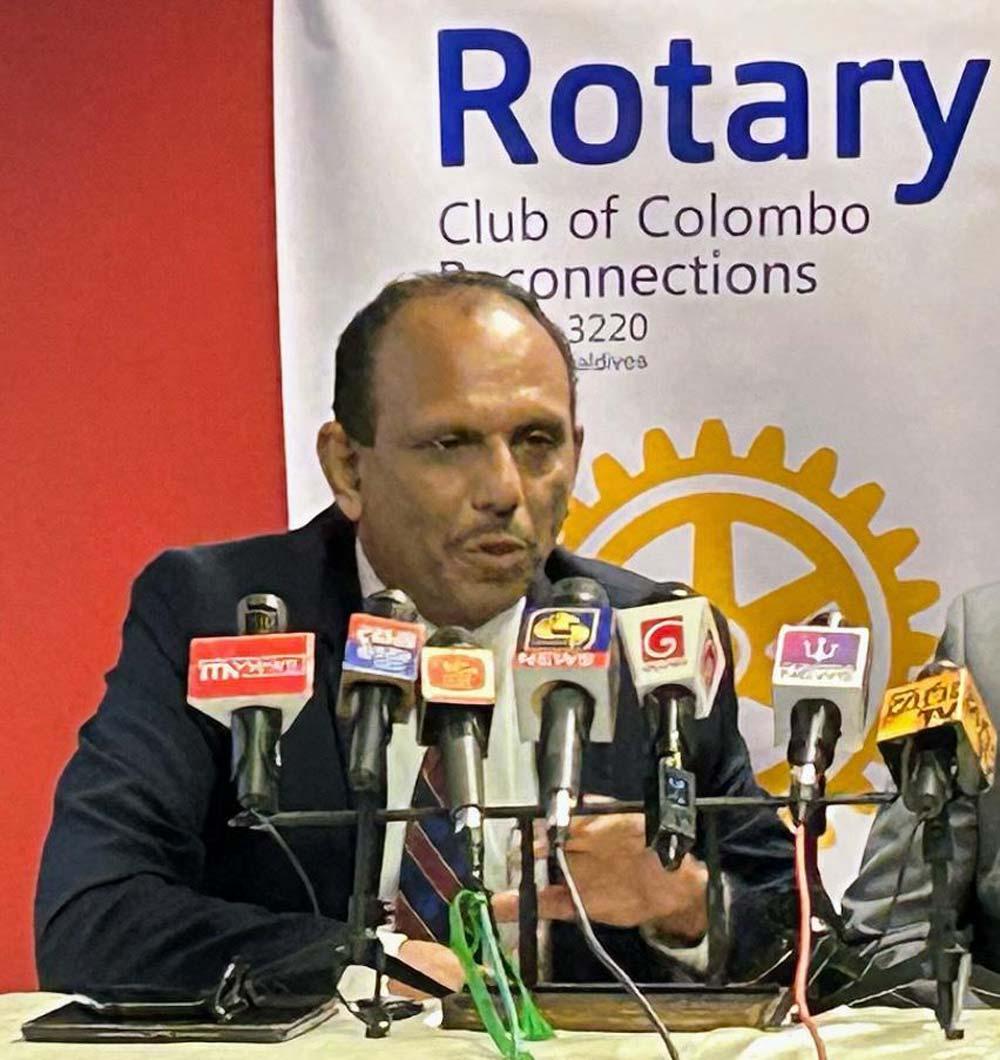
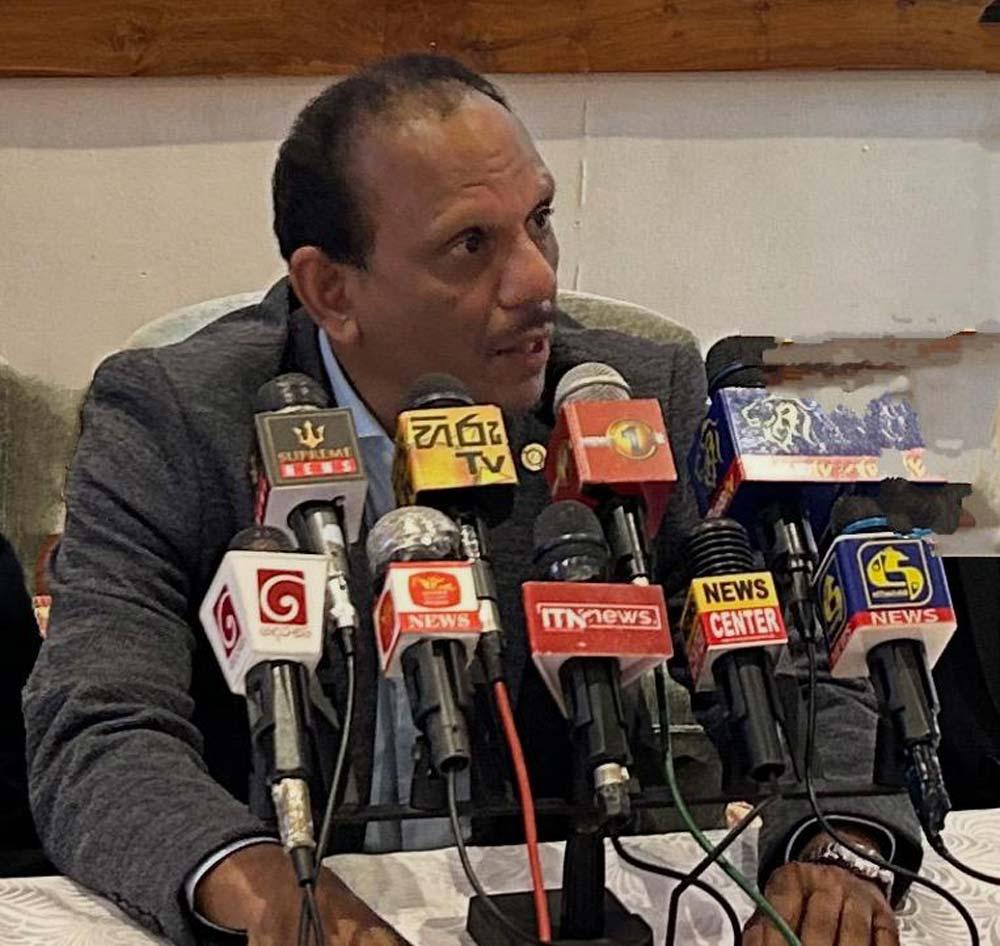
That question appears to have guided the work of Rotary International District 3220 Sri Lanka and Maldives during the 2025-2026 Rotary year under the leadership of District Governor Delvin Pereira. Rather than selecting another traditional humanitarian project as its flagship initiative, the district chose to focus on the development of micro, small and medium enterprises (MSMEs). At first glance, supporting entrepreneurs may seem an unusual priority for a service organisation. On closer examination, however, it may represent one of the most sustainable forms of service imaginable.
 The Backbone of the Economy
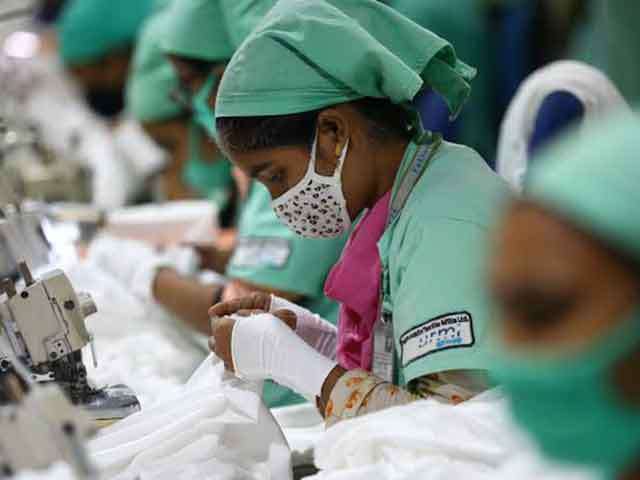
Micro, small and medium enterprises are often described as the backbone of Sri Lanka's economy, and rightly so. They account for almost 45 per cent of employment and contribute well over half of the nation's Gross Domestic Product. Behind those statistics are hundreds of thousands of ordinary Sri Lankans, from small manufacturers to home-based food producers to artisans, retailers, software developers, farmers and family businesses, whose enterprises provide not only income for their own households but employment for countless others. When these businesses flourish, communities flourish. When they collapse, the consequences ripple far beyond individual families.
The economic crisis exposed just how vulnerable this sector had become. Rising costs, shrinking consumer demand, limited access to finance, weak market connectivity and inadequate digital capability forced many enterprises to scale down or cease operations altogether. Governor Pereira himself observed that hundreds of thousands of small businesses were either closing or on the verge of closure, with consequences extending far beyond economics. Businesses closing meant children withdrawn from schools, families unable to afford nutritious food, healthcare postponed and dreams quietly abandoned. Poverty is rarely an isolated event. It is a chain reaction.
When Service Creates Opportunity
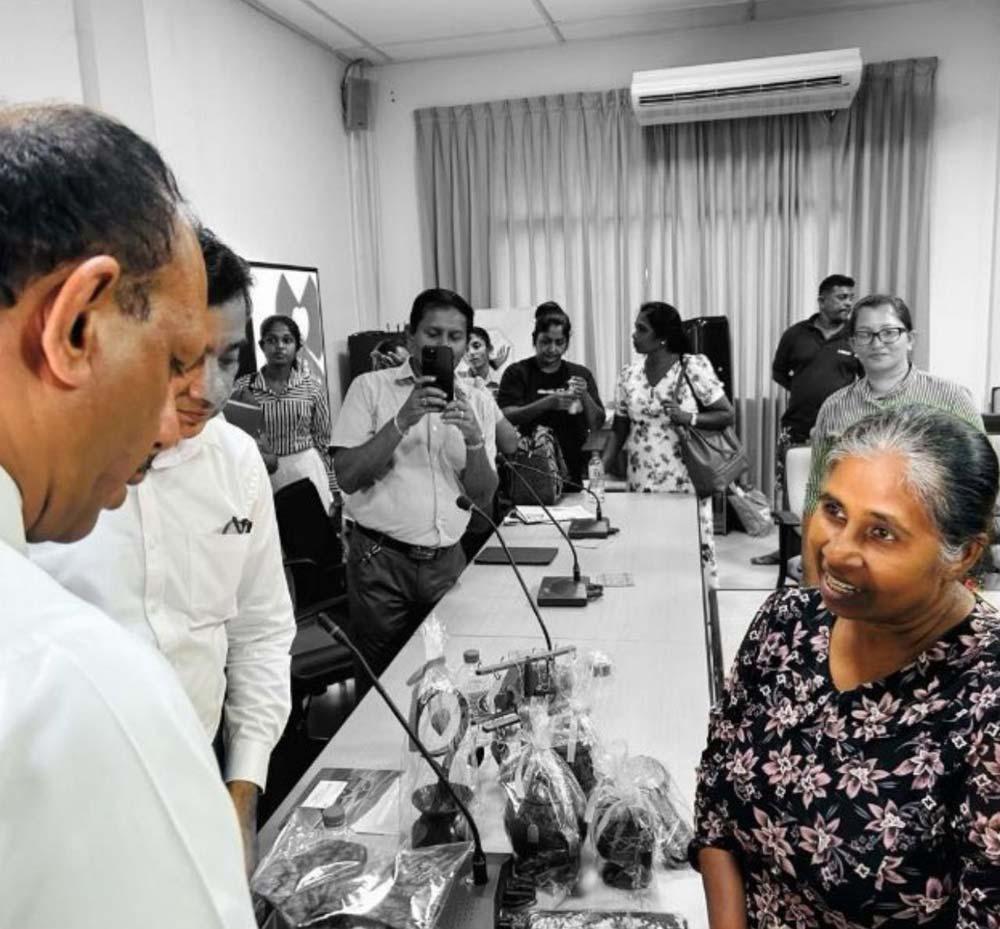
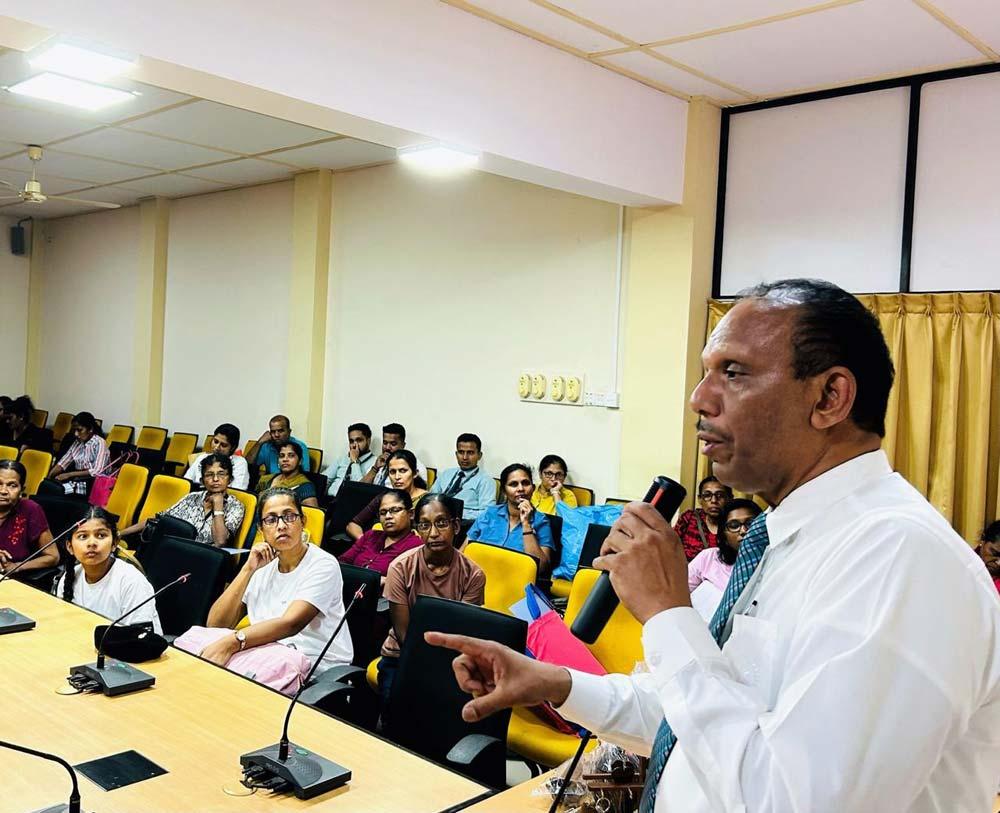
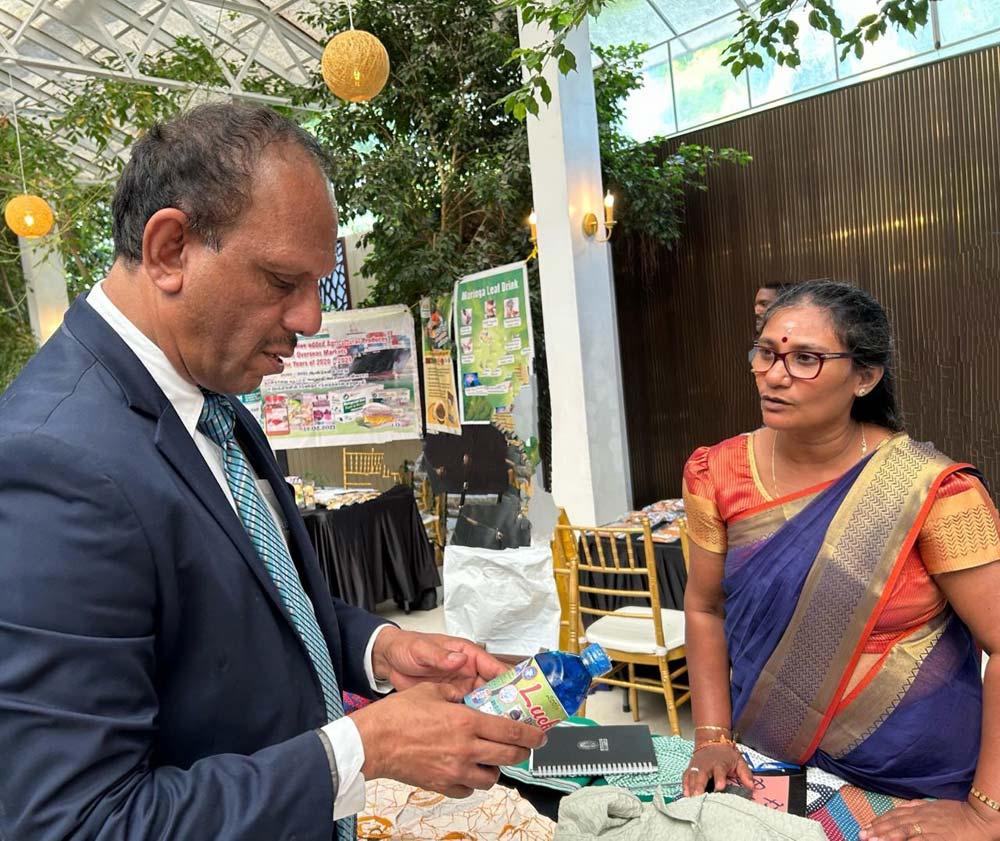
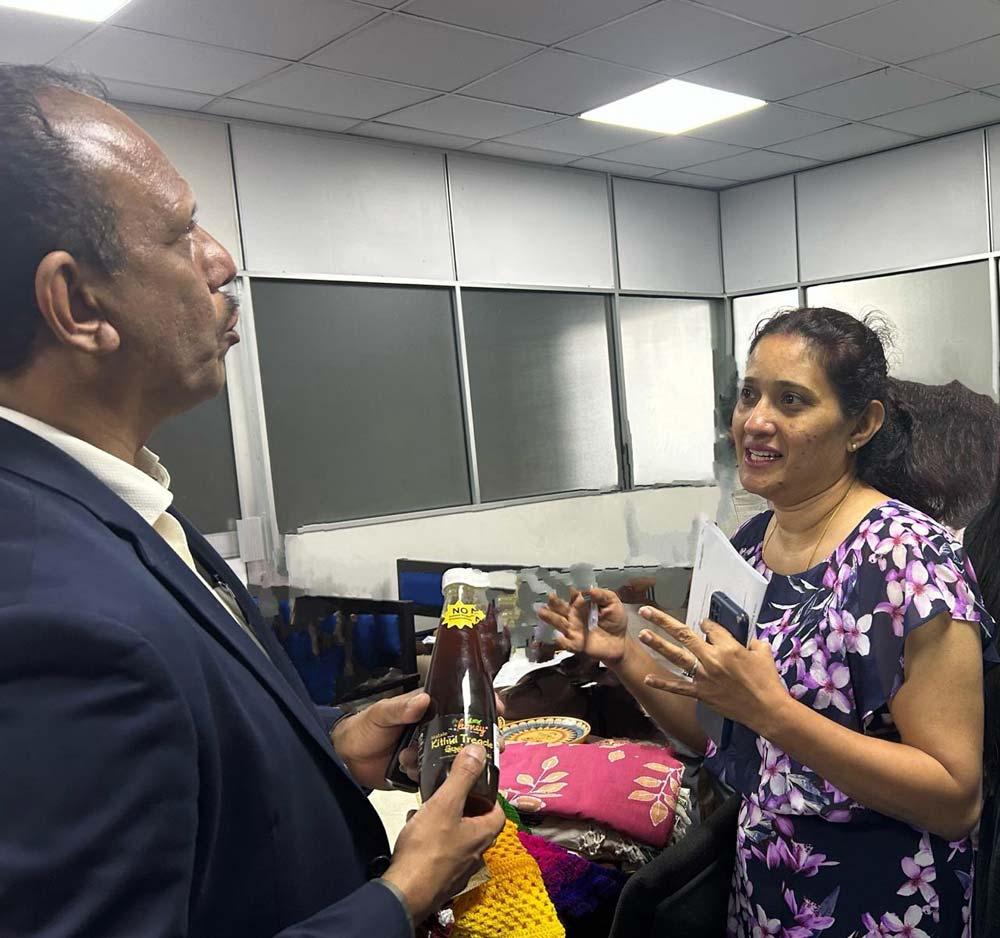
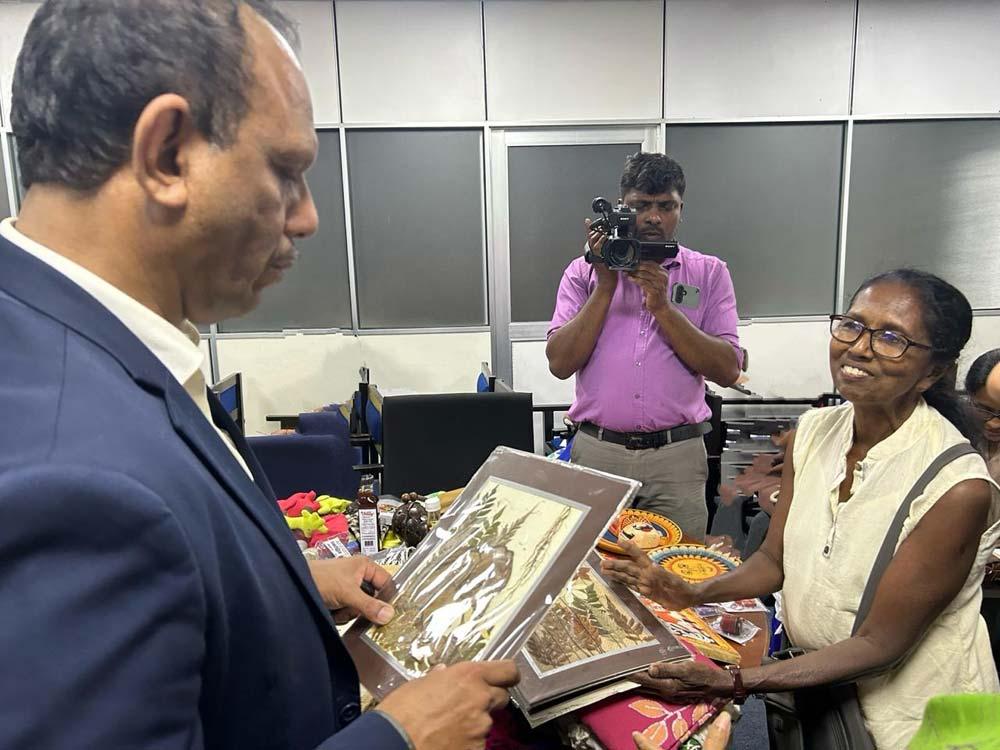
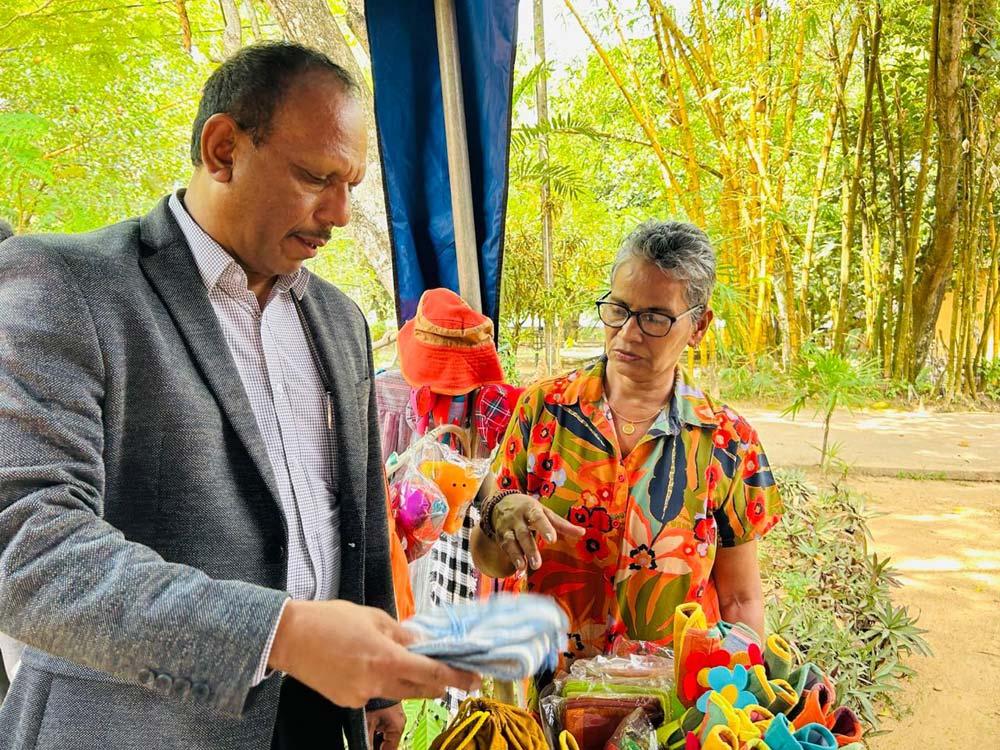
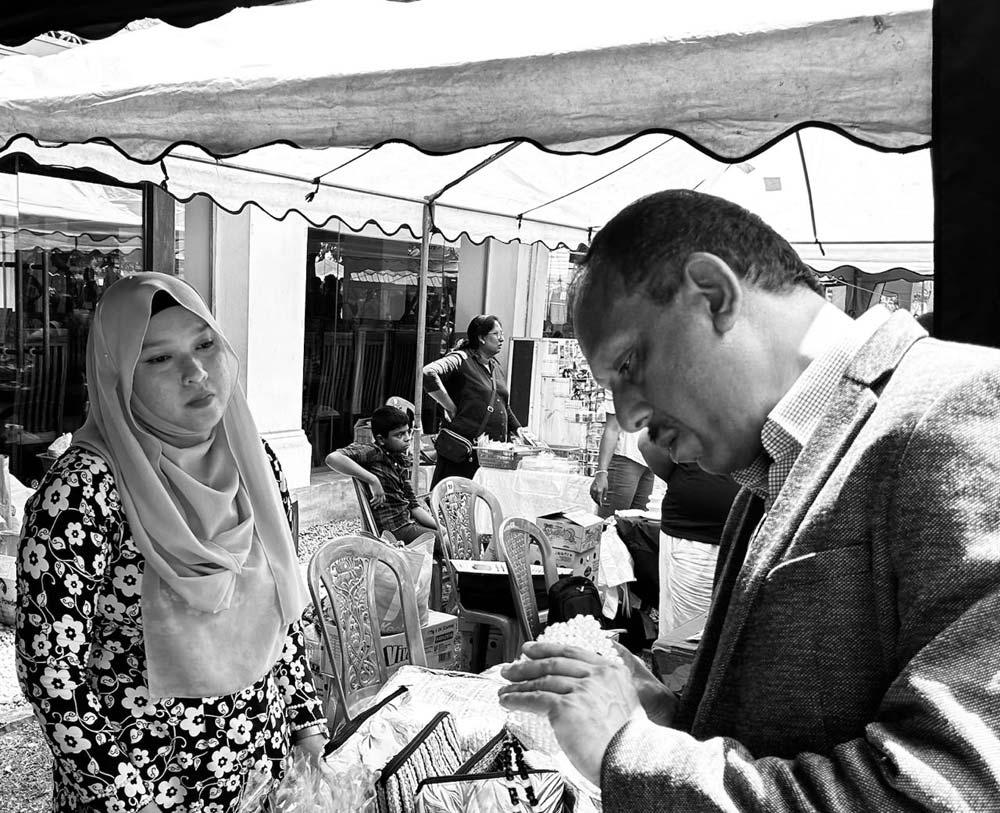
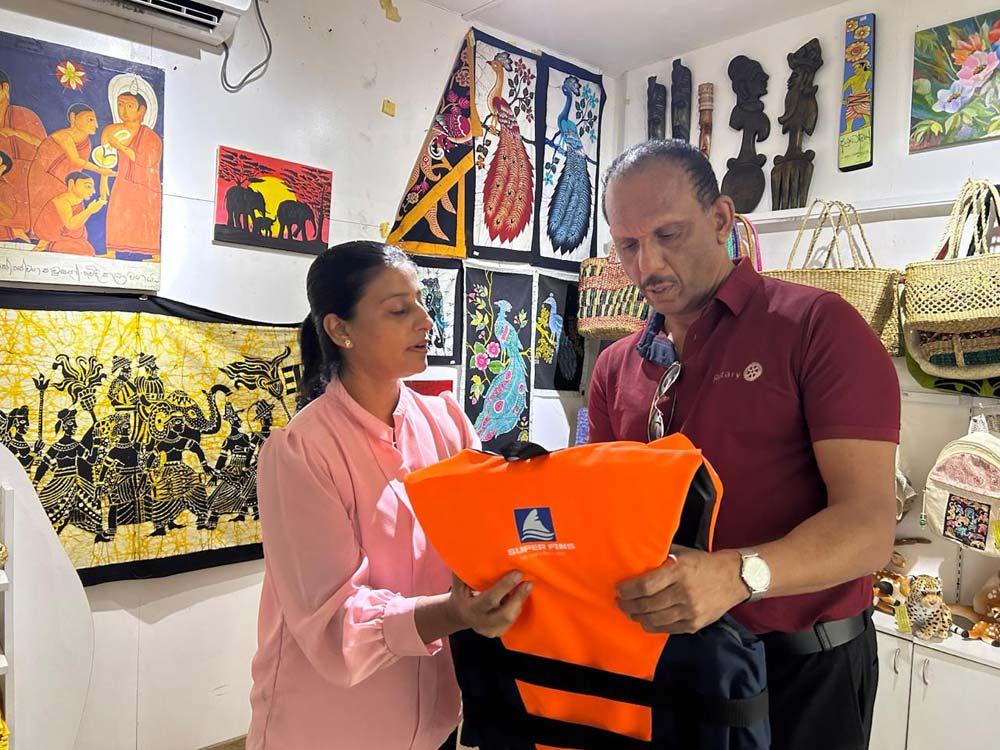
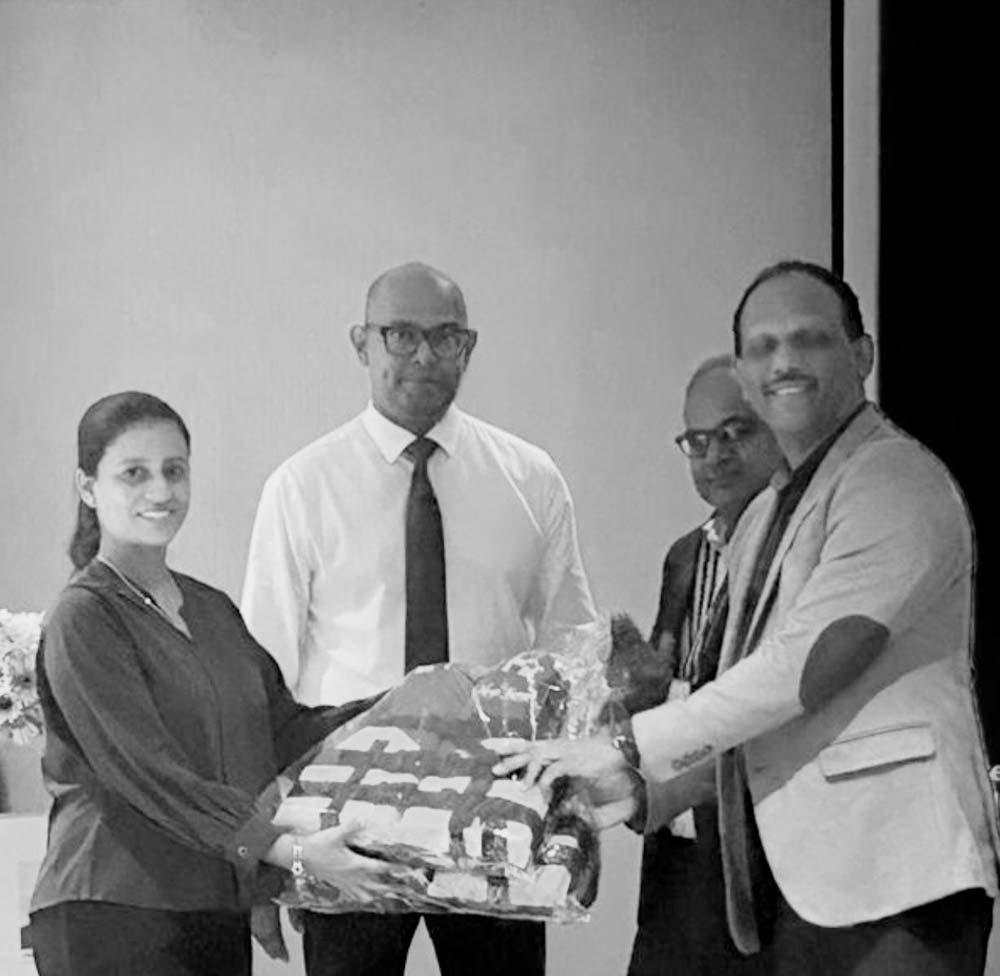
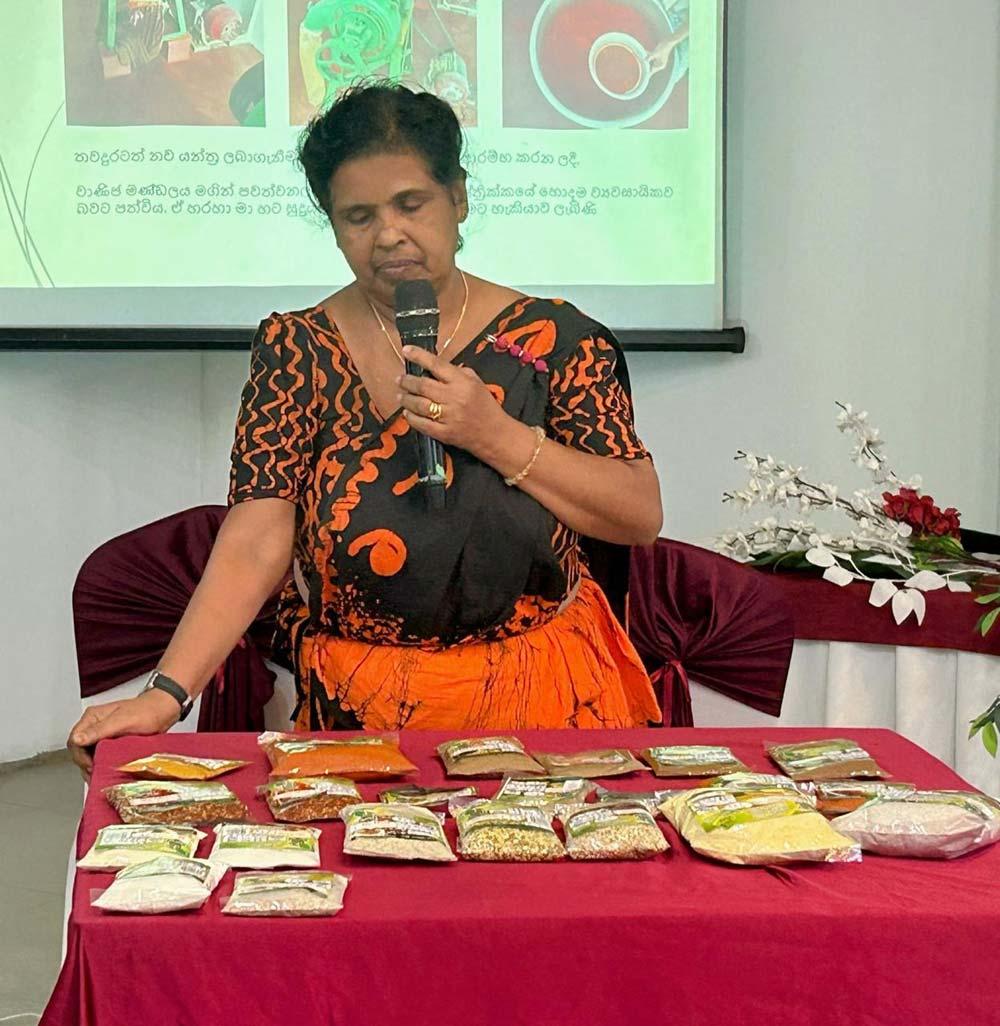
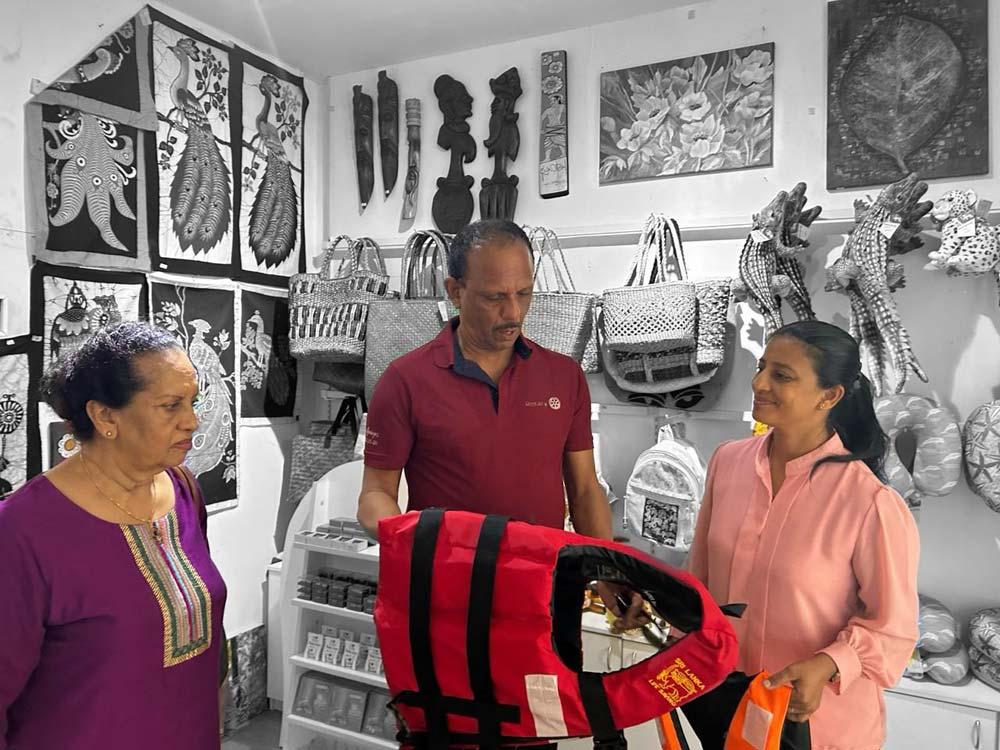
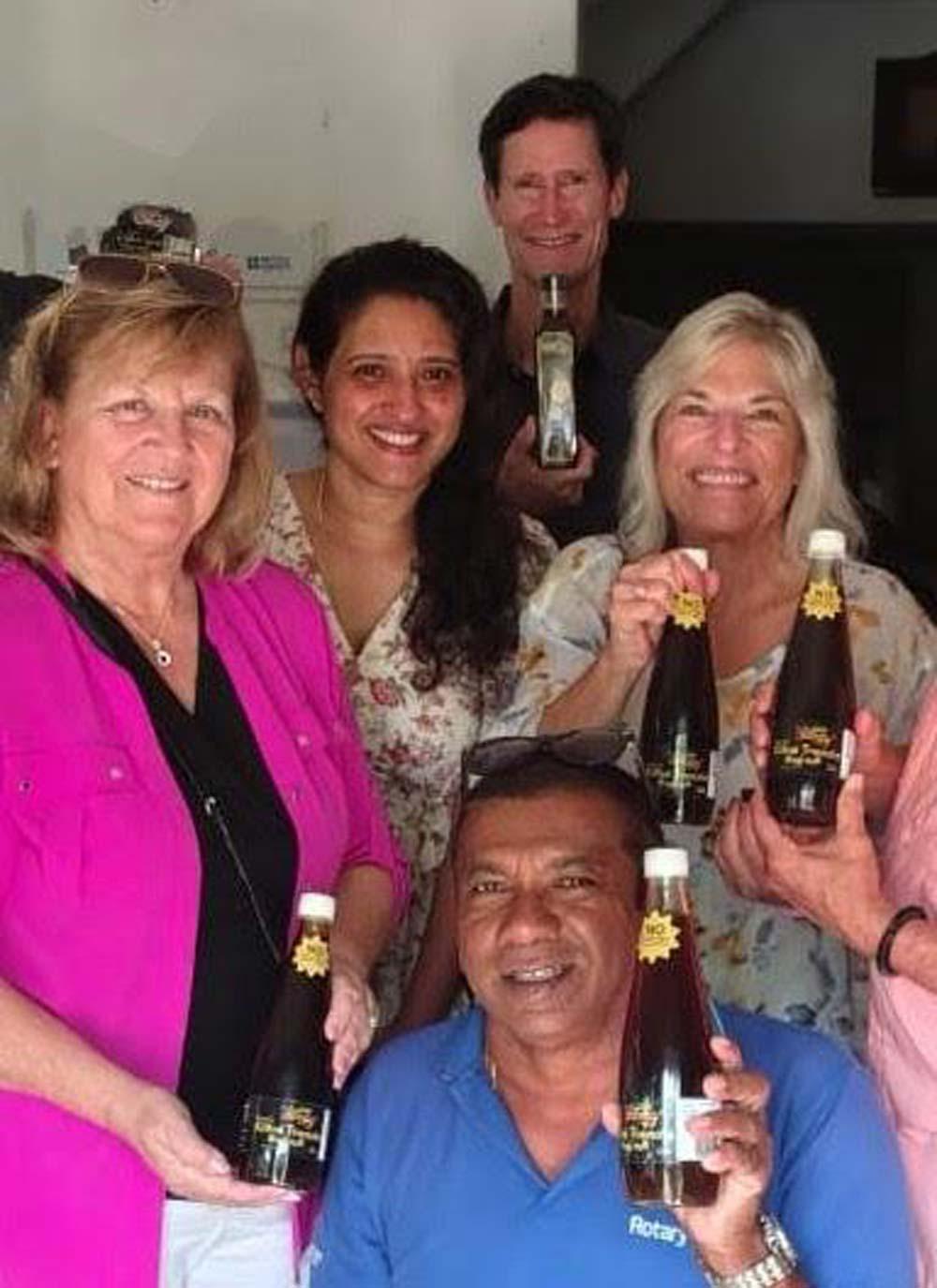
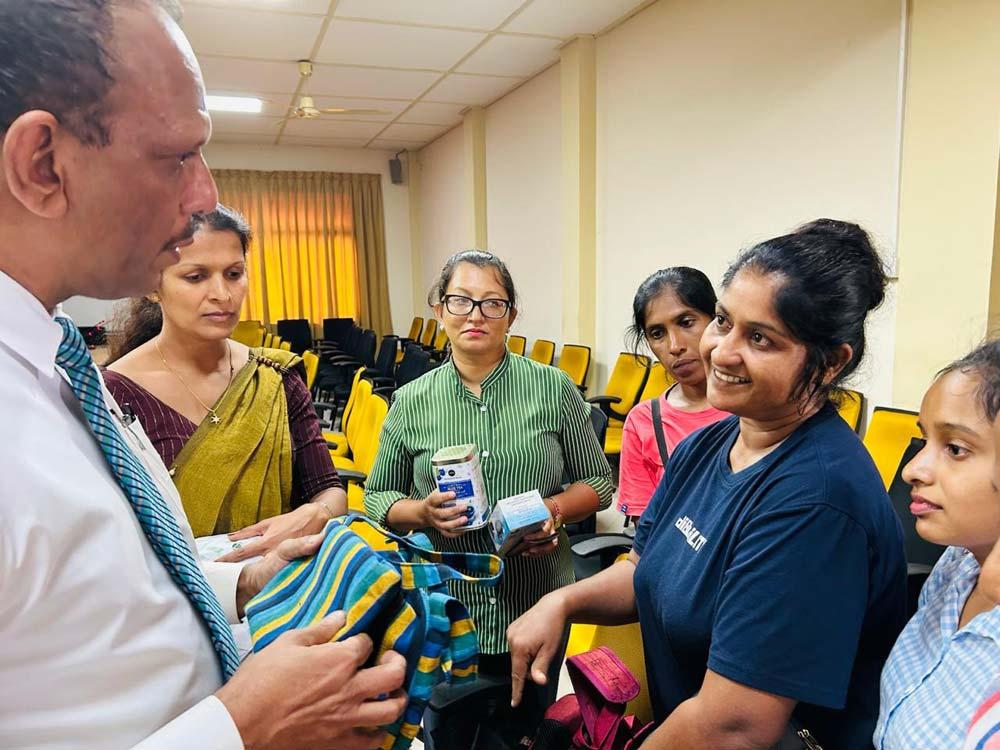
It is against this backdrop that Rotary's flagship MSME initiative deserves attention. Throughout the year, the district trained close to 4,000 entrepreneurs across Sri Lanka in digital marketing, capacity development, branding and export readiness under its "Made in Sri Lanka" programme. The objective was refreshingly practical: not simply to provide advice, but to equip businesses with the knowledge and networks required to become competitive in increasingly demanding markets.
What makes this initiative particularly significant is that Rotary did not attempt to replace existing institutions. Instead, it acted as a catalyst by bringing together organisations that rarely collaborate as closely as they should. Partnerships were forged with the National Enterprise Development Authority (NEDA), the Information and Communication Technology Agency (ICTA), the Colombo Stock Exchange, and other financial institutions and private sector stakeholders, recognising that meaningful economic development cannot occur in isolation.
One example illustrates this approach particularly well. Rotary and NEDA jointly organised a series of SME Conclaves that carefully identified businesses already demonstrating recognised quality standards such as Sri Lanka Standards Institution certification and Good Manufacturing Practice compliance. Rather than simply celebrating these enterprises, Rotary sought to connect them with international markets through its extensive global network. Discussions were already underway with Rotary clubs in countries such as the United Kingdom and Australia to introduce selected Sri Lankan products into overseas supply chains. This was not charity. It was market creation.
Equally noteworthy was the district's partnership with ICTA, recognising that digital capability has become one of the defining characteristics of successful businesses. Today's entrepreneur requires far more than technical expertise. Digital branding, online marketing, data analytics and access to international e-commerce platforms increasingly determine whether a business survives or stagnates. By helping entrepreneurs acquire these skills, Rotary was investing not in temporary assistance but in long-term competitiveness.
Education Beyond the Classroom
The initiative also demonstrated that economic development should be inclusive. Youth-led enterprises, women entrepreneurs and businesses operating in regions still recovering from economic hardship were deliberately brought into the programme. In districts affected by disasters and prolonged financial difficulties, such interventions acknowledged a simple truth: rebuilding livelihoods is often the most effective form of community rehabilitation.
Perhaps the greatest lesson, however, lies beyond the statistics. Supporting entrepreneurs is, in many respects, an educational endeavour. Education has never been confined to classrooms or examinations. Its true purpose is to enable individuals to think independently, solve problems creatively and become capable of shaping their own futures. Teaching an entrepreneur how to build a brand, improve quality standards, access export markets or embrace digital technologies is no different. It is education in its most practical form because it develops capability rather than dependency.
The Future of Service
Too often, we measure the success of service organisations by the number of beneficiaries reached or the value of donations distributed. Those measures have their place, but perhaps they are incomplete. A bag of groceries provides relief for a week. A successful enterprise may provide employment for dozens of families for decades. A scholarship benefits one student. A thriving small business creates opportunities for many more. The true measure of service may therefore lie not in what we give away, but in what we enable others to build for themselves.
There is a lesson here for every civic organisation in Sri Lanka. As the country continues its long journey towards economic recovery, perhaps service itself must evolve. Compassion will always matter, but compassion alone is not enough. It must be accompanied by empowerment, capability and opportunity. The challenge before us is no longer simply to help people survive today's difficulties; rather, it is to ensure they no longer need our help tomorrow. That may well be the most meaningful form of service any organisation can offer - not merely extending a helping hand, but helping others build the strength to stand on their own.