THE UNANSWERED QUESTION: WHAT AN EVENING OF CLASSICAL MUSIC HAD TO IMPART ABOUT CULTURE, GRATITUDE AND GROWING UP
BY SHALEEKA JAYALATH
Before long, someone will probably ask whether classical music is dying. It is a question that resurfaces every few years, usually accompanied by gloomy predictions about shrinking audiences, short attention spans and a generation supposedly incapable of appreciating anything that lasts longer than a TikTok video. Yet an evening at the Lionel Wendt Theatre earlier this month suggested something rather different. Classical music is not dying; rather, it is evolving, adapting and, in the hands of those willing to take risks, continuing to ask questions that are as relevant today as they were centuries ago.
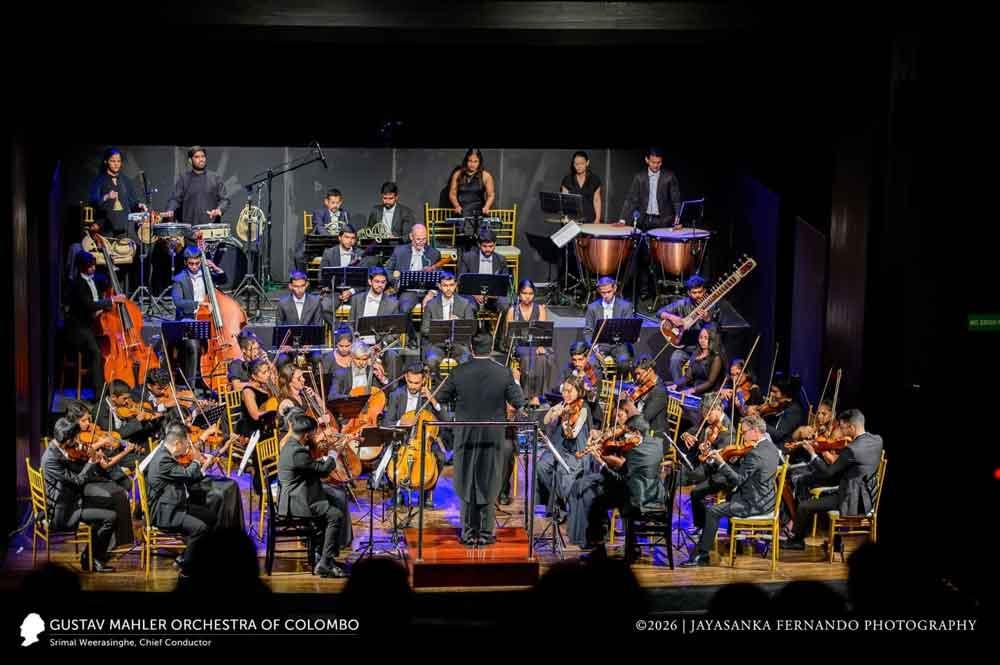
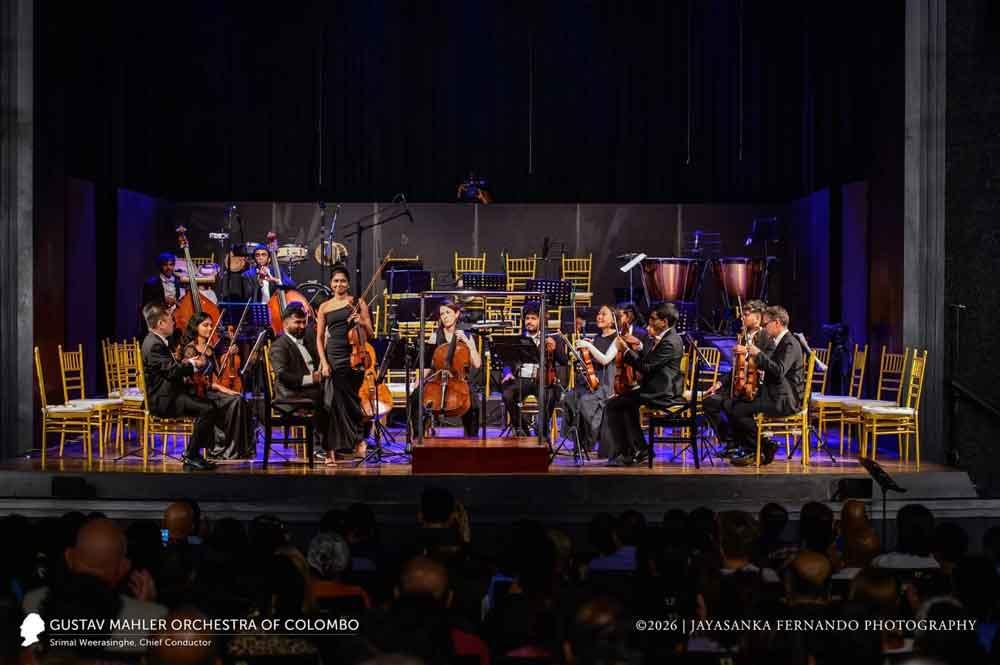
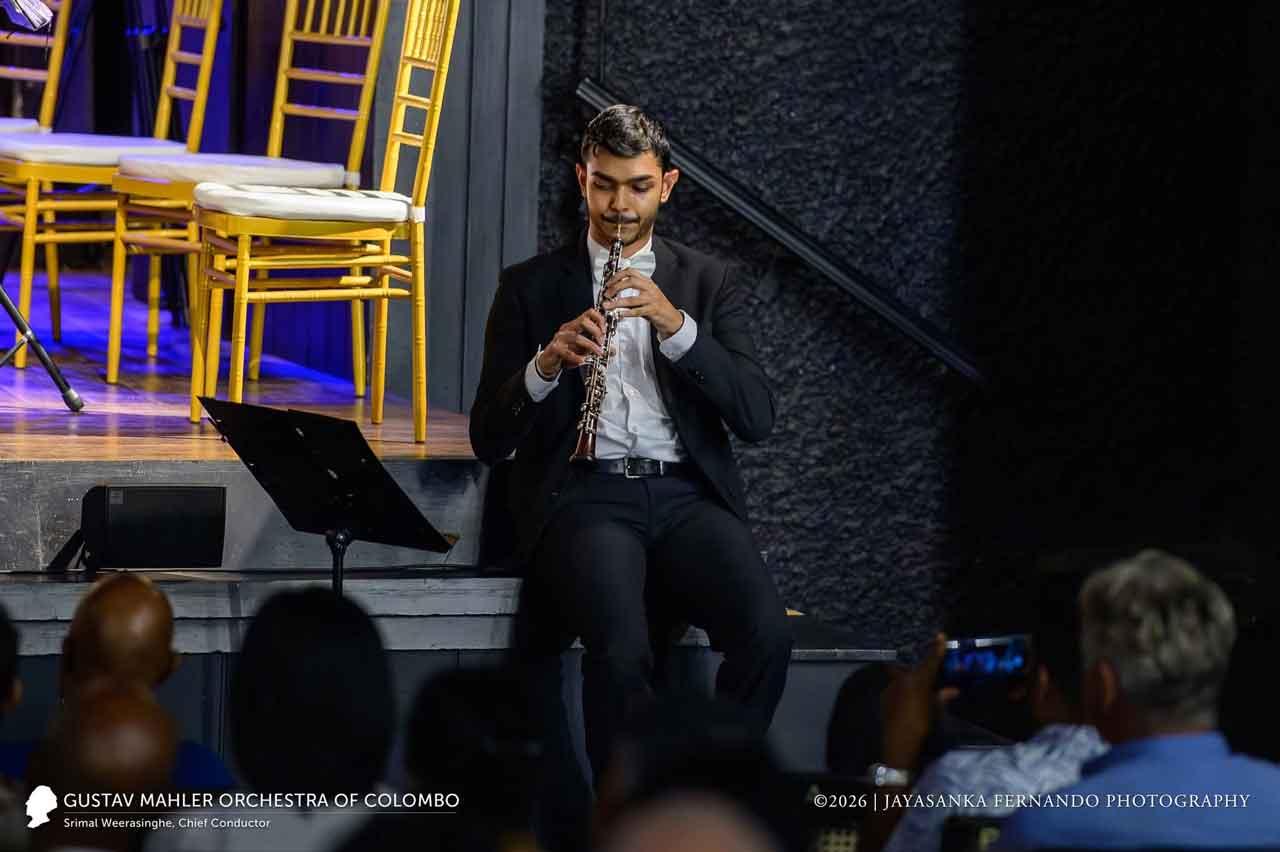
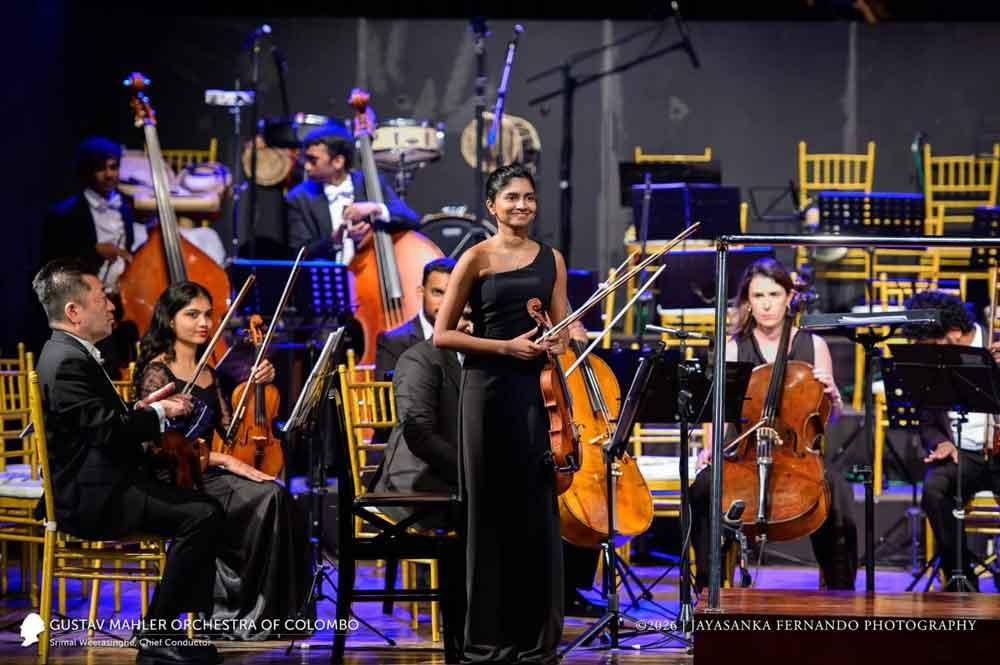
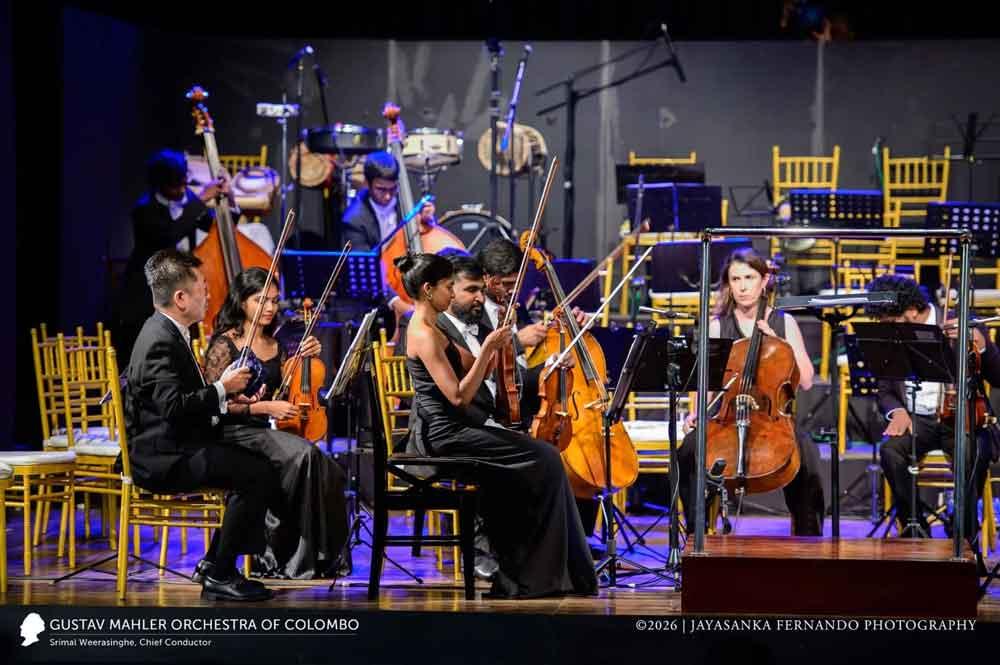
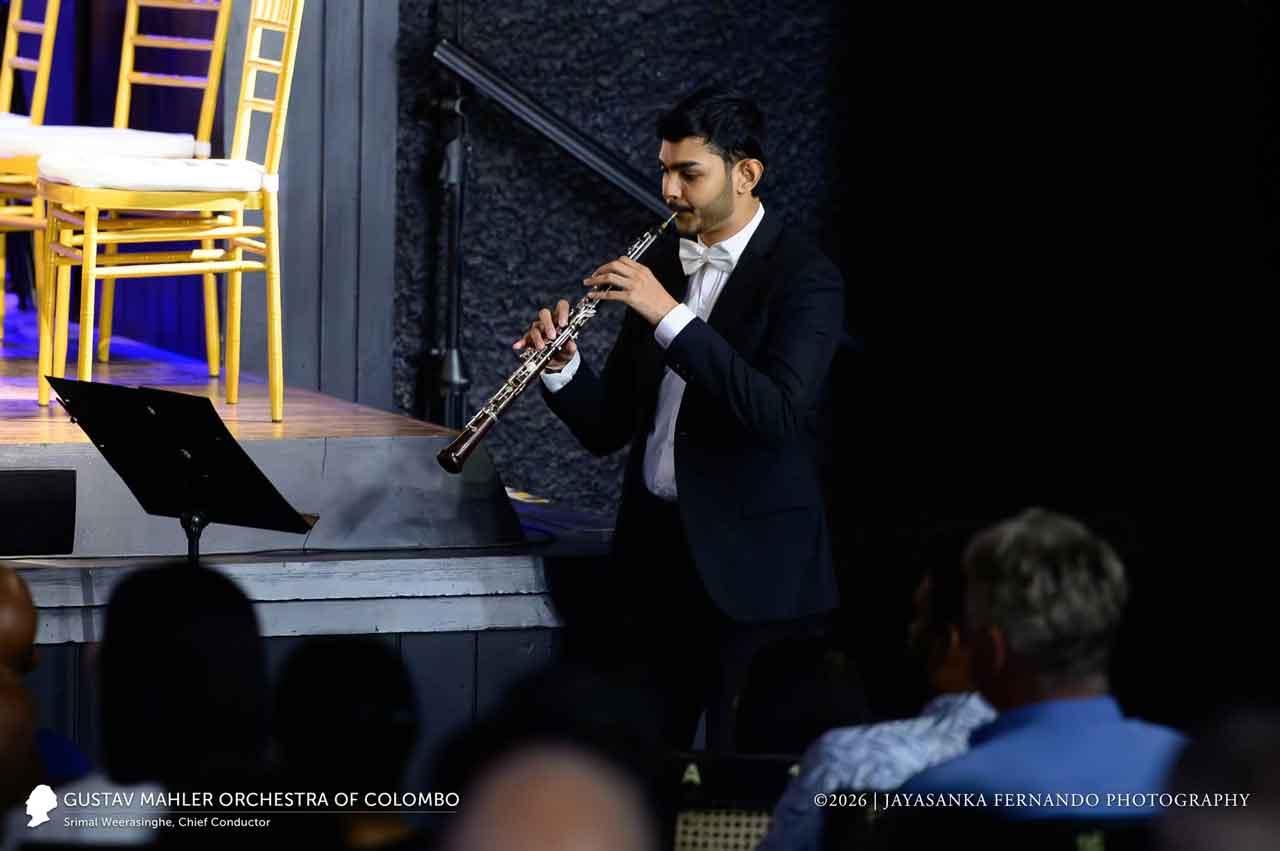
The opening concert of the 2026/2027 season of the Gustav Mahler Orchestra of Colombo was not quite what one might expect from an ensemble known for introducing Sri Lankan and South Asian audiences to the compositions of Gustav Mahler. Music Director and Conductor Srimal Weerasinghe chose not to begin with (or even include!) Mahler at all, but instead to commence with Charles Edward Ives’ intriguing work, The Unanswered Question. Written by an American contemporary of Mahler, the piece revolves around perhaps the oldest question humanity has ever asked: what is the purpose of life? In an interesting departure from convention, the musicians were physically separated, with some even stationed in the balcony, so that the musical “answers” to the recurring question appeared to emerge from different corners of the auditorium. Having grown up on more traditionally structured concerts with the entire orchestra assembled on stage, I found this unconventional arrangement refreshing. Whether it entirely succeeded is another matter. To my (lay albeit appreciative) ears, The Unanswered Question while being conceptually fascinating, proved to be one of the most musically tedious compositions I have encountered. Yet, in a world where so much artistic programming is designed never to offend, surprise or challenge, there was something admirable in presenting audiences with something unfamiliar.
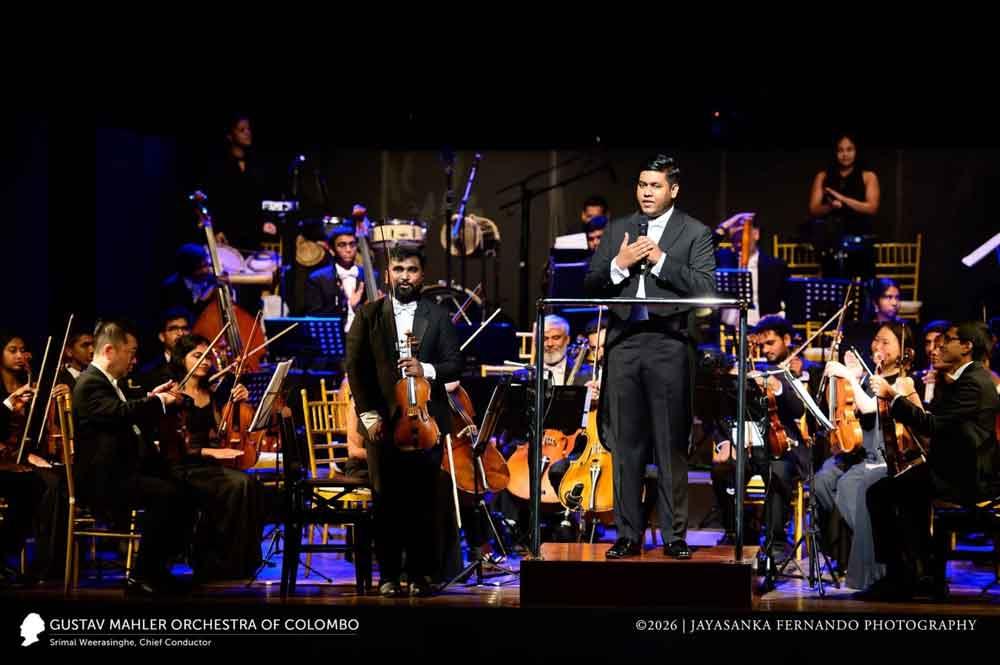
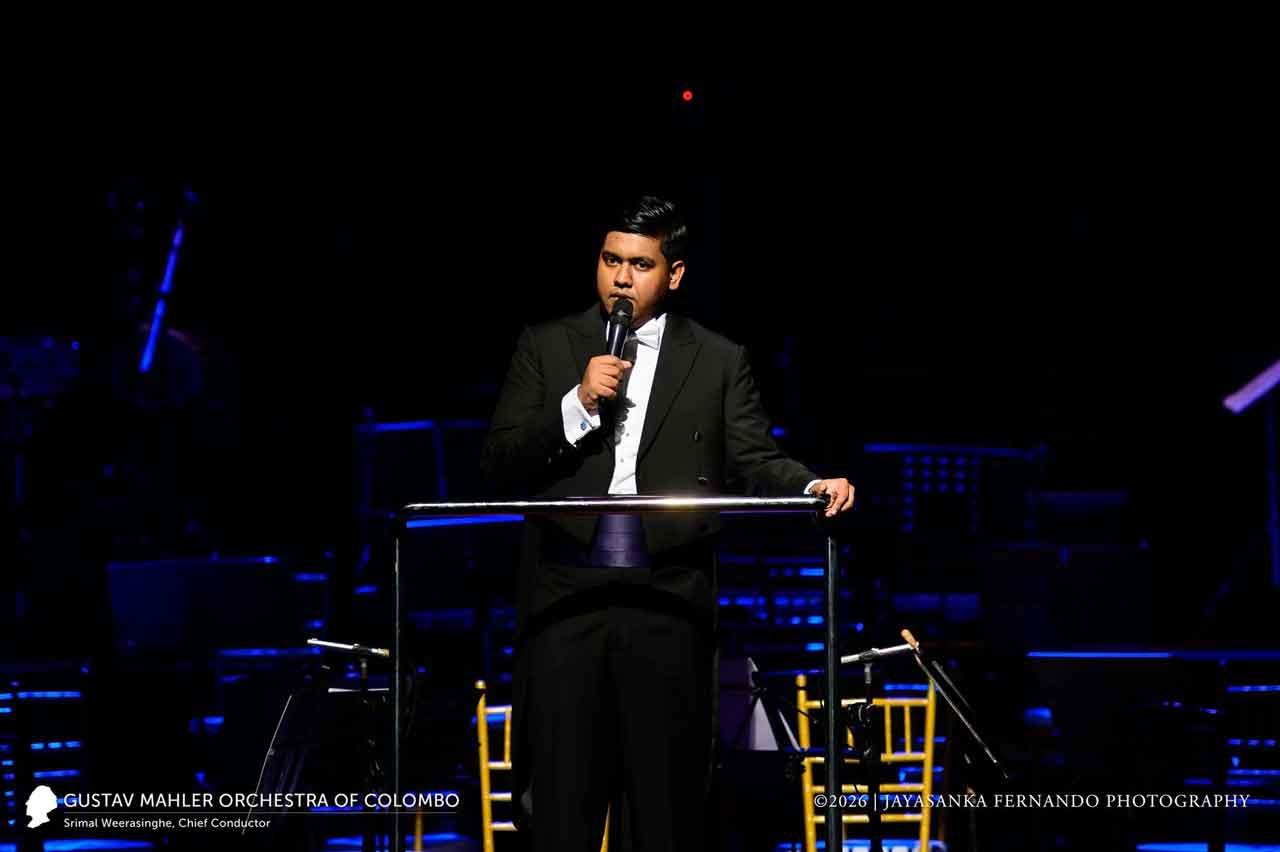
Equally unconventional was the conductor’s decision to introduce each work personally. Purists may argue that the programme notes should suffice. Unfortunately, that assumes audiences actually read them. We live in an age where many, particularly those belonging to Generation Z, arrive at events having done little or no preparation. Information is expected to be delivered instantly and effortlessly. So while the introductions lengthened the evening and occasionally threatened to turn the programme into a lecture, the extra minutes of explanation were a small price to pay if (as I suspect) the audience gained context and left having understood more than they did when they arrived.
Fortunately, once Ives had posed his existential question, the evening provided its own answer.
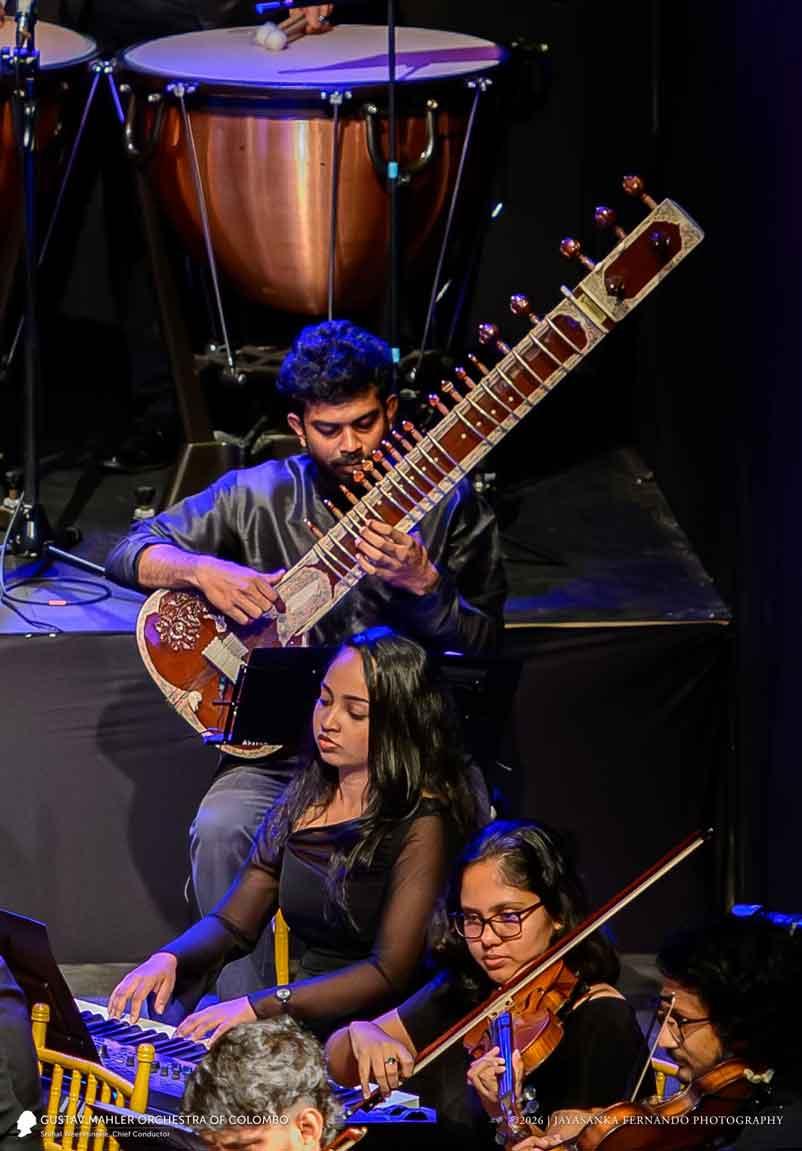
The world premiere of Ashoka Pushpakumara’s Sansara: A Life’s Journey was undoubtedly the highlight of the programme. Suddenly, the logic behind opening with Ives became apparent (and the decision forgiven too!). The unanswered question of existence was followed by an answer rooted in Eastern philosophy and the Buddhist understanding of samsara. More importantly, here was a Sri Lankan composition occupying centre stage, not as an exotic addon or token local item, but as a work of genuine beauty and sophistication.
In a society increasingly obsessed with borrowed prestige and the dropping of international brand names, there was something quietly revolutionary about local and foreign musicians coming together to celebrate Sri Lankan creativity. Pushpakumara’s work was remarkable not merely because it was Sri Lankan, but because of how deeply it drew upon our cultural memory. Lullabies gave way to children’s play songs, youthful melodies hinted at romance, traditional drums and ritual rhythms evoked later stages of life, and all these elements flowed seamlessly into a larger musical journey. It was recognisably ours without ever descending into cliché.
The programme concluded with four movements of Mozart’s majestic “Jupiter” Symphony. It was, perhaps, a relatively short evening by the standards of older generations accustomed to lengthy concerts and intervals. Yet in an era of diminishing attention spans, perhaps brevity is no bad thing. The younger members of the audience appeared thoroughly engaged, proving once again that appreciation for culture is not necessarily a casualty of youth.
That is not to say the evening was without disappointments. Ironically, the younger audience members who usually communicate almost exclusively through devices, seemed to have forgotten the most basic etiquette of a live performance: silence. Two young people seated in front of me chatted incessantly throughout the concert until an elderly gentleman beside them finally asked them to be quiet. Apparently, one can possess digital literacy without possessing social literacy. Exposure to culture, it would seem, must include exposure to manners!
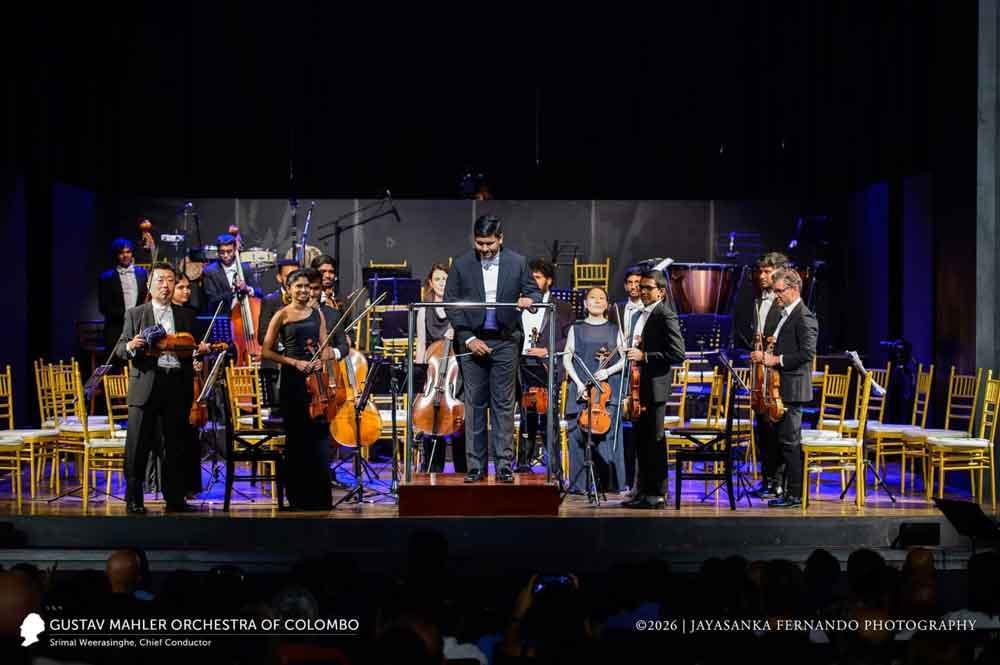
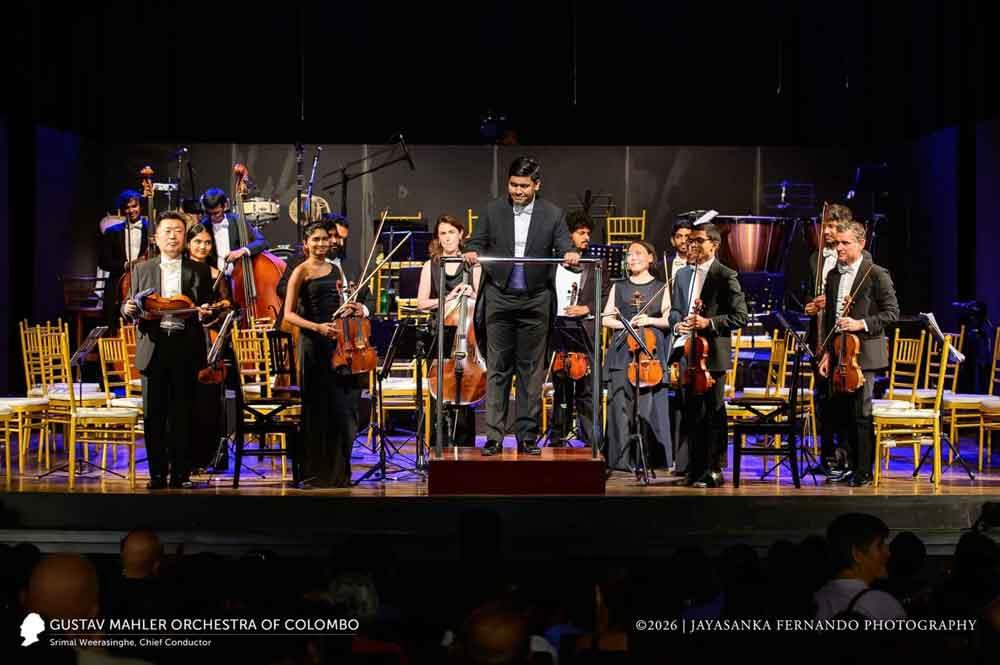
Despite the evident pathos in the music, the most moving moment came after the music had ended. Instead of the traditional encore, Srimal Weerasinghe chose to honour an orchestra member who was leaving after four years. There were flowers, certainly, but more touching still was the orchestra’s collective tribute: a beautiful rendition of Auld Lang Syne. It was a simple gesture, yet profoundly human. In an age where gratitude is often dismissed as oldfashioned and relationships are increasingly reduced to transactions, here was a reminder that saying thank you still matters.
Education, after all, does not happen only in classrooms. Sometimes it happens in concert halls. Sometimes it occurs when unfamiliar music challenges us. Sometimes it emerges through the rediscovery of our own cultural heritage. And sometimes, perhaps most importantly, it reveals itself in those quiet acts of gratitude that remind us what civilisation itself is really about. A night at the orchestra, as it turned out, was able to teach far more than music.