When It Rains, We Complain, But What If It Never Rained!
By Yashmitha Sritheran
Rain has a strange reputation in everyday life. One moment it feels refreshing, calming, and necessary for life, and the next it becomes an inconvenience that disrupts travel, delays plans, and creates frustration in daily routines. When the sky turns grey and the first drops fall, the reaction in most places is predictable. People complain about traffic, soaked clothes, muddy roads, and slower movement. Life suddenly feels more difficult, and the mood of a city often shifts with the weather. Yet despite all this frustration, rain remains one of the most essential natural processes on Earth.
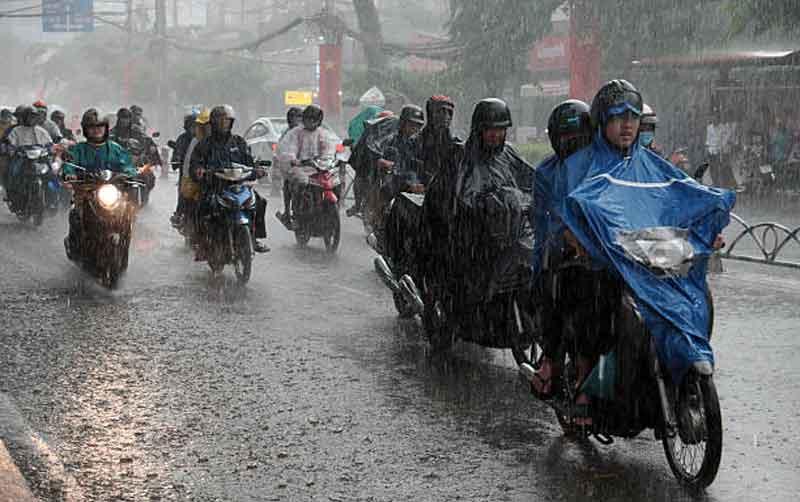
It is easy to focus on the inconvenience because rain directly affects movement and comfort. Roads become slippery, visibility reduces, and transportation slows down. In many places, especially where drainage systems are weak, even moderate rainfall can cause waterlogging and flooding. People who rely on walking or two wheelers face even greater difficulties. Clothes get wet, shoes get muddy, and simple errands take longer than expected. Public transport becomes delayed, outdoor work pauses, and even daily schedules get thrown off balance. In fast paced modern life where every minute is planned, anything that slows things down feels like a problem.
However, the frustration caused by rain is only a small part of the story. The more important question is what would happen if rain stopped completely. At first, the idea might sound like an improvement for those who dislike wet weather. Clear skies every day might seem convenient for travel and outdoor activities. But this comfort would not last for long because rain is not just a weather condition, it is part of the system that sustains life on Earth.
Rain plays a crucial role in maintaining water sources. Rivers, lakes, and reservoirs depend on rainfall to stay full. Groundwater levels are also replenished by rain that slowly seeps into the soil. Without this constant replenishment, water sources would begin to dry up. The water that comes out of taps, supports agriculture, and runs industries would gradually become scarce. What begins as a small reduction in rainfall eventually turns into a serious water crisis affecting homes, farms, and entire cities.
Agriculture would be one of the first and most heavily affected sectors. Many crops depend directly on seasonal rainfall. Even in areas where irrigation systems exist, those systems are supported by natural water reserves that rely on rain. Without rainfall, soil becomes dry and less fertile. Crop production decreases, harvests fail more often, and food prices begin to rise. Over time, food shortages become a real possibility, affecting not just one region but multiple countries that depend on agricultural stability.
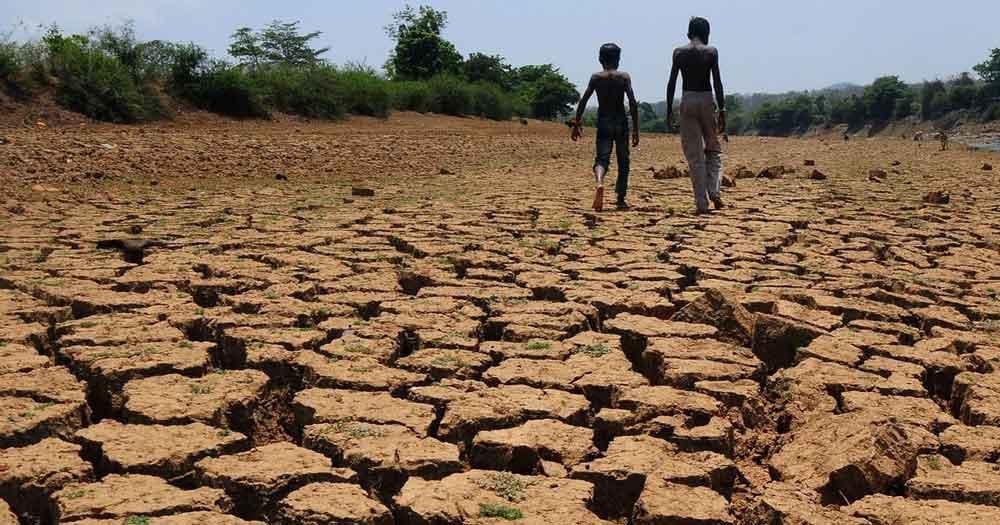
The absence of rain would also lead to drought conditions. At first, people would notice small changes such as drying grass, shrinking rivers, and warmer soil. As time passes, these changes would intensify. Forests would begin to suffer as trees lose access to water. Weak vegetation becomes more vulnerable to disease and fire. Wildlife habitats shrink, forcing animals to migrate or struggle for survival. Entire ecosystems would slowly shift toward dry and barren landscapes.
Cities would face their own set of challenges. Urban areas depend heavily on stable water supply systems for drinking, sanitation, and industry. Without rain, reservoirs would not refill, and water shortages would become common. Hydroelectric power generation would also be affected because it relies on flowing water. This could lead to energy shortages and increased dependence on alternative sources that may be more expensive or environmentally harmful. Industries that require large amounts of water, such as manufacturing, textiles, and food processing, would slow down or shut down in severe conditions.
As water becomes scarce, daily life would change dramatically. People may have to rely on limited water supplies, with strict restrictions on usage. Simple activities like cooking, cleaning, and bathing could become controlled and rationed. This would create stress not only in households but also in businesses and public services. The stability that people take for granted would begin to weaken.
The environmental impact would also extend to climate balance. Rain helps regulate temperature and maintain ecological cycles. Without it, heat levels would rise in many regions, making weather conditions more extreme. Dry air, higher temperatures, and dust filled environments would become more common. This combination increases health risks, including dehydration, respiratory issues, and heat related illnesses. Over time, living conditions would become more difficult, especially for vulnerable communities.
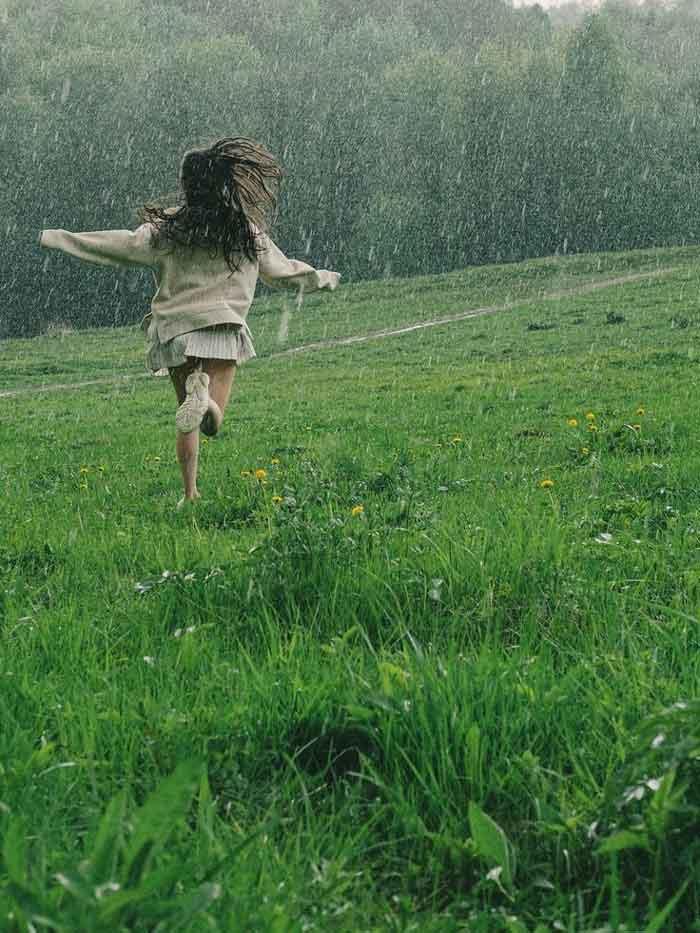
There is also a psychological aspect to consider. Rain often creates a calming atmosphere despite its inconvenience. The sound of rainfall, cooler temperatures, and darker skies can bring a sense of pause in busy lives. Without rain, the world would likely become hotter, harsher, and more exhausting. Constant heat and dryness affect mood, sleep quality, and overall well being. Stress levels could increase as people struggle to cope with uncomfortable living conditions.
Social inequality would also become more visible in a world without rain. Wealthier regions might be able to invest in advanced water systems, desalination plants, or imported resources. Poorer communities, however, would struggle to access clean water. This imbalance could lead to migration, conflict over resources, and deeper social divides. What starts as an environmental issue could quickly turn into an economic and humanitarian crisis.
Rain also plays an important role in maintaining soil health. When it falls, it helps nutrients circulate through the ground, supporting plant growth and maintaining fertile land. Without it, soil becomes dry, hard, and less productive. Over time, once fertile areas can turn into desert like regions where agriculture becomes nearly impossible. This transformation does not happen overnight, but once it begins, it is extremely difficult to reverse.
Another important effect of rain is its role in maintaining biodiversity. Many plants and animals depend on regular rainfall cycles to survive. Forests, wetlands, and grasslands all rely on consistent water availability. Without rain, these ecosystems shrink, and biodiversity declines. The loss of species affects the entire food chain, creating long term ecological imbalance.
When all these effects are considered together, it becomes clear that rain is not just a temporary weather condition that interrupts travel plans. It is a fundamental part of Earth’s survival system. It supports water supply, food production, energy generation, ecosystems, and climate balance. Without it, life as we know it would gradually collapse.
This is why the way people view rain needs a shift in perspective. The inconvenience of wet roads and delayed travel is real, but it is also temporary and manageable. The benefits of rain, although less visible, are long term and essential. Most of the systems that sustain human life depend on rainfall in ways that are often overlooked.
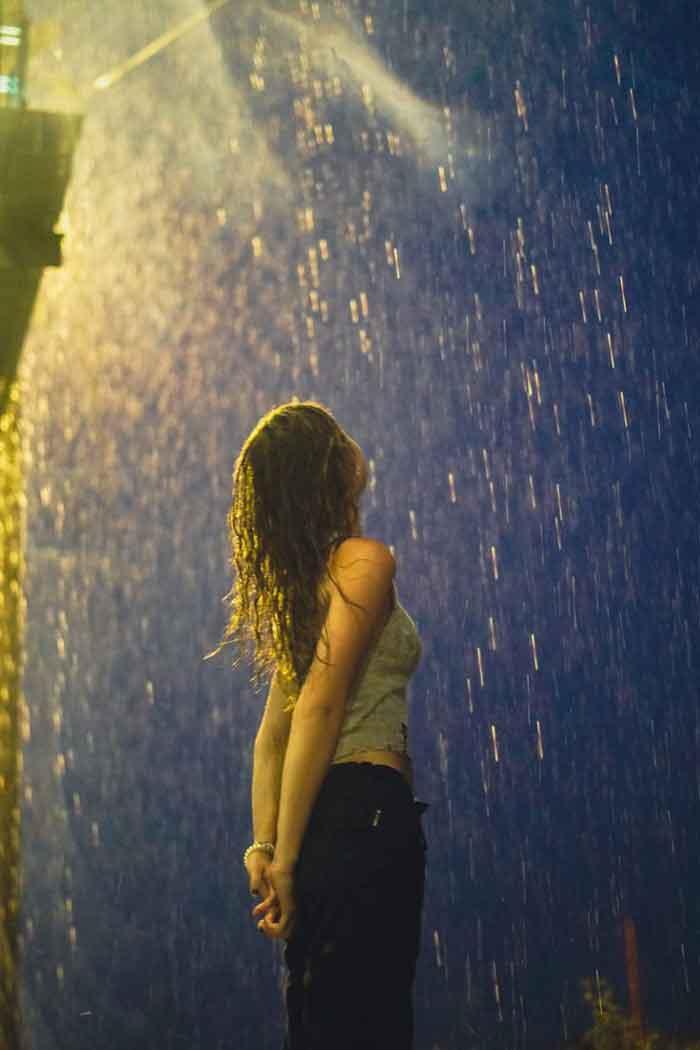
However, perspectives on rain are not the same for everyone, and that is what makes it interesting. Personally, I love rain. There is something deeply calming about sitting in a car while it rains outside, watching the world blur through the window as the drops slide down the glass. It feels peaceful, almost like time slows down for a moment, and everything outside becomes softer and quieter. That kind of atmosphere is something many people find relaxing, especially when they are not the ones directly struggling with it.
At the same time, I do understand that travelling in public transport during heavy rain can be very challenging. Buses and trains can become crowded, delays are common, and reaching destinations on time becomes uncertain. For people who walk long distances or rely on two wheelers, the experience can be even more uncomfortable. So while rain can feel beautiful and soothing in one situation, it can also feel stressful and inconvenient in another.
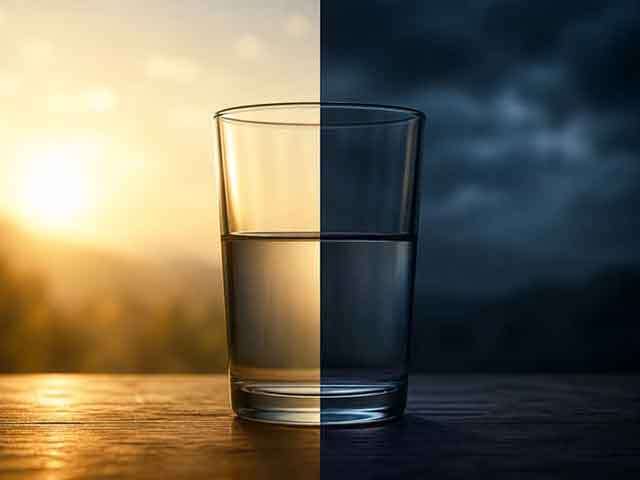
Ultimately, it really depends on each person’s point of view and their situation at that moment. Rain is the same for everyone, but the way we experience it is different, shaped by where we are, how we travel, and what we are doing.
So, the next time rain interrupts a journey or slows down a busy day, it is worth remembering that the same rain is also filling reservoirs, feeding crops, cooling the earth, and sustaining ecosystems. What feels like an inconvenience in the moment is actually part of a much larger balance that keeps the planet alive. Without it, the world would not just be difficult, it would become unliveable over time.