ARE WE RAISING CHILDREN TO FEAR THEIR OWN REFLECTION?

There was once a time when childhood was allowed to look like childhood. Knees were scraped, cheeks were round, uniforms became tighter by the end of the school term, and nobody panicked because a child carried what our grandmothers fondly called “puppy fat.” We understood something important then: children grow in stages. Some become broader before they become taller. Some shoot up overnight and appear awkwardly lanky. Some carry softness for a few years and naturally shed it as they grow older. Childhood was seen as a phase of becoming, not a body inspection.
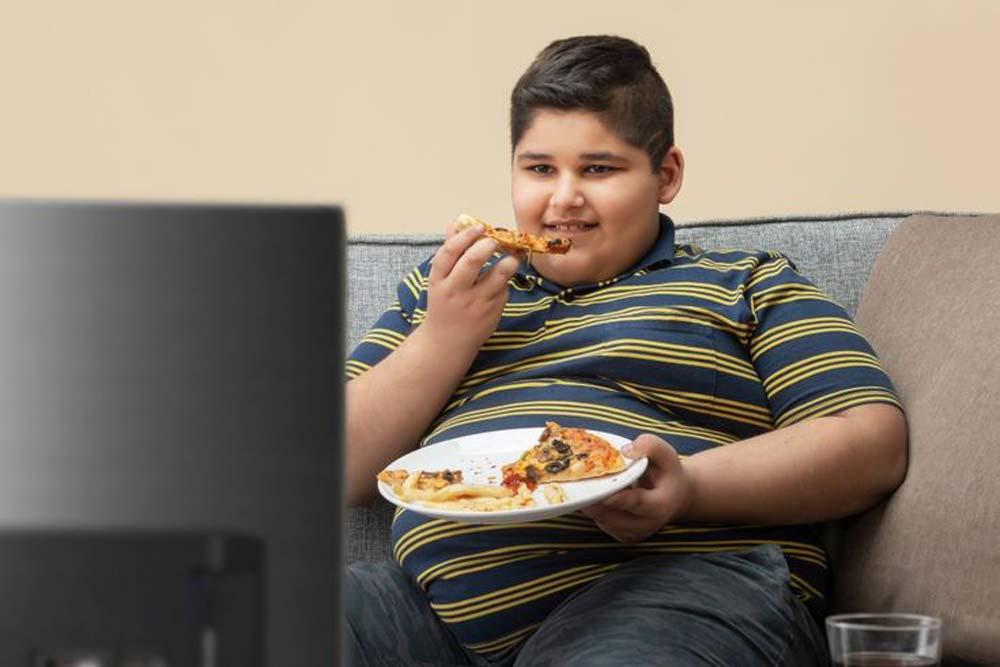
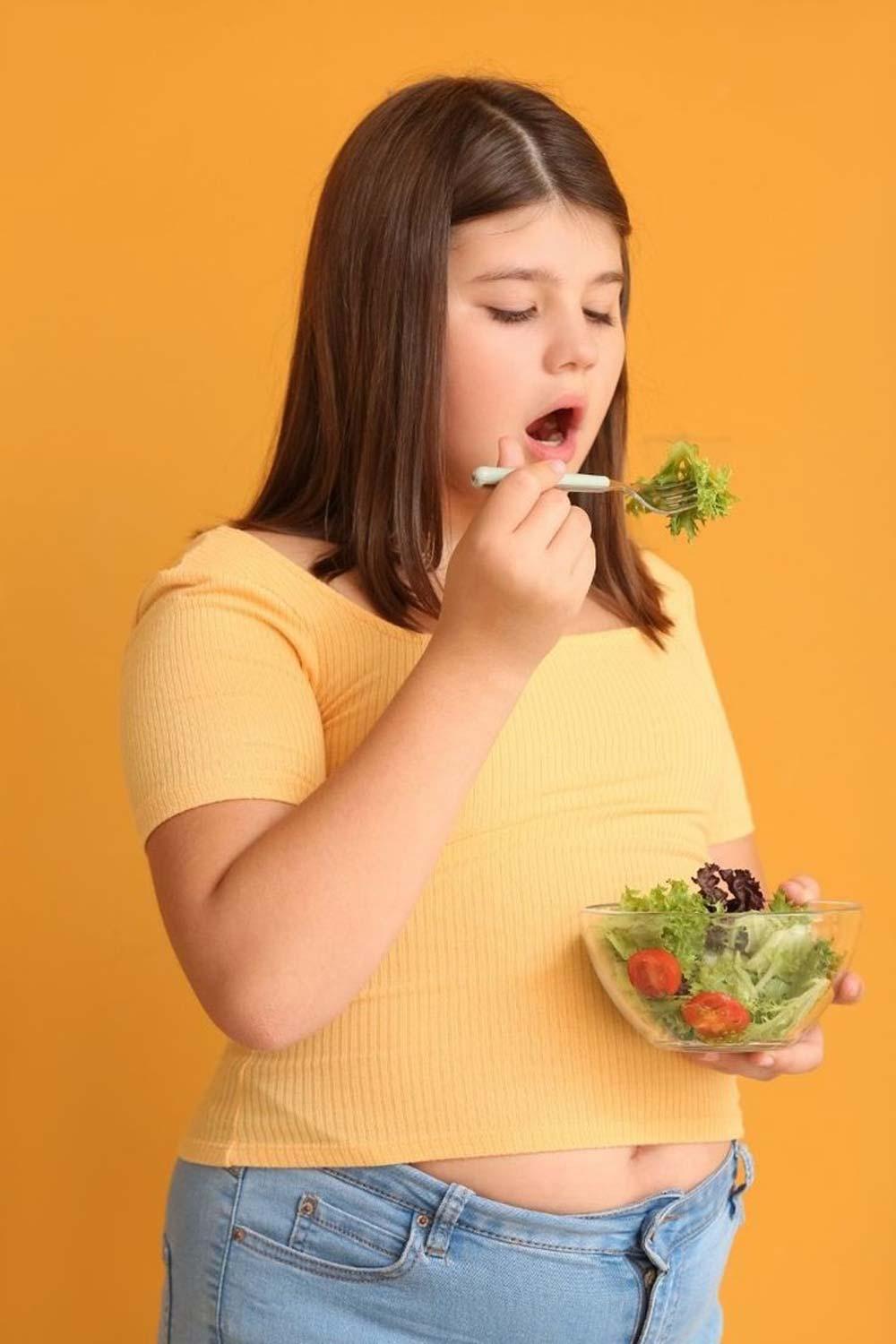
Today, however, many children are becoming painfully aware of their appearances before they are even old enough to understand who they are.
- “You’re getting chubby.”
- “Don’t eat so much.”
- “Look at your stomach.”
- “Your cousin is thinner than you.”
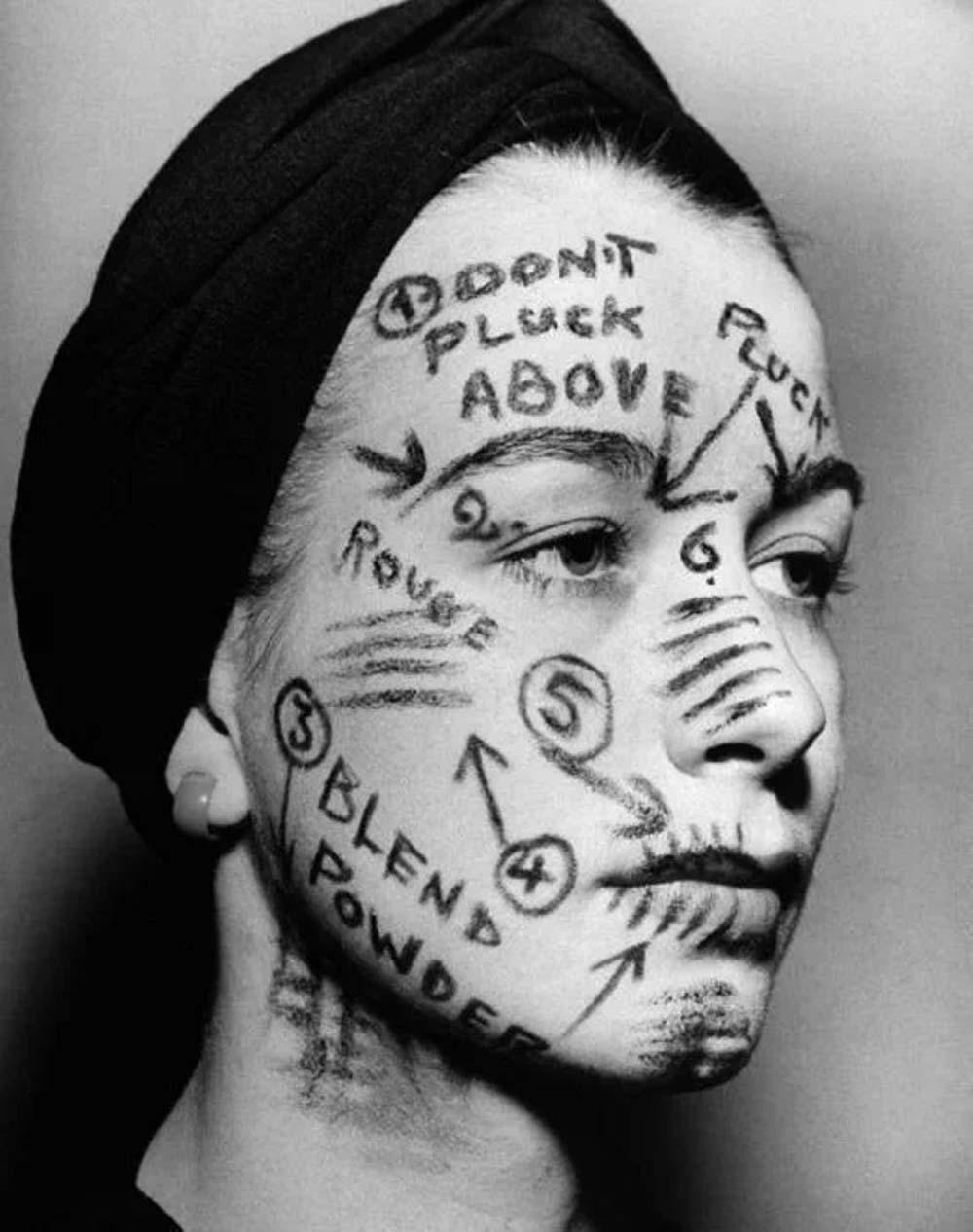 We say these things casually, often laughing while saying them, believing we are helping. But are we really helping? Or are we quietly teaching our children that their worth is tied to the space they occupy?
The first question we must ask ourselves is this: when we tell a child they are chubby, are we concerned about their health, or are we concerned about their appearance?
Because the answer matters.
For decades, society has worshipped impossible beauty standards. Entire generations grew up believing thinness was not merely attractive but morally superior. The media glorified tiny waists and shrinking dress sizes. Campaigns like No More Page 3 emerged partly in response to the damage caused by reducing women to unrealistic and hypersexualised images. Even children’s toys quietly reinforced narrow definitions of beauty. Barbie became one of the most recognisable dolls in the world while representing proportions impossible for most real women to achieve.
Even beloved Disney princesses are almost always slim, tiny-waisted, and conventionally beautiful, carrying visual messages that children absorb long before adults realise it.
Children today are no longer comparing themselves only to classmates. They compare themselves to influencers, edited photographs, filtered TikTok videos, and impossible online standards. Against that backdrop, parental comments carry extraordinary weight.
But this is where the conversation becomes uncomfortable, because most parents are not trying to be cruel.
Sometimes a mother says the first thing that comes to mind at the end of an exhausting day. Sometimes it is concern. Sometimes habit. Sometimes projection. Many mothers themselves have spent years battling insecurities about their own bodies, trying every diet imaginable, losing weight only to gain it again, carrying private frustrations they never fully healed from. A mother who has struggled with weight her entire life may genuinely fear her child experiencing the same pain.
So, when she says, “You’re looking a bit chubby,” she may not mean, “You are unattractive.” She may mean, “I worry life will be challenging for you.” That honesty matters because not every careless comment is abuse. Earlier generations grew up hearing blunt remarks constantly.
- “You’ve put on weight.”
- “You’re too dark.”
- “You’re too thin.”
- “Who will marry you looking like that?”
Many adults today survived such comments and therefore wonder whether children are becoming too sensitive. Must parents now weigh every sentence carefully? Are we raising children unable to handle uncomfortable truths? Perhaps resilience does matter. Life will not always speak gently to our children. The world can be harsh, unfair, and brutally honest. Children cannot grow into adults who collapse under every imperfect sentence. But intention and impact are not always the same thing.
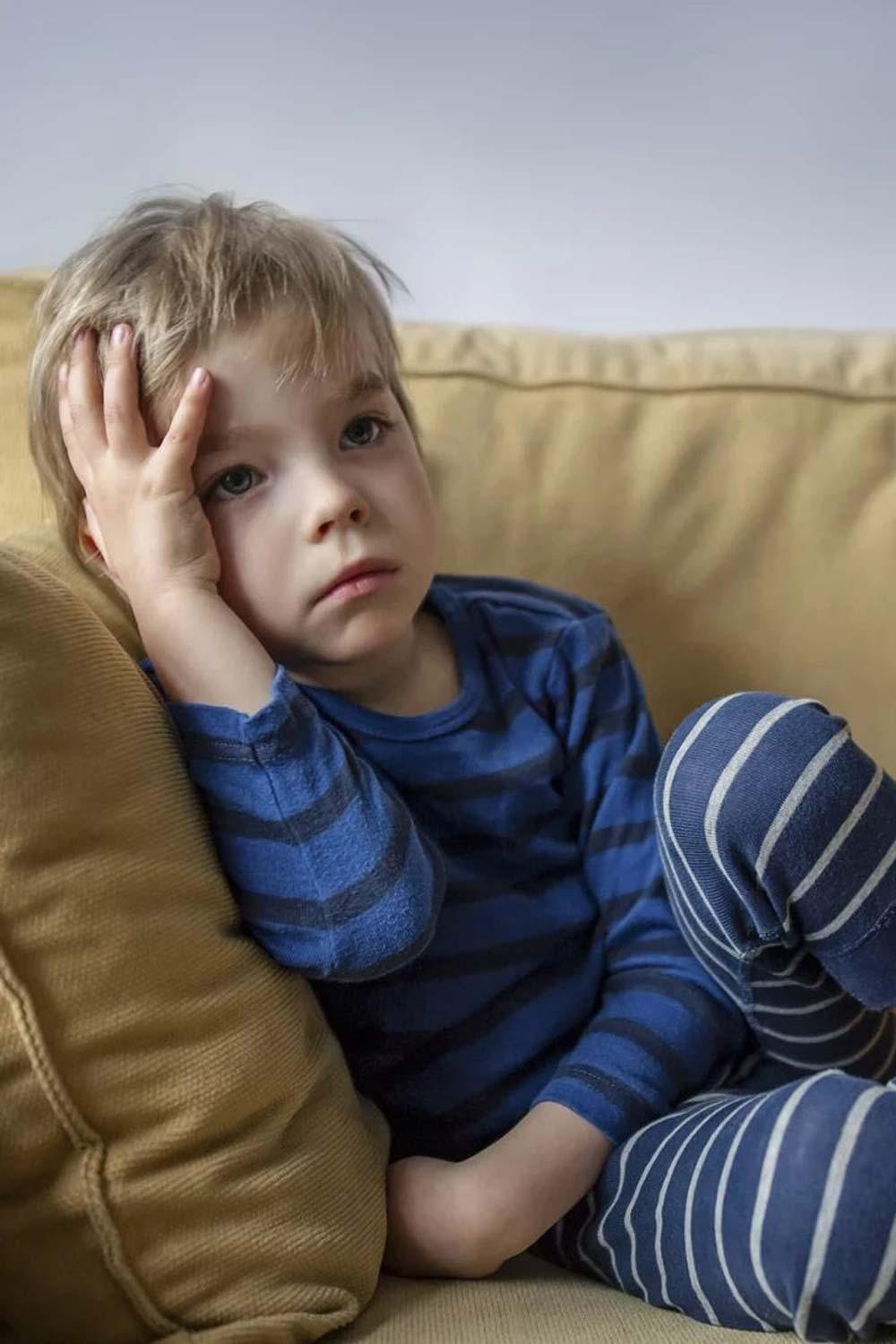
A parent may not intend to shame a child. Yet a child can still carry those words deeply for years because children do not yet possess the emotional filters adults have. What sounds casual to a tired parent can sound defining to a child.
And sometimes the child is not even overweight at all.
Some children simply have a larger bone structure. Some are naturally taller and broader. Anyone who was unusually tall as a child understands that feeling instinctively. You stand out in photographs. You hunch your shoulders slightly to appear smaller. You drift toward the back row because you suddenly feel too visible. A child repeatedly told they are “big” slowly stops hearing the difference between “big boned,” “tall,” and “fat.” In their mind, those words collapse into one conclusion: something is wrong with me.
That is where the danger begins.
Children eventually become the voices they hear most often. A child who constantly hears they are chubby may begin to believe that being overweight is not a temporary phase but their identity. Worse still, shame itself can create unhealthy patterns. Emotional eating becomes comfort. Confidence disappears. The child who once loved sports may stop participating because they feel embarrassed. Ironically, fear of “becoming fat” can sometimes contribute to exactly the outcome everyone fears.
At the other extreme lies another danger altogether. Some children become terrified of food itself. The world has seen heart breaking examples of body image spiralling into disorders like anorexia and bulimia. Karen Carpenter became one of the most famous victims of anorexia nervosa, while Diana, Princess of Wales openly spoke about struggling with bulimia under intense public scrutiny. These were women admired globally for beauty and success, yet even they were not immune to the destructive power of body shame.
None of this means parents should ignore health altogether. Childhood obesity is real. Teaching balance, movement, moderation, and healthy eating is part of responsible parenting. There is nothing wrong with guiding children toward healthier lifestyles.
But perhaps the issue is not whether we speak, but how we speak.
There is a profound difference between saying, “Let’s all start eating healthier as a family,” and saying, “You’re getting fat.”
One builds support. The other builds shame. One focuses on habits. The other attacks identity. Perhaps that is where the balance lies. A child has the right to enjoy childhood. To eat birthday cake without guilt. To enjoy ice cream at the beach. To grow through awkward phases without feeling constantly monitored. One is only young once. At the same time, children deserve guidance toward healthy living and resilience enough to survive a world that will not always be kind. Maybe the answer is not silence. Maybe it is simply awareness. Because there are adults walking around today with careers, families, and perfectly ordinary bodies who still hear, somewhere in the back of their minds, a sentence said casually to them at age ten. “You’re looking a bit chubby.” And sometimes, that sentence never really leaves.