In Conversation with Rukshila Antony De Saram, Director, CGV Anthony & Sons
HER STORY. HER STRENGTH. DR. SULOCHANA SEGERA
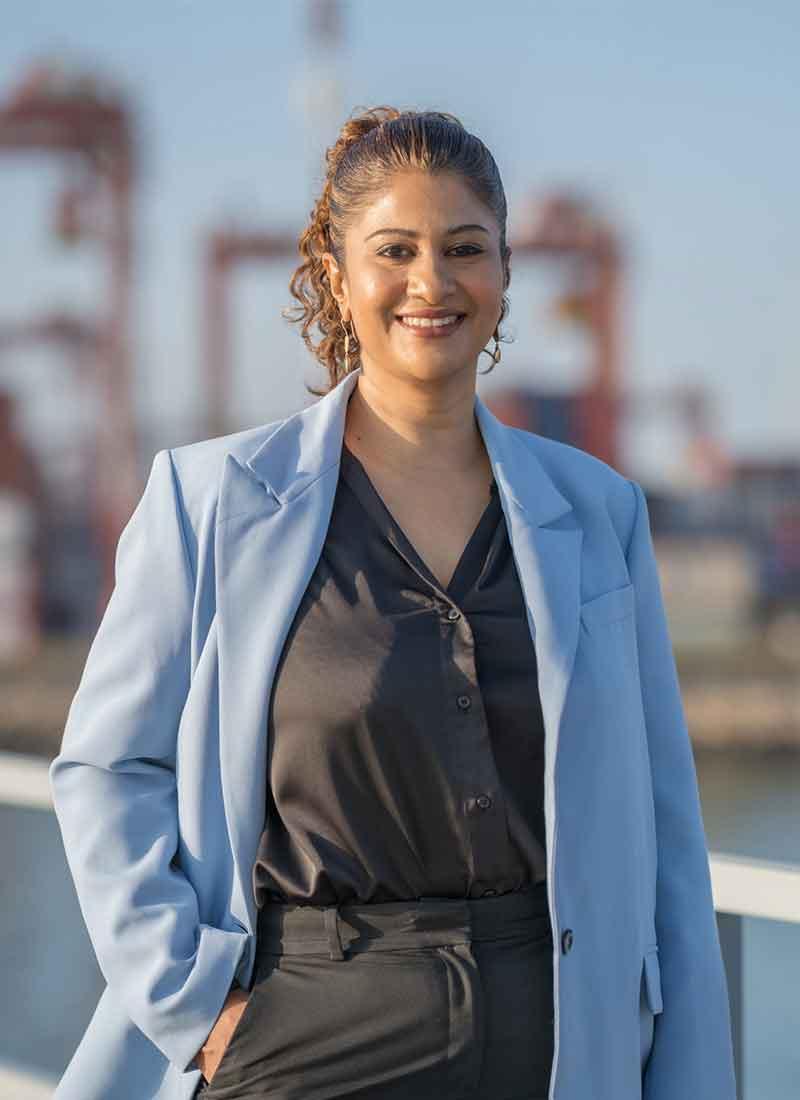
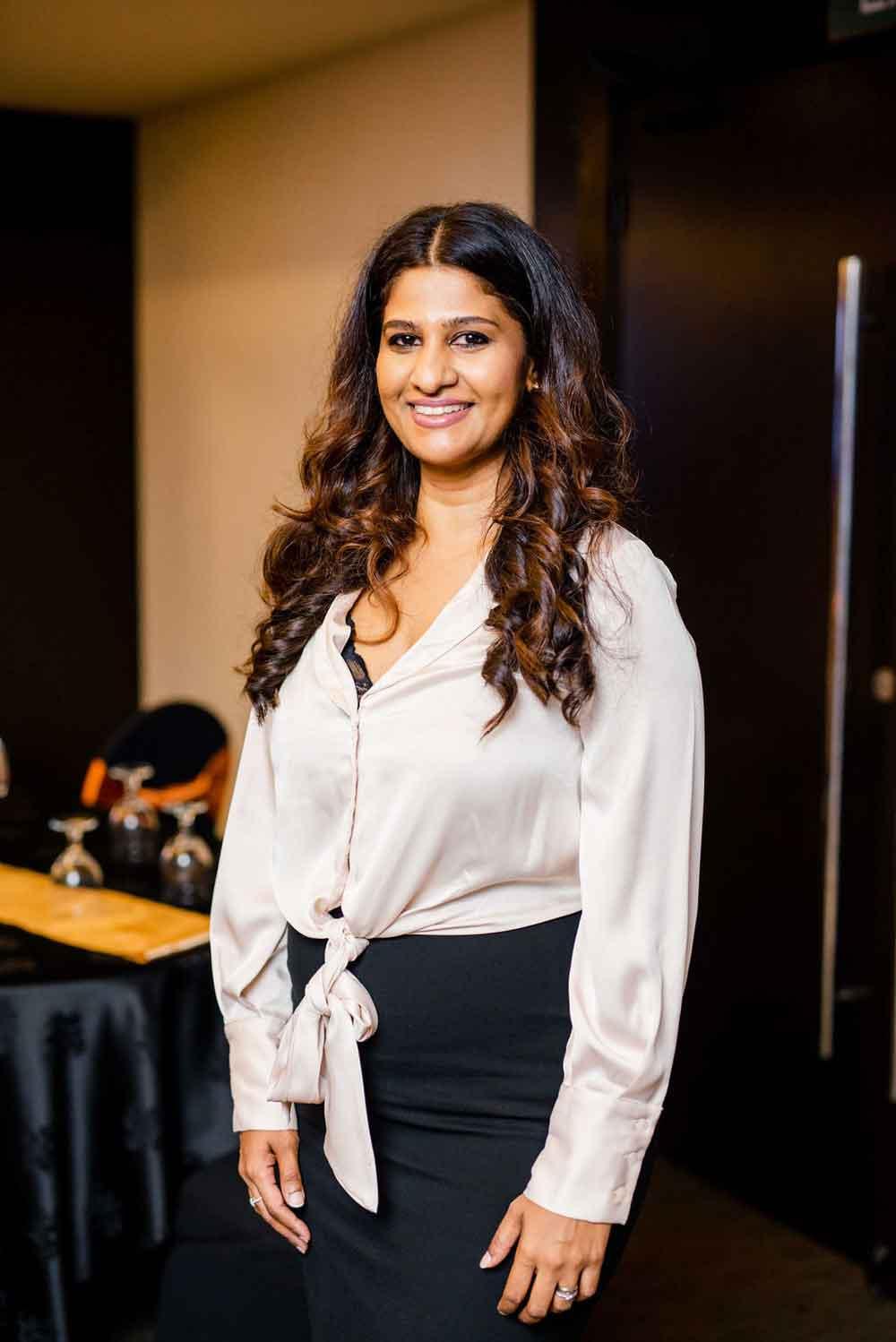
Rukshila Antony De Saram has carved a unique place for herself within Sri Lanka’s maritime industry as the country’s only female Naval Architect. As Director of CGV Anthony & Sons, she has built a distinguished career in marine engineering, safety auditing, and maritime leadership while also championing greater female representation within the sector. A qualified Lead Auditor with Lloyd’s Register of Shipping and Past President of WISTA Sri Lanka, she has witnessed firsthand the rapid transformation of the global maritime industry through technology, sustainability initiatives, and digital innovation. In an industry where women still represent only a small fraction of the workforce, Rukshila’s journey reflects resilience, determination, and a commitment to challenging long standing stereotypes. In this interview, she speaks about her inspiration to pursue Naval Architecture, the challenges she faced as a woman in a male dominated field, the future of maritime safety, and why mentorship and awareness are essential for encouraging more young women to enter STEM and maritime professions.
You are recognized as the only female Naval Architect in Sri Lanka today. What inspired you to pursue a career in such a highly specialized and male dominated field?
My inspiration came from both my family background and my passion for Mathematics and architecture. I come from a family deeply rooted in the maritime engineering field. My grandfather was an Electrical Engineer who established a marine engineering company, while my father is a Marine Engineer and Surveyor. Growing up in that environment naturally inspired me to pursue a career in Naval Architecture. At the same time, I always enjoyed Mathematics and design, so Naval Architecture felt like the perfect combination of both technical and creative disciplines.
Naval Architecture is not a common career path for women in Sri Lanka. What challenges did you face early in your journey, and how did you overcome them?
Naval Architecture is a highly specialized and niche field, not only in Sri Lanka but globally as well. During my studies at the University of Southampton in the United Kingdom, I was the only female and the only Asian student in my batch. One of the biggest challenges was overcoming the perception that I did not belong in the industry or was not capable enough. I learned very quickly that it is important to stay true to yourself, be confident in your abilities, and own your space. That confidence is not about proving anything to others, but about believing in yourself and continuing to grow professionally.
As a qualified Lead Auditor with Lloyd’s Register of Shipping, safety and quality are central to your work. How do you see the future of maritime safety evolving globally and in Sri Lanka?
With the rapid advancement of technology and Artificial Intelligence, we are moving towards a far more automated world with reduced human intervention. The maritime industry is increasingly integrating Artificial Intelligence into many of its operations. While certain roles can never be completely replaced by technology, Artificial Intelligence has the potential to significantly reduce human error while improving efficiency and safety standards across the industry. I believe these technological advancements will continue shaping the future of maritime safety both globally and within Sri Lanka.
Having worked in marine engineering for many years, what are some of the biggest transformations you have witnessed in the maritime industry?
One of the biggest transformations in the maritime industry today is the global shift towards green energy and sustainability. The International Maritime Organization is strongly driving the industry towards zero emissions, which has accelerated research and development into alternative fuels, wind assisted propulsion, and other environmentally friendly solutions. Ships are also becoming much smarter through digitalization. Technologies such as predictive maintenance now allow operators to identify machinery issues before breakdowns occur instead of relying solely on scheduled servicing. Another exciting development is the rise of autonomous vessels. Similar to autonomous cars, there are now remotely operated and unmanned ships. The Yara Birkeland, launched in 2021, became the world’s first autonomous electric container ship. These innovations show how rapidly the maritime industry is evolving.
As Past President of WISTA Sri Lanka, you actively championed women in shipping and trading. Why is female representation in maritime industries so important?
Female representation in the maritime industry is essential for growth, diversity, sustainability, and gender equality within the sector. Currently, women make up only around two percent of the global maritime workforce, which highlights how underutilized female talent remains in an industry that urgently requires skilled professionals. Maritime is still not considered a mainstream career path for women, which is why organizations such as WISTA play such an important role in creating awareness, encouraging inclusion, and providing networking and knowledge sharing opportunities for women in the industry.
What practical steps can organizations take to encourage more young women to enter maritime, engineering, and technical professions?
I believe this conversation must begin at grassroots level, especially within schools. Young girls need greater exposure and career guidance about the opportunities available within the maritime sector. Awareness is key to helping them understand that these careers are both accessible and rewarding. Industry outreach programs, mentorship initiatives, and visibility of successful women within the field can also encourage more girls to consider these professions seriously.
Have you seen attitudes toward women in maritime leadership change over the years?
Yes, I believe attitudes are gradually changing as female representation within the industry increases. As more women take on leadership and operational roles, many of the outdated stigmas associated with women in shipping are being broken down. Today, we are seeing more female ship captains and women occupying positions that were once considered exclusively male domains. That visibility is encouraging for the future of the industry and for younger generations entering the workforce.
How important is mentorship in shaping the next generation of women leaders in STEM and maritime sectors?
Mentorship is extremely important. Many young girls hesitate to pursue STEM related fields because they perceive them as difficult or question whether there are opportunities for women within those industries. Strong mentorship programs help build confidence, provide guidance, and show young women that they are fully capable of succeeding in these careers. Sometimes all it takes is seeing someone who has already succeeded in the field to inspire confidence in the next generation.
How do you balance leadership, technical responsibilities, and personal life?
I do not believe anyone truly finds the perfect formula for balancing career, leadership, and personal life. For me, the key is not being afraid to ask for help, whether in the boardroom or at home. Recognizing that support systems are important makes balancing responsibilities far more manageable. I think it is important to accept that balance looks different for everyone, and it is okay not to do everything alone.
Where do you see Sri Lanka’s maritime and marine engineering sector heading in the next decade?
Sri Lanka has tremendous potential within the maritime sector, largely due to its strategic geographical location along the main East West shipping route. Ongoing port expansion projects and digitalization initiatives are positioning Sri Lanka to become a major shipping hub in Asia.
These developments will not only strengthen the industry but also create greater awareness and exciting career opportunities, encouraging more young people to pursue engineering and maritime professions. I believe the future of the sector in Sri Lanka is extremely promising.
RAPID FIRE
- Coffee or tea before a long workday? Tea
- One word that describes the maritime industry? Exciting
- Your biggest strength as a leader? Faith
- Ship deck or boardroom? Ship deck
- A country every maritime professional should visit? UK
- One woman who inspires you most? My mother
- Early bird or night owl? Early bird
- The best advice you’ve ever received? Every cloud has a silver lining.
- If not a Naval Architect, what would you have become? Doctor
- One message to young girls dreaming big? Be consistent