Why Is Sri Lanka Still Hiding Its Greatest Tourism Asset? The Food.
By: Giselle Gunewardene
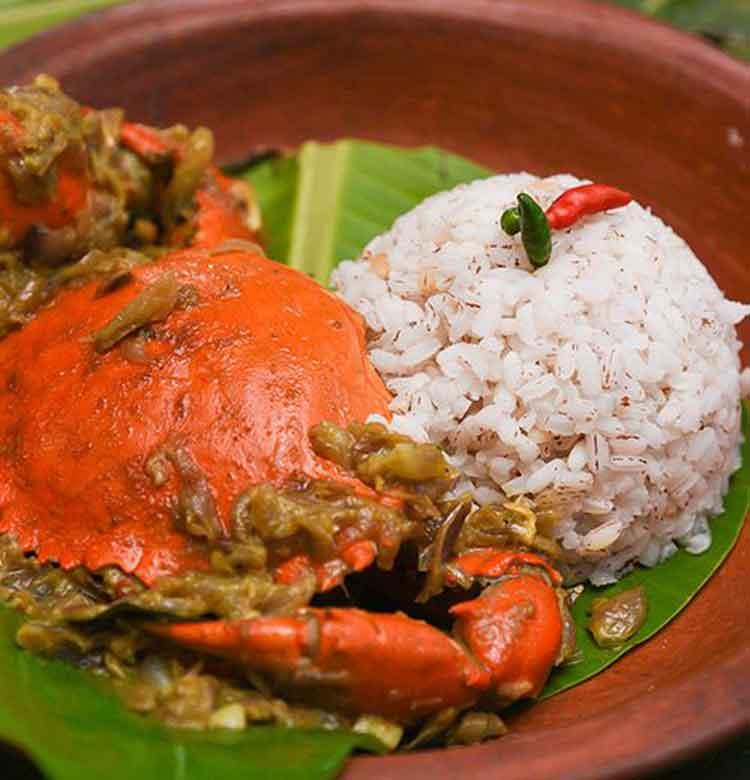
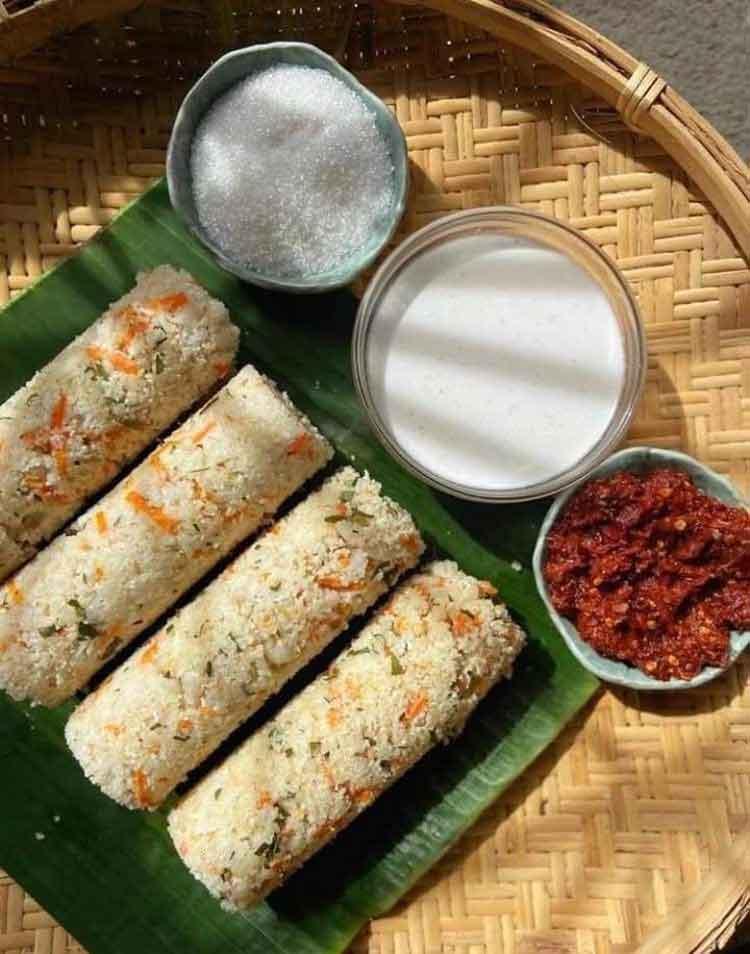
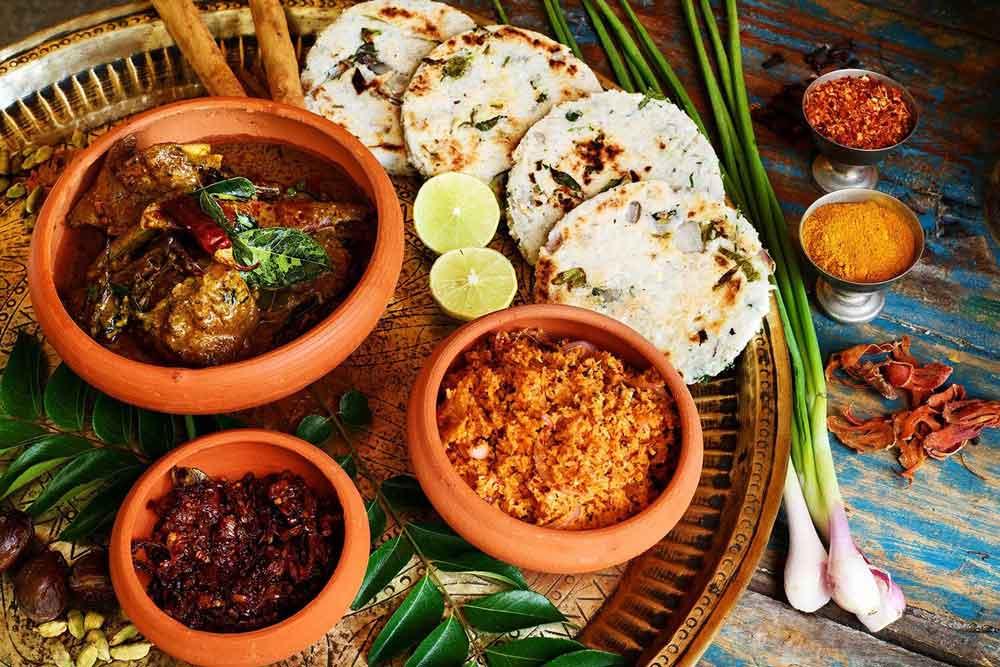
Sri Lanka has one of the richest food cultures in Asia. We have fiery ambul thiyal from the south, smoky Jaffna crab curry from the north, buttery lamprais born from Burgher kitchens, delicate pittu and kiri hodi breakfasts from the hill country, Muslim biriyanis that perfume entire streets during Ramadan, and sweet treats like kavum and kokis that are inseparable from Sinhala and Tamil New Year celebrations. Yet somehow, when you walk through many of our major tourist zones, you are more likely to stumble upon a pizza, burger, or pasta menu than a truly memorable Sri Lankan dining experience.
It is one of the strangest contradictions in our tourism story. Tourists do not fly to Sri Lanka dreaming of chicken Alfredo. They come looking for Sri Lanka. When people travel to Italy, they want pasta in a Roman trattoria. In Thailand, they chase street pad thai and green curry. In South Korea, food itself has become a tourism industry. Millions now travel there partly because they watched kimchi jjigae bubbling in a K drama. Peru transformed ceviche into national diplomacy. Japan turned ramen into cultural identity. India understood long ago that food is not merely fuel. It is heritage, theatre, memory, and soft power.
Sri Lanka has all the ingredients for culinary greatness, but we still treat our own cuisine like an afterthought. Why? Part of the answer lies in our colonial hangover. For decades, many Sri Lankans associated Western food with sophistication and status. Hotels proudly advertised “continental cuisine” as though local food was too ordinary or too humble for luxury spaces. Rice and curry became something you ate at home with your family, not something worthy of presentation and storytelling.
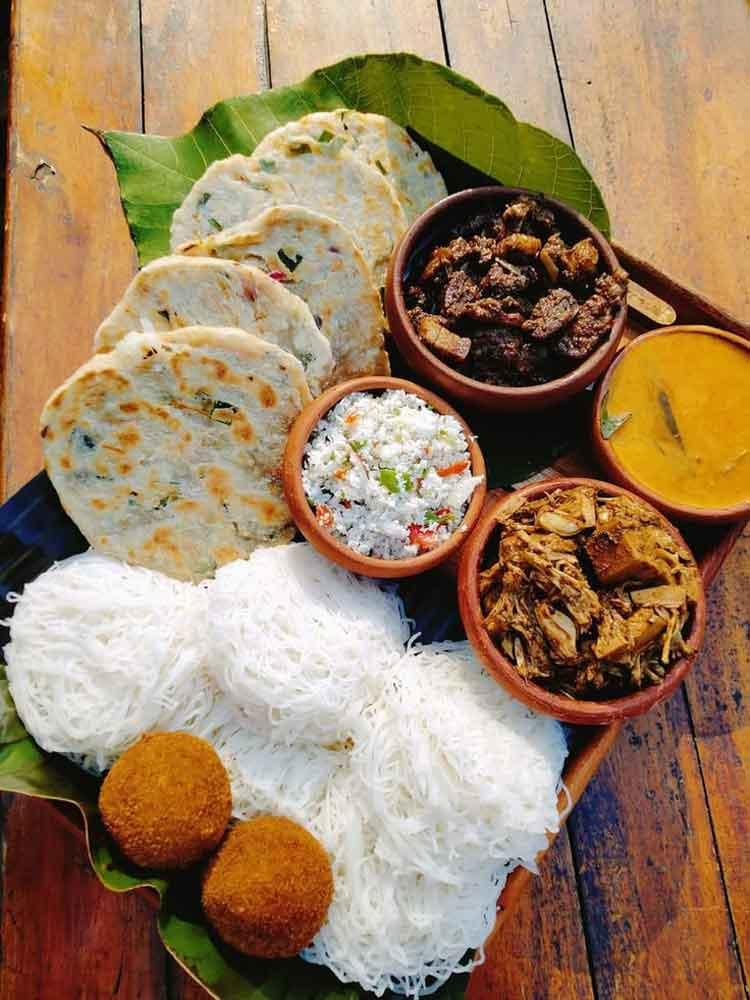
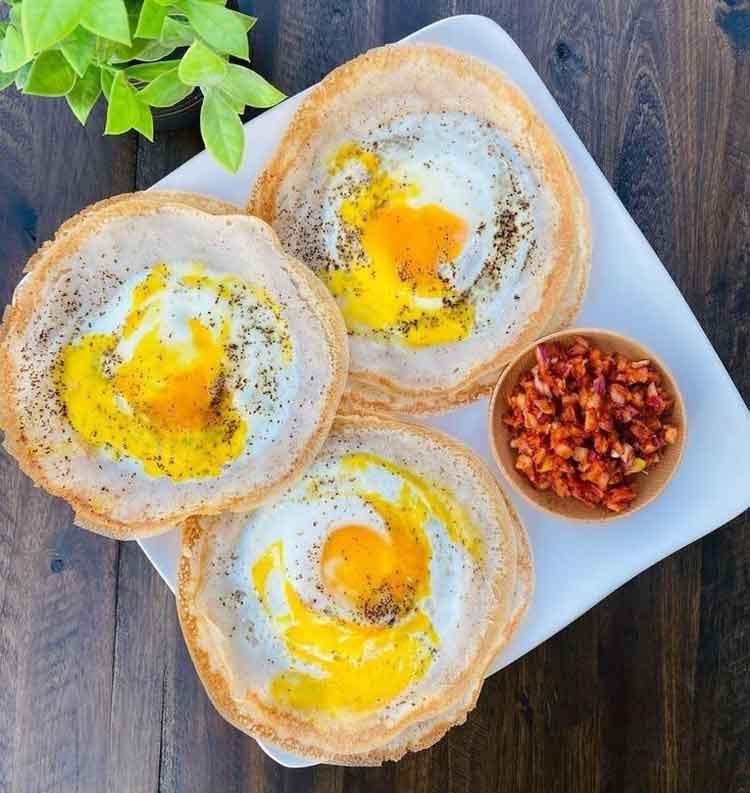
Meanwhile, tourists were quietly becoming obsessed with authenticity. The modern traveller wants experiences. They want stories. They want to eat what locals eat. They want to understand a country through its spices, techniques, rituals, and ingredients. A traveller remembers the old woman making hoppers over charcoal far longer than they remember a generic cheeseburger served in a hotel lobby. Sri Lanka sometimes forgets this.
Even our phrase “rice and curry” undersells the complexity of our cuisine. It sounds singular and repetitive, when in reality it is an orchestra of flavours. A Sri Lankan meal can contain twenty components on a single table. There are sour notes from goraka, sweetness from caramelized onions, heat from roasted chili, creaminess from coconut milk, bitterness from gotukola, crunch from fried sprats, and fragrance from curry leaves and pandan. No two households make the same curry the same way. A grandmother in Matara cooks differently from a mother in Batticaloa. A Tamil crab curry has different soul from a Kandyan white curry. Even coconut sambol changes from village to village.
That diversity should be our greatest tourism treasure. Instead, many restaurants dilute Sri Lankan food into safe, predictable buffets aimed at foreigners who supposedly cannot handle spice. The result is often bland curry that satisfies nobody. Tourists leave thinking Sri Lankan food is just “rice with some curries,” when in truth they barely scratched the surface. Imagine if Italy served watered down pasta because tourists “might not understand tomato sauce.”
The issue is not just restaurants. It is branding. Thailand actively promoted Thai food globally through culinary diplomacy. Korea invested heavily in exporting Korean culture, from music to skincare to food. Japan elevated sushi into art. Sri Lanka has never seriously marketed its cuisine internationally despite having ingredients and traditions that rival any food culture in Asia.
Ceylon cinnamon alone should be a global culinary icon. Instead, most people abroad still do not understand the difference between true Ceylon cinnamon and cheaper cassia. Our pepper, cardamom, cloves, curry powders, and coconut-based cooking traditions should be central to our identity. Instead, we market beaches and wildlife while our cuisine quietly sits in the corner like an uninvited guest. And what a tragedy that is. Because Sri Lankan food is cinematic.
Watch a hopper being swirled in a hot pan. Hear the crackle of tempering mustard seeds. Smell curry leaves hitting coconut oil. Watch string hoppers stacked like clouds beside glowing pol sambol. Observe a roadside kottu master rhythmically smashing roti on a steel griddle at midnight like a percussion artist in a culinary concert. Food in Sri Lanka is not static. It is performance. This is exactly what modern tourism thrives on.
Around the world, food tourism has exploded because people crave emotional connection. They do not want sterile experiences anymore. They want grandmothers teaching them recipes. They want markets buzzing at dawn. They want stories about fishermen, spice traders, tea pluckers, and home kitchens. Sri Lanka is overflowing with these stories.
We should have entire streets dedicated to regional cuisine. Imagine a Galle food lane showcasing southern seafood traditions. Imagine a Jaffna culinary district where tourists explore authentic northern Tamil cuisine. Imagine train journeys where travellers taste regional dishes at every stop from Colombo to Badulla. Imagine curated spice trails through Matale and Kandy where visitors learn how curry powders are roasted and blended. Instead, we often imitate foreign café culture. Every few months another minimalist café appears selling croissants, pasta, and iced lattes identical to cafés anywhere else in the world. There is nothing wrong with international cuisine. Variety is wonderful. But when every town starts looking and tasting globally generic, we lose something irreplaceable.
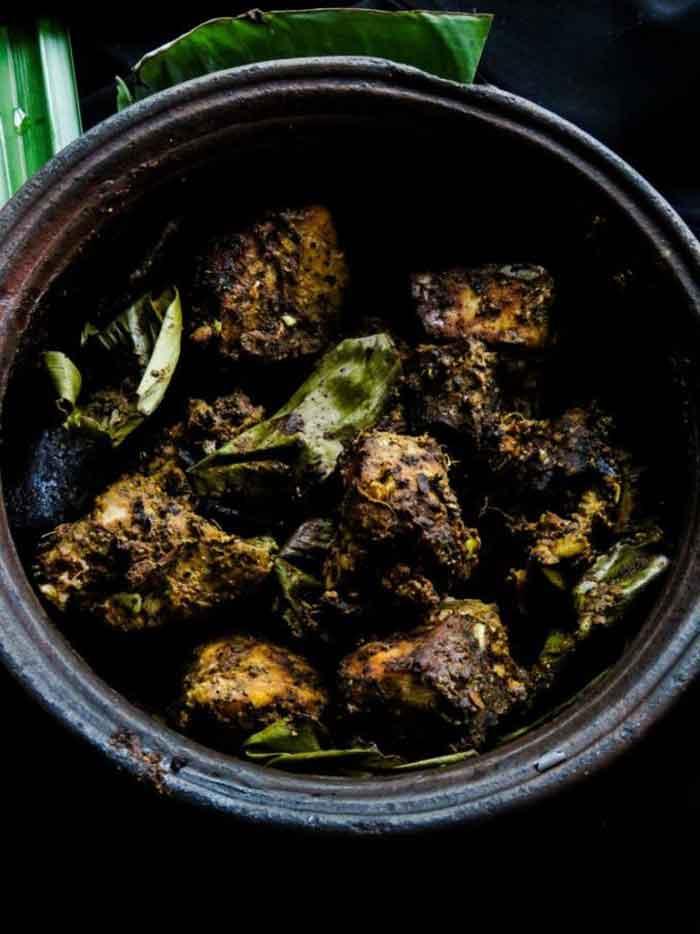
A tourist can eat pasta in Paris, Melbourne, London, or Dubai. But only Sri Lanka can offer authentic black pork curry with pol roti cooked beside the Indian Ocean. Our problem is not lack of cuisine. It is lack of confidence. Many Sri Lankan restaurant owners fear local food will not generate enough profit or prestige. Yet globally, authenticity sells. Travelers today actively search for “hidden local spots” and “traditional food experiences.” Entire YouTube channels are built around discovering regional cuisine. Food influencers travel across continents for one unforgettable dish. Sri Lanka should dominate this space.
We already possess natural advantages. Our cuisine is heavily plant based, making it attractive to vegetarian and vegan travellers. Our spices are world famous. Our tropical fruits are extraordinary. We have strong seafood traditions. Our street food culture is vibrant. Our food is deeply tied to Ayurveda and wellness, another major global tourism trend. We are sitting on culinary gold and behaving like it is ordinary sand.
Another issue is presentation. Sometimes Sri Lankan restaurants themselves fail to celebrate the beauty of local food. Menus can be unimaginative. Service staff are not trained to explain dishes. Dining spaces do not tell cultural stories. Compare this to Japan, where even a small ramen shop treats food with reverence and identity. Sri Lankan food deserves storytelling. Tell tourists why lamprais takes hours to prepare. Explain how hoppers evolved. Describe the history of Malay achcharu. Share the significance of kiribath at celebrations. Teach visitors the difference between roasted curry powder and raw curry powder. Suddenly, a meal becomes an experience. And experiences create memories.
Food also creates economic opportunity. Encouraging local cuisine restaurants means supporting farmers, spice growers, fishermen, coconut industries, clay pot makers, and traditional cooks. Culinary tourism spreads benefits beyond luxury hotels. It creates livelihoods in villages and small towns. It empowers women who preserve generational recipes. It keeps traditions alive. When cuisine disappears, culture disappears with it. Sri Lanka cannot afford to let that happen.
The irony is that foreigners often appreciate Sri Lankan food more enthusiastically than Sri Lankans themselves. Many tourists rave about our curries online. Some become obsessed with hoppers. Others spend weeks trying to recreate pol sambol back home. International chefs increasingly recognize Sri Lankan flavours as bold, layered, and unique. Meanwhile, many locals still treat Western food as aspirational. Perhaps it is time to reverse that mindset. Perhaps true sophistication lies in knowing the value of your own culture.
The countries that succeed globally are usually the ones most confident in their identity. Thailand never apologized for Thai food. Japan never diluted Japanese food to seem modern. Korea never abandoned kimchi to impress foreigners. Instead, they proudly exported their culinary identity to the world. Sri Lanka must do the same. Imagine landing at Bandaranaike International Airport and immediately being welcomed by elegant local food experiences rather than generic fast food. Imagine boutique hotels proudly centering Sri Lankan breakfast traditions. Imagine curated food festivals celebrating regional cuisine. Imagine cooking schools becoming as popular as surf camps. Food could become one of Sri Lanka’s strongest tourism engines. Because food lingers in memory differently from sightseeing.
A traveller may forget the name of a temple. They may confuse one beach with another. But they will remember the first time they tore apart hot roast paan and dipped it into spicy parippu while rain hammered a tin roof outside. They will remember eating mango with chili salt on a southern roadside. They will remember the scent of curry leaves forever. That is the power of cuisine. Sri Lanka does not need to invent a food culture. We already have one of the most extraordinary culinary traditions in the world. We simply need to believe in it enough to put it on the table.