Met Gala 2026: Fashion, Power and Protest Collide Under the Banner of “Costume Art.”
By: Giselle Gunewardene
The 2026 Met Gala, held on the 4th of May at New York’s Metropolitan Museum of Art, was intended to be a celebration of fashion’s place within the wider canon of art. Instead, it became one of the most politically charged and controversial editions in the event’s recent history; where couture collided with questions of wealth, power and cultural influence.
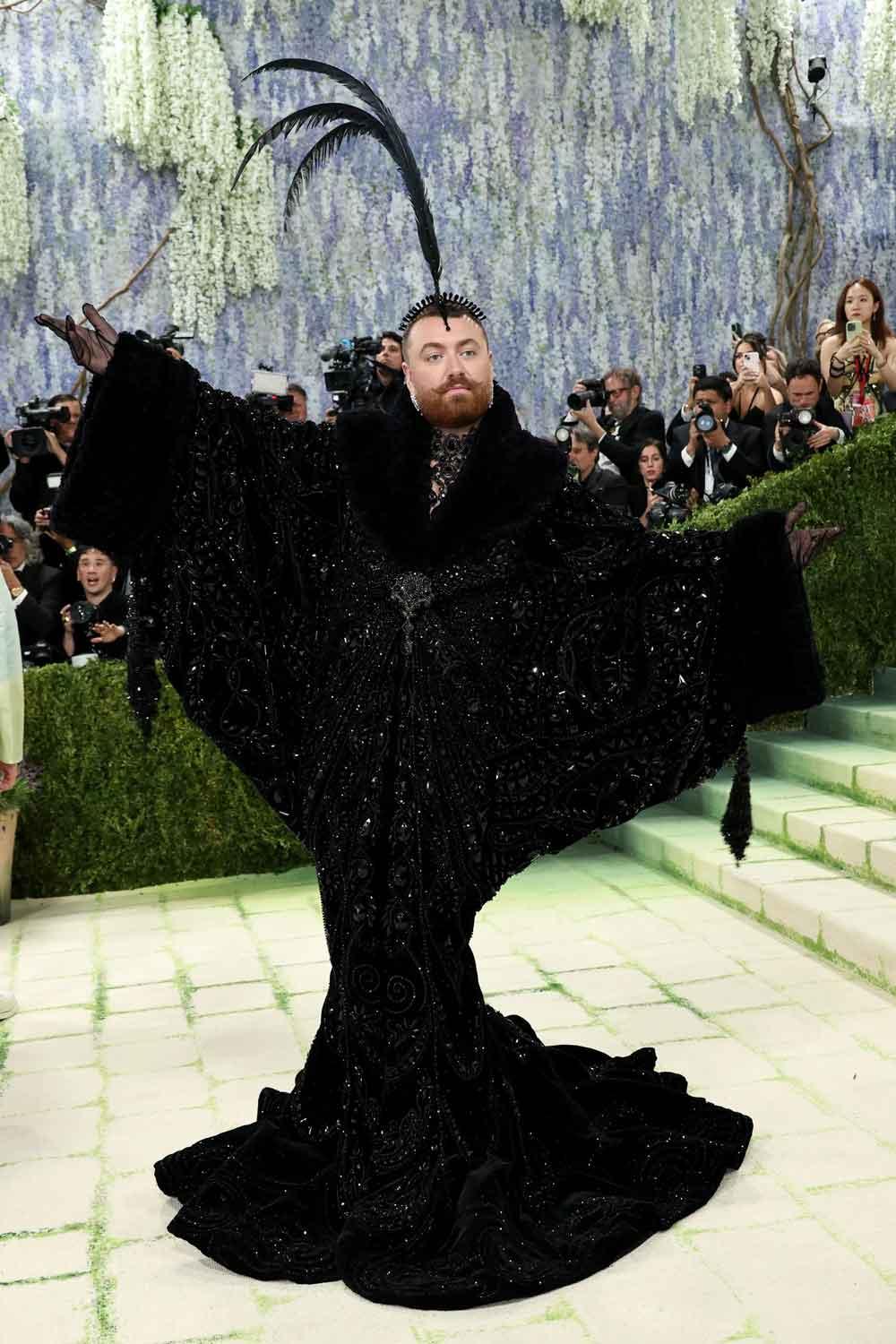
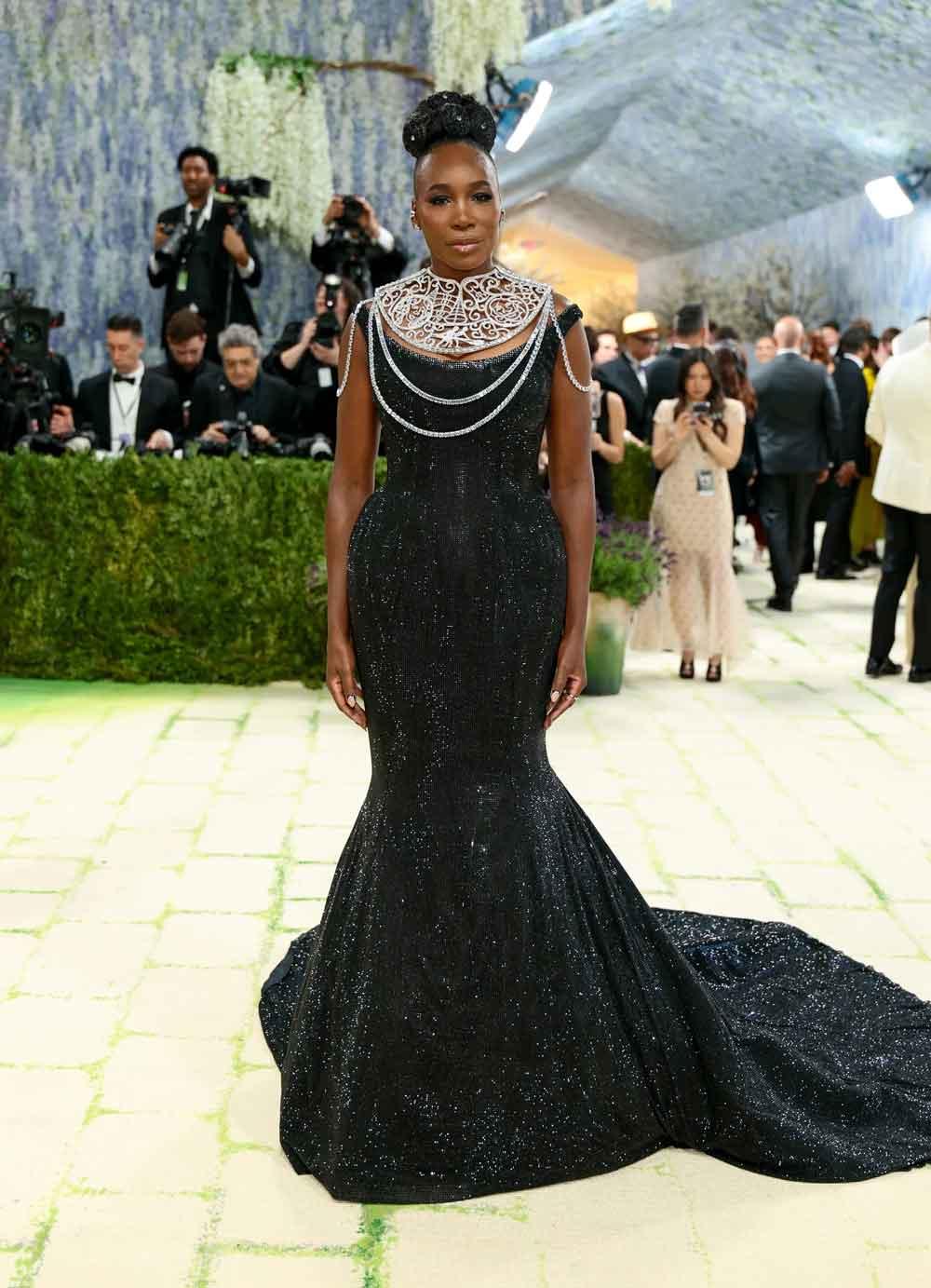
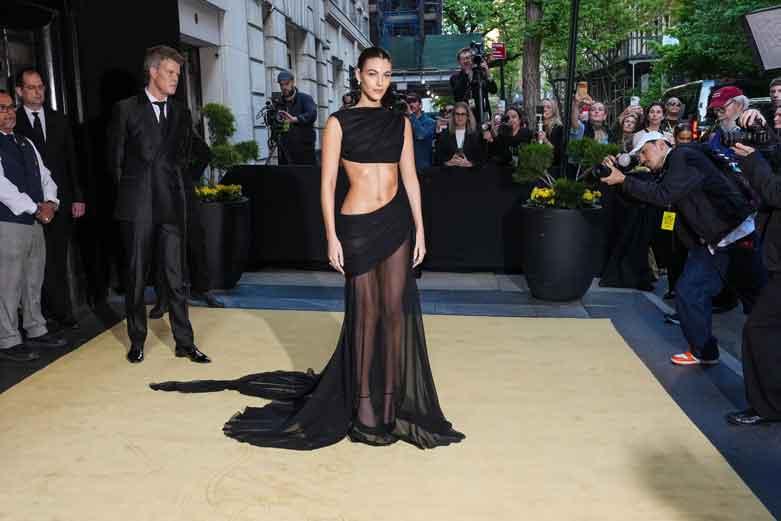
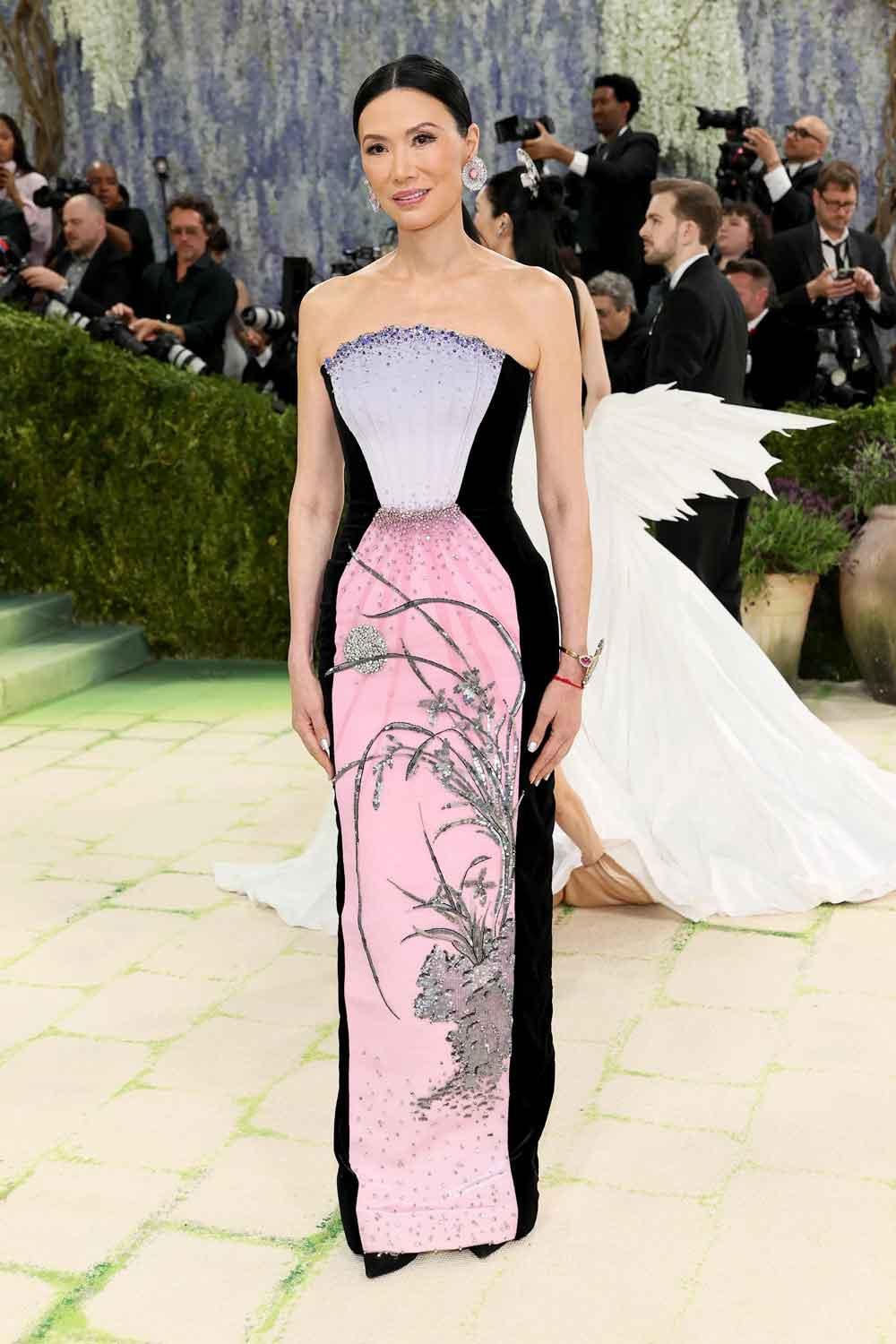
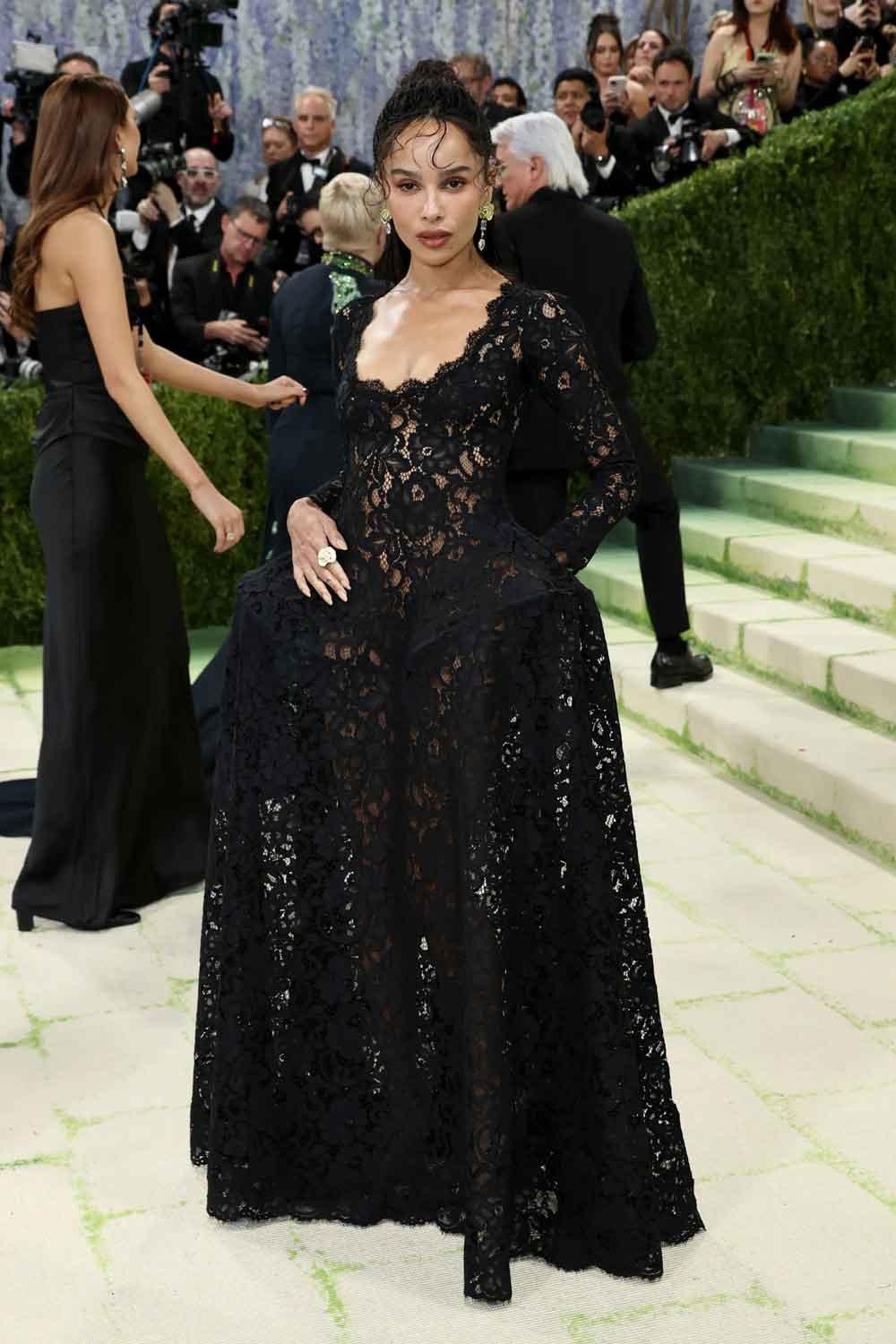
At its core, the evening revolved around the theme “Costume Art,” accompanied by a dress code often described as “Fashion Is Art.” The concept, tied to a major new exhibition curated by Andrew Bolton, invited guests to treat the human body as a canvas and to explore how clothing intersects with painting, sculpture and visual culture. The exhibition itself marked the opening of new permanent fashion galleries at the museum, reinforcing the Met’s ambition to position fashion firmly within the realm of fine art. Yet even before the first guests ascended the famous steps, the theme had divided opinion. Critics dismissed it as overly broad arguing, that “fashion is art” is an idea so familiar that it lacks the conceptual sharpness typically associated with the Gala’s most memorable years.
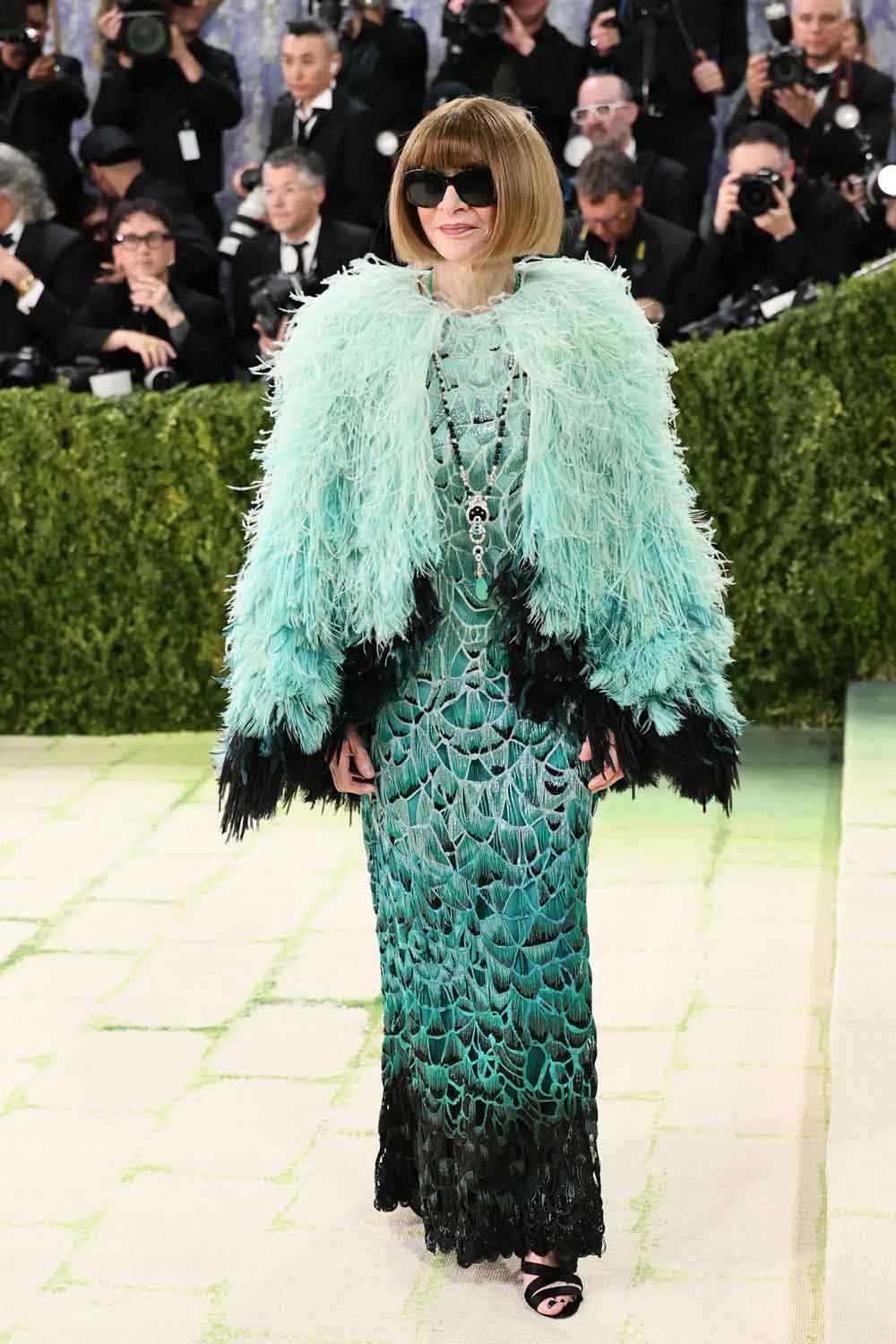
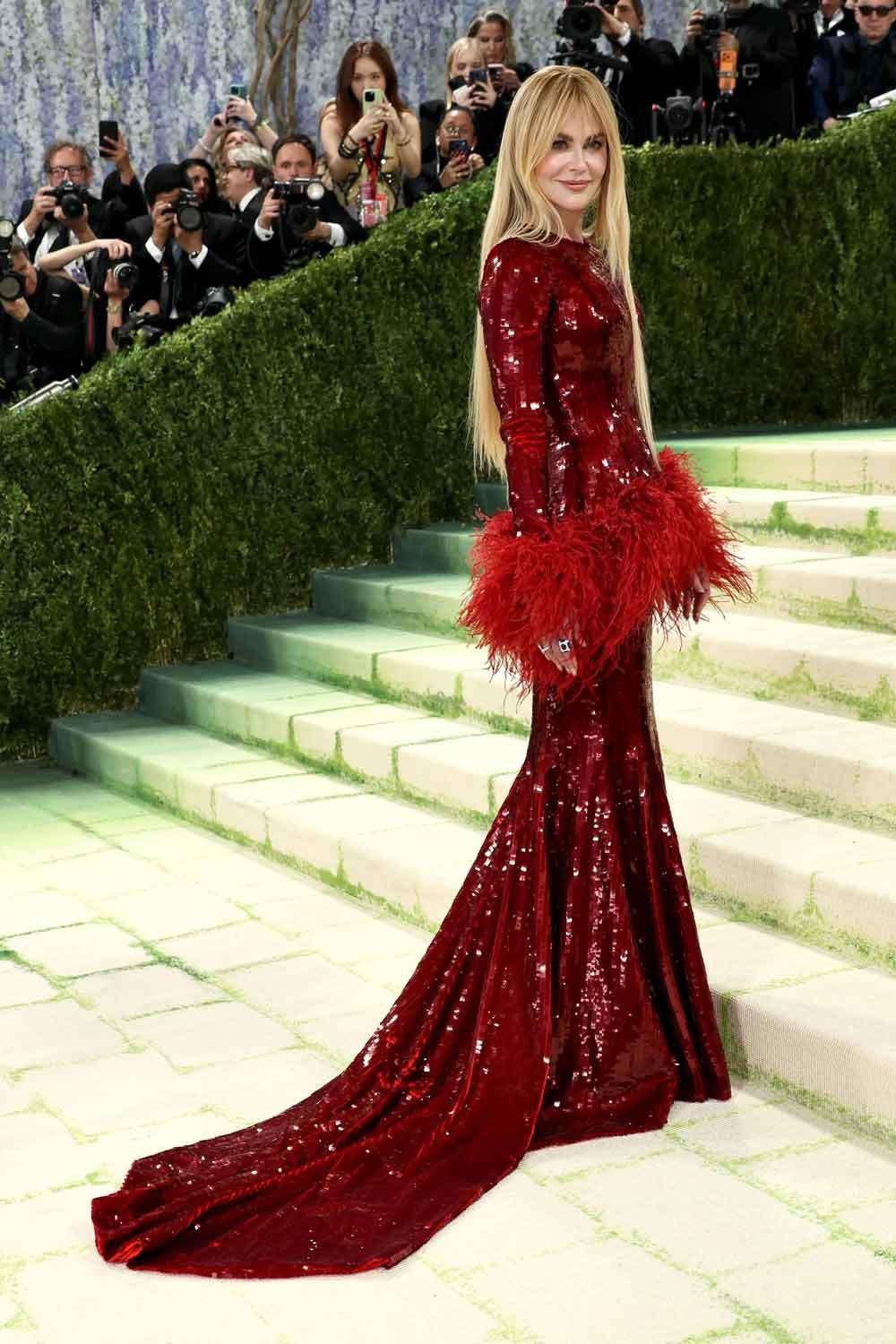
As always, the evening was anchored by an influential group of chairs. Longtime organiser Anna Wintour returned alongside a high-profile trio: Beyoncé, Nicole Kidman, and Venus Williams. Their presence signalled a continuation of the Gala’s blend of fashion, film, music and sport; ensuring its global cultural reach remained intact.
However, the most talked-about names were not from the worlds of art or entertainment, but business. Jeff Bezos and Lauren Sánchez Bezos served as honorary chairs and primary sponsors, reportedly contributing millions to support the event. Their involvement shifted the narrative dramatically. Almost immediately, backlash erupted. Activists and critics argued that the Gala, historically a fundraiser for the Costume Institute, had become overly dependent on billionaire patronage. Protest campaigns appeared across New York, urging celebrities and the public to boycott what some dubbed “the Bezos Met Gala” or ‘the Amazon Gala.’ Demonstrations ranged from posters and projections to more provocative acts, including the placement of symbolic “pee bottles” inside the museum, referencing longstanding allegations about working conditions at Amazon. The controversy extended into the celebrity sphere. Some high-profile figures reportedly declined invitations, while others openly questioned the ethics of attending an event underwritten by extreme wealth. Social media amplified the tension, with widespread criticism focusing on inequality, labour practices and the growing influence of billionaires within cultural institutions.
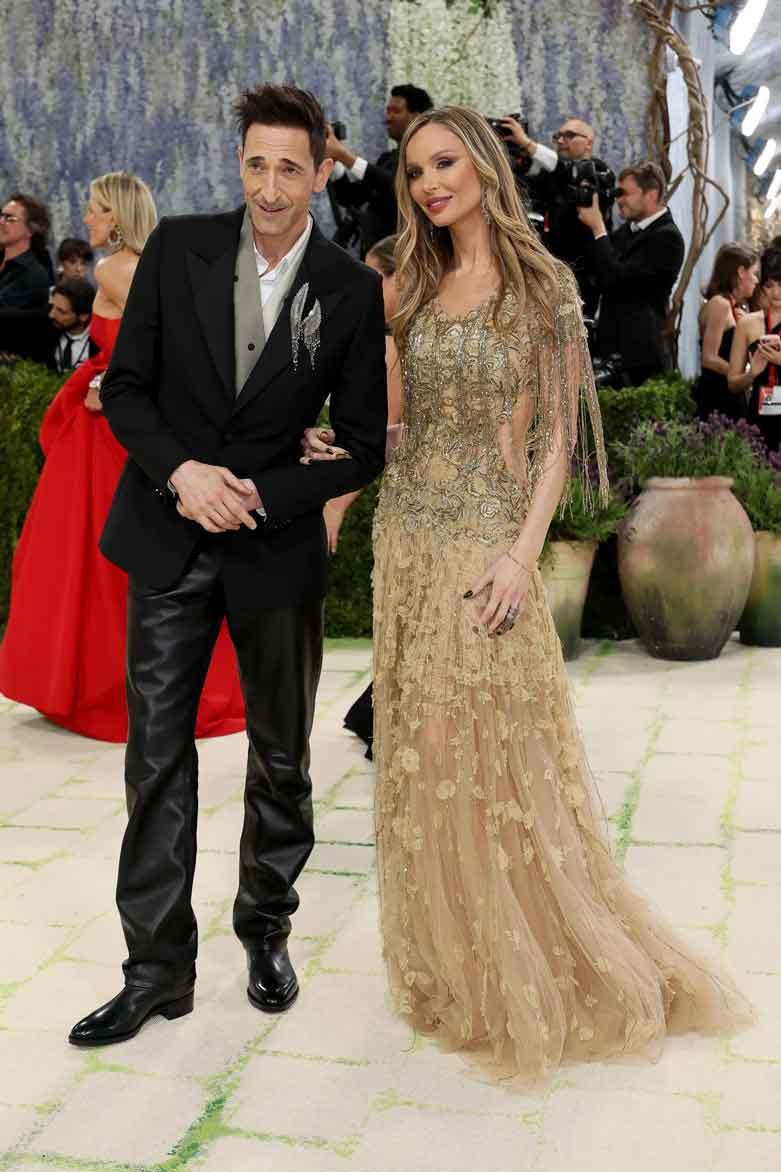
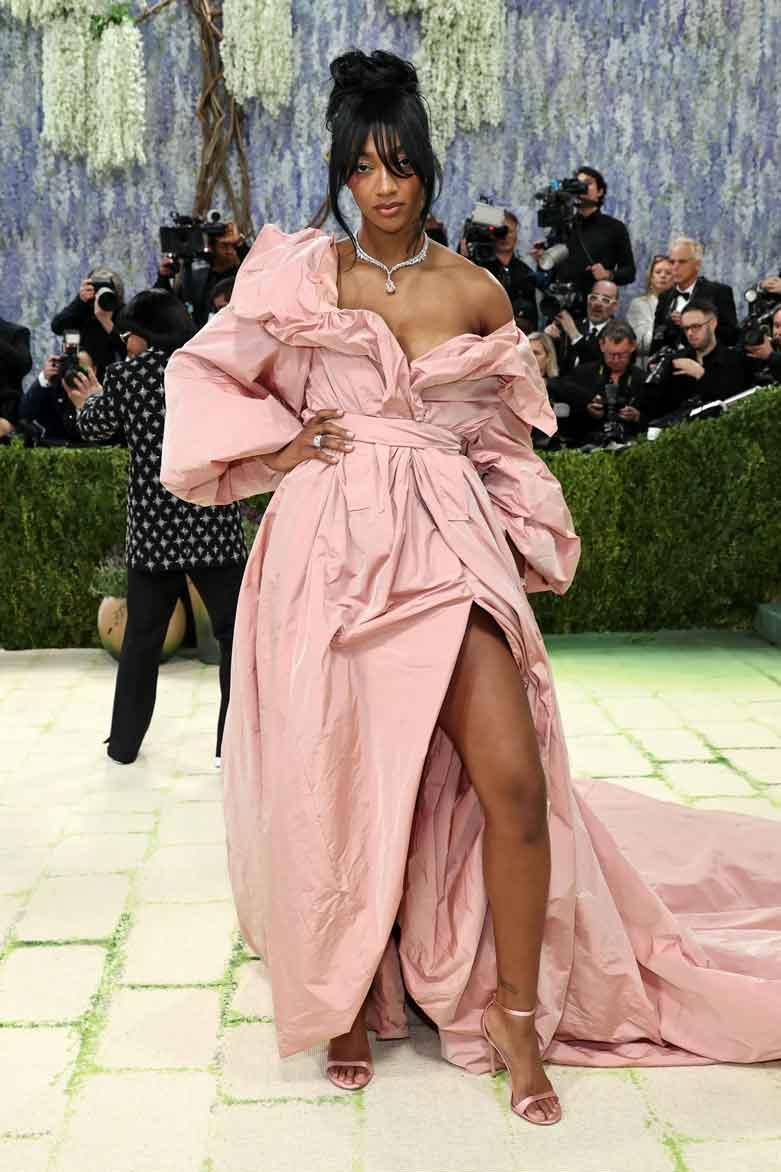
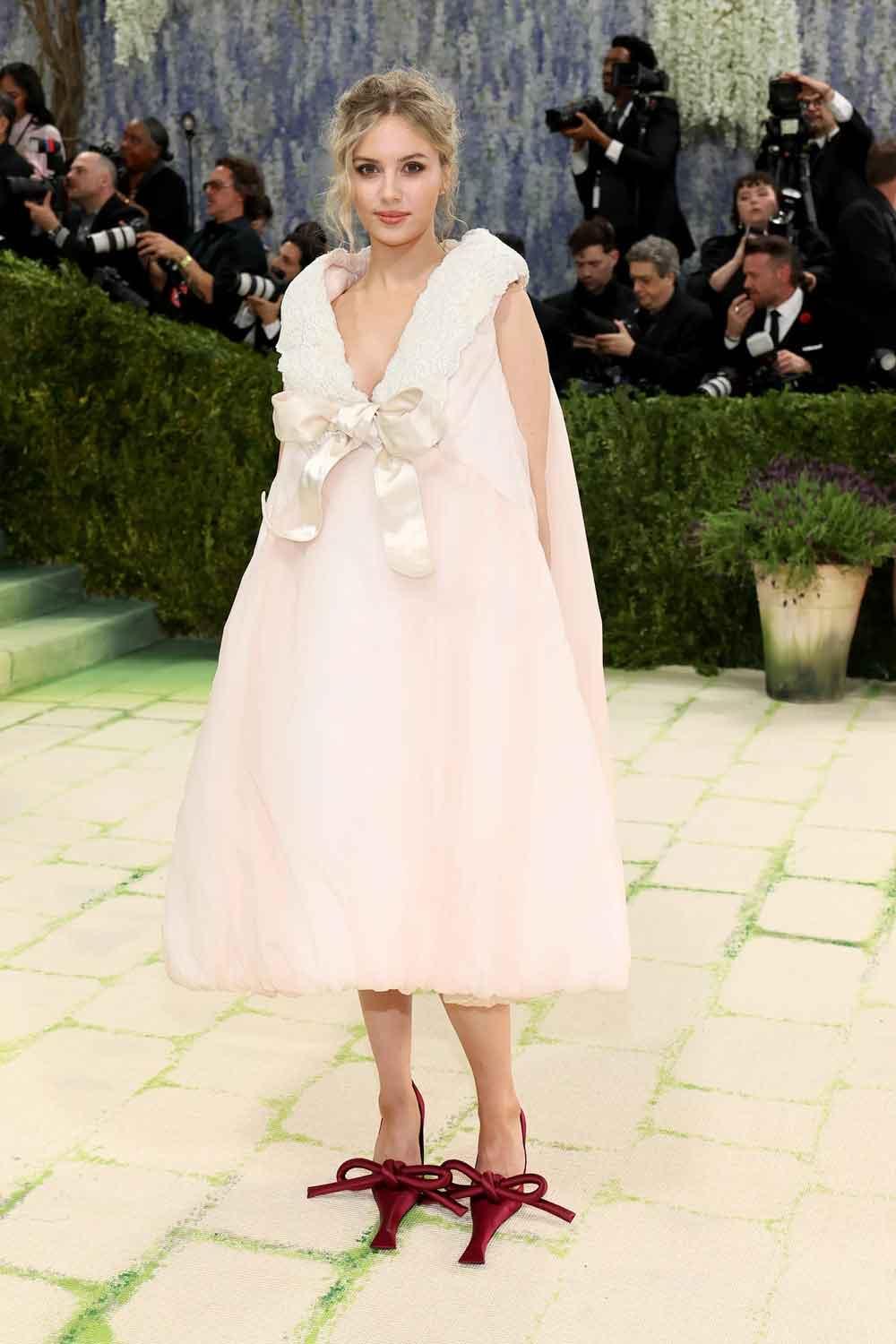
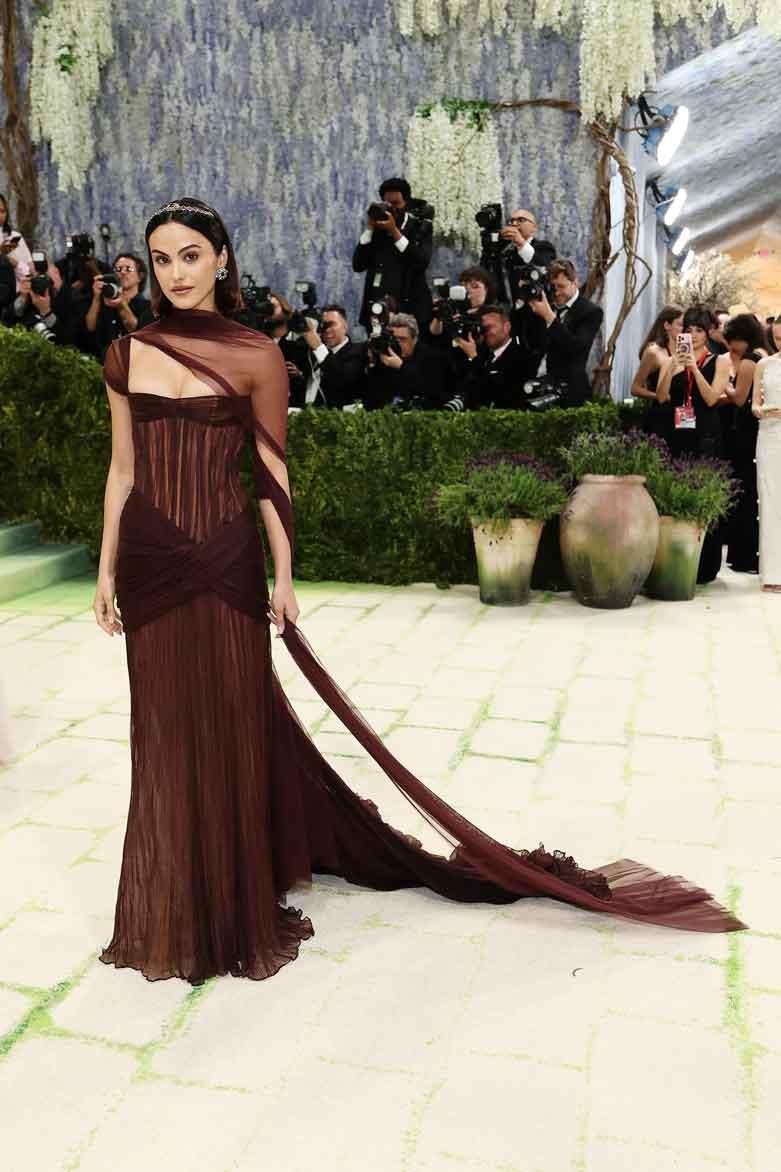
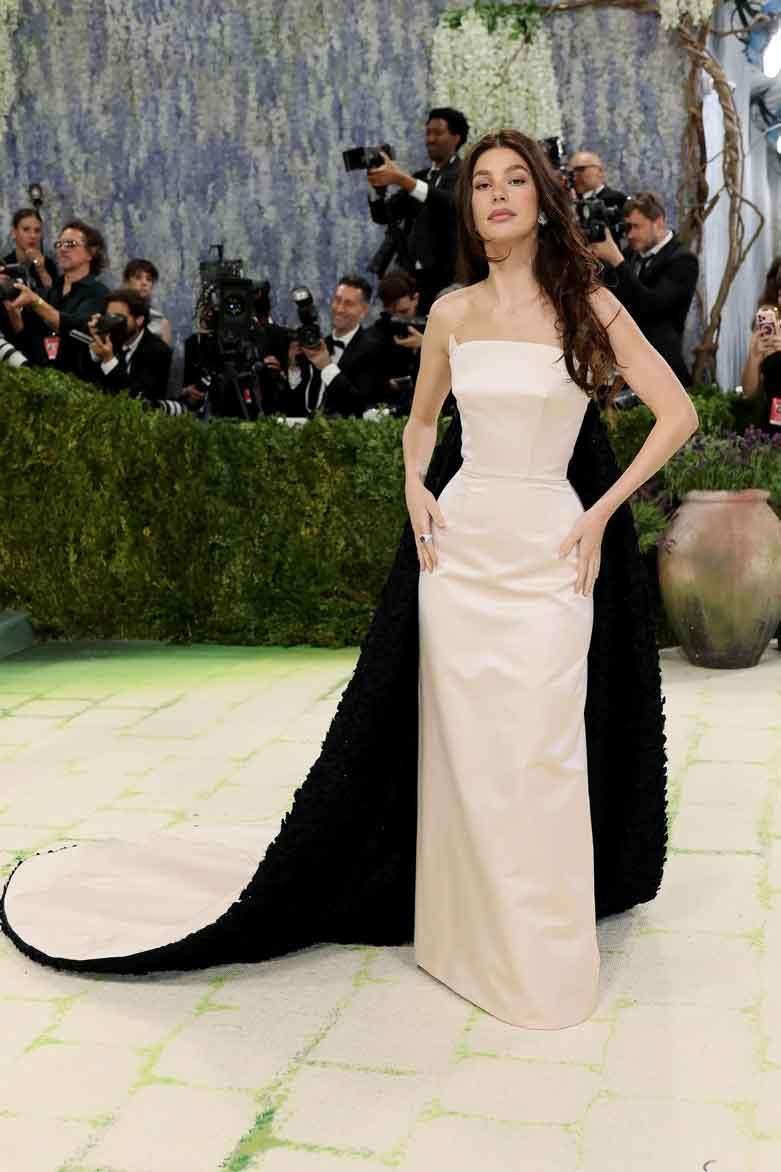
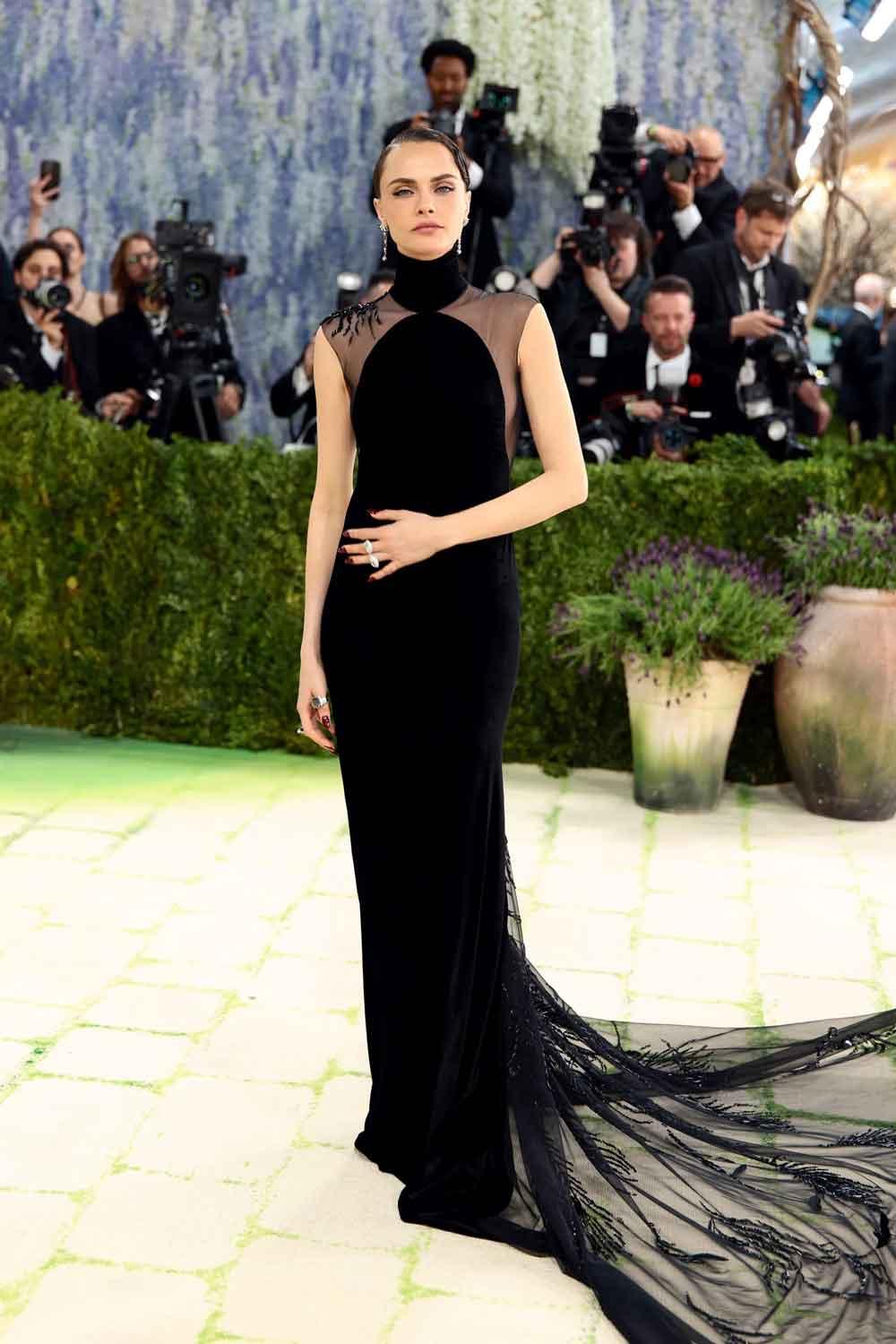
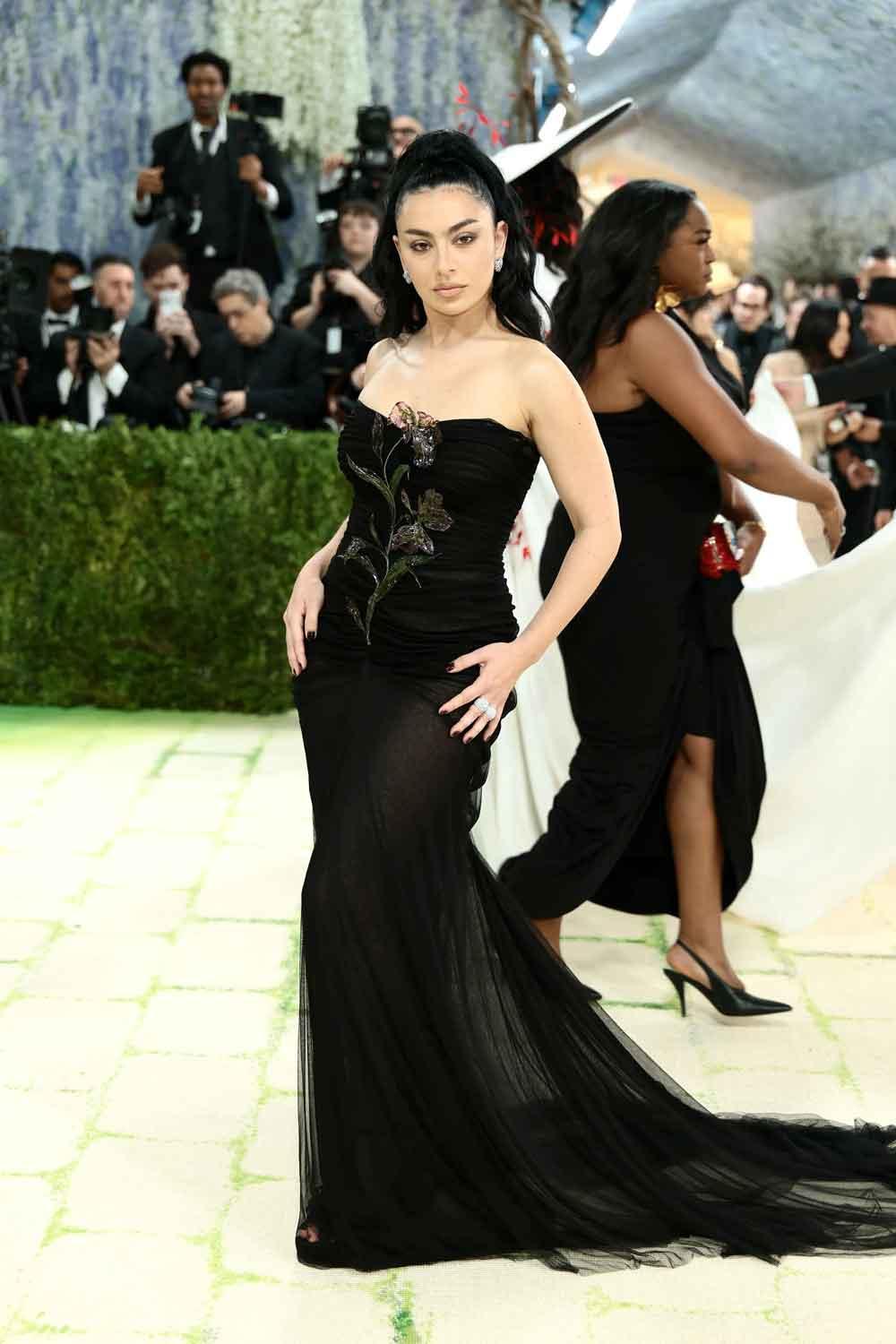
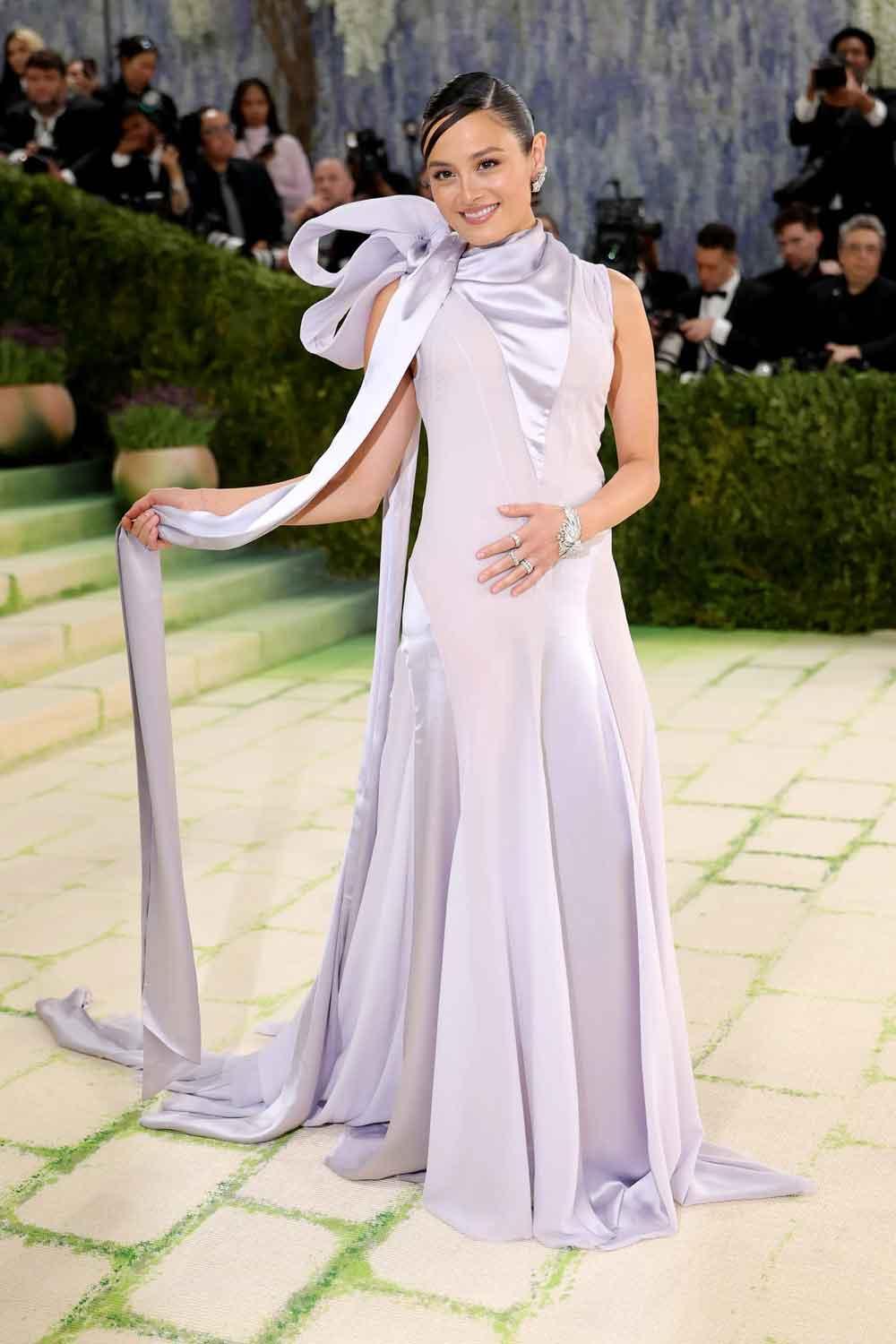
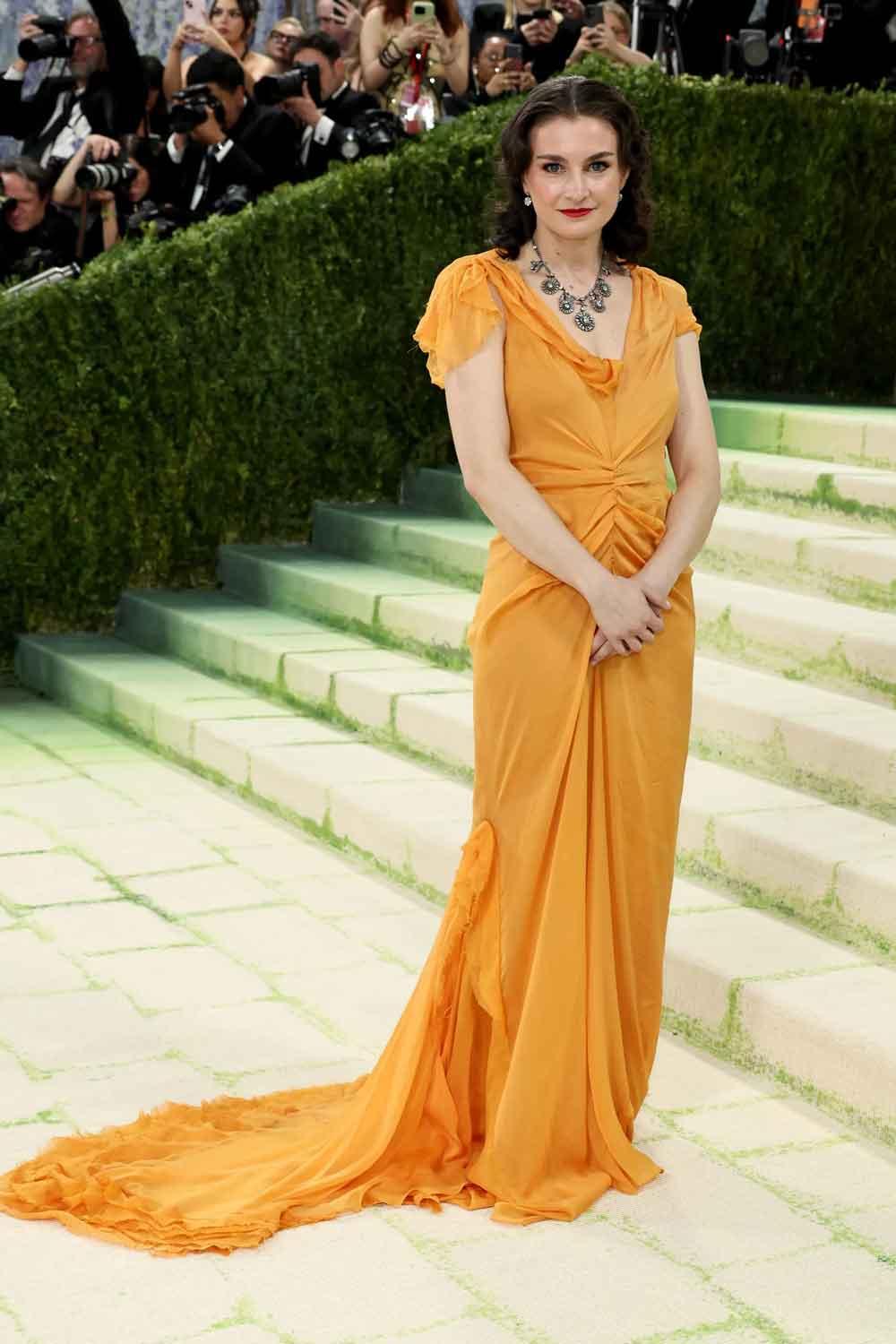
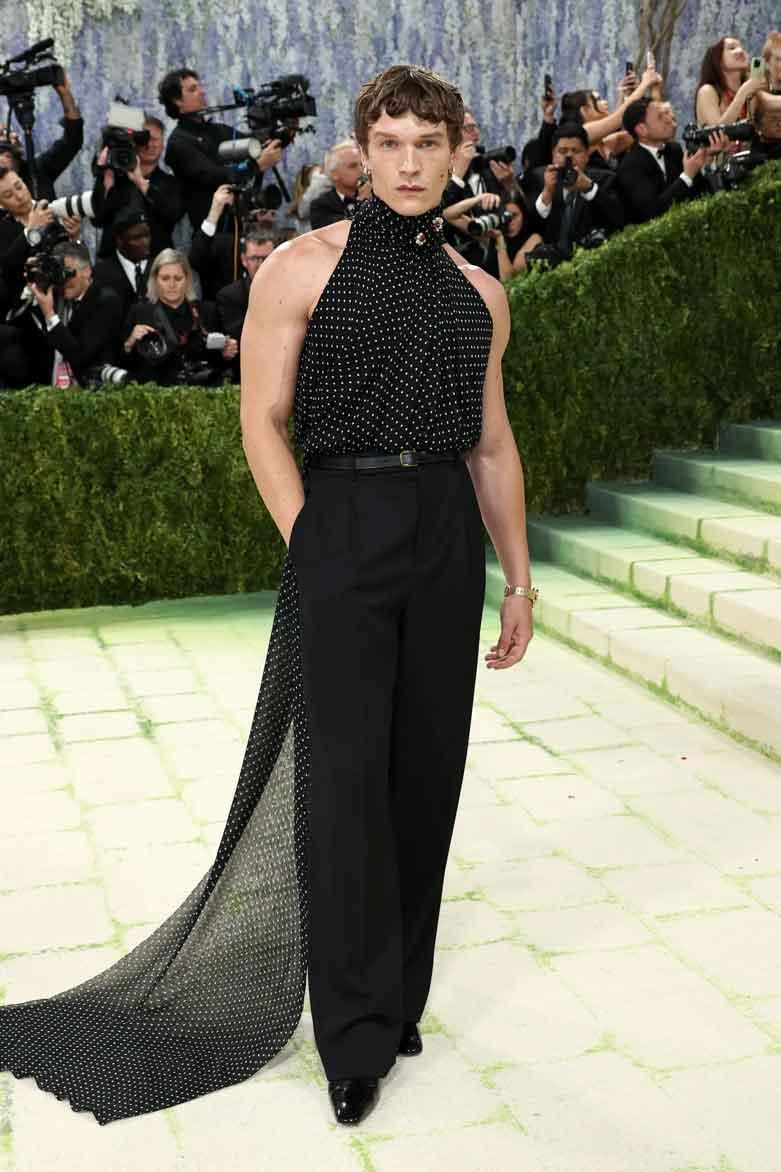
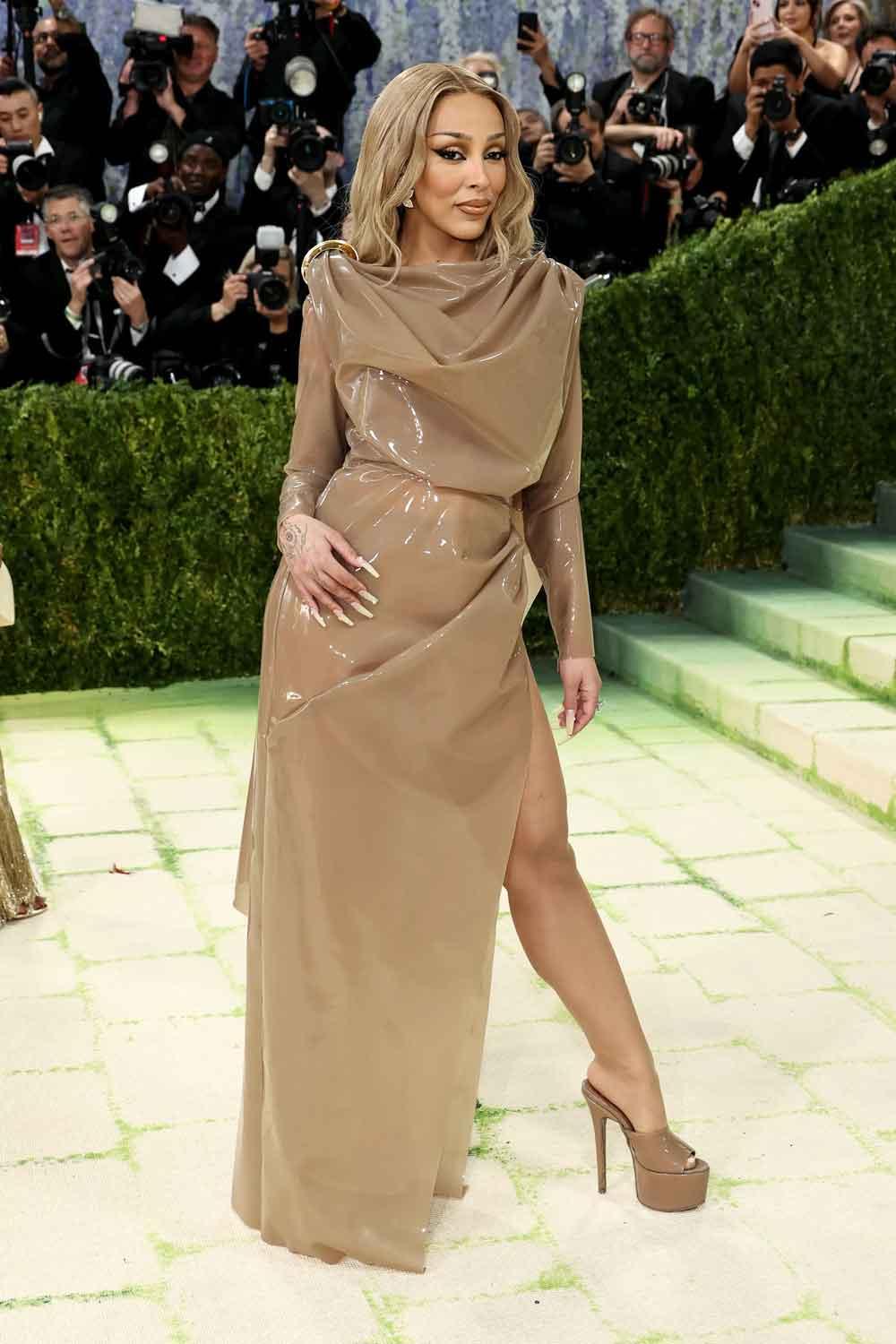
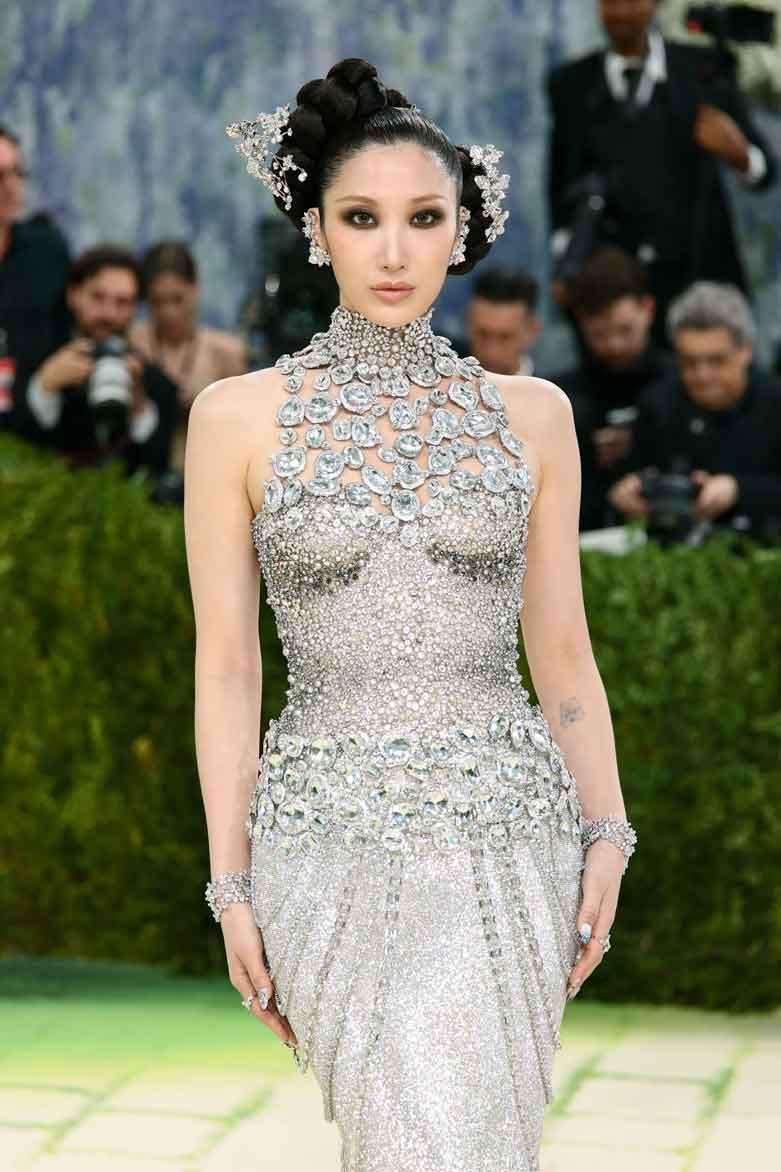
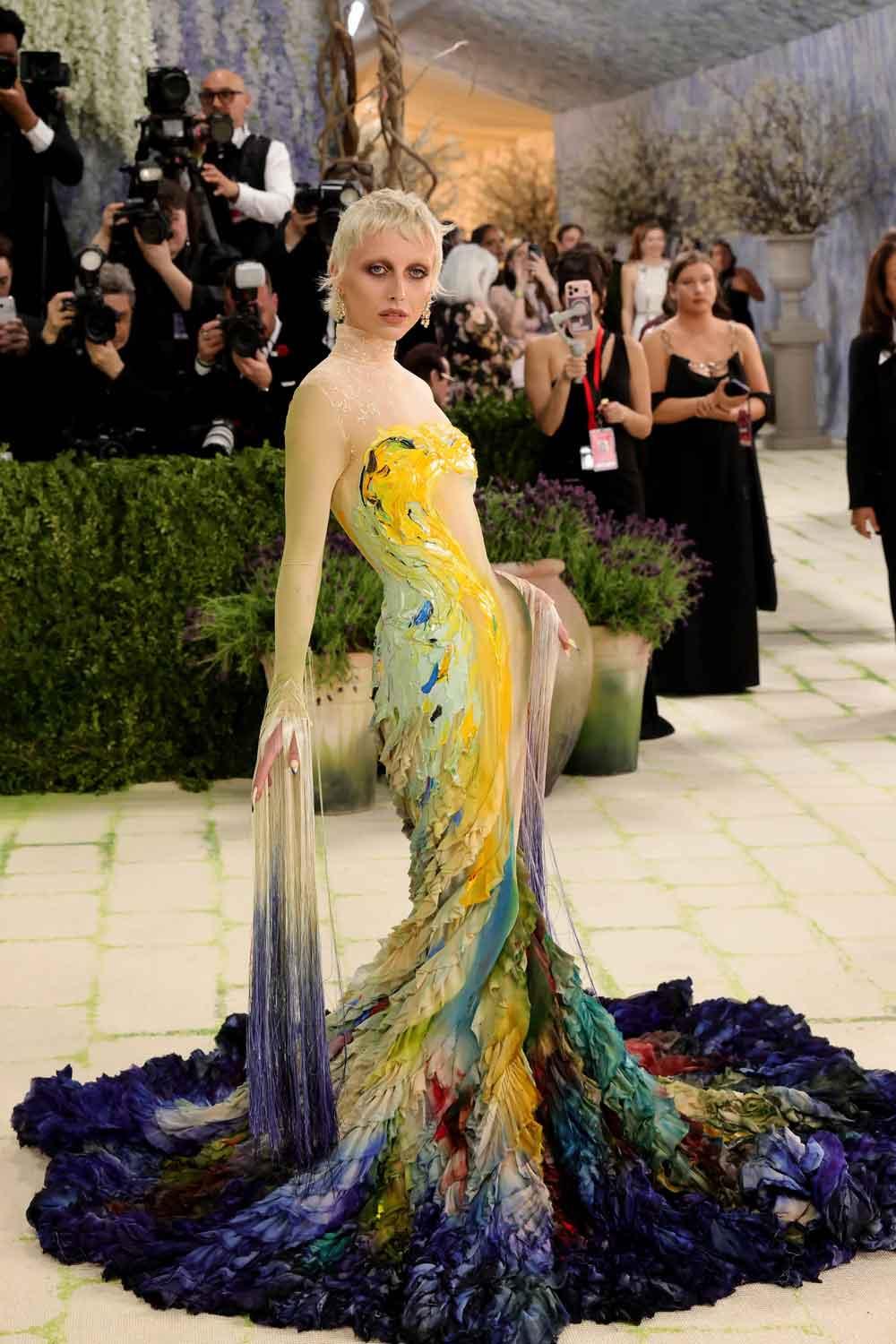
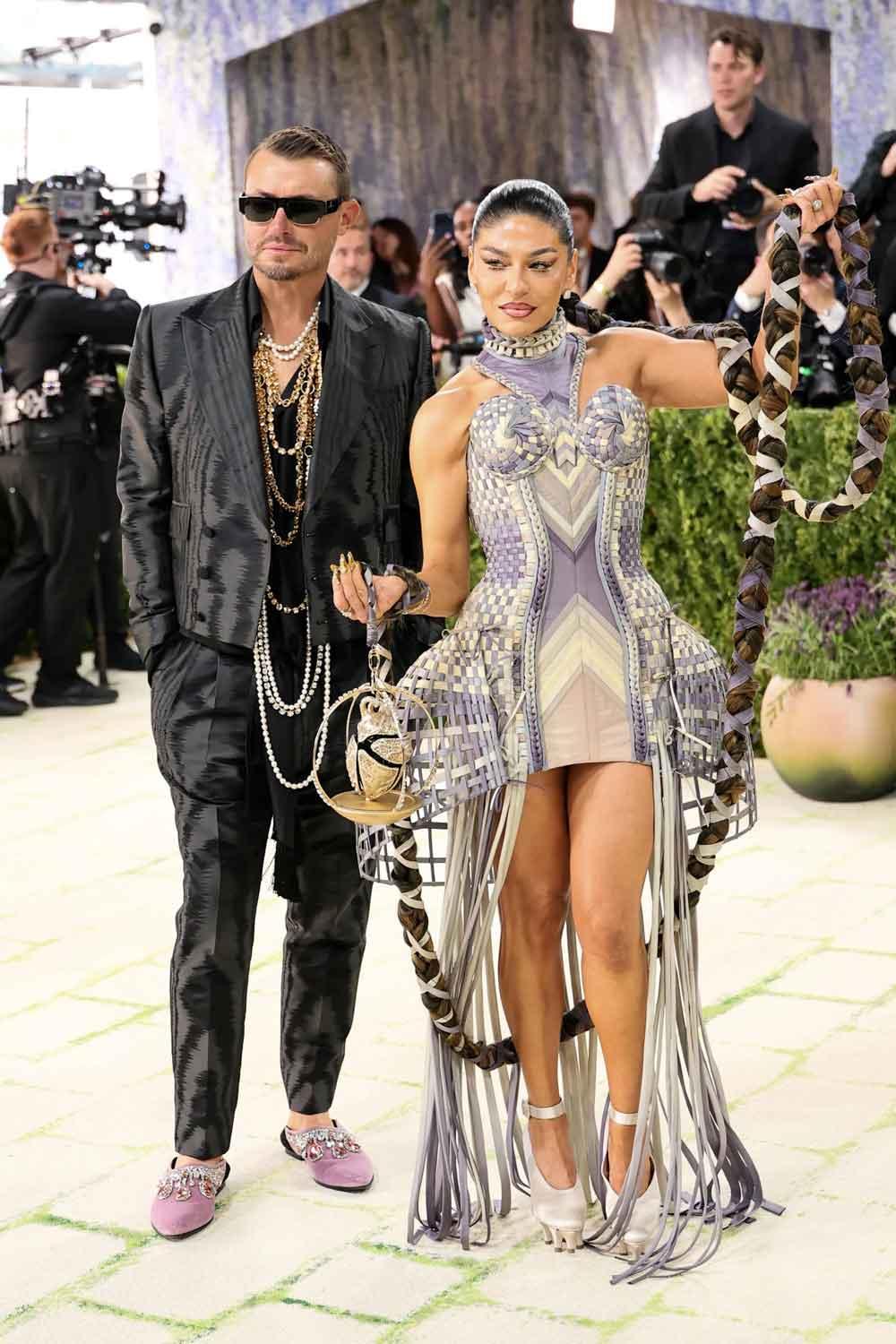
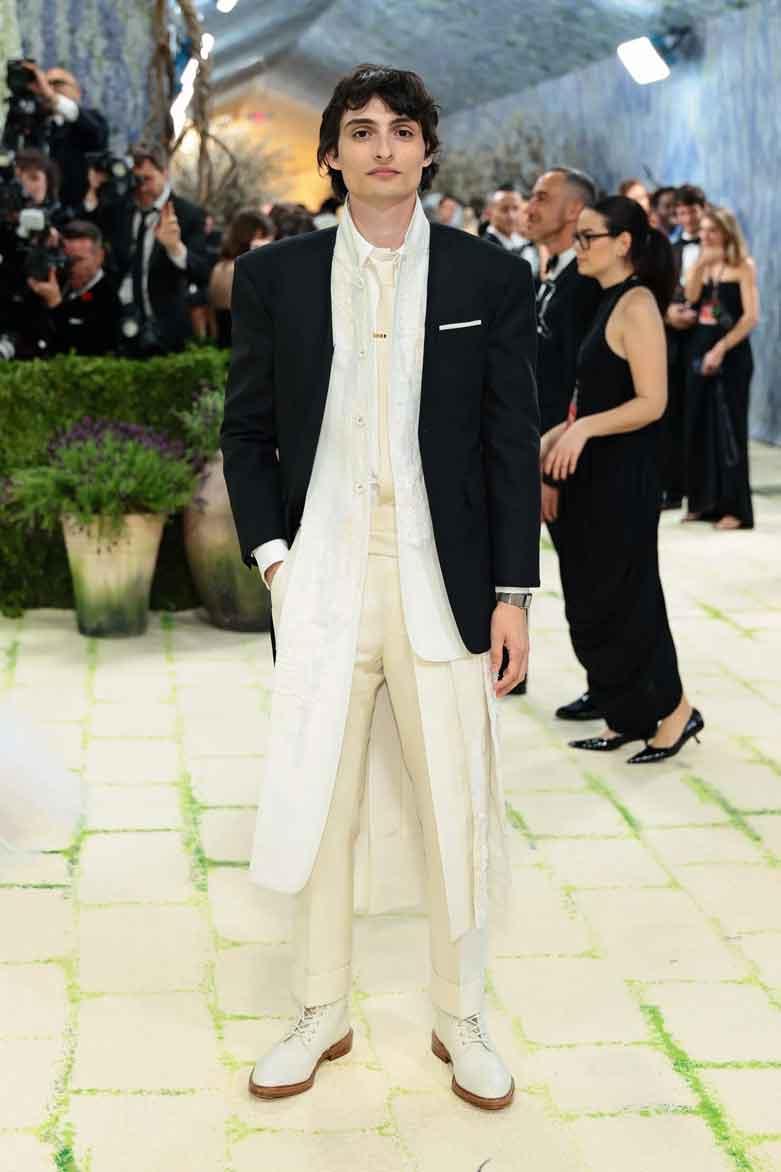
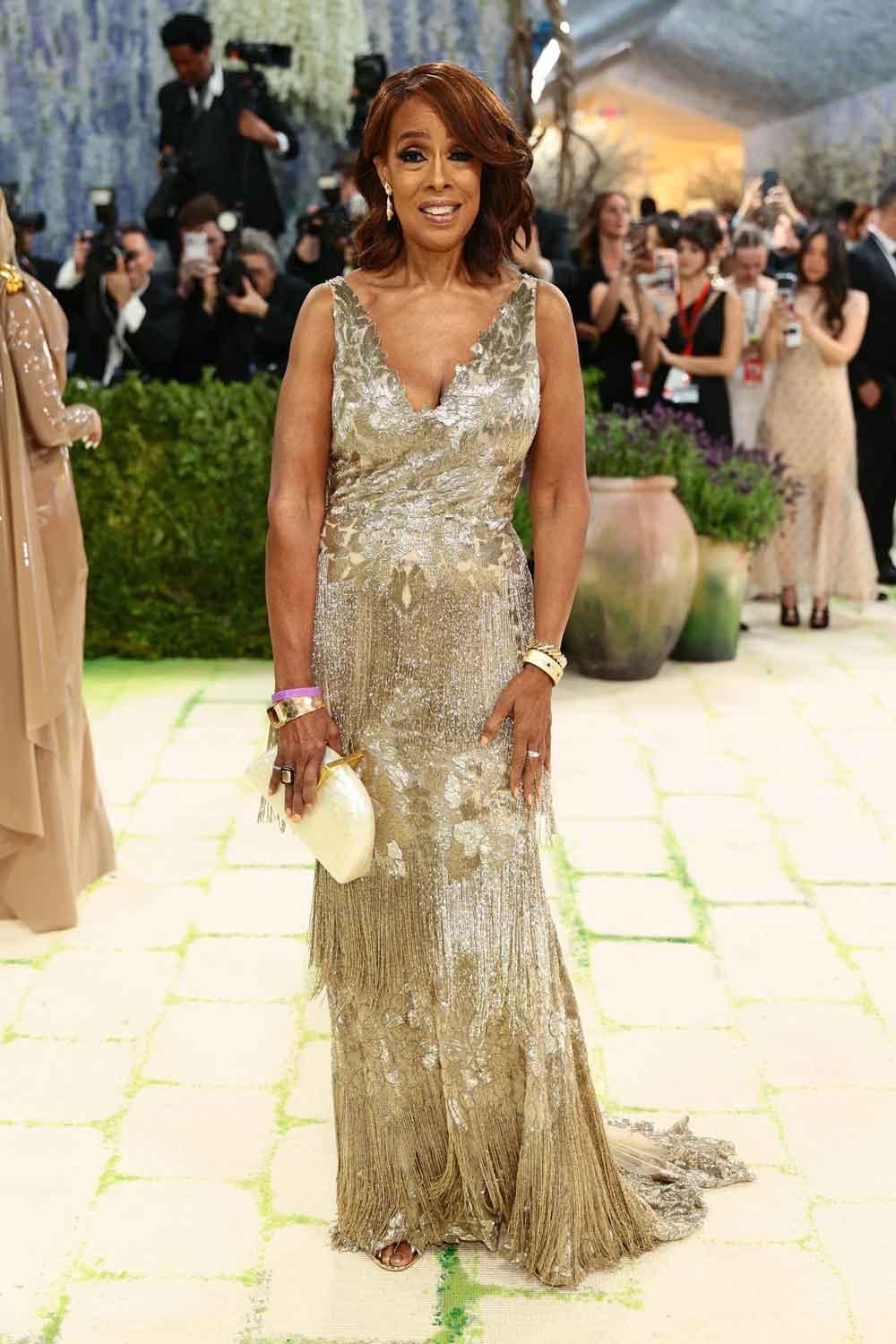
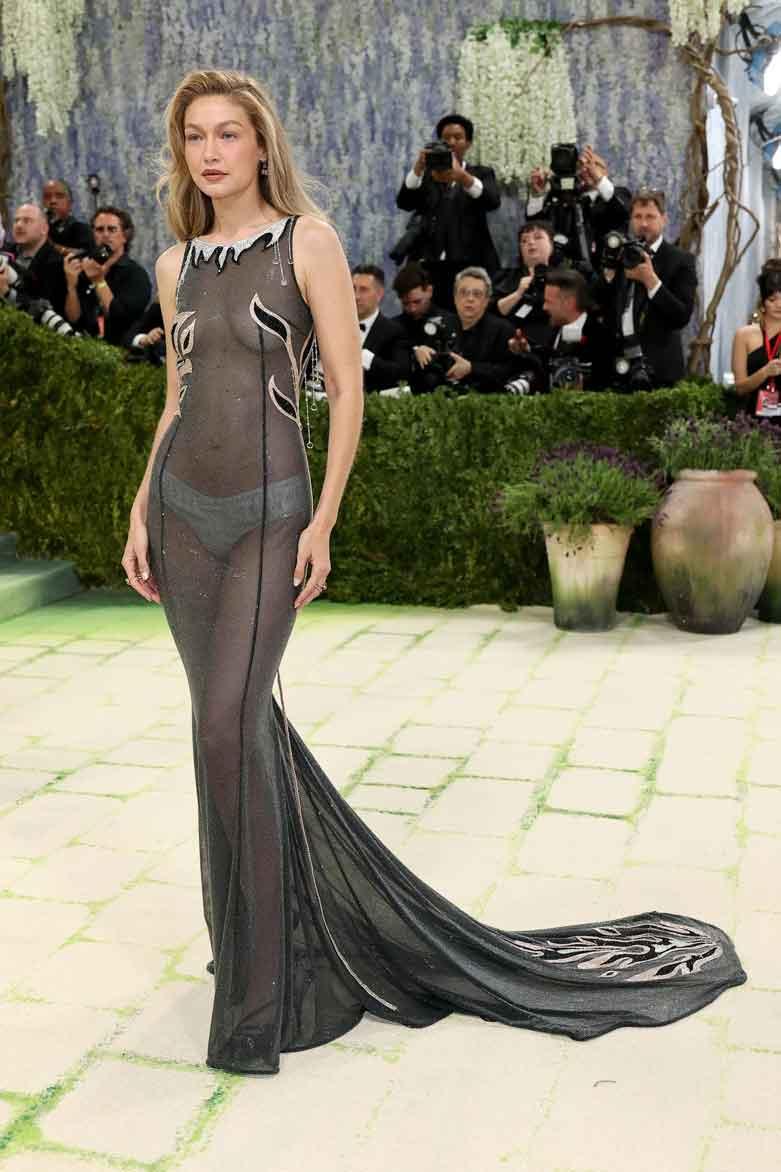
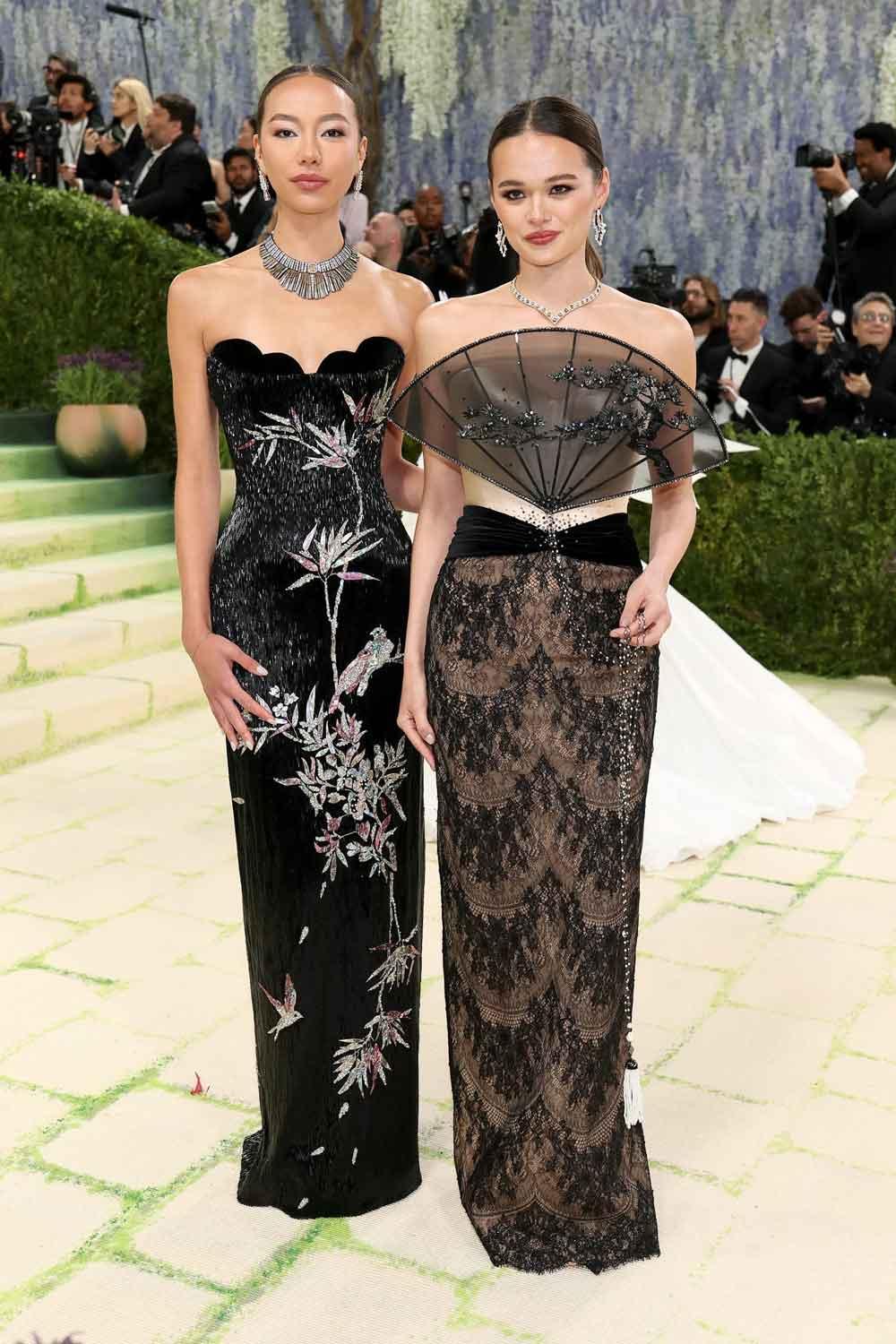
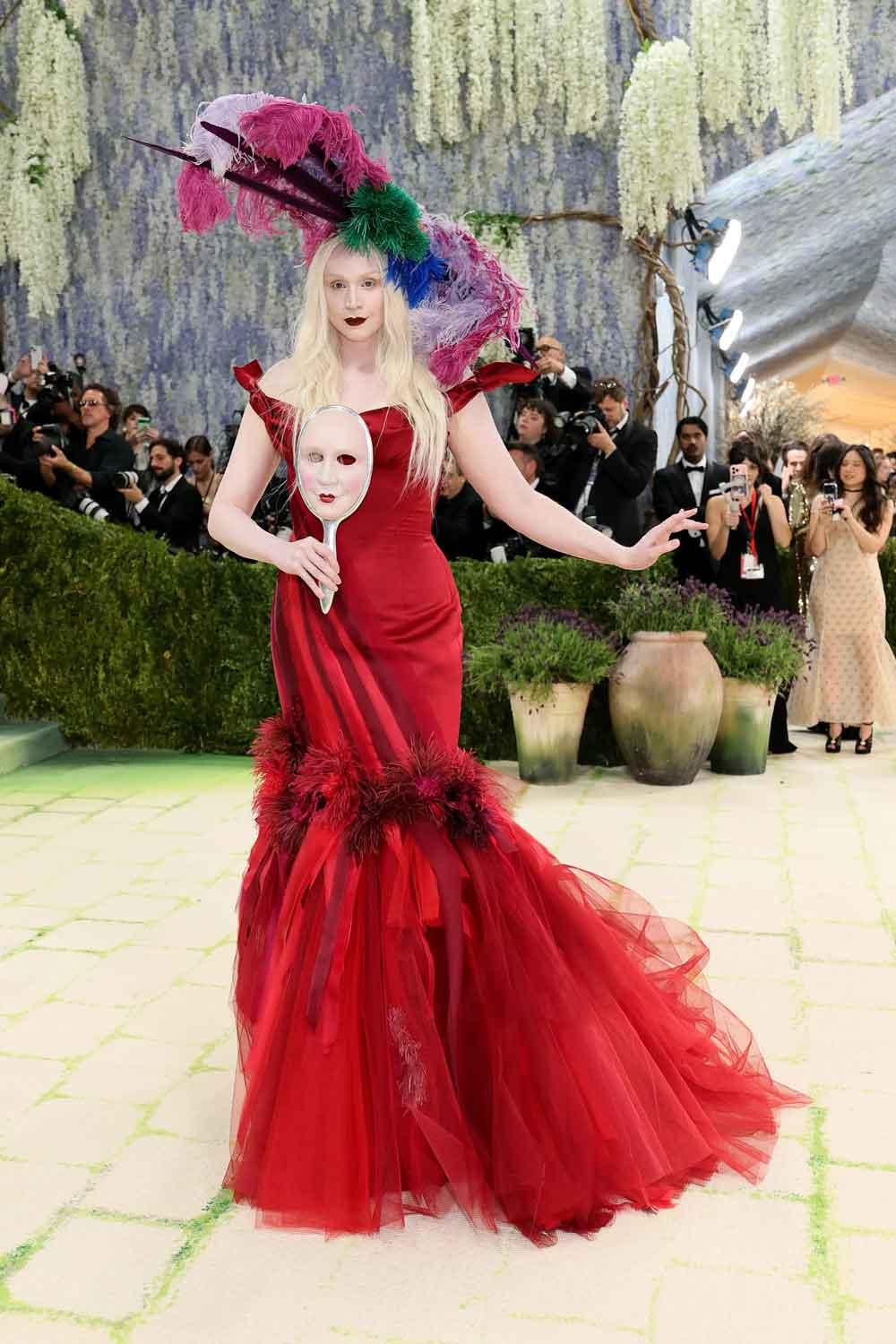
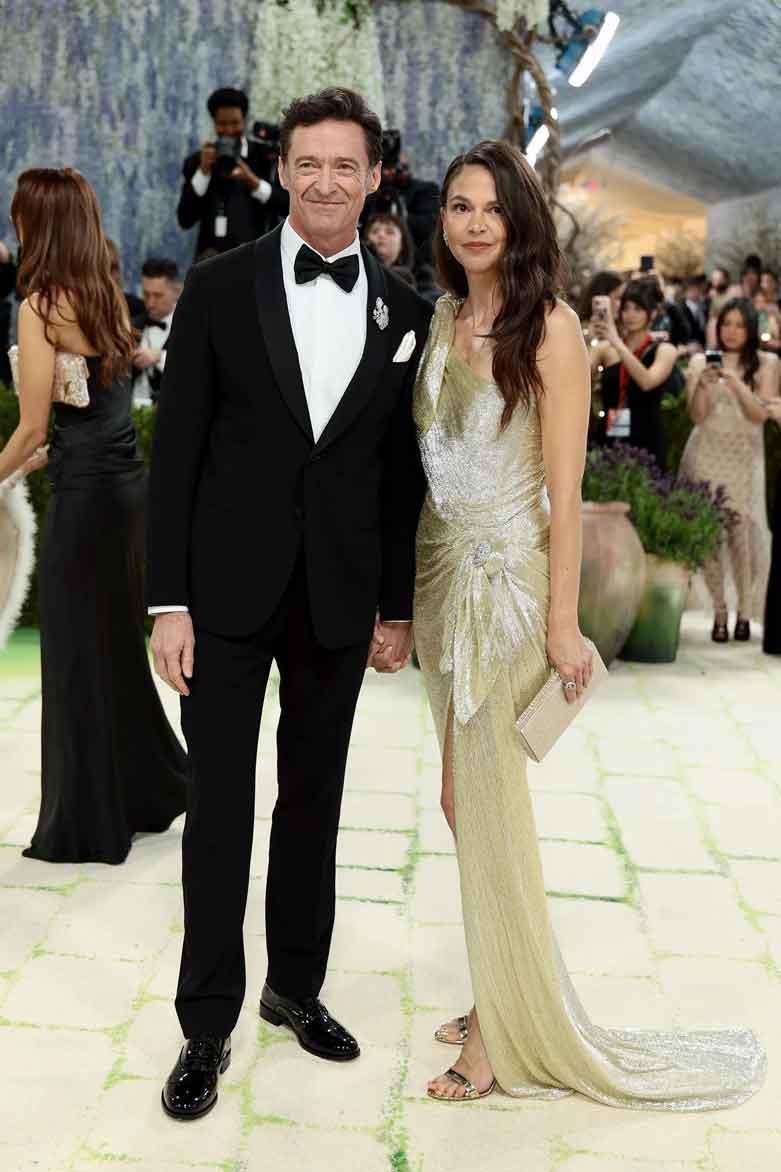
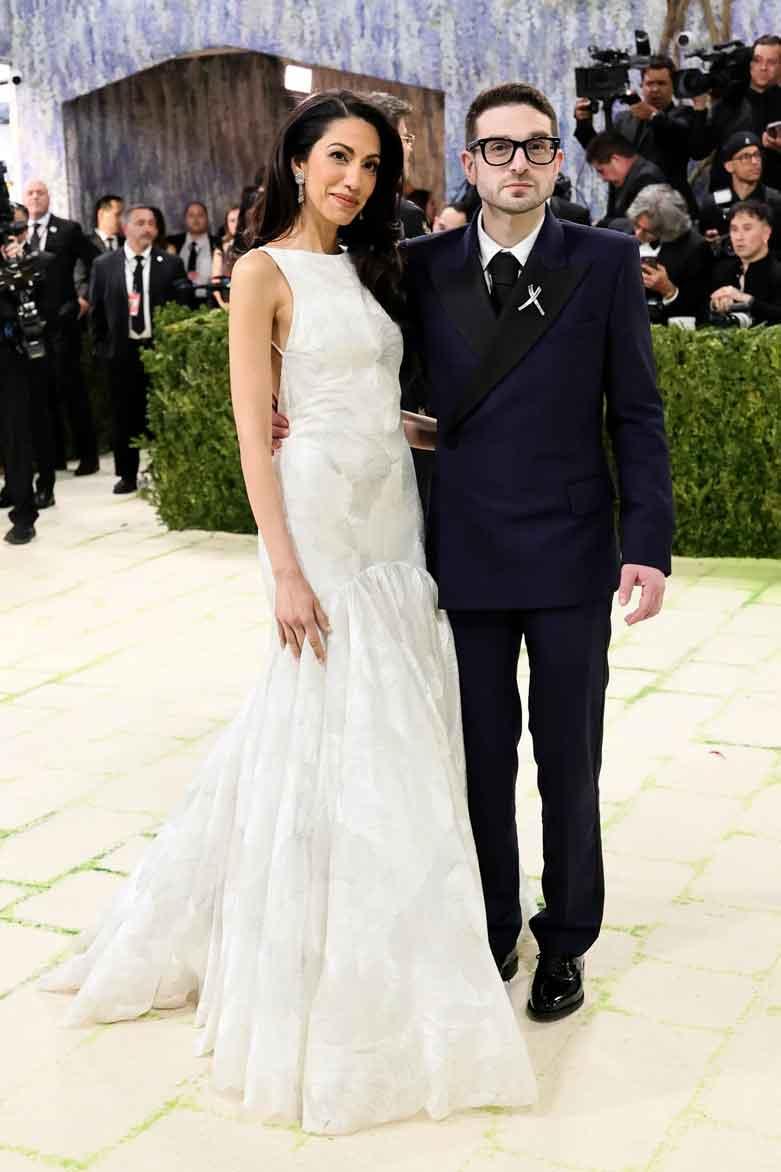
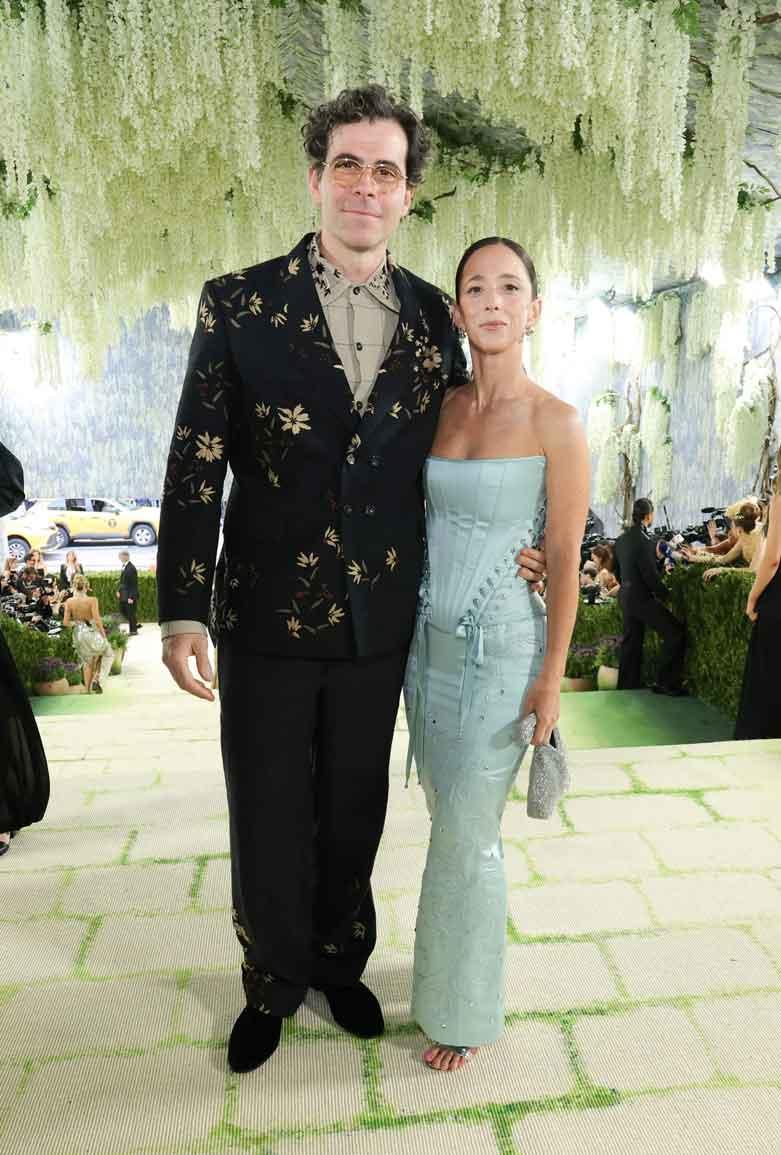
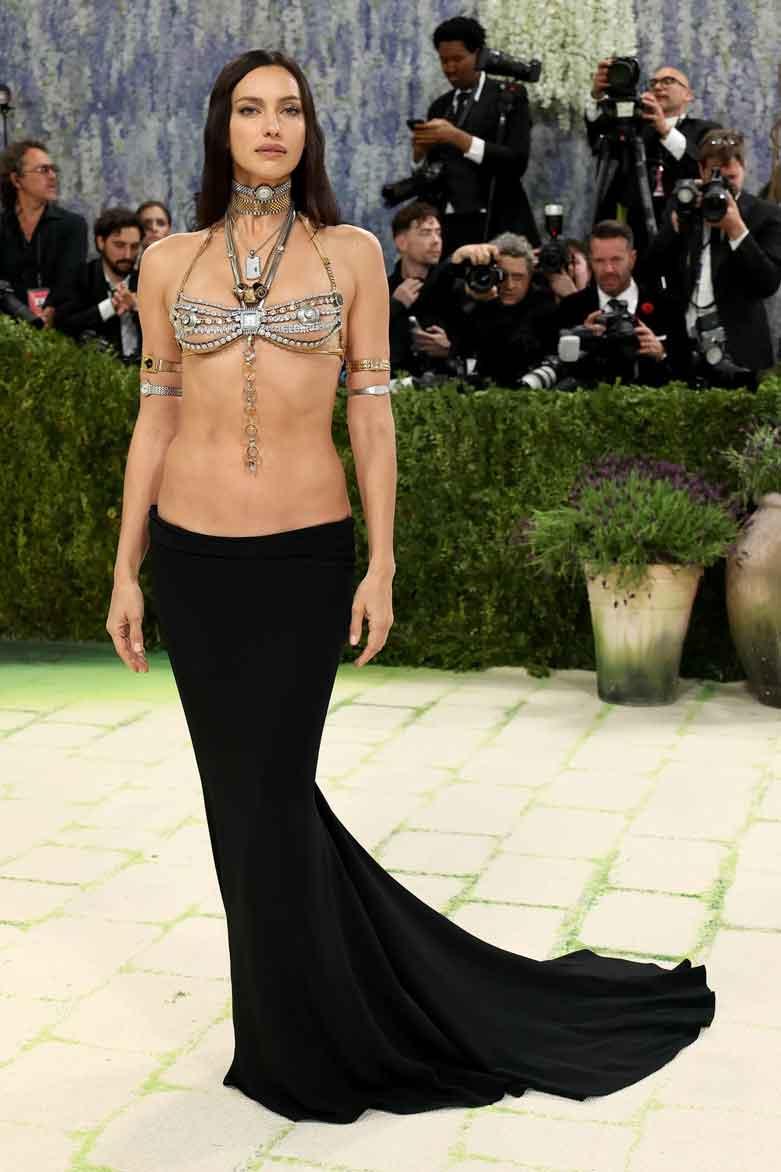
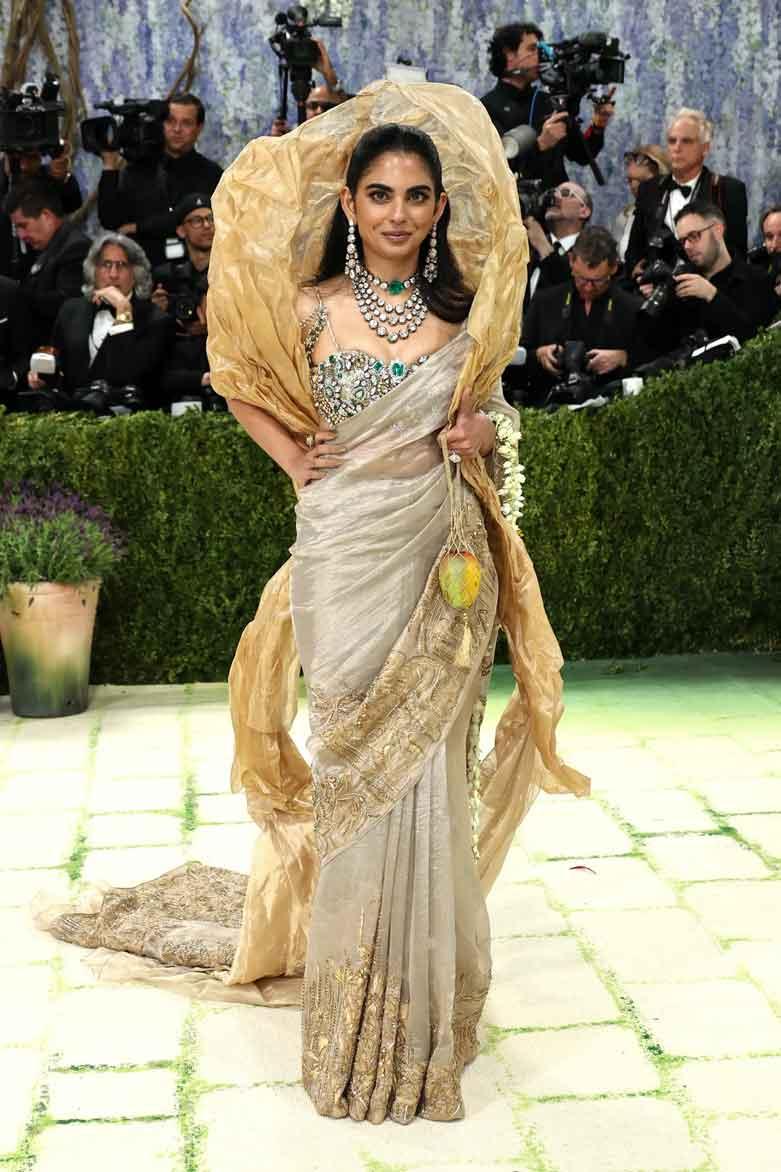
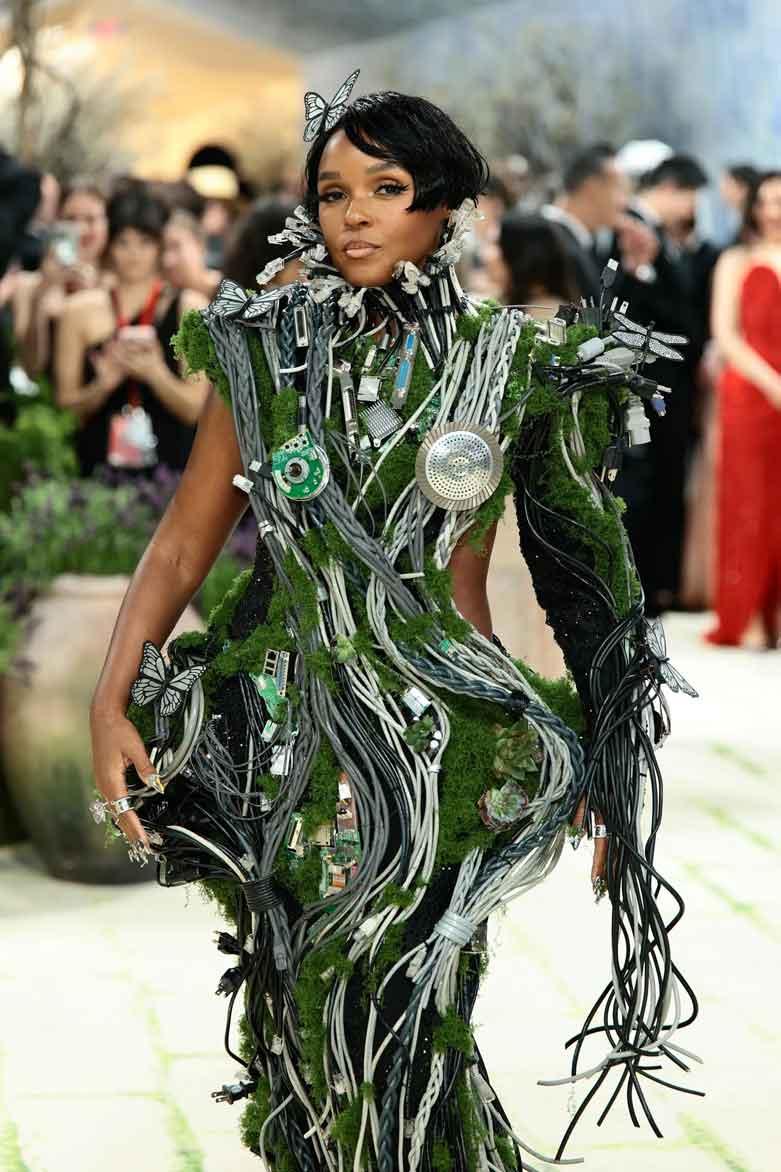
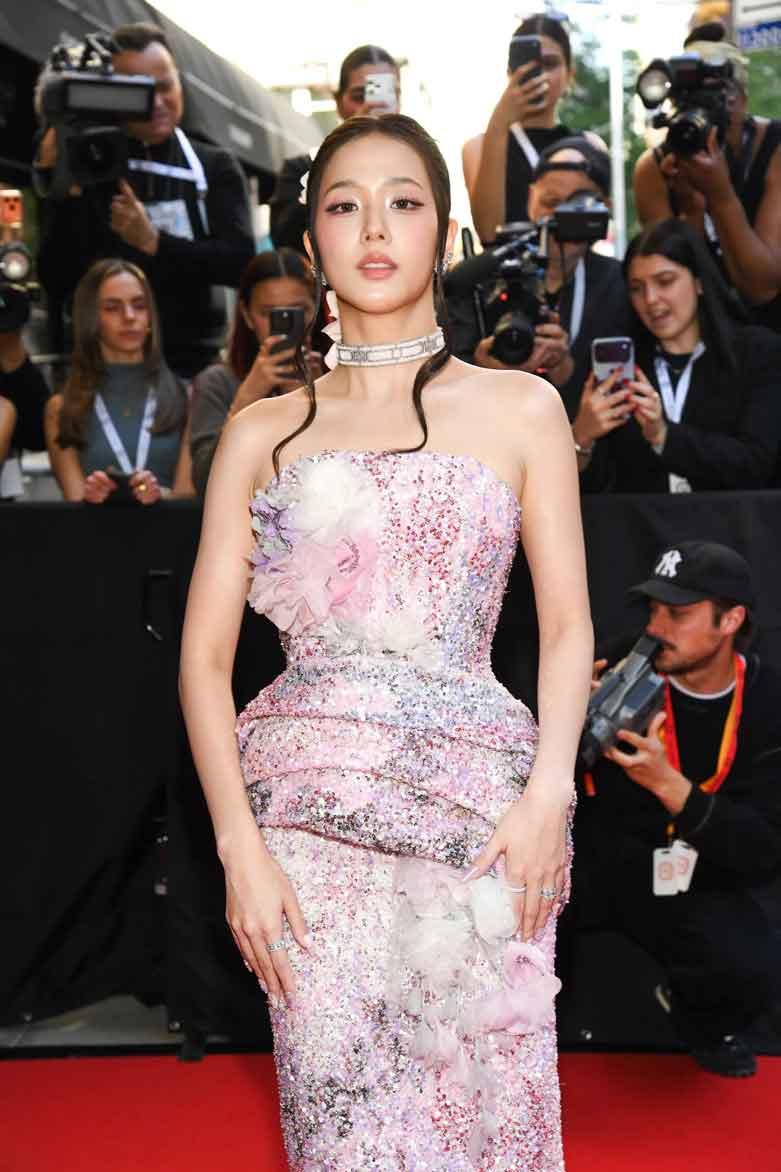
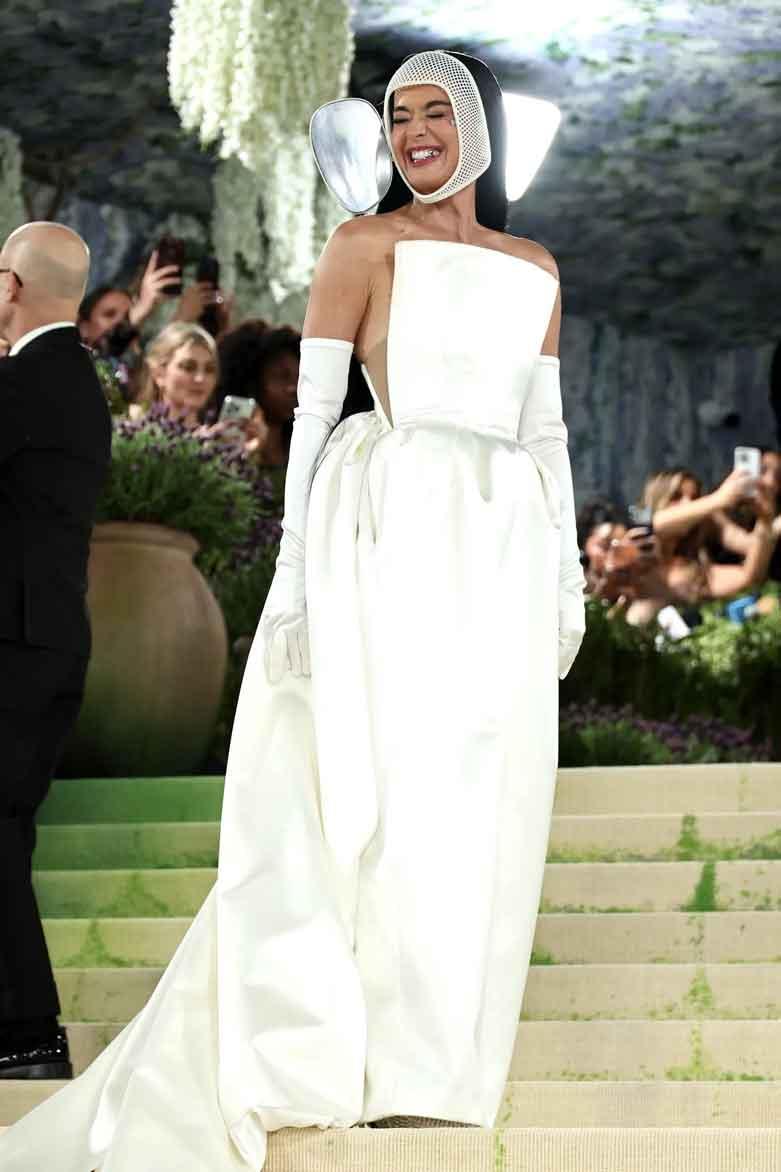
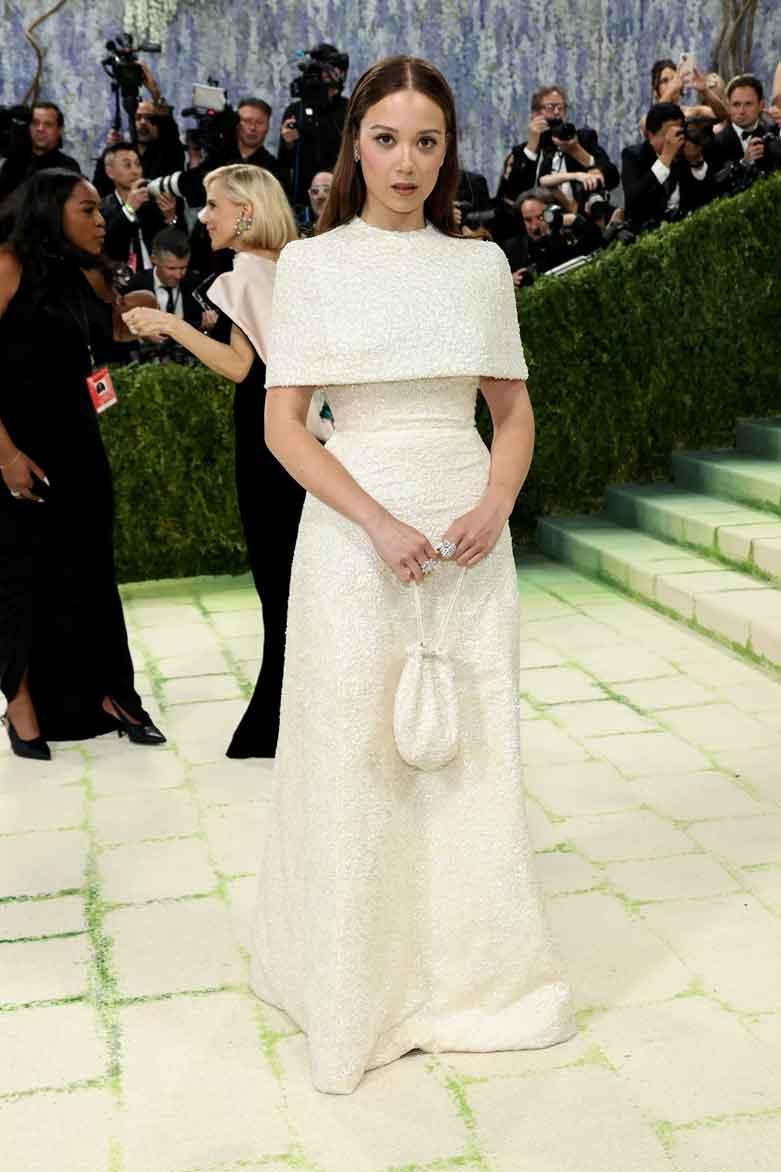
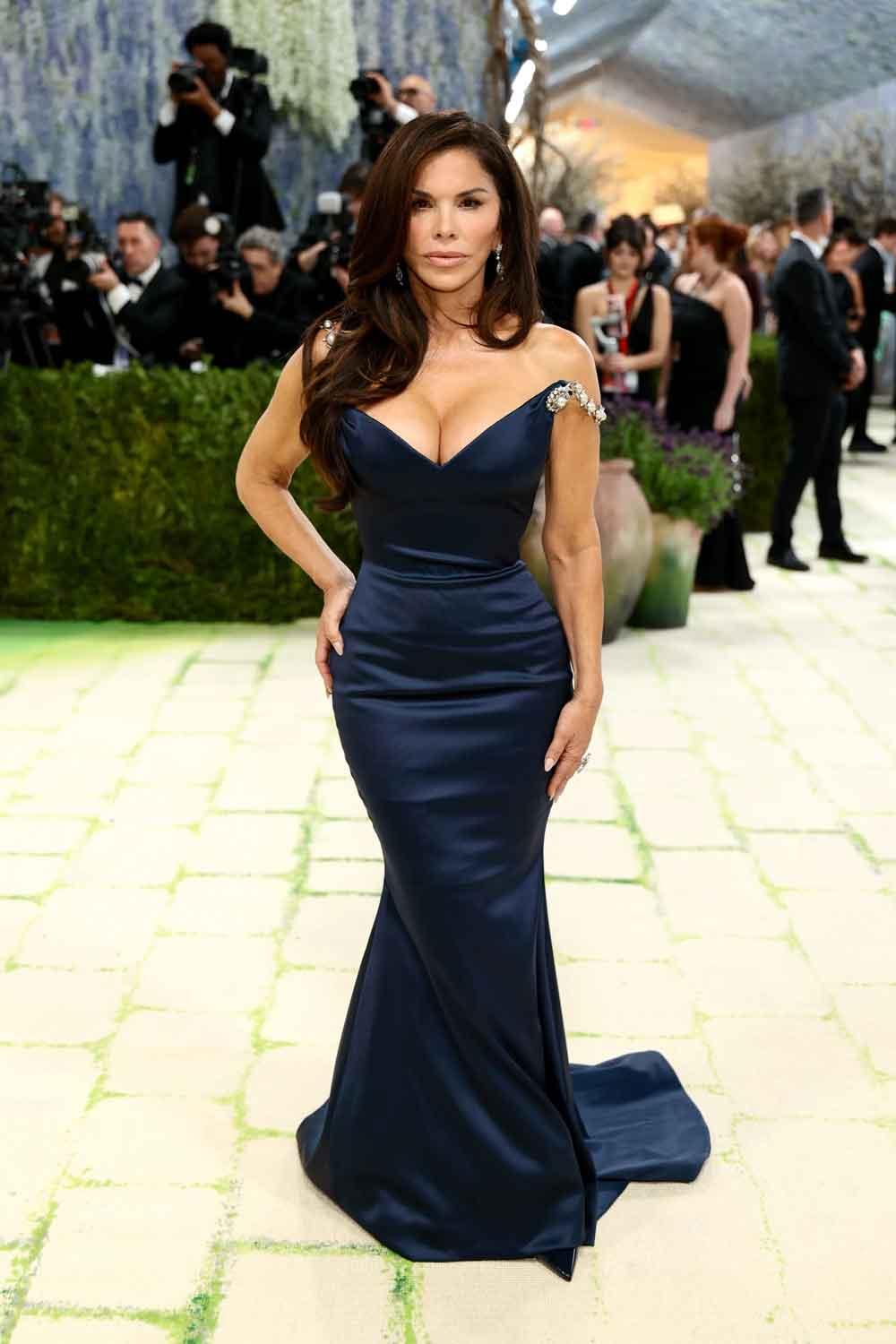
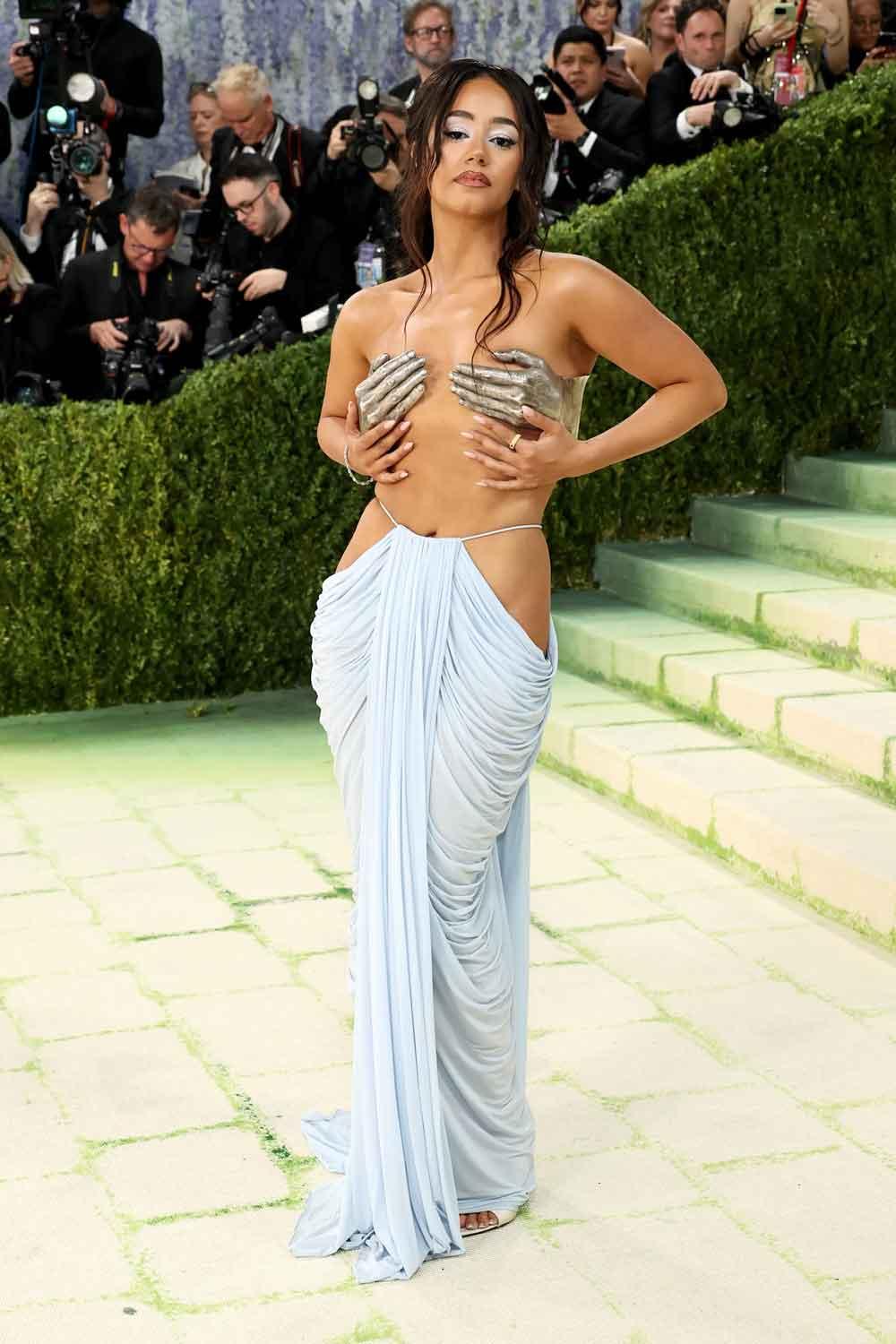
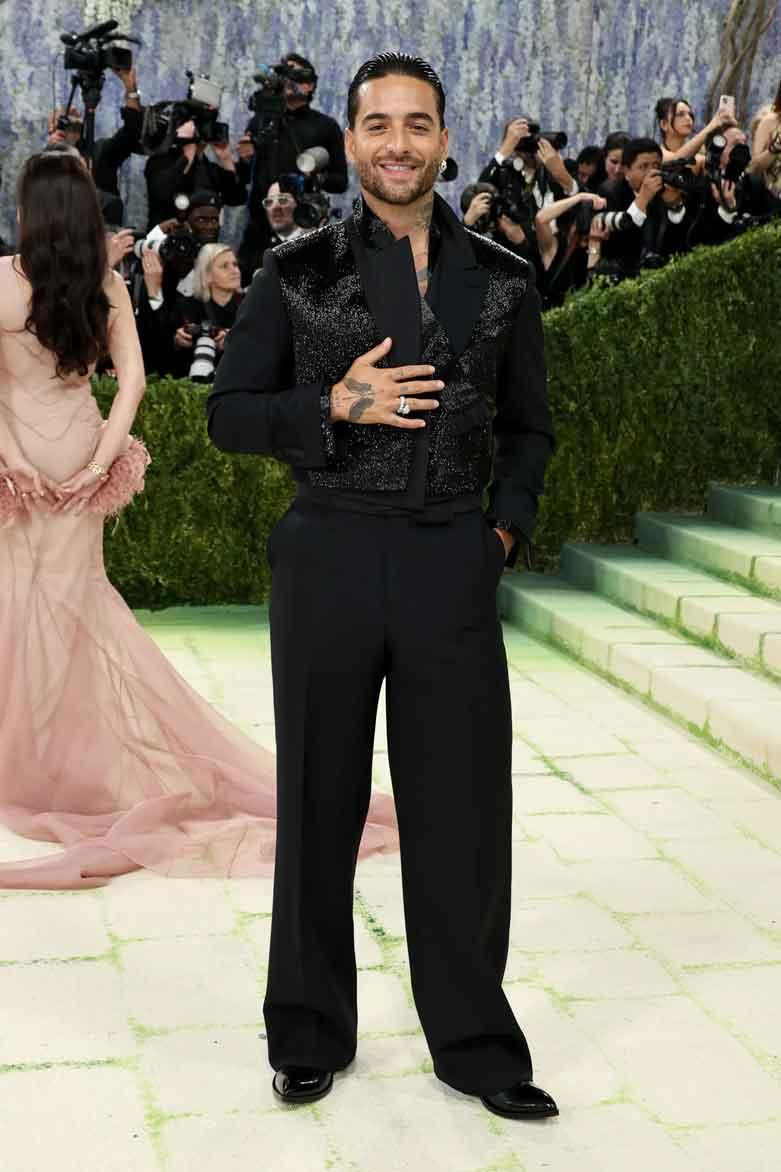
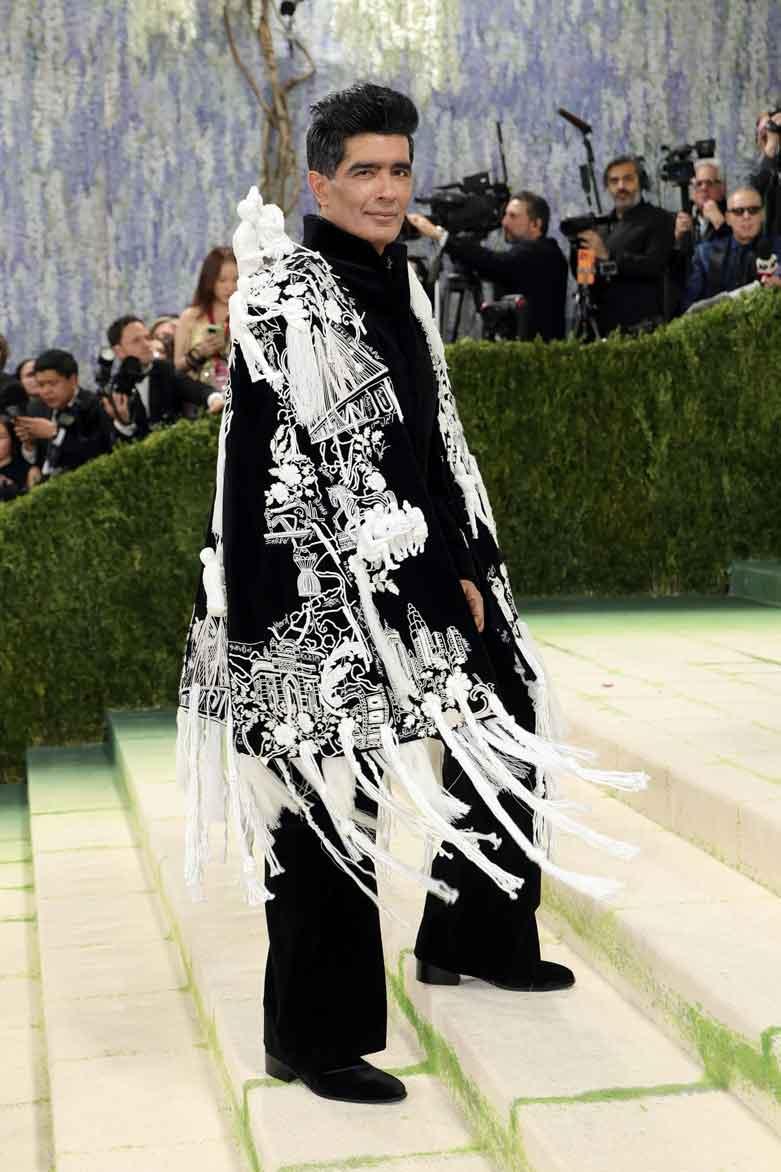
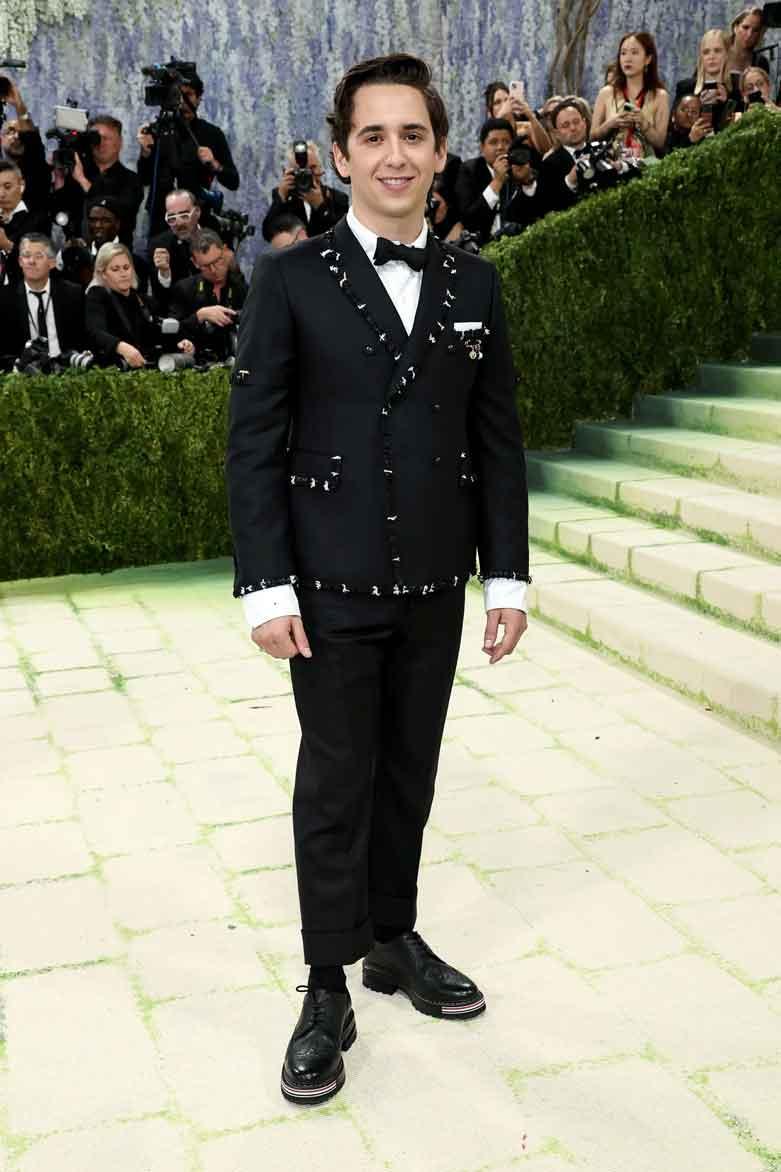
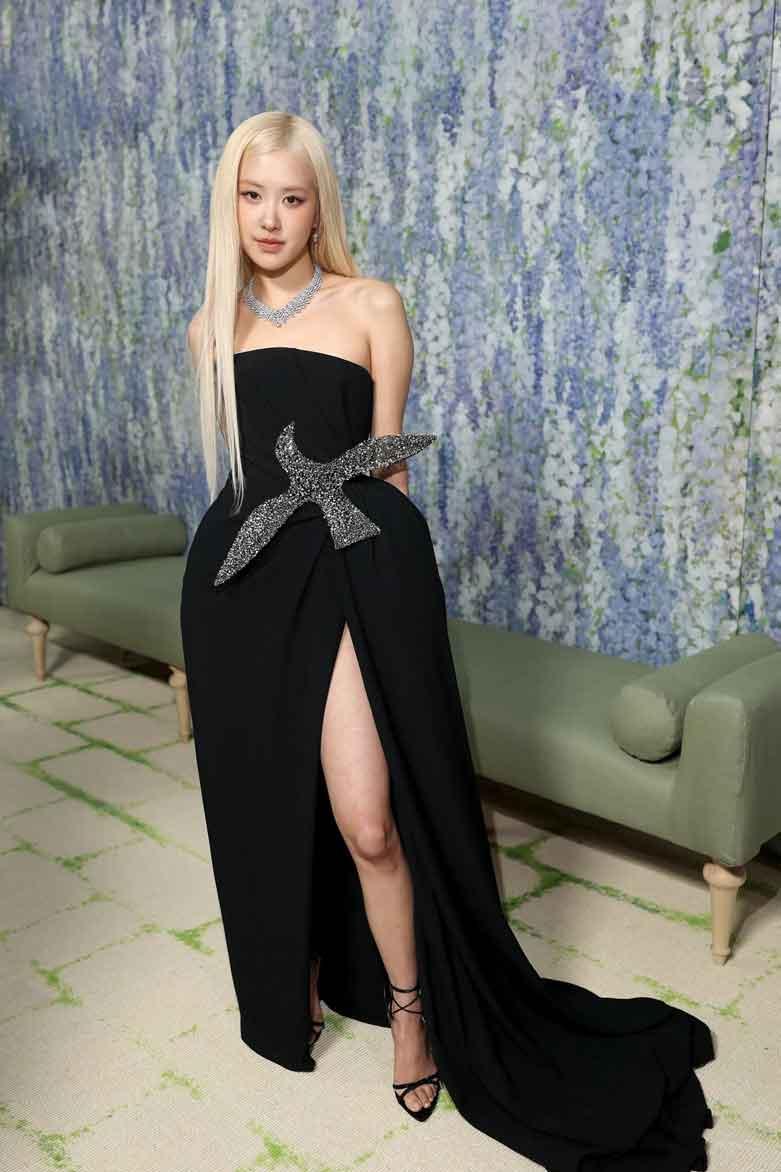
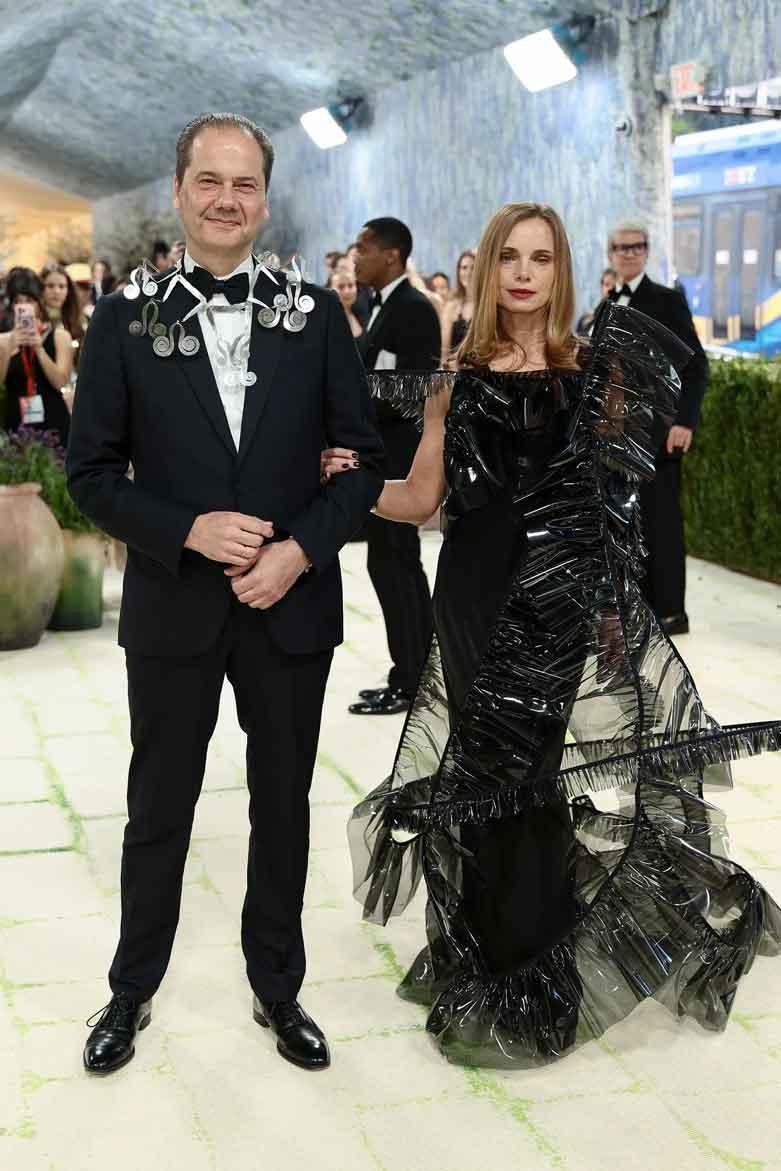
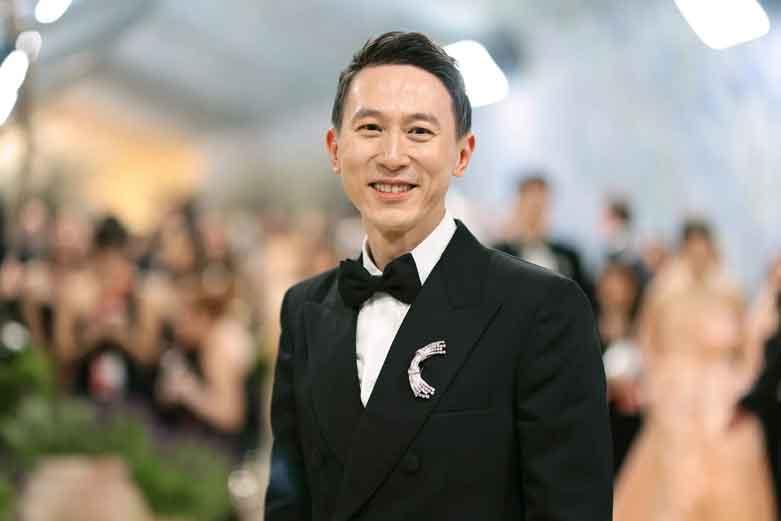
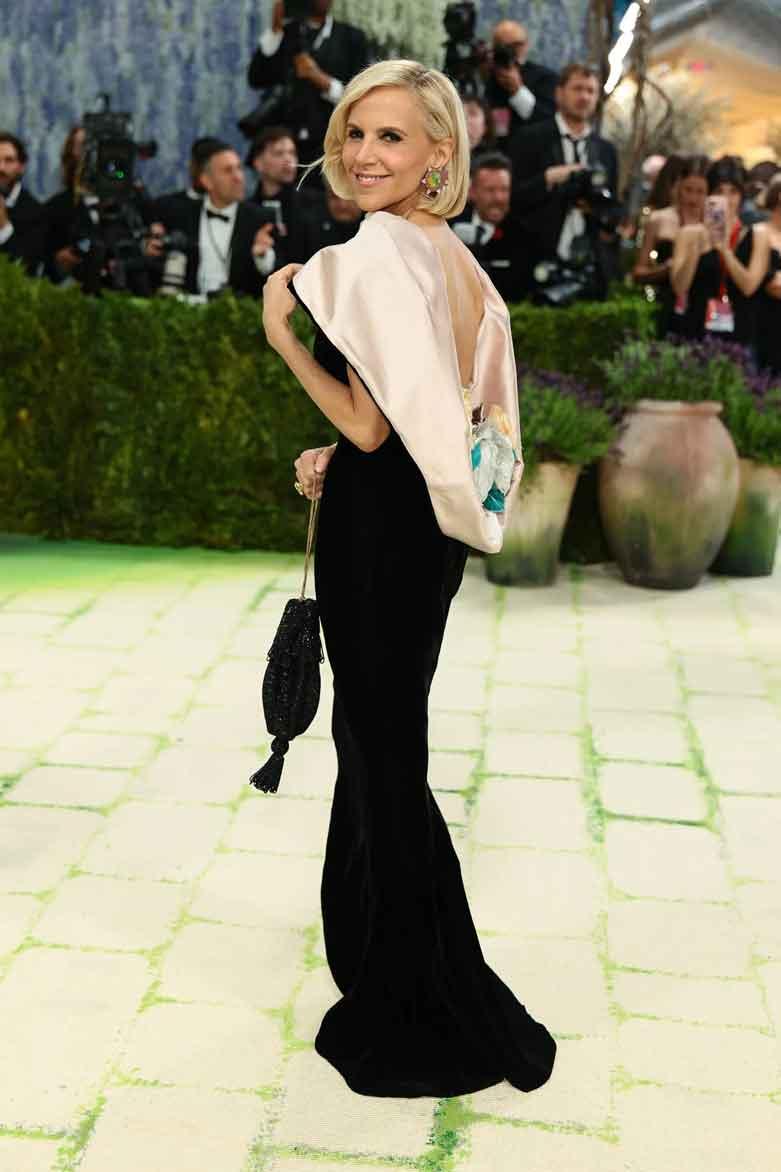
Despite the uproar, the Gala itself retained its signature spectacle. The red carpet showcased elaborate interpretations of the theme, reaffirming fashion’s power to provoke, inspire and entertain. Yet the 2026 edition will likely be remembered less for its gowns than for the debate it ignited. In attempting to assert that fashion is art, the Met Gala instead exposed a more complex question: who gets to shape that art, and at what cost?