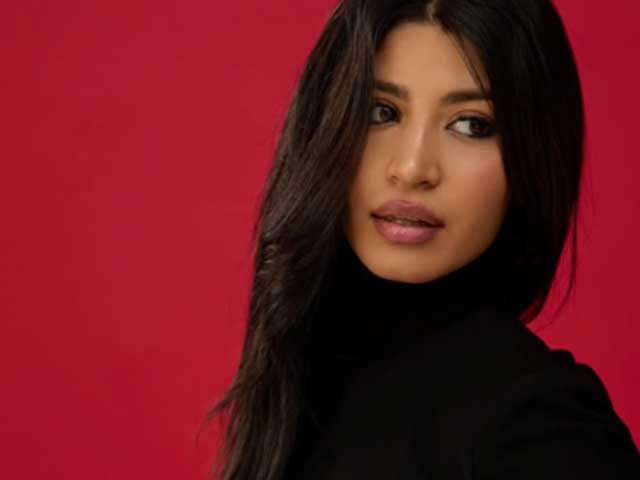
In Conversation with Aarti Pal, Founder of The South Asian Beauty Collective
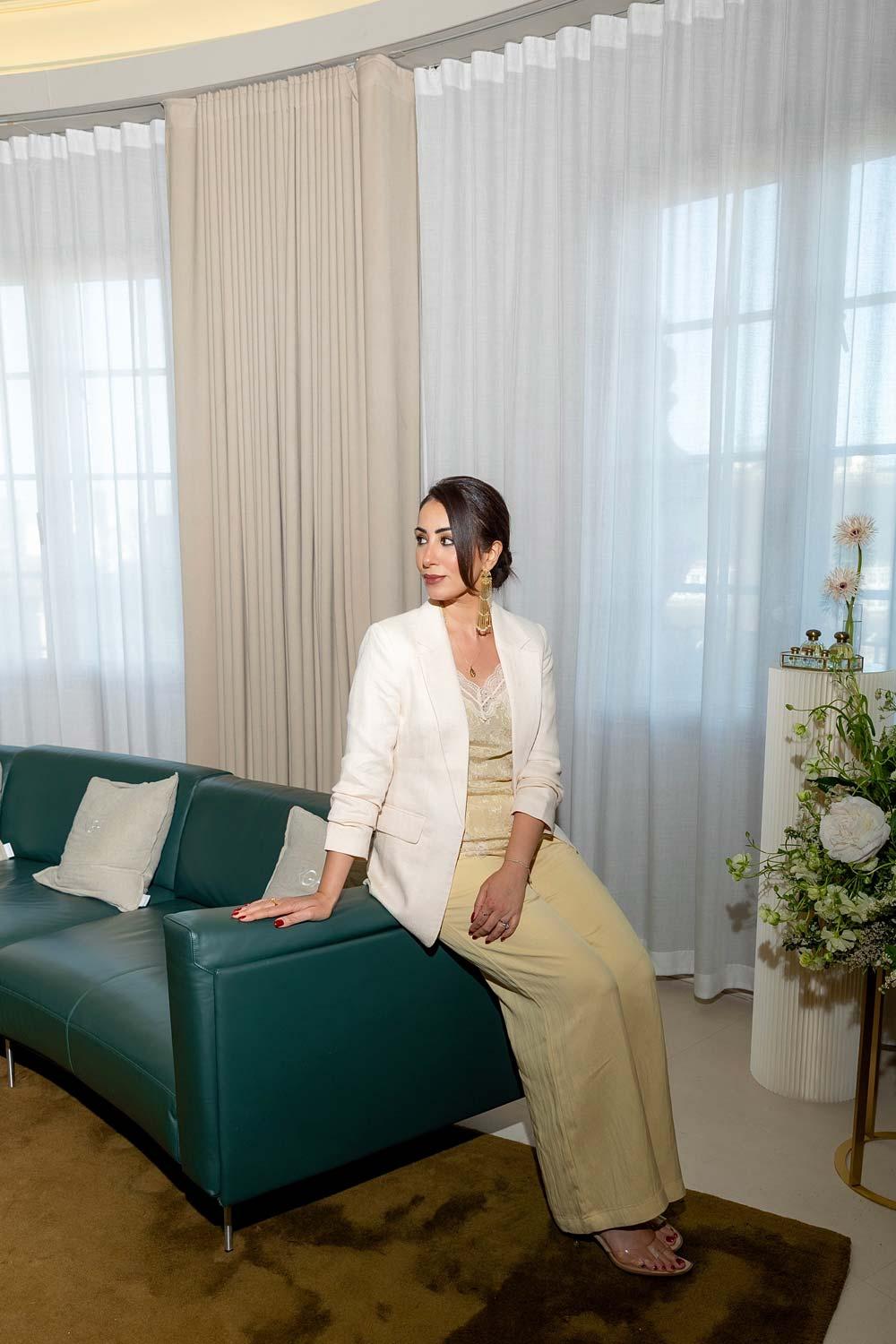
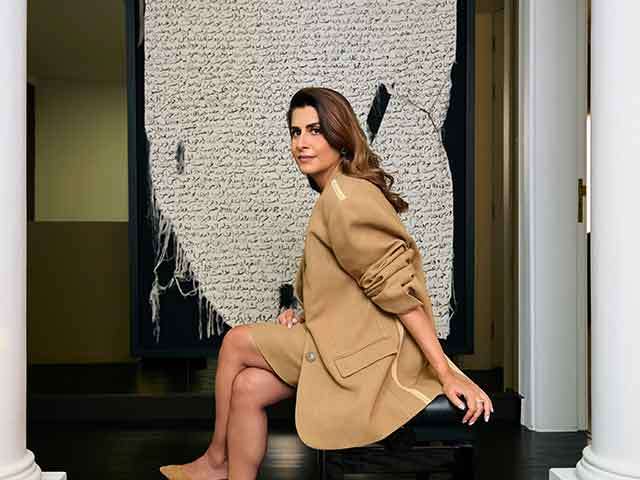
The global beauty industry is often described as progressive, expressive and ever evolving, yet for many communities, its evolution has not always been inclusive. For decades, South Asian consumers have existed within a paradox of visibility without true representation, influence without recognition, and demand without tailored response. It is within this space that Aarti Pal has emerged as a powerful and purposeful voice for change. As the founder of The South Asian Beauty Collective, she has created a platform that not only amplifies South Asian voices but also challenges the structural limitations that have historically shaped the industry’s approach to inclusion.
With a background rooted in corporate marketing at one of the world’s most recognisable brands, combined with hands on experience as a professional makeup artist, Aarti brings a rare blend of strategic expertise and lived experience. Her work is not simply about increasing representation, but about redefining how it is understood, implemented and sustained. In this detailed conversation, she reflects on her journey from the classroom to the boardroom, the deeply personal experiences that informed her vision, the gaps that still persist within the beauty landscape, and her ambitions for building a legacy that ensures future generations feel a true sense of belonging within beauty.
Share with us a summary of your personal journey, from classroom to boardroom?
My journey began with an honours degree in Marketing, where I developed a strong understanding of how brands connect with audiences and the role storytelling plays in shaping perception. That early interest in consumer behaviour became the foundation for my career. Soon after graduating, I joined British Airways Head Office, a brand I had long admired. It offered invaluable exposure to global marketing at scale, with a focus on strategic partnerships and long-term brand building. During my time there, I worked on high-profile campaigns embedded in British culture, including partnerships with BAFTA, Taste of London and the Natural History Museum, alongside entertainment collaborations such as The X Factor and film partnerships like The Holiday. I also contributed to a major media partnership with Capital Radio, delivering destination-led campaigns that connected with audiences in meaningful ways. One standout project was an international broadcast in Mumbai, bringing the British Airways experience to life in a culturally relevant setting. Blending my British identity with my Indian heritage shaped how I approached this work. A defining moment was the Silent Picture House in Mumbai, celebrating 100 years of Indian cinema through an immersive, multi-screen experience. Another career highlight was contributing to British Airways’ strategy for the London 2012 Olympic Games, following insights gained at the Beijing Olympics. That experience reinforced the importance of building cultural movements, not just campaigns.
What inspired you to create the South Asian Beauty Collective?
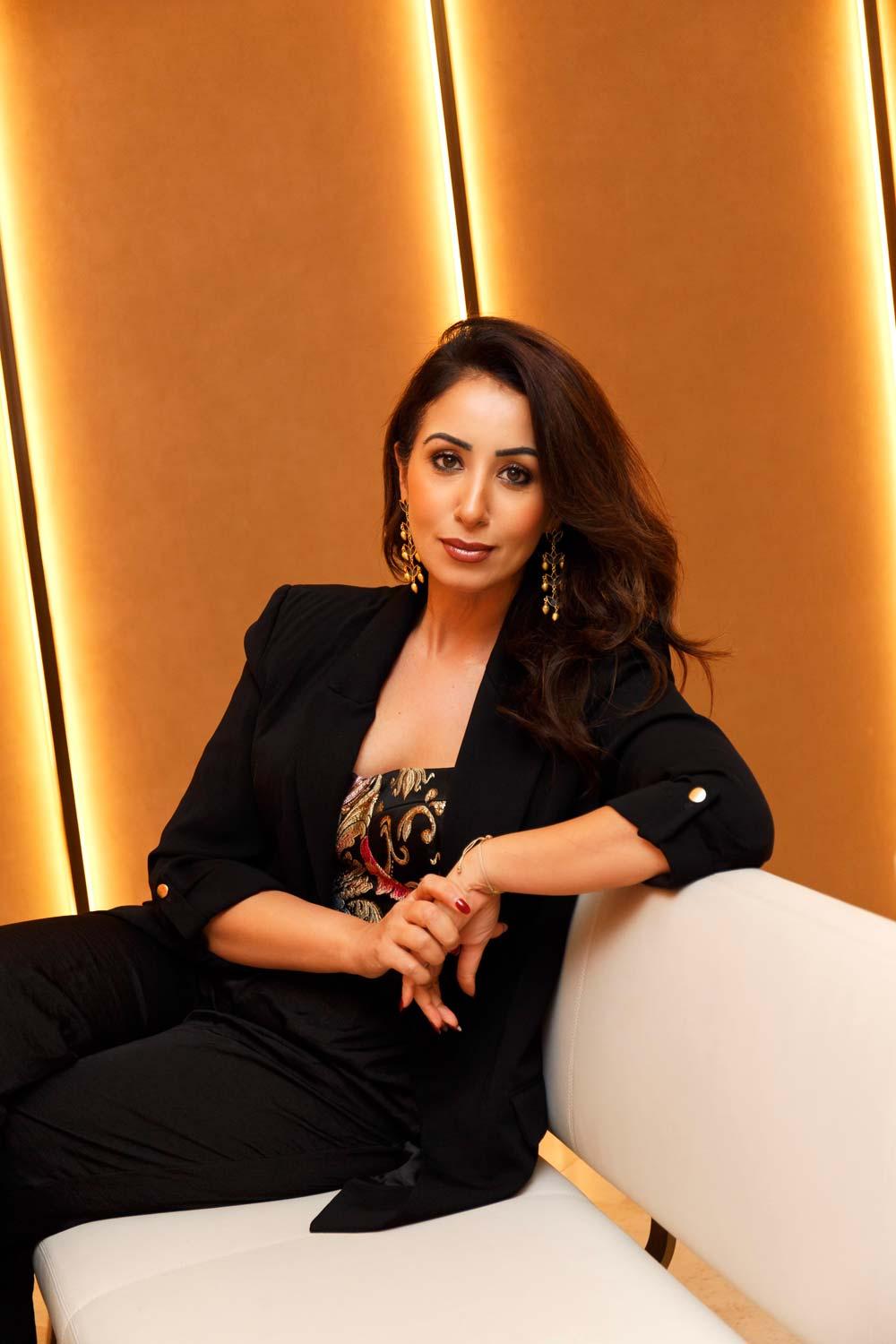
The inspiration came from both personal experience and professional insight. When I moved into professional makeup artistry, I saw clearly how underrepresented South Asians were across retail, campaigns and editorial.
Even when representation existed, it was often tied to problematic messaging, particularly around fairness and skin lightening, suggesting beauty needed to be altered rather than embraced. These narratives were familiar from my upbringing, and I had questioned their impact from a young age. As the daughter of immigrant parents, gratitude shaped my perspective, but I wanted more for the next generation. I wanted my daughters to feel a genuine sense of belonging and to see themselves reflected without conditions. At the same time, working closely with clients revealed the strong purchasing power and engagement of the South Asian consumer. The demand was clear, but the industry response was lacking. The South Asian Beauty Collective was created to bridge that gap, challenge outdated narratives and ensure meaningful representation.
Was there a defining moment when you felt the need for a platform like this?
Yes, there was a clear turning point. For several years, I had been trying to engage with brands, retailers and media through traditional channels. I shared insights, initiated conversations and presented the case for why the South Asian beauty consumer should be taken seriously. However, the response was often limited, and at times, the market was dismissed as niche. Despite that, my own experiences told me something very different. I knew that this audience was engaged, informed and commercially valuable. What became clear was that the issue was not a lack of demand, but a lack of structure and understanding. That realisation led me to approach the situation differently. Drawing on my background in marketing, I created a framework that presented the South Asian consumer in a way that brands could understand. It was about building a strategic and data led narrative that shifted perception. Sometimes, when the industry does not respond, it is because there is a need to build something new. That was the moment I decided to create the South Asian Beauty Collective.
How would you describe the biggest gaps in representation for South Asians in the beauty industry today?
The gaps that exist today are far more nuanced than they were in the past. While there has been an increase in visibility, the depth and authenticity of that representation still require significant improvement. One of the most prominent gaps lies in product development. South Asians are an incredibly diverse group, with a wide range of skin tones, undertones and textures, yet they are often treated as a single category. This results in products that are technically inclusive but not truly functional for the community. Casting is another area where the industry continues to fall short. There are still campaigns where individuals are selected based on an assumed resemblance to South Asian features rather than actual representation. This approach undermines the very concept of inclusion and highlights a lack of understanding at a fundamental level. There is also a clear disconnect between concept and execution. Brands may create campaigns aimed at South Asian audiences, but without involving South Asian voices in the creative and strategic process, the work often lacks authenticity. Consumers are increasingly aware of this, and they are quick to recognise when representation feels surface level. An additional and often overlooked gap is the representation of more mature South Asian women.
Women in their late thirties, forties and beyond hold significant influence and purchasing power, yet they are rarely reflected in campaigns or product narratives. True representation must extend across age, experience and life stage.
Why do you think South Asian consumers have historically been overlooked by global beauty brands?
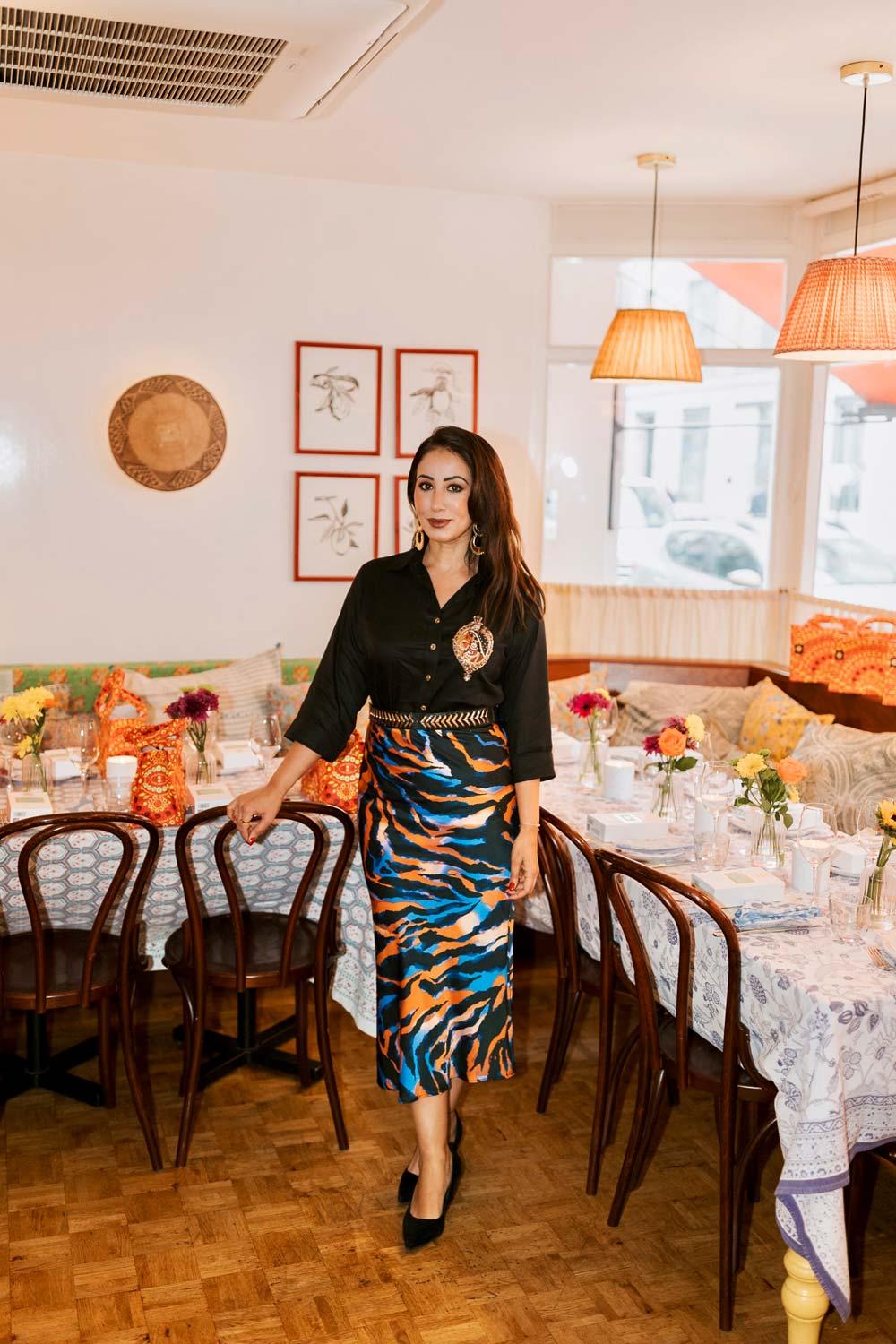
Historically, the oversight has been driven by a combination of outdated assumptions and structural gaps within organisations. South Asian consumers have often been grouped into broad categories, which fails to account for the diversity and scale of the community. In some cases, they have been considered too niche, which is a misconception that overlooks both cultural influence and economic impact.
Another key factor is the lack of South Asian representation within decision making roles. When leadership teams do not reflect the diversity of their audience, there is a higher likelihood of misunderstanding or underestimating that audience. This has been particularly evident across marketing, product development and media.
There has also been a tendency to overlook the purchasing power of the South Asian consumer. Despite clear engagement with beauty, particularly in premium categories, this has not always been recognised or prioritised. The shift we are beginning to see now is driven by a growing awareness that inclusion is not only a cultural responsibility, but also a commercial opportunity.
Have you seen meaningful change in inclusivity, or is it still largely performative?
There has been meaningful progress, and it is important to acknowledge that. There are brands that are making consistent and thoughtful efforts to engage with South Asian audiences in a way that feels genuine. These brands are not only showing up during cultural moments but are embedding inclusion into their long-term strategies.
However, performative inclusion has not disappeared. There are still instances where brands engage only during key cultural events, without any sustained commitment. This kind of approach can feel transactional, and consumers are increasingly aware of it. The key difference today is that audiences are more informed and more vocal. They are able to distinguish between genuine effort and superficial engagement, and they expect more from the brands they support.
What does authentic representation in beauty look like to you?
Authentic representation is about consistency, intention and inclusion at every level. It means that South Asian consumers are not only visible in campaigns, but are also considered in product development, leadership, retail experiences and storytelling. It also requires an understanding of diversity within the community. There is no single South Asian identity, and representation should reflect that complexity. Most importantly, authentic representation is collaborative. It is created with the community, not applied to it. When it is done well, it does not feel forced or performative. It feels natural and integrated.
How can brands move beyond tokenism when engaging South Asian audiences?
Moving beyond tokenism requires a fundamental shift in mindset. Brands need to move from short term campaigns to long term commitment, and from visibility to meaningful involvement. This begins with consistency. Engagement should not be limited to specific cultural moments but should be embedded throughout the year. It also involves bringing South Asian voices into the process at an early stage, particularly in areas such as product development and strategy. The most impactful collaborations are those where community insight is valued and applied. Whether it is advising on shade ranges, undertones or product performance, this level of involvement ensures that products are not only inclusive in theory, but effective in practice. It also extends to creative direction, casting and storytelling. When people from the community are involved in shaping the work, the outcome feels more authentic and considered.
What were the biggest challenges in building the South Asian Beauty Collective from the ground up?
One of the biggest challenges has been building something with impact without significant financial backing. Resources play a crucial role in scaling any initiative and navigating that while maintaining quality and consistency has required careful balance. Another challenge has been encouraging people to move from support to participation. While there is often verbal support for inclusion, real change requires active involvement, and that can take time to build. At the same time, starting from the ground up has allowed for the creation of something that is deeply rooted in purpose and trust. That foundation is what makes the work meaningful.
How did you grow the community and gain trust among creators and audiences?
Building the community was never about speed or visibility, but about creating something people could genuinely trust and connect with. From the outset, I focused on consistency, honesty and clear intention, choosing not to follow trends but to centre the platform around meaningful, real conversations. Listening was essential. Instead of assuming what was needed, I paid close attention to what the community was already expressing, from frustration to aspiration, and created space for those voices to be heard authentically. Trust developed gradually through alignment and consistency, as people recognised that the message remained the same across every space and interaction. That consistency-built credibility and reinforced that the work was rooted in purpose. It was also important to reflect the diversity within the community by amplifying a range of perspectives and experiences. Ultimately, trust is earned over time through action, and that principle has guided the growth of the collective.
What has been the most rewarding moment since launching the platform?
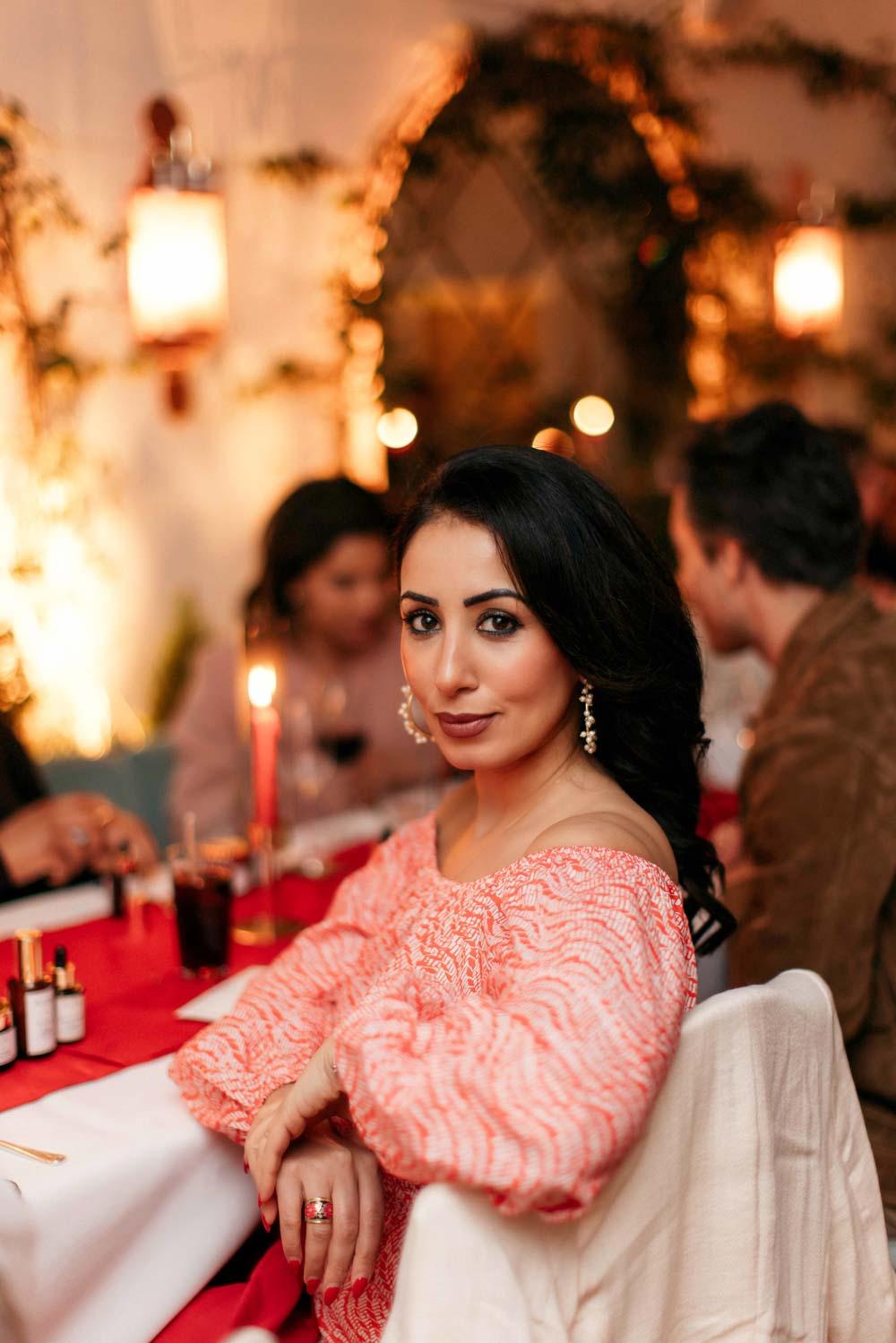
There have been many meaningful moments, but one that stands out was hosting a Diwali celebration with House of Creed. It was a beautifully considered experience that brought together culture, community and luxury in a way that felt both elevated and authentic. What made it particularly significant was not just the event itself, but what it represented. It was a clear example of what can happen when brands genuinely open their doors and engage with the community in a thoughtful and respectful way. It moved beyond symbolism and into something tangible. It also created a shift.
Following that moment, there was a noticeable increase in brands showing interest in engaging more meaningfully. It demonstrated that there is both an appetite and an opportunity for this kind of work. However, while moments like that are rewarding, the focus is always on long term change. The goal is not to create isolated highlights, but to build consistent and lasting inclusion.
How do you decide which voices and stories to amplify?
For me, the decision always comes back to intention, authenticity and impact. Visibility alone is not enough. It is about understanding who is genuinely contributing to the conversation and helping to move it forward in a meaningful way. That can take many forms. It could be founders who are building inclusive brands, artists who are redefining beauty through creativity, industry professionals who are advocating for change behind the scenes, or individuals who are sharing honest, lived experiences. What matters is that the contribution feels real and purposeful. Alignment with the values of the collective is also essential. The platform exists to challenge outdated narratives and create space for more inclusive and empowering perspectives, so it is important that the voices amplified reflect that ethos. Diversity within the community is another key consideration. The South Asian experience is not singular, so the stories shared need to reflect different cultures, religions, ages, skin tones and viewpoints. That diversity is what makes the platform richer and more representative. Ultimately, it is about creating a balance between visibility and substance, ensuring that what is amplified adds value rather than simply adding noise.
How does South Asian culture uniquely shape beauty standards and practices?
South Asian culture has a deeply rooted relationship with beauty that goes far beyond appearance, connecting to ritual, tradition and wellbeing. Practices are often passed down through generations, from hair oiling and skincare to the use of natural ingredients, reflecting a holistic approach centred on care and nourishment. Beauty also plays a significant role in celebrations such as weddings and festivals, where it becomes a form of identity and expression. At the same time, longstanding issues such as colourism and rigid ideals are being challenged. This balance between tradition and change makes South Asian beauty both complex and evolving, with much still to be understood globally.
Do you think global beauty trends are finally beginning to embrace South Asian influence?
We are starting to see more visibility of South Asian influence within global beauty, but it is important to recognise that this has been a long time coming. Many of the practices and ingredients that are now being highlighted have existed within South Asian culture for generations. Ingredients such as turmeric, saffron and sandalwood are becoming more widely recognised, as are Ayurvedic inspired approaches to skincare and wellness. Hair oiling, in particular, has seen a significant resurgence, despite being a long-standing tradition. There are also aesthetic influences, from bold eye makeup to radiant skin focused looks, that have been part of South Asian beauty for years and are now being reflected in global trends. However, it is important to approach this with perspective.
These are not new trends; they are cultural practices. The focus should not be on discovery, but on recognition and respect. While it is encouraging to see this influence being acknowledged, the real opportunity lies in moving beyond trend adoption towards deeper cultural understanding and collaboration. That is where meaningful progress happens.
How do you balance celebrating culture without allowing it to be commodified?
Balancing celebration and commodification comes down to intention, involvement and respect. Culture should never be reduced to an aesthetic or used purely for commercial gain. It represents lived experiences, traditions and identities that deserve to be treated with care. For me, the key is ensuring that the community is actively involved in the process. Storytelling should be rooted in truth, and the people who represent that culture should have a voice in how it is presented. This creates a level of authenticity that cannot be replicated from the outside. Consistency is also important. When brands only engage with culture during specific moments, it can feel transactional. But when there is an ongoing relationship, it becomes clear that the engagement is genuine. It is also about education. Taking the time to understand the meaning behind traditions and practices ensures that they are represented in a way that is respectful rather than superficial. Ultimately, culture is not a campaign. It is something that is lived every day, and it should be approached with that level of awareness.
What personal risks did you take in starting this venture?
Starting the South Asian Beauty Collective involved both professional and personal risk. One of the biggest challenges was the scale of what I was trying to build. This is not just a platform, it is a movement that aims to shift industry thinking, and that comes with a level of uncertainty. There was also the risk of being misunderstood. The term South Asian can sometimes lead to assumptions that the work is limited to a specific audience or only relevant to certain brands. In reality, the collective exists to work with the entire beauty industry, helping it better understand and engage with South Asian consumers. On a personal level, there is also a level of visibility that comes with leading something like this. Your voice, your perspective and your consistency are all under scrutiny. That can be challenging, but it is also part of the responsibility. Ultimately, the belief in the purpose outweighed the risks. When you are clear on why you are building something, it becomes easier to navigate uncertainty.
How has building this platform changed you as a person?
It has made me far more intentional in how I approach both my work and my relationships. In the early stages, there is often a tendency to say yes to every opportunity in order to build momentum. Over time, I have learned the importance of alignment and working with people and brands that genuinely share the vision. It has also taught me patience. Not everything happens at the pace you expect, and timing plays a significant role in meaningful change. There are moments when things do not move forward and learning to trust that process has been important. On a personal level, it has strengthened my confidence in my voice. When you are building something that challenges existing norms, there will be moments of resistance or misunderstanding. Being able to stand firmly in what you believe becomes essential. Overall, it has been a journey of growth, both professionally and personally.
What does success look like for you and for the collective in the next five years?
Success, for me, is about creating lasting and systemic change. It is about reaching a point where South Asian consumers are consistently and naturally included across all aspects of the beauty industry, from product development and marketing to leadership and strategy. A key milestone in that journey is the launch of the South Asian Beauty Collective Awards in 2026. This will be a significant moment, recognising and celebrating brands and individuals who are genuinely contributing to inclusive progress. It is about setting a benchmark for what meaningful representation looks like. Beyond that, success is about scale and impact. It is about growing the collective into a platform that continues to create opportunities, spark conversations and drive change across the industry. There are also future developments that will reflect the next phase of this work, but ultimately, success is about legacy. It is about ensuring that the next generation does not have to question whether they belong in beauty, because it will already be evident.
What advice would you give young South Asian women looking to disrupt industries that do not fully see them yet?
The first thing I would say is do not wait for permission. If you can see a gap, there is a reason for that, and often it is because the industry has not been built with you in mind. That perspective is valuable. At the same time, build credibility. Understand your craft, your industry and your audience. Passion will open doors, but knowledge will keep them open. Do not be afraid to take up space. You do not need to dilute who you are to fit into existing structures. In many cases, your role is to reshape them. Finally, find your community. Building something meaningful can feel isolating, but when you connect with people who share your vision, it becomes far more powerful. Change does not happen overnight, but it always begins with someone deciding to start.