ARE WE DESIGNING FOR THE BIN?

The Shift from Use to Disposal: We don’t design for use anymore. We design for disposal. Somewhere along the way, the purpose of design quietly shifted. It no longer begins with longevity, care, or even function. It begins with speed and ends with waste. In between, we call it innovation. Fast. Cheap. Disposable. These three words have come to define not only fashion, but the entire ecosystem that supports it, from the garment itself to the packaging it arrives in. We have built a system that celebrates the moment of consumption, while ignoring everything that comes after.
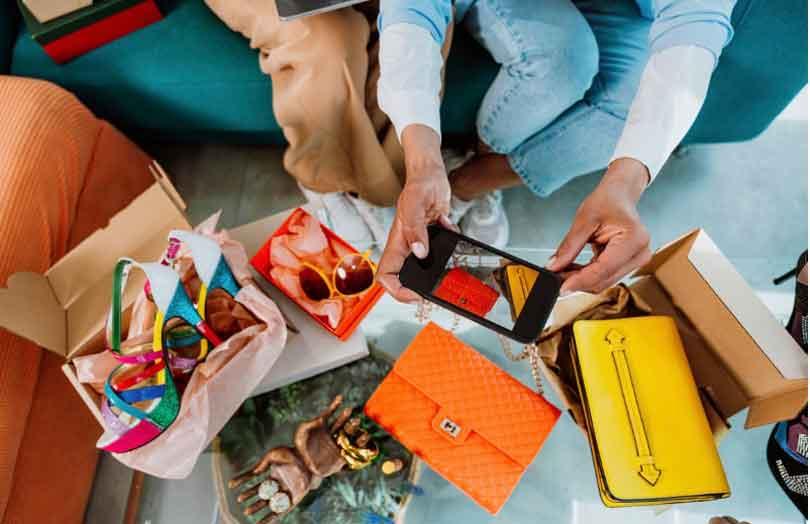
The Hidden Weight of Packaging: And what comes after is overwhelming. Packaging alone now accounts for roughly 40% of global plastic waste, around 155.9 million tonnes every single year. More than construction materials. More than vehicles. More than electronics. Entire industries that build infrastructure and mobility generate less waste than the wrappers we tear open without thinking. All of this, for something used once and thrown away. A dress might be worn twice. A box is opened once. A plastic sleeve is used for minutes. A tag is cut and discarded instantly. Layers upon layers of material, designed not for necessity, but for presentation, protection, branding, and sometimes, pure excess.
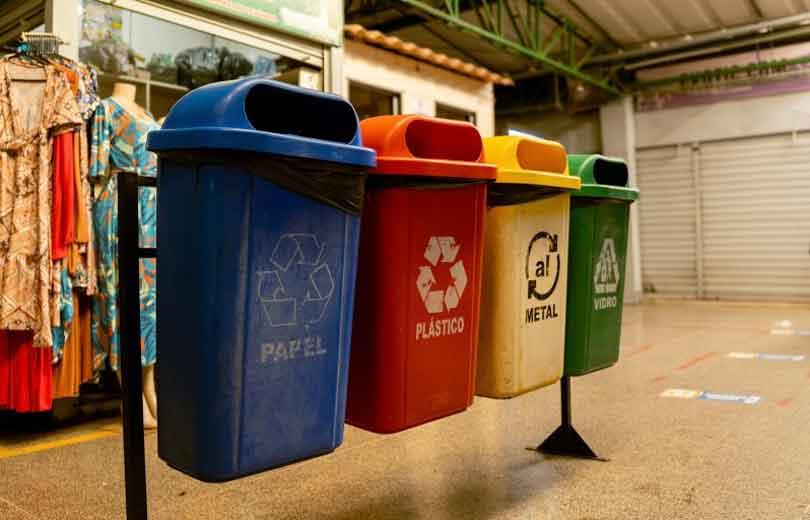
Designing for the Bin: We have normalized designing for the bin. And perhaps the most unsettling part is how invisible this has become. We no longer see packaging as part of the product. It is treated as an afterthought, something external, something separate. But in reality, packaging is design. It is material. It is cost. It is impact. It is the first thing we touch, and the first thing we discard.
The Problem is the Mindset: Because the truth is, the problem is not just waste. It is mindset. We have designed a system where disposability is not a by-product, but a feature. Where cost efficiency is prioritized over environmental cost. Where convenience outweighs consequence. Where the end of life of a product is someone else’s problem. We talk endlessly about recycling, circularity, and end-of-life solutions. But real change does not begin at the end. It begins at the beginning.
Start Where the Waste Begins: You want real change? Start where the waste begins, not where it ends. Rethink the wrapper. Rethink the design. Rethink the system. What if we approached packaging the same way we approach product design? What if it was not something to discard, but something to keep, reuse, repurpose, or even admire?
Lessons from the Past: Historically, this is not a new idea. In many cultures, packaging was never waste. It was part of the object’s life. Cloth wraps, woven baskets, wooden boxes, these were not discarded after a single use. They became part of the home, part of daily rituals, part of memory. In Sri Lanka, the pettagama, a beautifully crafted storage chest, was not just functional, but deeply personal. Objects were stored with care, preserved, passed down. Packaging, in a sense, had permanence. Somewhere in the rush of industrialization and globalization, we lost that relationship.
Designing Packaging as Part of the Product: Today, packaging is engineered for efficiency, not longevity. It is optimized for logistics, not for life. It protects the product during transport but offers no value beyond that. Once it has served its purpose, it becomes waste, immediately and unquestioningly. But what if we designed differently? What if packaging became part of the product experience, not just a layer around it? What if it was modular, reusable, compostable, or even desirable? What if it carried the same story, craftsmanship, and intention as the product itself?
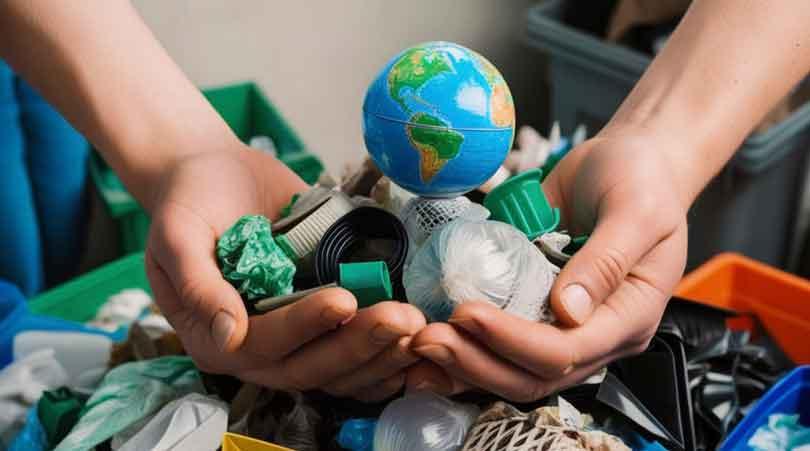
The Power of a 10% Shift: This is not just an environmental question. It is a design opportunity, and a business opportunity. Imagine the impact of reducing packaging waste by just 10%. Ten percent sounds small, almost insignificant. But at a global scale, it is transformative. A 10% reduction in 155.9 million tonnes is over 15 million tonnes of plastic waste avoided every year. That is not a marginal improvement. That is systemic change.
From Cost to Competitive Advantage: We often frame sustainability as a cost, a compromise, something that reduces margins or complicates operations. But what if we flipped that narrative? What if reducing waste became a driver of value creation? Brands that rethink packaging are not just reducing impact; they are differentiating themselves. They are telling a story. They are building trust. They are aligning with a growing generation of consumers who are not just buying products, but values.
The Conscious Consumer is Watching: The future customer is not passive. They are informed, conscious, and increasingly critical. They notice the excess. They question the waste. They are beginning to ask not just what is this product, but what does it leave behind? And brands that cannot answer that question will find themselves out of step.
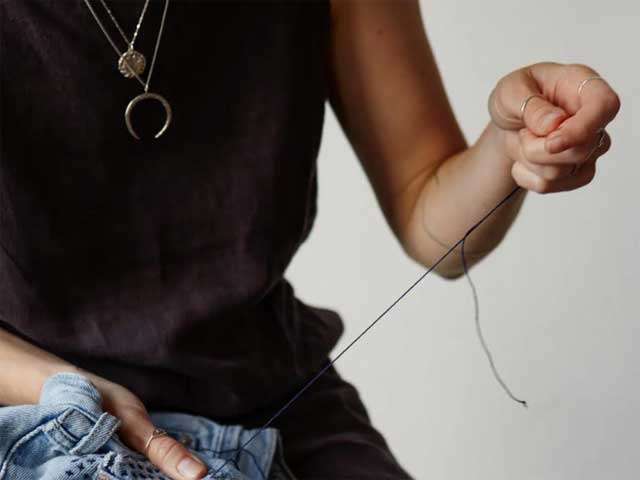
Reimagining Packaging Through Craft: In my own work, I’ve started to see packaging not as a constraint, but as a canvas. A place where craft can extend beyond the product itself. Where a textile bag replaces a plastic sleeve. Where a handwoven wrap becomes part of the object’s story. Where packaging is not discarded but used again and again. It requires rethinking logistics, costs, and processes. It requires collaboration across supply chains. But it is possible, and necessary.
We Can’t Recycle Our Way Out: Because the reality is, we cannot recycle our way out of this problem. We cannot innovate endlessly at the end of the pipeline while ignoring the beginning. We cannot continue to produce materials at this scale and expect waste systems to keep up. We need to design less waste into the system. We need to design with the end in mind.
A System Ready for Change: This is where policy, technology, and design intersect. With upcoming regulations like the EU’s Digital Product Passport, the pressure for transparency and accountability is increasing. Materials will be tracked. Lifecycles will be documented. Waste will no longer be invisible. Packaging will be measured, evaluated, and questioned. The brands that prepare now, who rethink their systems before they are forced to, will not just comply. They will lead.

Rebuilding Our Relationship with Things: Beyond policy and business, there is something more fundamental at stake, our relationship with things. We have become disconnected from the lifecycle of what we consume. We see the beginning, the purchase, the unboxing, the moment of ownership. But we do not see the middle, the use, the care, the maintenance. And we certainly do not see the end, the waste, the accumulation, the environmental cost.
Design Can Reconnect Us: Design has the power to reconnect us. To slow us down. To make us consider. To make us care. What if opening a product did not result in a pile of waste, but in something you wanted to keep? What if packaging invited reuse, integration, and extended purpose? What if we designed for that moment differently?
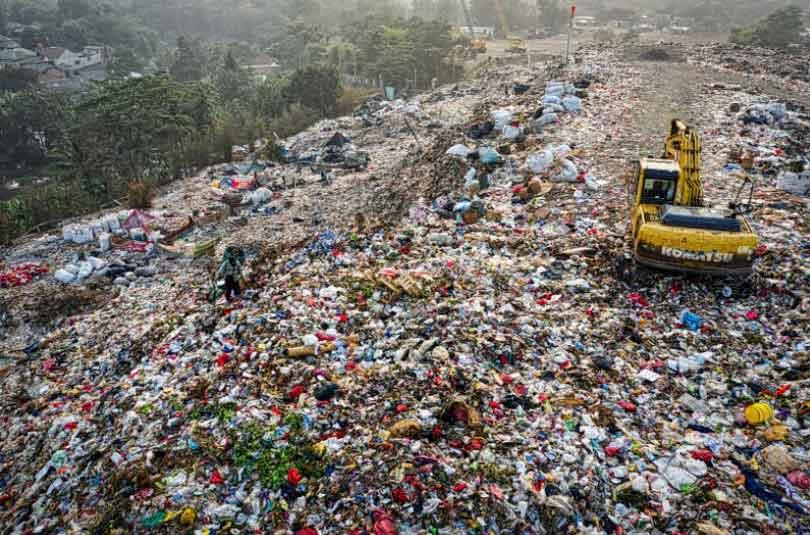
Stop Designing for the Bin: Because in that moment, the unboxing, the first interaction, we are not just engaging with a product. We are engaging with a system. And right now, that system leads to the bin. But it doesn’t have to. We can choose to design for longevity. We can choose to design for reuse. We can choose to design systems that respect both materials and people. The question is not whether change is possible. The question is whether we are willing to rethink everything we have normalized.