Climate Crisis: The Choices We Wear
 The climate crisis is no longer a distant headline tucked between political debates and economic forecasts. It is here, in the heat that lingers longer than it should, in the rains that arrive unannounced or not at all, in the quiet but steady erosion of ecosystems we once believed were permanent. And yet, despite its magnitude, the crisis is also deeply personal. It lives in the small, daily decisions we make, what we eat, how we travel, and perhaps more quietly, what we choose to wear.
Fashion, often dismissed as superficial, is in fact one of the most intimate expressions of human identity. It is how we present ourselves to the world, how we communicate without speaking. But behind every garment is a story, one that begins long before it reaches our wardrobes and continues long after we are done with it. The climate crisis asks us to look closely at these stories, to question them, and ultimately, to take responsibility for them.
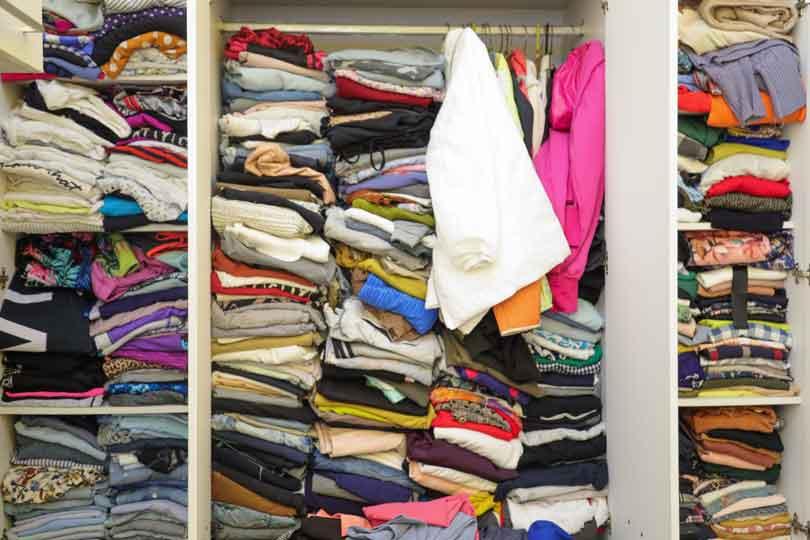
We live in an era of unprecedented consumption. Clothing is cheaper, trends move faster, and the pressure to constantly renew our appearance is relentless. Social media accelerates this cycle, turning outfits into content and content into currency. What was once seasonal has become weekly, even daily. In this system, garments are no longer cherished; they are consumed, discarded, and replaced.
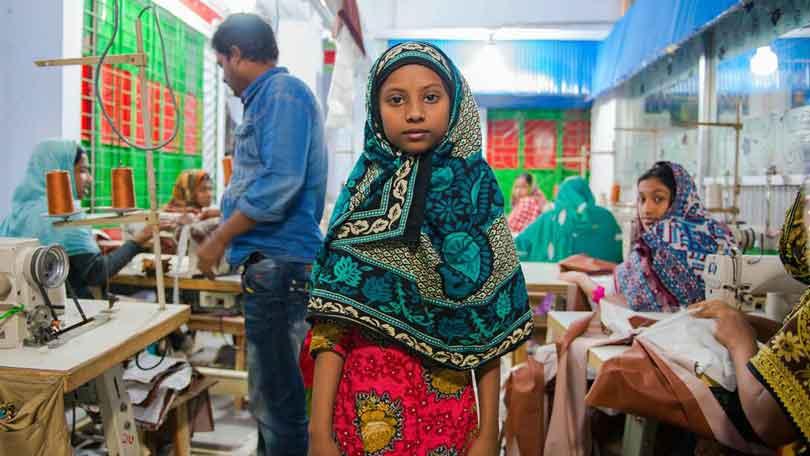
But every piece of clothing carries a cost that is not reflected on its price tag. Water is consumed in vast quantities to grow cotton and dye fabrics. Chemicals are released into rivers, often in countries far removed from where the garments are sold. Carbon emissions accumulate through production, transportation, and disposal. And at the heart of it all are human hands, often underpaid, overworked, and invisible.
So where does that leave us, as individuals navigating this complex system? Perhaps it begins with a pause. Before making a purchase, we might ask ourselves a few simple but powerful questions:
- Do I really need it?
- How badly do I want it?
- Who made it?
- Where will it go when I’m done with it?
- Did anyone suffer so I could have it?
These questions are not meant to induce guilt, but awareness. Because awareness is the first step toward change.
“Do I really need it?” is a question that challenges the culture of excess. It invites us to distinguish between desire and necessity, between impulse and intention. In a world that constantly tells us we are not enough without the next new thing, choosing to have less can be a radical act.
“How badly do I want it?” goes a step further. It asks us to measure the depth of our desire. Is this something we will wear and cherish, or is it a fleeting attraction, soon to be forgotten? When we slow down our decision-making, we often find that many of our wants dissolve on their own.
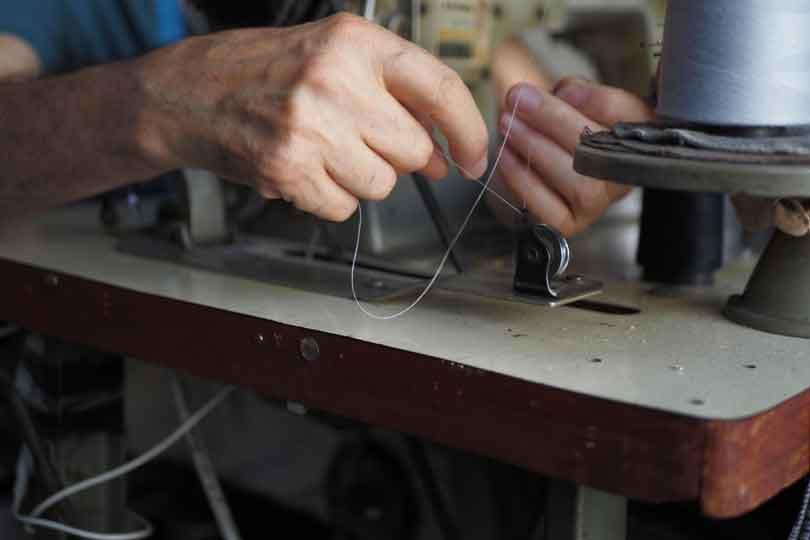
“Who made it?” shifts our focus from product to people. It reminds us that behind every garment is a human story, a weaver, a dyer, a seamstress. When we know who made our clothes, we begin to value them differently. We begin to see them not as disposable items, but as the result of skill, time, and care.
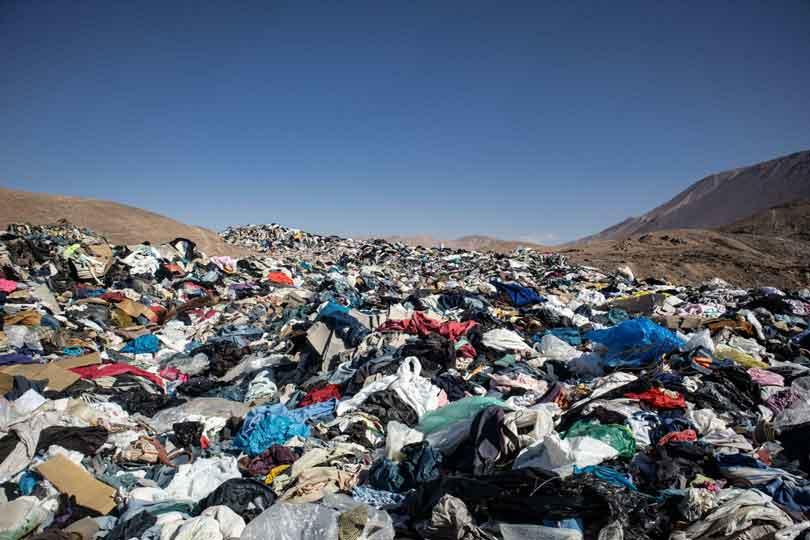
“Where will it go when I’m done with it?” confronts us with the reality of waste. The majority of discarded clothing does not get recycled. Instead, it ends up in landfills or is shipped to developing countries, where it overwhelms local waste systems. By considering the end of a garment’s life at the moment of purchase, we can make more responsible choices, opting for quality over quantity, durability over disposability.
And perhaps the most difficult question of all: “Did anyone suffer so I could have it?” This question forces us to acknowledge the human cost of our consumption. It asks us to look beyond the aesthetics and consider the ethics. It challenges us to align our values with our actions.
Aligning spending with values is not about perfection. It is about intention. It is about making choices that reflect what we truly care about, whether that is environmental sustainability, fair labor practices, or supporting local artisans.
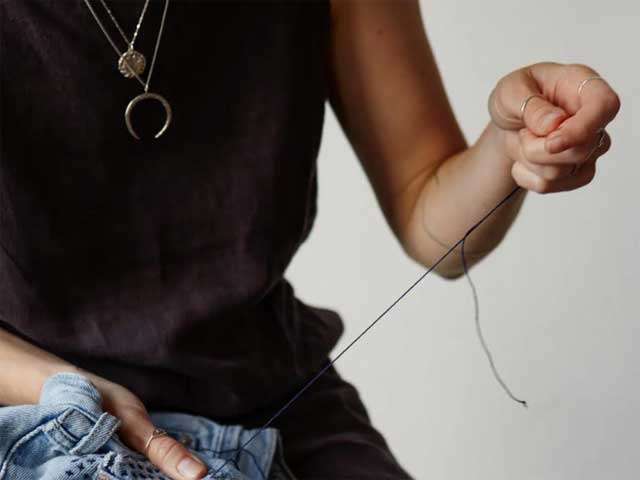
In Sri Lanka, we are uniquely positioned to be part of the solution. Our island is rich in craft traditions, handloom weaving, batik, lacemaking, practices that are inherently slower, more sustainable, and deeply rooted in community. These crafts tell stories of resilience, heritage, and identity. By choosing to support them, we are not only preserving culture but also promoting a more sustainable way of producing and consuming fashion. But being part of the solution does not require a complete overhaul of our lives. It begins with small, consistent actions. Buying less but better. Caring for the clothes we already own. Repairing instead of discarding. Swapping, renting, or reimagining garments. Supporting brands that are transparent and ethical. And most importantly, redefining what value means to us.
Value is no longer just about price or trend. It is about longevity, impact, and meaning. A garment that lasts for years, that carries a story, that was made with respect for both people and the planet, this is true luxury.
The climate crisis can feel overwhelming, its scale too vast for individual action to matter. But history has shown us that collective change often begins with individual choices. When enough people start asking the right questions, industries are forced to respond. As consumers, we hold more power than we realize. Every purchase is a vote for the kind of world we want to live in. Every decision sends a signal, to brands, to policymakers, to communities. The question is, what kind of signals are we sending? Are we reinforcing a system of endless consumption and hidden costs? Or are we supporting a future that values sustainability, transparency, and human dignity?
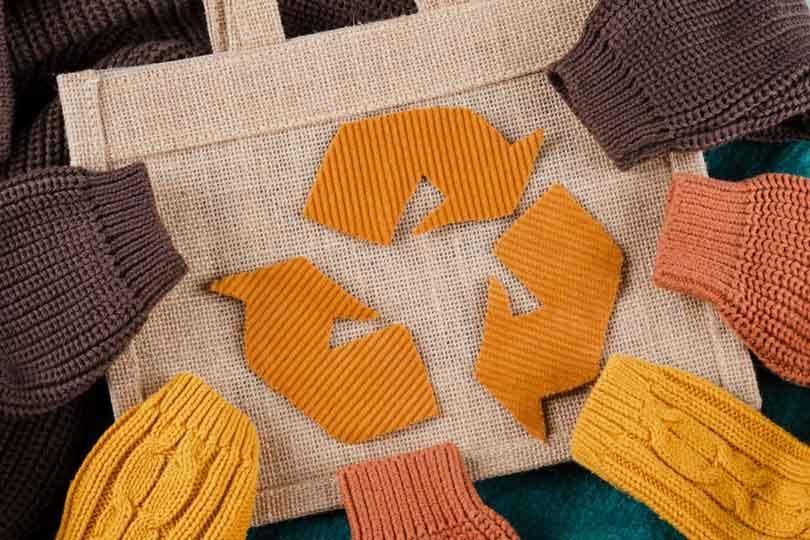
There is no single solution to the climate crisis. It will require systemic change, innovation, and global cooperation. But within that larger framework, our individual actions still matter. They shape demand, influence culture, and create momentum. In the end, the clothes we wear are not just about how we look. They are about what we stand for. So, the next time you find yourself drawn to something new, take a moment. Ask the questions. Sit with them. Let them guide you. Because the future of fashion, and perhaps the future of our planet, may depend on the answers.