The Hidden Health Risks Lurking in Your Workout Gear


From toxic “forever chemicals” to microplastics and bacteria-trapping fabrics, the clothes we wear to exercise may be harming us more than helping. Today in Beyond The Seams, I’m exploring why simplicity and natural fibers could be the safest choice.
 For many of us, workout gear represents motivation, discipline, and a commitment to health. We lace up our trainers, pull on our leggings, and head to the gym believing we are doing something good for our bodies. But what if the very clothes we wear to exercise carry hidden health risks, risks that most of us have never even considered?
Interestingly, ancient traditions approached movement very differently. In classical Vedic philosophy, physical practices such as yoga were traditionally performed in simple, unprocessed natural fibers, most often plain white cotton. These fabrics were chosen for a reason: they allowed the skin to breathe, absorbed sweat without trapping heat, and avoided chemicals or dyes that could disrupt the body. The focus was on comfort, freedom of movement, and harmony with the body. As a yoga and meditation teacher, this perspective resonates deeply with me. The emphasis was not on performance fabrics or high-tech apparel, but on simplicity, balance, and respect for the body’s natural rhythms. Movement was valued for its benefits to mind, body, and spirit, not for the label on one’s leggings.
Today, however, modern consumer culture sends a very different message. We are subtly led to believe that expensive branded gear and the latest high-performance fabrics are essential to exercise properly, that a workout somehow requires specialized leggings or designer activewear. Marketing campaigns suggest that our ability to move, sweat, and stretch is somehow limited without the right “gear.” Yet the ancient traditions remind us that movement itself is what matters. Sometimes, the most effective approach is also the simplest: breathable natural fabric, freedom of movement, and a body willing to show up.
The plastic wardrobe we didn’t notice
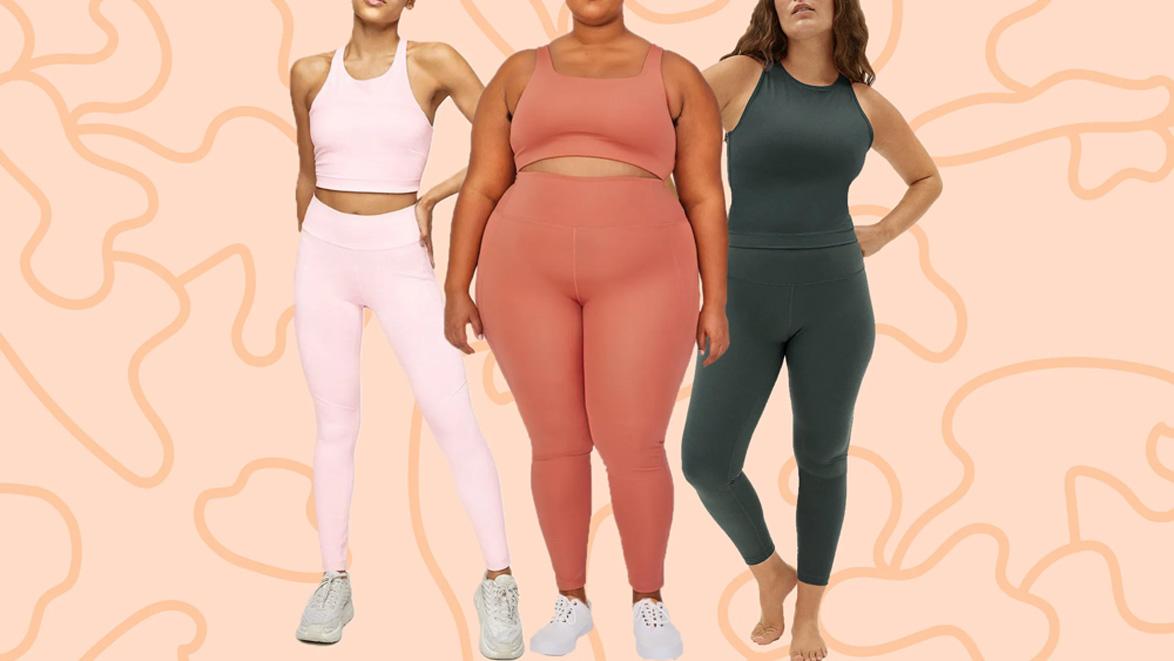
A glance at the labels on most workout clothes reveals familiar synthetic fibers: polyester, nylon, elastane, or spandex. These materials dominate the market because they are stretchy, lightweight, durable, and moisture-wicking. They are engineered to move with the body, stay dry, and maintain shape, which sounds ideal for anyone exercising. But chemically speaking, these fabrics are essentially plastics, made from petrochemicals. Additives that make them flexible, waterproof, or odour-resistant can include potentially harmful compounds such as phthalates, bisphenols, and flame retardants. Sweat can act like a solvent, helping some of these chemicals leach into the skin during exercise.
Because workout gear is typically tight-fitting and worn during intense sweating, the conditions are ideal for prolonged exposure. Heat, friction, and moisture combine to create a scenario where the skin can absorb small amounts of these chemicals. Scientists are now investigating links between such exposure and hormonal disruption, neurological effects, and other long-term health concerns. While no single garment may be immediately harmful, the cumulative effect of repeated exposure over months and years is becoming a growing area of concern.
The “forever chemicals” problem
Among the most concerning compounds found in activewear are PFAS, per- and polyfluoroalkyl substances. These chemicals repel water, oil, and stains, making fabrics appear cleaner and sweat-resistant. Their benefits are obvious for workout clothing, but PFAS are sometimes called “forever chemicals” because they persist in the environment and in the human body for decades. Tests of popular leggings and yoga pants have revealed measurable PFAS levels, and long-term exposure has been associated with elevated cholesterol, immune system disruption, and increased risk of certain cancers. While clothing is only one exposure source, repeated skin contact during sweaty workouts can contribute to overall chemical load in the body.
Heavy metals hiding in fibers
Polyester manufacturing often involves catalysts like antimony trioxide, a trace heavy metal. While the amounts left in clothing are small, repeated exposure through sweat and direct skin contact adds to cumulative chemical exposure from other products and the environment. When synthetic fabrics are tight-fitting and worn during intense activity, the skin’s protective barrier can be compromised, allowing these trace chemicals to penetrate more readily.
Bacteria, fungi, and microplastics
Beyond chemicals, synthetic fibers create a warm, moist environment ideal for microbial growth. Tight sports bras, compression leggings, and moisture-wicking tops can trap sweat and heat, giving bacteria and fungi a perfect breeding ground. This increases the risk of skin irritation, rashes, acne, and fungal infections. Dermatologists often see cases of folliculitis or contact dermatitis in clients who remain in sweaty synthetic clothing for extended periods after exercise. Synthetic fibers also shed microscopic plastic particles, or microplastics, during wear and washing. These tiny fibers can be inhaled or absorbed through the skin, and research suggests they may trigger inflammation and oxidative stress in the body. Every wash sends countless microplastics into waterways, contributing to environmental pollution and entering the food chain, making this a dual concern, for both human health and the planet.
Immediate skin irritations
Some finishing chemicals used to make fabrics wrinkle-free, waterproof, or odour-resistant can irritate sensitive skin. Formaldehyde, for example, has been used in textile processing and is known to cause allergic reactions and dermatitis in some individuals. Even short-term discomfort, like itching or redness, can signal exposure to these substances. Tight garments exacerbate these issues, particularly when worn continuously during high-sweat workouts.
Balancing performance and safety
It’s important to note that synthetic sportswear has clear performance benefits: stretch, moisture management, durability, and shape retention. For athletes or avid gym-goers, these features make workouts more comfortable and sustainable. The challenge is balancing these advantages with health considerations and mindful use. Some brands are now offering alternatives: plant-based fibers, biodegradable synthetics, and fabrics treated with safer chemistry. Such innovations allow consumers to enjoy the benefits of modern activewear while reducing chemical exposure and environmental impact. Transparency in manufacturing and sourcing has become an important factor for anyone seeking safer workout apparel.
Practical steps for safer workouts
You don’t need to discard all synthetic activewear to protect your health, but a few practical measures can make a big difference:
- Choose natural fibers: Cotton, hemp, bamboo, or merino wool are breathable, absorbent, and less likely to contain harmful additives.
- Change promptly: Avoid sitting in sweaty clothes for long periods to reduce bacterial growth and skin irritation.
- Wash regularly: Sweat and trapped moisture create a breeding ground for microbes; frequent washing helps prevent rashes and infections.
- Air out gear: Ensure gym bags and clothes dry completely to minimize microbial growth.
- Be cautious with “antimicrobial” or “odour-free” claims: These often rely on chemical treatments that may not be necessary and can contribute to chemical exposure.
Returning to simplicity
The lesson from ancient traditions is clear: effective movement doesn’t depend on expensive or high-tech gear. Plain, breathable natural fabrics, freedom of movement, and a body willing to show up are enough. Modern consumer culture may persuade us to believe that performance leggings or designer gear define success, but in reality, wellness lies in simplicity. The body benefits most when fabrics allow it to function naturally, without chemical interference or heat-trapping synthetic barriers.
As both a yoga teacher and a wellness advocate, I encourage people to focus on what truly matters: showing up for your body, moving intentionally, and choosing clothing that supports rather than disrupts your natural rhythms. Sometimes, the healthiest choice is the simplest one, a lesson that has endured for thousands of years and remains relevant in today’s high-tech fitness world.