Fashion’s Hidden War: How Your Clothes Are Tied to Oil, Conflict and Global Crisis

When we think about war, we picture borders, politics, and power struggles between nations. What we rarely consider is the quiet, invisible way these conflicts seep into our everyday lives, into the clothes we wear, the fabrics we touch, and the industries we rely on. Fashion, often perceived as an expression of identity and creativity, is deeply entangled in something far less glamorous: fossil fuels, geopolitical tensions, and global instability. And right now, that connection is becoming impossible to ignore.
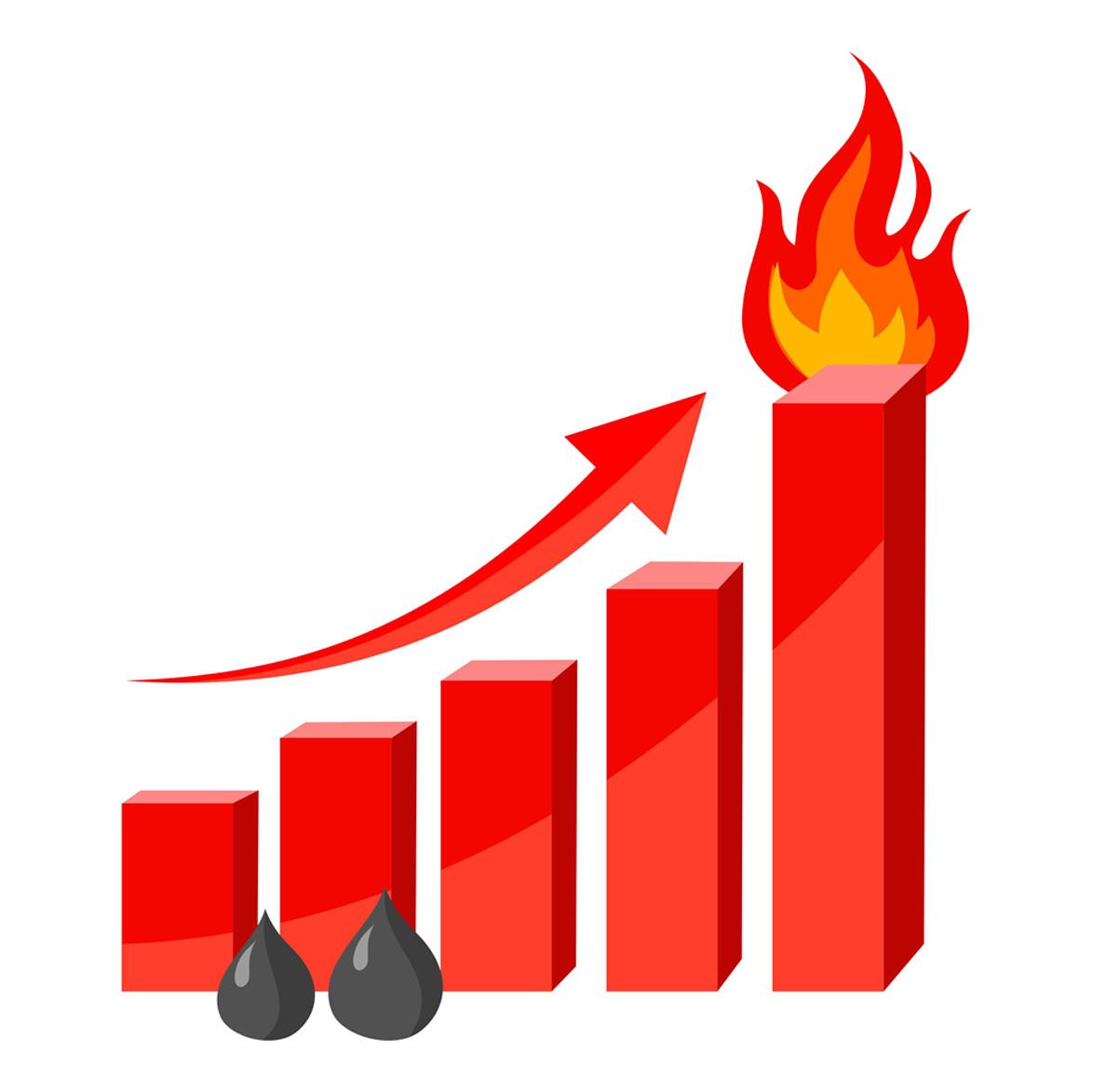 A wardrobe powered by oil
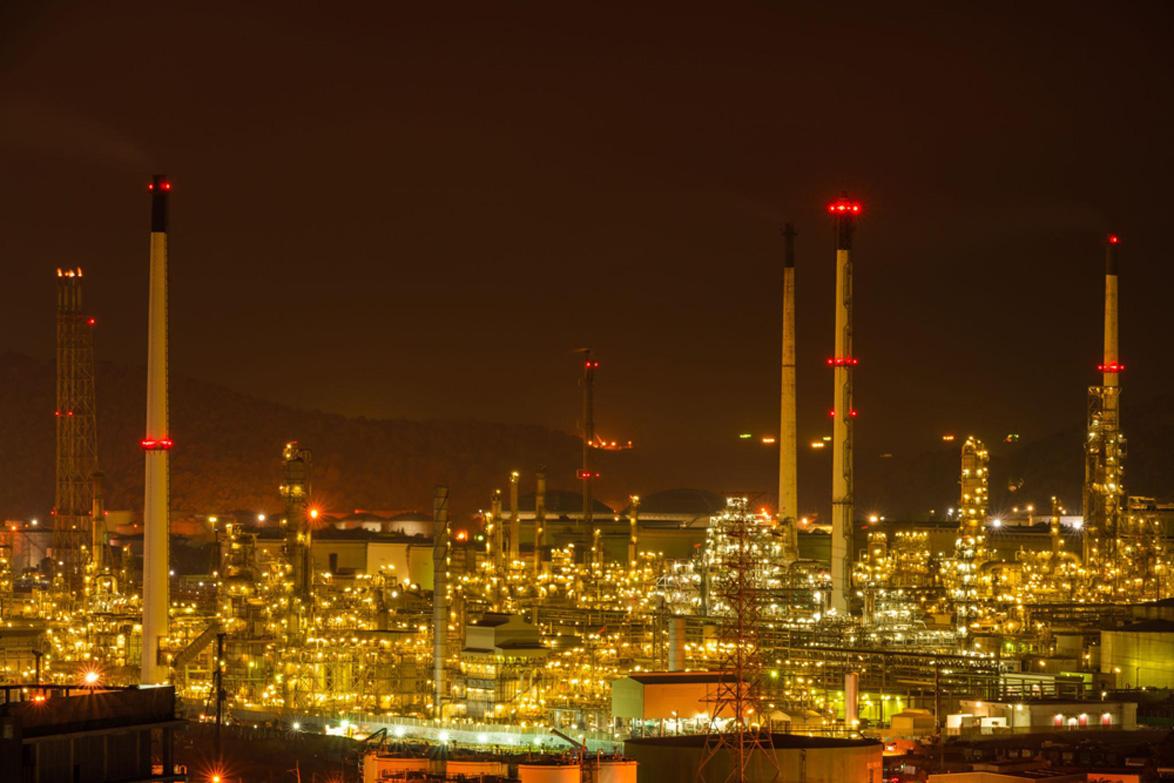
Behind the racks of fast fashion and performance wear lies a staggering reality. The global fashion industry consumes an estimated 342 million barrels of crude oil every year to produce plastic-based textiles. Polyester, nylon, acrylic, these materials dominate modern wardrobes. In fact, synthetic fibres accounted for approximately 69% of global fibre production in 2024, a number projected to rise to 73% by 2030. These fibres don’t come from nature. They are derived from fossil fuels, crude oil and natural gas, the same resources at the heart of some of the world’s most volatile geopolitical conflicts. Every polyester dress, every pair of leggings, every synthetic blend carries with it an invisible thread that leads back to oil fields, refineries, and global supply chains shaped by power and politics.
When conflict hits your closet
The recent escalation involving the United States, Israel, and Iran has once again exposed how fragile and interconnected these systems are. Oil is not just a commodity. It is a tool of influence, controlled, traded, and often weaponized during times of conflict. As tensions rise, oil prices fluctuate dramatically. In recent days, crude oil surged to over $150 a barrel before dropping again within 24 hours. These sudden shifts send shockwaves far beyond energy markets.
They ripple directly into fashion.
The price of synthetic fibres rises. Manufacturing costs increase. Supply chains stall. According to industry reports, the cost of chemical fibres like polyester and acrylic has already increased by more than 10% since the latest strikes began. For an industry built on speed and scale, these disruptions are not minor inconveniences, they are structural threats.
The invisible crisis in supply chains
When supply chains are disrupted, the consequences are rarely felt equally. Shipping delays mount. Sourcing becomes more expensive. Brands scramble to protect margins. And in the middle of it all are the workers, often in developing countries, who absorb the greatest impact.
Factories face pressure to cut costs. Deadlines tighten. Wages stagnate or fall. Working conditions deteriorate. In times of global instability, it is not corporations that bend first, it is people. The fashion industry has long relied on complex, globalized supply chains that stretch across continents. While this system has enabled rapid production and low costs, it has also created deep vulnerabilities. When geopolitical tensions rise, the entire structure is exposed. And it is the most vulnerable who pay the price.
A system built on dependence
Fashion’s reliance on oil is not incidental, it is foundational. From the raw materials used in synthetic fibres to the transportation systems that move garments across the world, fossil fuels underpin nearly every stage of the industry. Even beyond textiles, oil is embedded in dyes, finishes, packaging, and logistics. This dependence creates a dangerous reality: as long as fashion remains tied to fossil fuels, it remains tied to the volatility of global politics. Wars disrupt oil. Oil disrupts fashion. And the cycle continues.
The illusion of cheap fashion
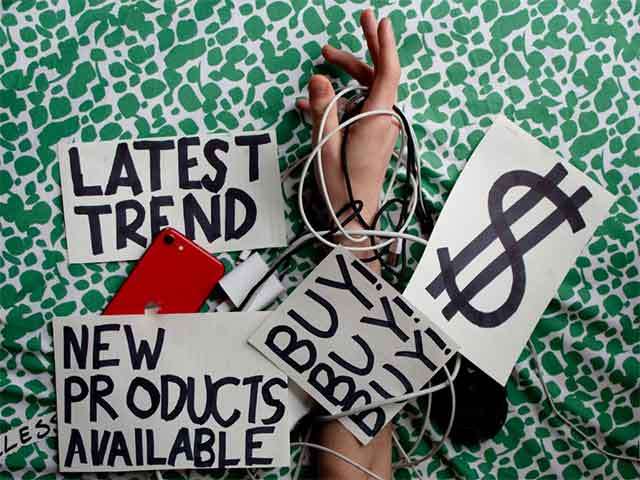
For decades, consumers have been conditioned to expect low prices, rapid turnover, and endless choice. But the true cost of fashion has never been reflected on the price tag. It is hidden in oil extraction. In carbon emissions. In exploited labour. In fragile supply chains that buckle under pressure. What appears cheap is, in reality, heavily subsidized by environmental damage and human cost. And as geopolitical tensions intensify, that illusion is becoming harder to sustain.
A turning point for the industry
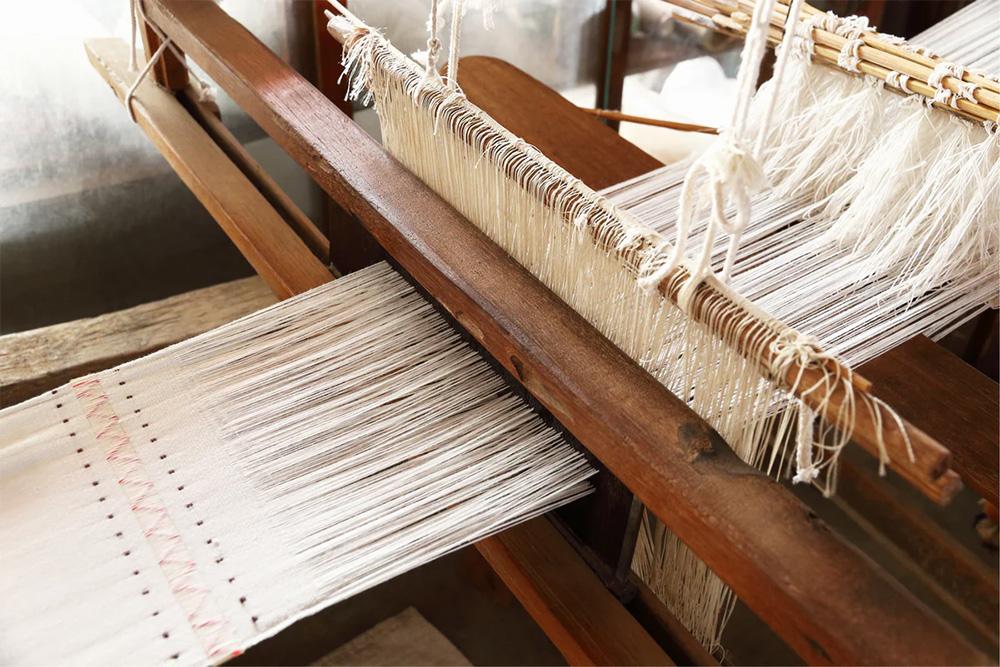
The current moment presents a stark warning, but also an opportunity. If fashion continues on its current path, its dependence on fossil fuels will only deepen, making it increasingly vulnerable to future crises. But there is another way forward. A transition toward natural fibres, renewable energy, and ethical sourcing is no longer just an environmental imperative, it is a strategic necessity. Materials like organic cotton, hemp, linen, and regenerative fibres offer alternatives that are not tied to oil markets. Localised production models can reduce reliance on complex global supply chains. Investment in renewable energy can shield manufacturing from fossil fuel volatility. These changes are not simple. They require systemic transformation, from how materials are sourced to how garments are designed, produced, and consumed. But the alternative is clear: continued instability, rising costs, and deepening inequality.
The role of consumers
Consumers, too, are part of this equation. Every purchase is a vote, not just for style, but for a system. The rise of synthetic fibres has been driven by demand for affordability, performance, and convenience. But awareness is growing.
More people are beginning to question where their clothes come from, how they are made, and what impact they have. Transparency, once optional, is becoming expected. And brands that fail to adapt risk being left behind.
Beyond fashion
This is not just a story about clothing. It is a story about how deeply interconnected our world has become, how industries we think of as separate are, in reality, bound together by shared resources and global systems. Fashion is not separate from geopolitics. It is shaped by it. And as conflicts continue to unfold, that connection will only become more visible.
The future of fashion
The question is no longer whether fashion is linked to fossil fuels and global conflict. It is whether the industry is willing to change. Because the cost of inaction is rising. Not just in dollars, but in human lives, environmental damage, and systemic vulnerability. As geopolitical tensions expose the fragility of fashion’s supply chains, one truth becomes clear: The industry can no longer afford its dependence on oil. To build a resilient future, fashion must reckon with its reliance on fossil fuels, and move decisively toward a model rooted in sustainability, ethics, and long-term stability. Because what we wear is no longer just a matter of style. It is a reflection of the world we are choosing to build.