Fame Game with Kishu Gomes
By Thasmina Sookoor
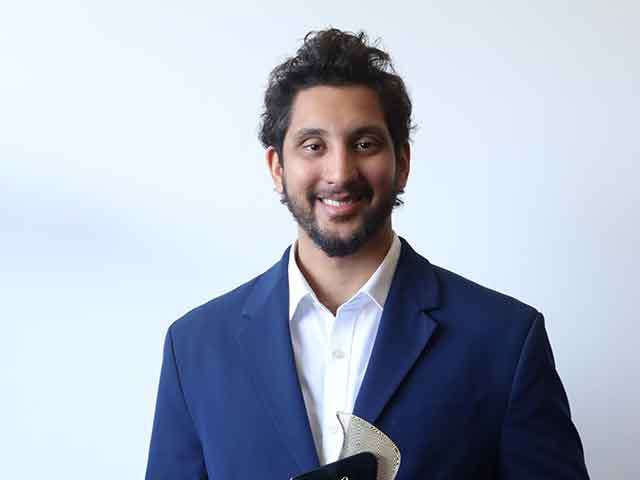
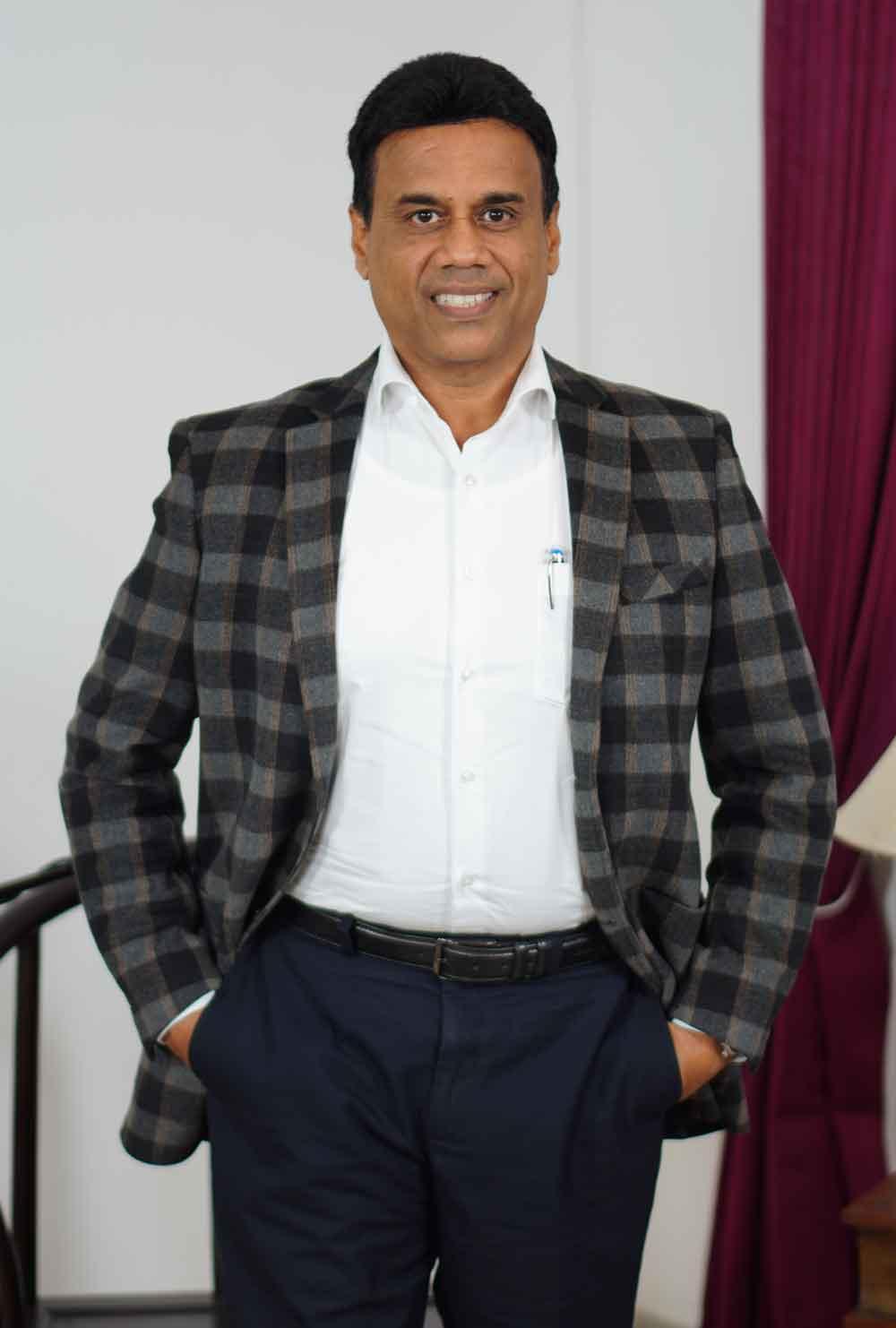
In this engaging episode of Fame Game, hosted by Kumar de Silva and Rozanne Diasz, corporate leader Kishu Gomes shares a thoughtful and deeply personal account of his life, career, and guiding principles. Widely recognized for his strong presence in the corporate sector, Gomes opens up about lesser-known aspects of his journey, including his experiences in acting, athletics, modelling, and public service. His reflections reveal a disciplined and purpose driven individual who has consistently balanced ambition with authenticity.
Q: You have had a remarkably diverse career. Let us begin with something unexpected. How did your journey into acting begin?
A: Acting was never part of a structured plan. It developed naturally through encouragement from people around me who believed I had the presence required for the screen. Around six years ago, I was invited to take part in a film project. Although the film was completed, it has not yet been released for reasons unknown to me. That opportunity led to further involvement in the field. I later appeared in a teledrama titled Paradige, which became very popular and ran for nearly three years, covering approximately 550 episodes. I was part of around 50 episodes. What stood out to me was that many of the roles offered were quite similar to my real-life personality, which made the transition easier. At present, I am involved in another teledrama where I play the role of a senior police officer. I have also portrayed an army officer in a film. Initially, I had doubts about whether I could convincingly take on such roles, but the confidence shown by directors encouraged me to step forward and accept the challenge.
Q: Among the many roles you have taken on, which identity do you value the most?
A: Without hesitation, I value my identity as a corporate leader above all else. That is the role I have dedicated my life to, and it is the one I wish to be remembered for. While I appreciate the opportunities I have had in acting, modelling, and motivational speaking, these are complementary aspects of my life. They do not define me in the same way. For me, being respected and recognized as a corporate professional is of great importance. I intend to maintain that identity with consistency and integrity throughout my life.
Q: Many people are unaware of your background in athletics. Could you share more about that period of your life?
A: Athletics played a significant role in shaping my early years. During my time at school, I was deeply involved in sports and other extracurricular activities. My teachers recognized my potential at an early stage and encouraged me to pursue competitive athletics. My main event was the 110 metre hurdles, and I take pride in saying that I remained unbeaten in that event during my active years. Although my record was eventually surpassed, it was a meaningful achievement at the time and remains an important part of my journey.
However, I had to make a difficult decision to step away from athletics when I entered the corporate world at a young age. The demands of my professional responsibilities made it impossible to continue training and competing at the level required.
Q: You began your corporate career at a young age. What was that experience like?
A: I started my career at the age of nineteen with Coca Cola. From the beginning, I was entrusted with responsibilities in sales promotions, special events, and public relations. It was a demanding role, especially considering my age at the time. I was required to manage substantial budgets and respond to numerous sponsorship requests from schools and organizations. Coca Cola was one of the leading brands in the country, which meant that expectations were high. These early experiences taught me important lessons in resilience, accountability, and decision making. I had to develop a sense of maturity very quickly, which helped shape my professional outlook and prepared me for greater responsibilities in the future.]
Q: You have been actively involved in supporting sports initiatives in Sri Lanka. Could you elaborate on this?
A: Supporting sports has always been important to me. Even after stepping away from athletics, I remained closely connected to the sporting community. Over the years, I have been involved in sponsoring and promoting several sports, including rugby, cricket, and motor racing. I supported Sri Lanka Rugby for more than a decade, which was a particularly meaningful experience for me. In addition, the organisations I worked with contributed to major motor racing events in the country. For me, these efforts were not only about brand visibility. They were also about creating opportunities for young athletes and contributing to the development of sports at a national level.
Q: What was one of the most challenging periods in your career, particularly during your time in the tourism sector?
A: One of the most challenging periods I experienced was during my time in Sri Lanka Tourism following the Easter Sunday attacks. The impact on the tourism industry was severe, both economically and emotionally. There was a great deal of uncertainty, and the responsibility of restoring confidence in the country as a tourist destination was significant. Global trends suggested that recovery from such incidents would take over a year. However, we were able to achieve recovery within a much shorter period. By the end of that year, Sri Lanka had recorded nearly two million tourist arrivals and generated considerable revenue. One of the most critical decisions I made during that time was to attend an international tourism exhibition in Dubai just a few days after the attacks. Many advised against travelling under such circumstances, but I believed it was necessary to engage directly with international stakeholders. It was important to communicate the reality of the situation and reassure the global community. Facing international media during that time was not easy, but it was a responsibility I was prepared to undertake. Leadership often requires making difficult decisions in uncertain conditions.
Q: You later stepped down from your role in tourism. What influenced that decision?
A: I made the decision to step down just before the national election because I believed it was important for a new administration to have the freedom to shape its own direction. I also felt that the public sector was not aligned with my long-term professional goals. While I remain committed to supporting national development, I prefer to do so in an environment that allows for greater independence and clarity in decision making.
Q: You have also been involved in modelling. How did that aspect of your career begin?
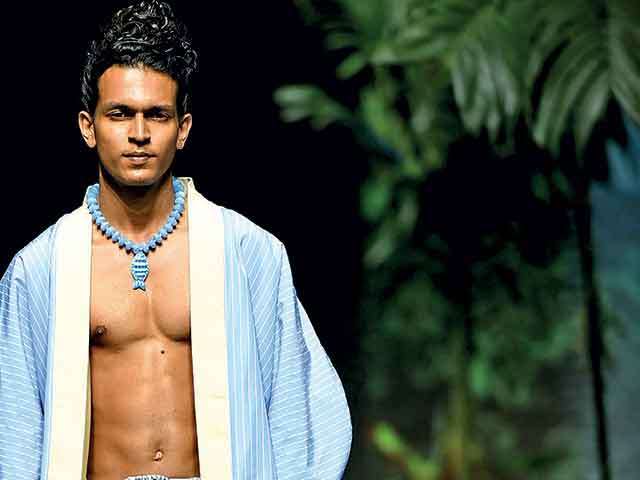
A: My involvement in modelling began during my athletic years. At a sporting event organized by Coca Cola, a photograph of me competing in a hurdles race was later used in an advertisement. This led to further opportunities in brand endorsements. Over time, I worked with several brands, but I have always maintained a clear personal policy. I choose to endorse only one brand within a category in order to maintain credibility. For me, modelling is not primarily about financial gain. It is about using visibility to send positive messages to younger generations and encouraging them to make the most of their talents.
Q: With such a demanding career, how do you manage your personal life and family commitments?
A: I believe that the quality of time spent with family is far more important than the quantity. Despite the demands of my professional life, I make it a priority to be fully present when I am with my family. My wife has been a constant source of support throughout my journey, and my two sons have always shown understanding and patience. Strong relationships are built through meaningful interactions and genuine engagement, rather than simply being physically present.
Q: How do you define success at this stage of your life?
A: Success, to me, is about the impact you have on other people. It is about being recognized not only for your professional achievements but also for your character and values. Titles and positions may change over time, but the respect you earn and the difference you make in the lives of others remain. That, in my view, is the true measure of success.
Q: Finally, what message would you like to share with young professionals?
A: I would encourage young people to explore all their talents and not limit themselves to a single path. At the same time, it is important to have a clear sense of identity and purpose. Discipline, integrity, and consistency are essential qualities for long term success. Build your personal brand with intention and always aim to contribute positively to society.
Kishu Gomes presents a journey that reflects versatility guided by purpose. His ability to engage in diverse fields while remaining grounded in his core identity offers valuable lessons in leadership and personal growth. His story continues to inspire those who seek to build meaningful and impactful careers.