When Boomers Go Digital The Rise of Elders in the Smartphone Era
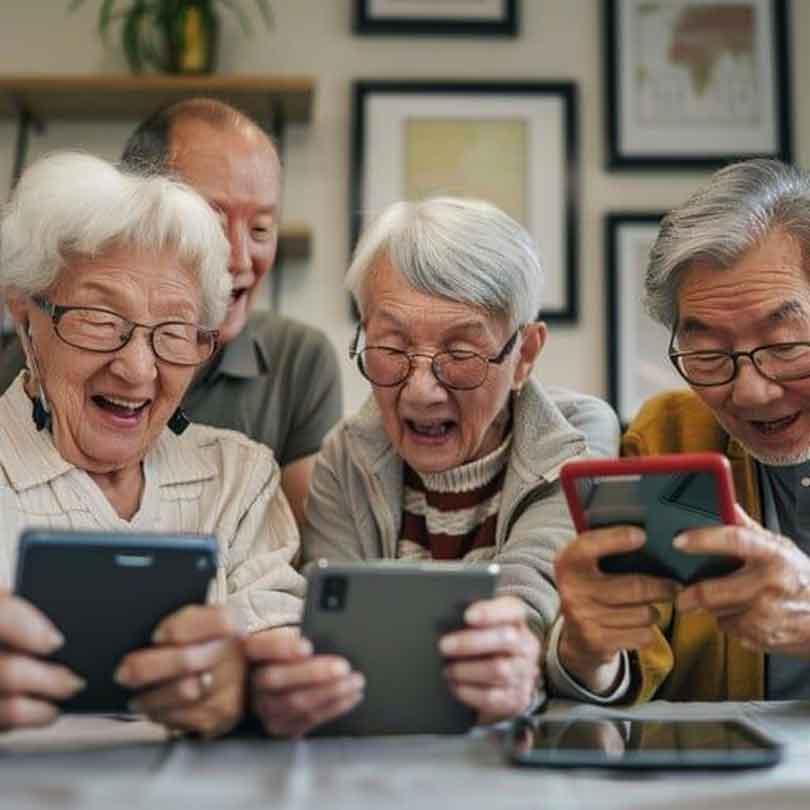
There was a time when smartphones were seen as the domain of the young, a fast-moving space filled with selfies, scrolling, and trends that seemed difficult for older generations to follow. That reality has changed. Today, parents and grandparents are no longer observers of the digital world. They are active participants, shaping conversations in ways that are both surprising and, at times, overwhelming.
Across the globe, smartphone usage has reached remarkable levels. According to Data Reports, around 5.6 billion people now use smartphones worldwide, representing roughly 70 percent of the global population. While this growth is driven by multiple age groups, there is also a clear and noticeable increase in adoption among older generations, who are becoming more active in the digital space. What stands out is not simply adoption, but behaviour. The same individuals who once hesitated to use touchscreens are now confidently navigating social media platforms. They send voice notes, share videos, and participate in discussions with a sense of familiarity that would have seemed unlikely a decade ago.

In many families, this shift has created a new and often humorous reality. A photo shared online, perhaps a casual picture with friends or a personal moment, rarely goes unnoticed. Within minutes, a message appears: “I saw your picture on Facebook. Why are you standing like that? Who is the boy next to you?” Soon after, a comment may follow under the same post, direct and unfiltered: “You should dress better next time.” Moments like these have become common. Elders have moved from private observers to public commentators. They analyze, question, and critique, often with a level of honesty that younger users are not always prepared for. Social media, once a space for peer interaction, now includes what feels like a family review panel. As one young Gen Z colleague put it, “Posting online is easy. Facing the family comments is the real challenge.”
The same scenarios have become common in office culture as well. There are senior employees who bring in gossips/news from social media faster than news channels. One can often see them discussing trending topics or casually scrolling through content during leisure time, sometimes listening to music like seasoned users with their smartphones connected to YouTube. This behaviour reflects something deeper than simple curiosity. For older generations, smartphones are a bridge into the lives of their loved ones. They use these platforms to stay connected, to understand, and to remain involved. What may appear as criticism is often rooted in care, concern, and a desire to stay relevant in a rapidly changing world.
At the same time, this growing digital presence brings certain challenges. One noticeable pattern is the speed at which information is consumed and shared. Messages, news items, and videos move quickly through family and community groups. Content is often forwarded with trust, sometimes without verification. There is a strong belief in what appears on the screen. As one observer noted, “If it comes through the phone, it must be true.” This mindset can lead to the spread of misinformation, not through intention, but through confidence in the source.
Another aspect that deserves attention is the shift in daily routines. Many older individuals who once spent time in active and social environments now find themselves drawn to their screens. The continuous flow of content creates a habit that is difficult to break. It is not unusual to see someone fully absorbed in a video, unaware of what is happening around them. Conversations pause, family moments become quieter, and attention shifts from the physical world to the digital one. “Just one more video” becomes a familiar thought, repeated more often than expected.
Yet, the story is not one-sided. Smartphones have brought meaningful advantages to older generations. They have strengthened connections that distance once made difficult. A grandparent can now see and speak to a grandchild instantly, regardless of location. Family groups keep communication alive on a daily basis, creating a sense of closeness that was once harder to maintain. There is also a sense of independence that comes with this technology. Tasks such as accessing information, managing finances, or finding directions can now be handled without assistance. This builds confidence and allows older users to navigate their daily lives with greater ease.
For those living alone, smartphones can offer companionship. Messages, calls, and notifications create a feeling of activity and presence. The device becomes more than a tool; it becomes part of their daily experience, reducing feelings of isolation. However, these benefits come alongside real concerns. Increased screen time can affect physical health by reducing movement and disrupting rest. Constant exposure to information can also be mentally exhausting. Not every message brings comfort; some create worry or confusion.
There are also risks related to privacy and security. Older users may not always recognize potential threats online, making them more vulnerable to misleading links or scams. The digital world, while accessible, is not always safe. Perhaps the most striking outcome of this shift is how it reshapes family dynamics. The belief that technology belongs to the younger generation no longer holds true. In many cases, elders are equally active, sometimes even more engaged, in the digital space. They are not just receiving updates; they are sharing them. “Did you see this news?” is now a question that often comes from a parent or grandparent, sometimes before anyone else has noticed it.
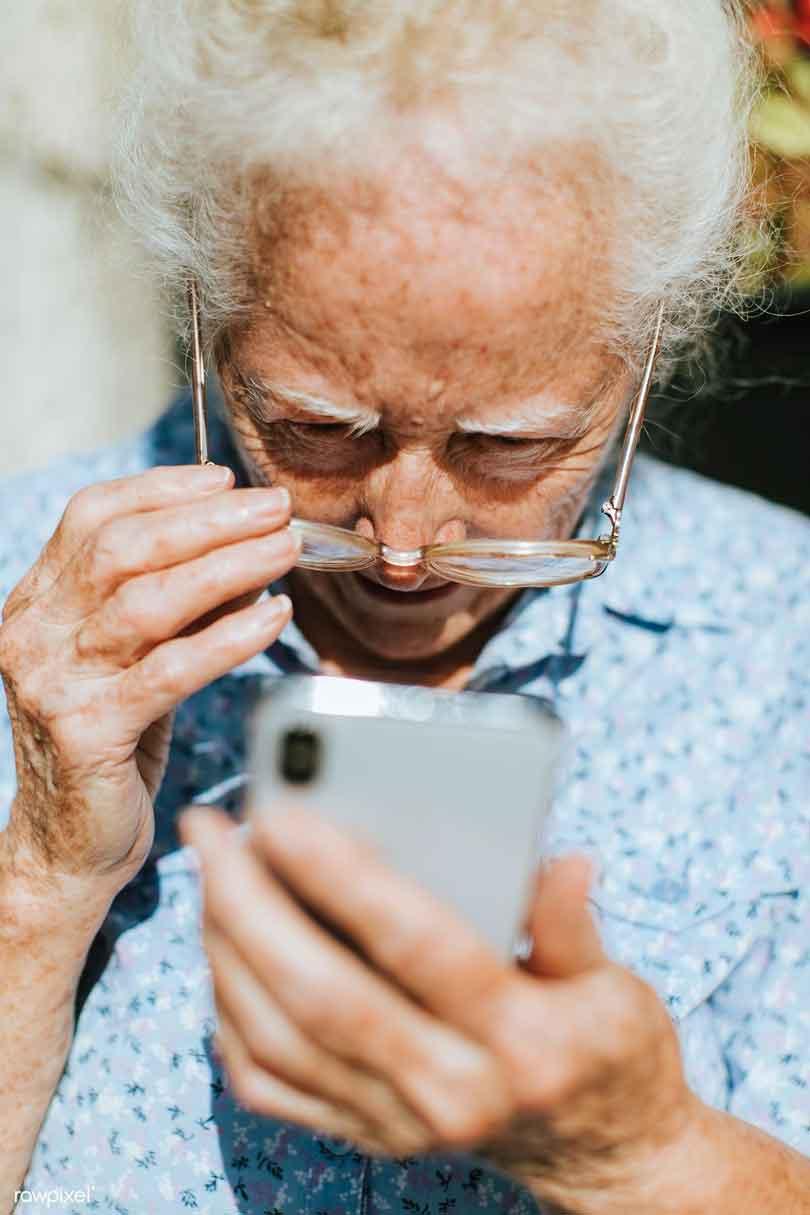
This reversal challenges long-held assumptions. It shows that adaptability is not defined by age, but by willingness. The digital space does not exclude; it invites participation, and older generations have accepted that invitation. In conclusion, the presence of elders in the smartphone era is not simply a passing trend. It is a clear reflection of how society evolves. It is a story of curiosity, adjustment, and the blending of tradition with technology. The idea that smartphones are meant mainly for the young is no longer valid. They belong to everyone. And as older generations continue to scroll, comment, question, and engage, they remind us of a simple truth: Once you step into the digital world, you become part of its voice, regardless of age.