Why Is Blue for Boys and Pink for Girls?

Walk into almost any baby store, scroll through parenting posts, or attend a gender reveal, and you’ll likely see the same color code repeated: blue for boys, pink for girls. It feels so familiar that many people assume it’s natural or even timeless. But the truth is far more interesting, this color association is a relatively recent cultural invention shaped by history, marketing, and shifting social norms.
If we go back a little over a century, the color rules were not what we know today. In fact, during the late 19th and early 20th centuries, babies, regardless of gender, were typically dressed in white. White clothing was practical, it could be easily bleached and cleaned, which mattered in an era before modern detergents.
When colors began to be introduced into children’s clothing, there was no universal agreement about which color suited which gender. Interestingly, some sources from the early 1900s suggested the opposite of today’s norm. Pink, seen as a softer version of red, was considered a strong and bold color, often recommended for boys. Blue, on the other hand, was associated with calmness and delicacy, making it more suitable for girls. So the idea that pink has always been feminine is simply not true.
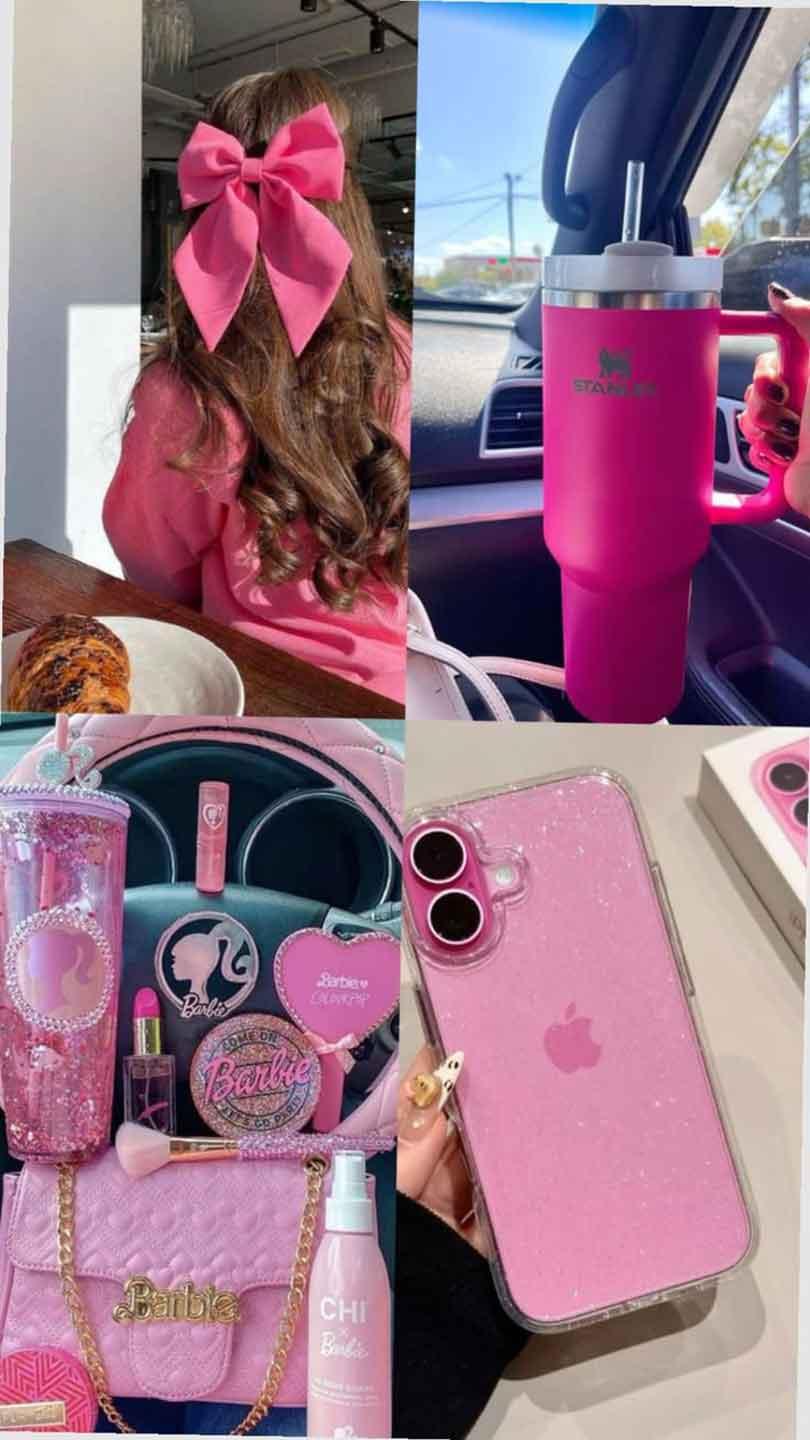
The transition toward pink for girls and blue for boys didn’t happen overnight. It evolved gradually between the 1920s and 1940s, and even then, it wasn’t consistent across regions or brands. Some retailers promoted one color scheme, while others pushed the opposite.
By the mid 20th century, however, the trend began to settle. In the United States and parts of Europe, pink became increasingly linked with girls, while blue was associated with boys. This shift was influenced by a combination of fashion trends, cultural symbolism, and emerging consumer habits.
One major factor was the rise of mass marketing. As companies began to produce clothing and toys on a larger scale, they also started segmenting products by gender to increase sales. Assigning specific colors made it easier to market boys’ items and girls’ items, encouraging parents to buy more rather than reuse items for multiple children.
By the 1950s, the association of pink with girls and blue with boys had become more widely accepted, especially in Western countries. Advertising played a huge role in reinforcing this idea. Baby products, clothing lines, toys, and even room décor were heavily gendered. This wasn’t just about aesthetics, it was about identity. Marketers tapped into social expectations, suggesting that boys and girls should look, act, and even play differently from a young age. Colors became a simple but powerful way to signal those differences.
Interestingly, this trend intensified in the 1980s with the rise of prenatal testing. Once parents could find out a baby’s gender before birth, companies had a new opportunity to sell gender specific products even earlier. The pink and blue divide became more pronounced than ever.
The meanings we attach to colors are not universal, they are shaped by culture. In Western societies, pink is often linked to softness, sweetness, and nurturing qualities, which are traditionally associated with femininity. Blue, meanwhile, is connected to calmness, strength, and reliability, traits often linked to masculinity. However, in other cultures, these associations can differ significantly. In some countries, colors don’t carry the same gendered meanings at all. This shows that the pink for girls and blue for boys rule is not a biological truth but a social construct.
Even within Western history, color symbolism has shifted. For example, blue has long been associated with religious imagery, particularly with the Virgin Mary in Christian art, which gave it a strong feminine connection in earlier centuries.
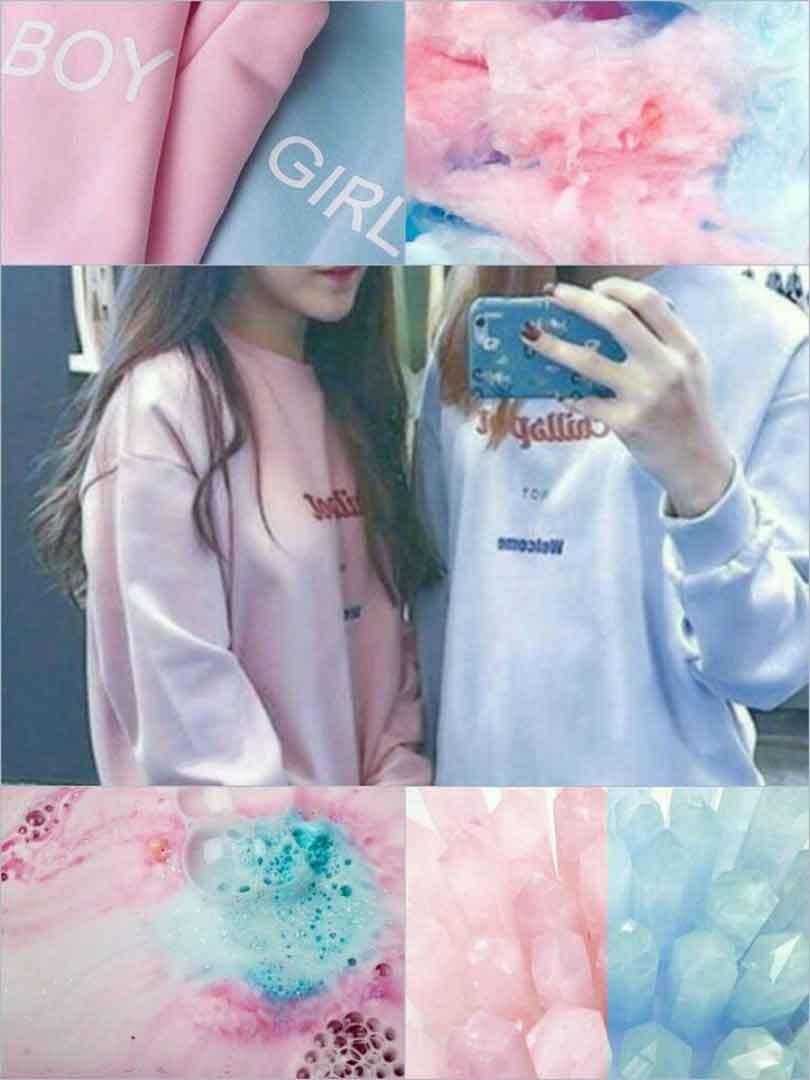
Some people argue that children naturally prefer certain colors based on their gender. However, research suggests that these preferences are largely shaped by environment rather than biology. Young children are highly influenced by what they see around them, what their parents buy, what their peers wear, and how media portrays gender. When girls are consistently surrounded by pink items and boys by blue ones, they begin to associate those colors with their identity.
Studies have shown that very young children don’t display strong color preferences by gender until they are exposed to social cues. This suggests that the pink and blue divide is learned rather than innate.
In recent years, there has been growing awareness and criticism of rigid gender norms, including the use of color to define identity. Many parents are choosing more neutral color palettes, and some brands are moving away from strictly gendered marketing. Neutral tones like yellow, green, and grey are becoming more popular, especially among parents who want to avoid reinforcing stereotypes. At the same time, there is also a push to allow children to choose their own preferences, rather than assigning them based on gender.

However, the pink and blue divide still remains deeply ingrained in many societies. Walk into a toy store, and you’ll often see clearly separated sections, pink aisles filled with dolls and accessories, and blue aisles packed with cars and action figures.
At first glance, the question of colors might seem trivial, but it reflects broader ideas about gender roles and expectations. When children are guided toward certain colors, toys, and activities, it can subtly influence how they see themselves and what they believe is appropriate for them.
Colors are one of the earliest ways society communicates gender identity to children. While there’s nothing inherently wrong with liking pink or blue, the issue arises when those preferences are limited or enforced. Understanding the history behind these associations helps challenge the idea that they are fixed or natural. It opens up space for more flexibility and individuality.
Today, the conversation is shifting. More people are recognizing that colors don’t belong to any gender. Fashion designers, brands, and parents are increasingly embracing diversity in expression. Some movements even encourage reclaiming colors, allowing boys to wear pink without judgment, and girls to embrace blue or any other color they like. Social media has also played a role in normalizing a broader range of choices.
Ultimately, the story of pink and blue is a reminder of how cultural norms are created, and how they can change. The association of blue with boys and pink with girls is not rooted in biology or ancient tradition, it is a product of historical shifts, cultural symbolism, and marketing strategies over the past century. What feels like a natural rule today was once the opposite, and could change again in the future. As society continues to evolve, so too does the way we understand identity, expression, and even something as simple as color. In the end, pink and blue are just colors, and the meanings we attach to them are entirely up to us.