Rewatching the Same Memories Again and Again
By Dewmi Dodhani
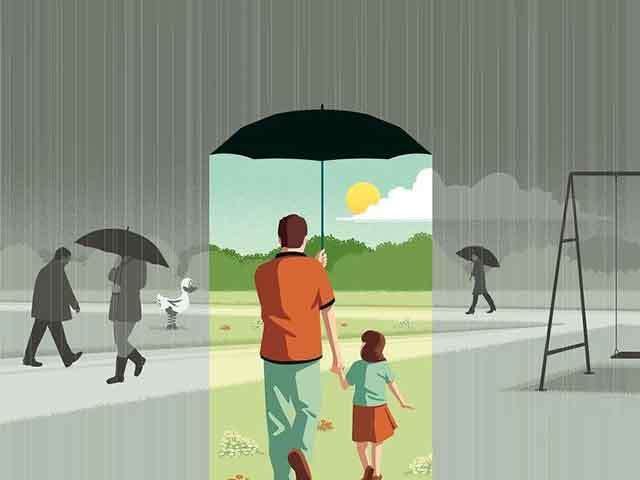
There is a unique kind of silence that exists within memory. It is not the silence created by an empty room or the absence of sound. Instead, it is the silence that comes from stillness. Life in the present continues moving constantly. Messages arrive every minute. Conversations begin and end. Deadlines demand attention. People move forward with their routines while the world continues changing around them. Yet somewhere inside the mind, certain moments remain untouched by time. They stay exactly as they were. They do not evolve with the present. They do not disappear completely. They simply replay themselves over and over again.
Rewatching memories is not always a conscious decision. Most of the time, it happens quietly and unexpectedly. A person may be going through an ordinary day when suddenly the mind drifts backward without warning. It can happen during moments of exhaustion, loneliness, boredom, or even calmness. Sometimes it appears during late nights when everything becomes quieter. Other times it arrives in the middle of a busy afternoon when the mind briefly pauses between responsibilities. Without permission, a memory returns and begins replaying itself once again.
The memory itself does not always have to be dramatic. Often, the moments that stay with people are surprisingly ordinary. A simple conversation. A particular smile. A familiar voice. A goodbye that did not seem important at the time but later carried unexpected emotional weight. Sometimes it is a shared laugh that lasted only seconds but somehow remained unforgettable years later. Other times it is something much larger, an ending, a heartbreak, a friendship that faded, or a period of life that no longer exists in the same way.
What makes memory so powerful is not only the event itself, but the feeling attached to it. Human beings do not store memories like photographs placed neatly inside boxes. The mind stores emotion, atmosphere, intensity, and meaning. This is why certain moments continue returning while others disappear almost completely. Some days from the past are forgotten entirely, while one small moment remains vivid forever. Not because it was objectively important, but because it carried emotional significance that stayed unresolved or unforgettable.
Sometimes revisiting memories feels comforting. Familiarity creates safety. The past no longer asks anything from us. It does not require difficult choices or uncertain decisions. It exists exactly as it happened, fixed and unchanging. In contrast, the present often feels unpredictable and overwhelming. Daily life constantly demands adaptation. People are expected to respond quickly, move forward continuously, and adjust to change without hesitation. Compared to that uncertainty, memory can feel peaceful because it remains stable.

This is one reason people return to the past so often. Memories offer temporary escape from the pressure of the present. Even painful memories can feel strangely comforting simply because they are familiar. The mind sometimes chooses familiarity over uncertainty, even when familiarity carries sadness.
However, repetition slowly changes memory itself. The more often a memory is replayed, the more it transforms. Over time, it becomes less connected to the actual event and more connected to the emotions surrounding it. Certain details become clearer while others fade completely. The mind may soften painful moments or exaggerate specific emotions. A simple conversation may suddenly feel deeply meaningful years later because the brain has attached emotional interpretation to it repeatedly.
This is where emotional looping begins. A person revisits the same memory again and again not necessarily because they want to relive the event itself, but because the emotions connected to it still feel unfinished. The mind continues searching for understanding, closure, comfort, or explanation. Yet because the past cannot change, the replay continues without resolution. The memory becomes both familiar and emotionally incomplete at the same time.
Modern life often makes this process more difficult. People are expected to move on quickly from emotional experiences. There is little space for slow emotional processing. Sadness is treated like something temporary that should disappear within days. Pain is expected to become productivity again. People continue studying, working, socializing, and functioning even when emotions remain unresolved internally. Because of this, many emotional experiences are never fully understood. Instead, they remain stored quietly inside memory where the mind revisits them repeatedly.
Sometimes these repeated memories are connected to grief. Not always the grief of losing a person through death, but also the grief of losing versions of life that can never return. People often miss specific periods of time more than they miss individual events. A season of life when everything felt simpler. A friendship that once felt permanent. A version of themselves that existed before certain experiences changed them completely. This is why memory can feel emotional even when nothing tragic happened. Sometimes people are not mourning an event. They are mourning a feeling.

Rewatching old memories can also become a way of reconnecting with former versions of ourselves. Human beings are constantly changing. The person someone was five years ago may feel unfamiliar now. Their mindset, priorities, emotions, and relationships may all be different. Looking back at memories becomes a quiet form of self-recognition. It allows people to revisit who they used to be and understand how much they have changed since then. A certain photograph, song, or place can suddenly bring back an entire emotional atmosphere from another time in life. For a moment, the mind remembers not only what happened but also how it felt to exist during that period. That emotional return can feel comforting and painful at the same time because it reminds people that some versions of life can never truly be recreated. Yet there is an important difference between remembering and remaining emotionally trapped.
Memories are natural and necessary. They help shape identity, understanding, and emotional depth. But when the mind begins returning to the past more often than engaging with the present, the balance slowly shifts. Current experiences may begin feeling less emotionally vivid compared to memories that have been replayed repeatedly over time. Present moments can appear dull or emotionally distant because they are competing against idealized versions of the past. This does not necessarily mean the present lacks value. Often, it simply means the past has become emotionally intensified through repetition. The more a memory is revisited, the more emotionally powerful it may appear. Meanwhile, present experiences are still unfolding and therefore feel uncertain and incomplete by comparison.
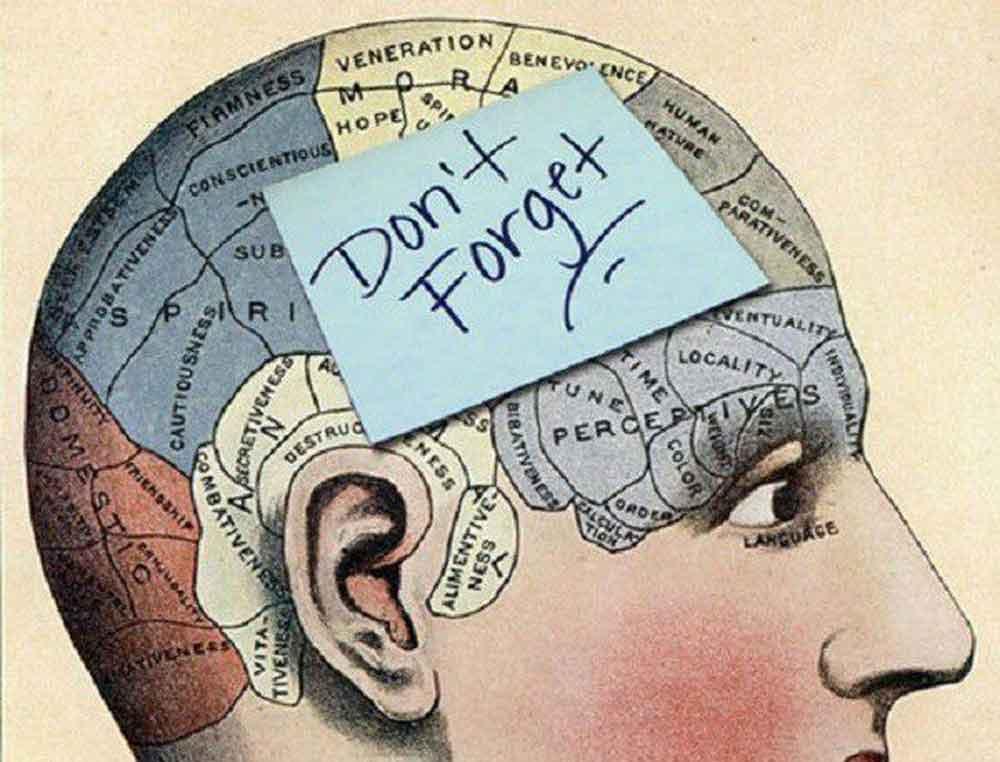
There is also a danger in searching for answers inside memories that no longer contain them. People sometimes replay conversations repeatedly hoping they will suddenly understand something differently. They analyze old moments searching for hidden meanings, missed signs, or alternative outcomes. The mind imagines what could have been said differently or what might have changed if one small decision had gone another way. But memory rarely provides complete closure. It only provides reflection. The challenge is not learning how to forget. Forgetting is not always possible, nor should it be. The challenge is understanding why certain memories continue demanding attention long after they have passed. Sometimes the mind revisits memories because something emotional remains unresolved. Other times it returns simply because familiarity feels safer than uncertainty.
Human beings naturally seek emotional understanding. When experiences feel unfinished, confusing, or emotionally significant, the brain continues revisiting them in an attempt to create meaning. This is not weakness. It is part of being emotionally human. Still, the present continues moving regardless of what the mind is replaying internally. Time does not stop while someone remains emotionally attached to a memory. Life keeps changing. New people enter. New experiences appear. New emotions slowly develop. The world continues forward even while the mind occasionally looks backward.
This is perhaps what makes memory both beautiful and painful at the same time. It allows people to revisit moments that no longer physically exist. It preserves emotions, conversations, and experiences long after time has passed. Memory keeps certain parts of life accessible forever, even when reality itself has already changed completely. At the same time, memory can never fully recreate what once existed. It can only replay fragments of it. Eventually, people begin understanding that memories are not meant to replace the present. They are meant to exist alongside it. The goal is not to erase the past or stop remembering meaningful experiences. The goal is to allow memories to remain memories without letting them prevent emotional presence in current life.
In the end, rewatching memories again and again is rarely about wanting to live permanently in the past. More often, it is about the mind trying to understand emotions that still feel unfinished within it. It is about searching for meaning inside moments that once carried emotional significance. It is about holding onto feelings, versions of ourselves, and periods of life that shaped who we became. And perhaps that is why memory remains so powerful. Not because it changes the past, but because it reveals what the heart is still trying to understand long after the moment itself has already passed.