Sustainability Is Not a Marketing Aesthetic

The fashion industry has mastered the art of storytelling. Every season, we are sold a new narrative, conscious collections, recycled fabrics, carbon-neutral promises, eco capsules wrapped in earthy tones and minimalist typography. Sustainability has become fashion’s most marketable aesthetic.
But behind the carefully curated campaigns, the reality often looks very different. This month, Italy fined Shein €1 million for allegedly misleading consumers with exaggerated environmental claims. Regulators argued that the company’s sustainability messaging lacked clarity, evidence, and transparency, particularly around claims related to recyclability and circular fashion. The ruling may seem like just another corporate controversy in the endless cycle of fashion headlines. But it represents something much bigger: a global shift in how sustainability claims are being scrutinized. For years, fashion brands have been allowed to use the language of sustainability with almost no accountability. Words like “eco-friendly,” “green,” “conscious,” and “sustainable” have floated freely through marketing campaigns without clear definitions or measurable proof. Consumers were expected to trust the messaging without seeing the systems behind it. Now, regulators, and increasingly consumers themselves, are starting to ask harder questions.
What exactly makes a garment sustainable? How is it produced? Who made it? What happens to it after it is worn? And perhaps most importantly: can a business built on endless overproduction ever truly be sustainable? That question sits at the center of the fast-fashion crisis. Ultra-fast fashion has transformed clothing into disposable content. New styles appear online daily, sometimes hourly, designed less for longevity and more for immediate digital consumption. Trends are accelerated through algorithms and social media cycles, encouraging consumers to buy impulsively and discard quickly. The result is a system operating at a scale the planet simply cannot sustain.
 Fashion is already one of the world’s largest polluting industries, contributing significantly to carbon emissions, water contamination, and landfill waste. Yet much of the environmental damage remains hidden from consumers because it happens far away from glossy storefronts and influencer campaigns. One of the least discussed issues is the dominance of synthetic materials like polyester. Polyester is essentially plastic derived from fossil fuels. It is cheap to produce, durable, and ideal for mass manufacturing, which is why it dominates fast fashion. But every time synthetic garments are washed, they release microscopic plastic fibers into waterways.
These microplastics eventually enter rivers, oceans, marine ecosystems, and even the food chain. Scientists have found microplastics everywhere from seafood to drinking water to human bloodstreams. The environmental consequences are no longer abstract or distant. They are already embedded within our daily lives. Yet despite this reality, many brands continue presenting minor adjustments as revolutionary sustainability achievements.
A recycled polyester capsule collection becomes the centerpiece of an entire marketing campaign while the company continues producing millions of low-quality garments designed for short-term wear. A “conscious” label appears on selected products while the overall business model remains dependent on overconsumption and excessive waste.
his is the contradiction at the heart of greenwashing. Sustainability cannot exist as a small decorative layer placed on top of an environmentally damaging system. It cannot simply be a branding exercise. And consumers are becoming increasingly aware of this disconnect. Today’s shoppers, particularly younger generations, are asking for more than polished messaging. They want traceability. They want material transparency. They want to know where fabrics come from, how workers are treated, how products are transported, and whether environmental claims can actually be verified. The demand for accountability is reshaping the industry.
In Europe especially, regulations around sustainability communication are becoming stricter. Brands are beginning to realize that vague environmental language is no longer enough. Claims must now be measurable, specific, and supported by evidence. This shift matters because greenwashing does more than mislead consumers. It actively slows down real progress. When companies exaggerate sustainability efforts, they create the illusion that the industry is changing faster than it actually is. Consumers may feel they are making ethical choices while still participating in deeply unsustainable systems. Meanwhile, smaller brands genuinely investing in ethical production often struggle to compete against corporations with massive marketing budgets.
True sustainability is rarely flashy. It often looks slower, quieter, and less commercially aggressive.
- It looks like producing fewer collections instead of more.
- It looks like designing garments intended to last year’s rather than weeks.
- It looks like repairing, reusing, and rethinking waste.
- It looks like investing in artisanship, local production, natural materials, and circular systems.
It also requires confronting an uncomfortable truth: sustainability and endless growth are fundamentally difficult to reconcile. Fashion’s current economic model depends heavily on continuous consumption. Brands are rewarded for selling more units every quarter, increasing production volumes, and accelerating trend cycles. But a truly sustainable system would likely require producing less overall, fewer garments, better quality, longer lifespans. That tension is something the industry still struggles to address honestly. As someone who works closely with craftsmanship and heritage textiles, I often think about how differently clothing was once valued. Garments were repaired, preserved, passed down, and emotionally connected to memory and identity. Techniques like handloom weaving, lacemaking, natural dyeing, quilting, and batik were inherently slower processes. They carried the imprint of human labor and cultural continuity.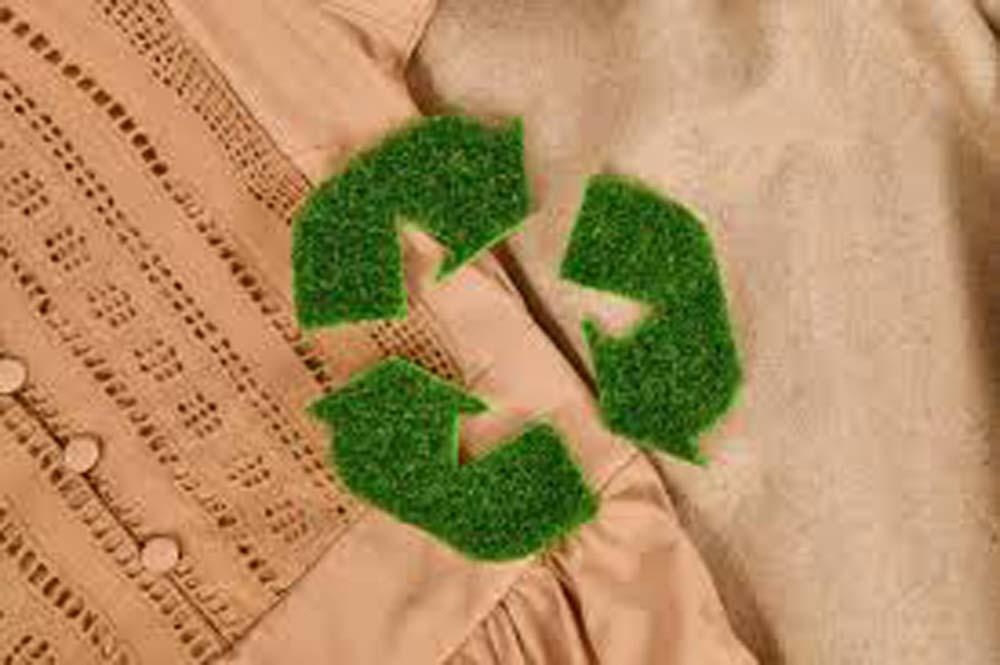
Today, speed has become fashion’s dominant currency. But speed often erodes meaning. When clothing becomes too cheap and too abundant, it also becomes easier to discard emotionally. Fashion loses its sense of permanence and turns into temporary visual entertainment. This is why the conversation around sustainability cannot focus only on materials or recycling technologies. It must also address our cultural relationship with consumption itself. Buying slightly “greener” products while maintaining the same levels of overconsumption will never fully solve the problem. Real sustainability demands behavioral change alongside industrial change. It asks consumers to become more intentional. It asks brands to become more transparent. And it asks governments to create stronger systems of accountability.
 The Italian ruling against Shein is important not because it will single-handedly transform fashion, but because it signals that regulators are finally beginning to challenge the gap between sustainability branding and operational reality. That gap has existed for far too long. The future of fashion will not belong to brands with the loudest sustainability campaigns. It will belong to brands capable of proving their impact through measurable action. Brands that prioritize durable design over disposable trends. Brands that invest in circular production rather than endless extraction. Brands that openly disclose materials, supply chains, and emissions instead of hiding behind vague promises. Brands that understand sustainability are not merely about optics; it is about systems.
Consumers are also evolving. People are becoming more informed, more skeptical, and more conscious of the environmental cost behind convenience-driven consumption. The industry can no longer rely solely on aesthetics to sell the illusion of responsibility. Because sustainability is not a color palette.
- It is not recycled-paper packaging.
- It is not a carefully styled campaign featuring linen shirts and soft lighting.
- Sustainability is measurable action.
- And the fashion industry is finally being asked to prove it.