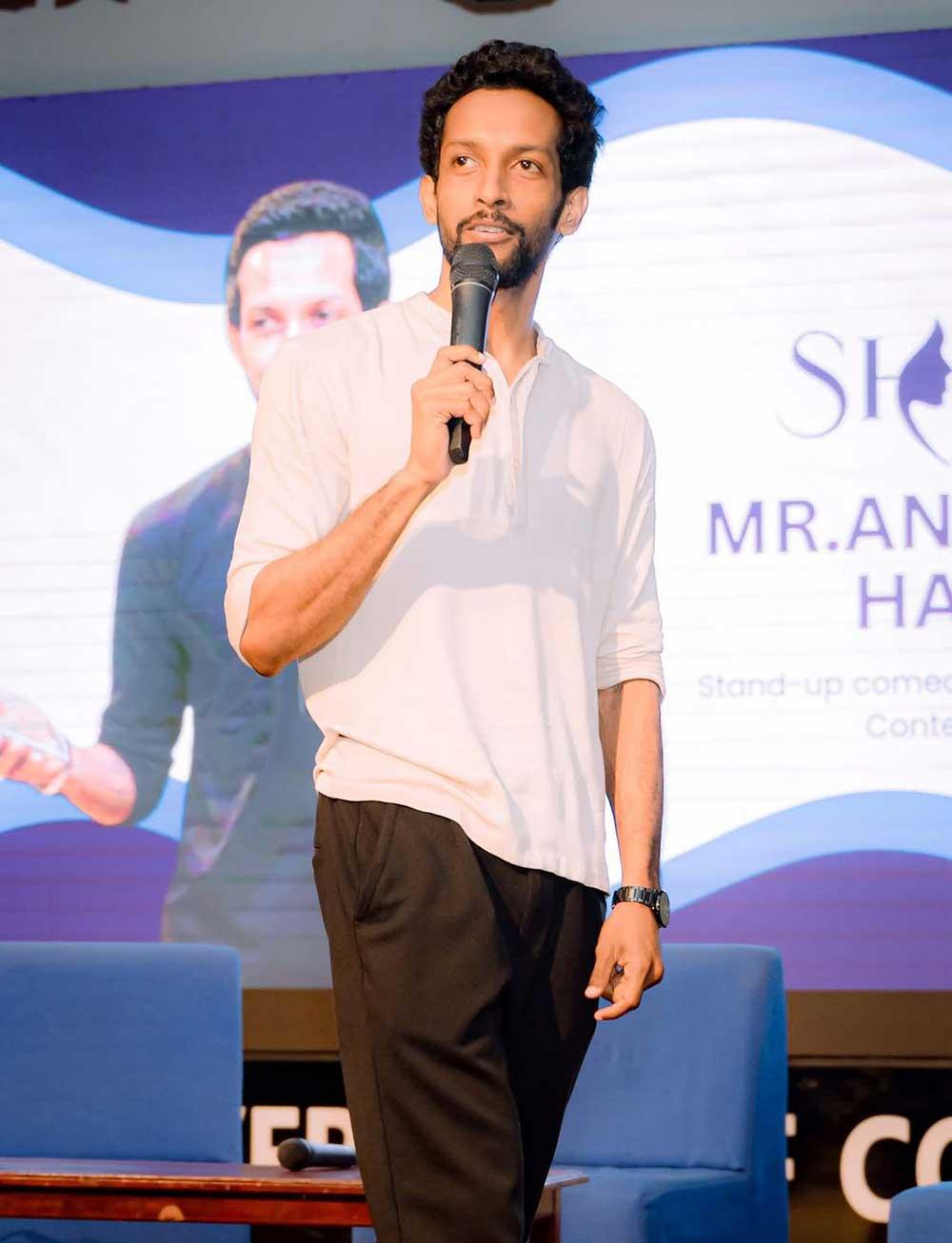
Anderson Kirubaharan Public Speaker, Coach and Stand-Up Comedian
By Yashmitha Sritheran
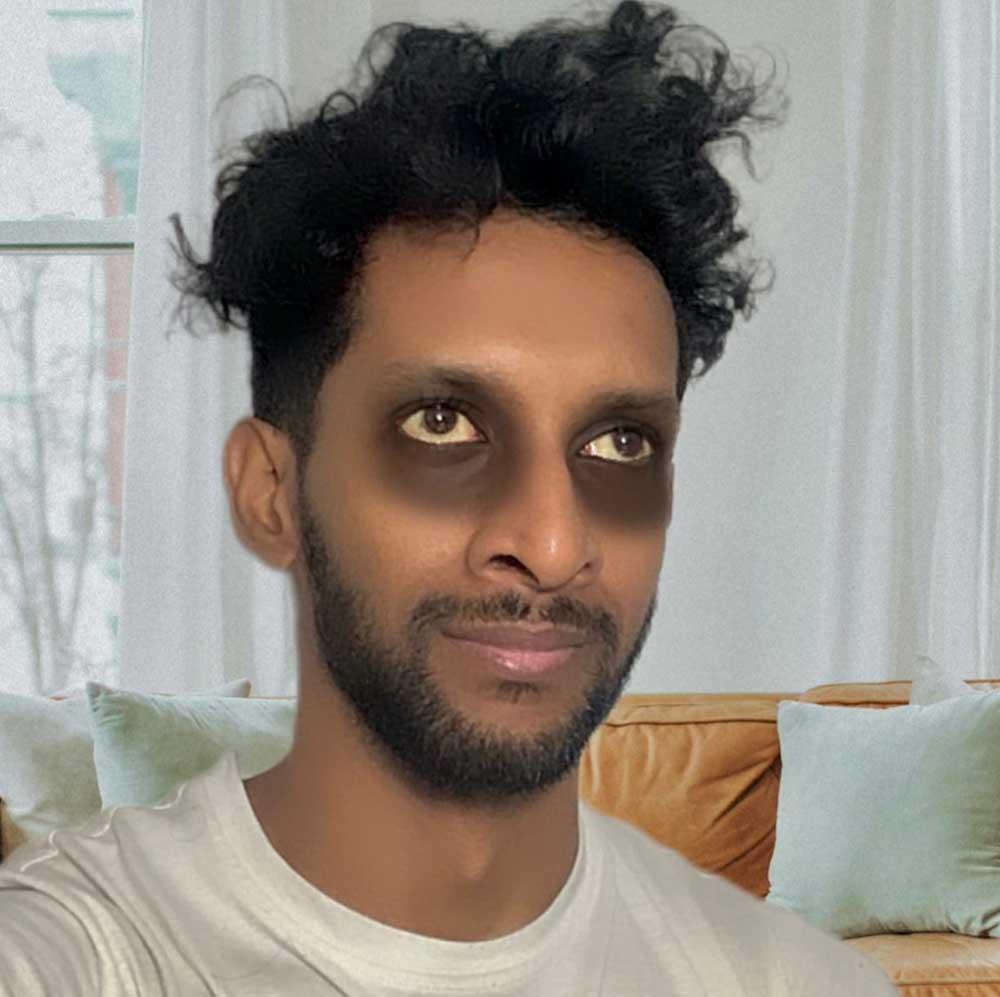
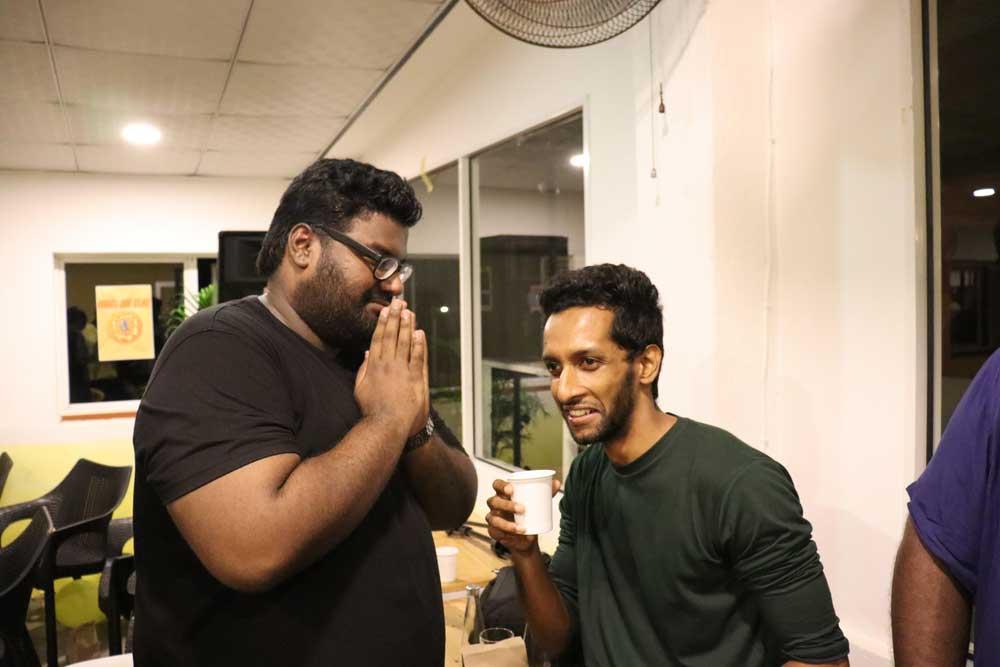
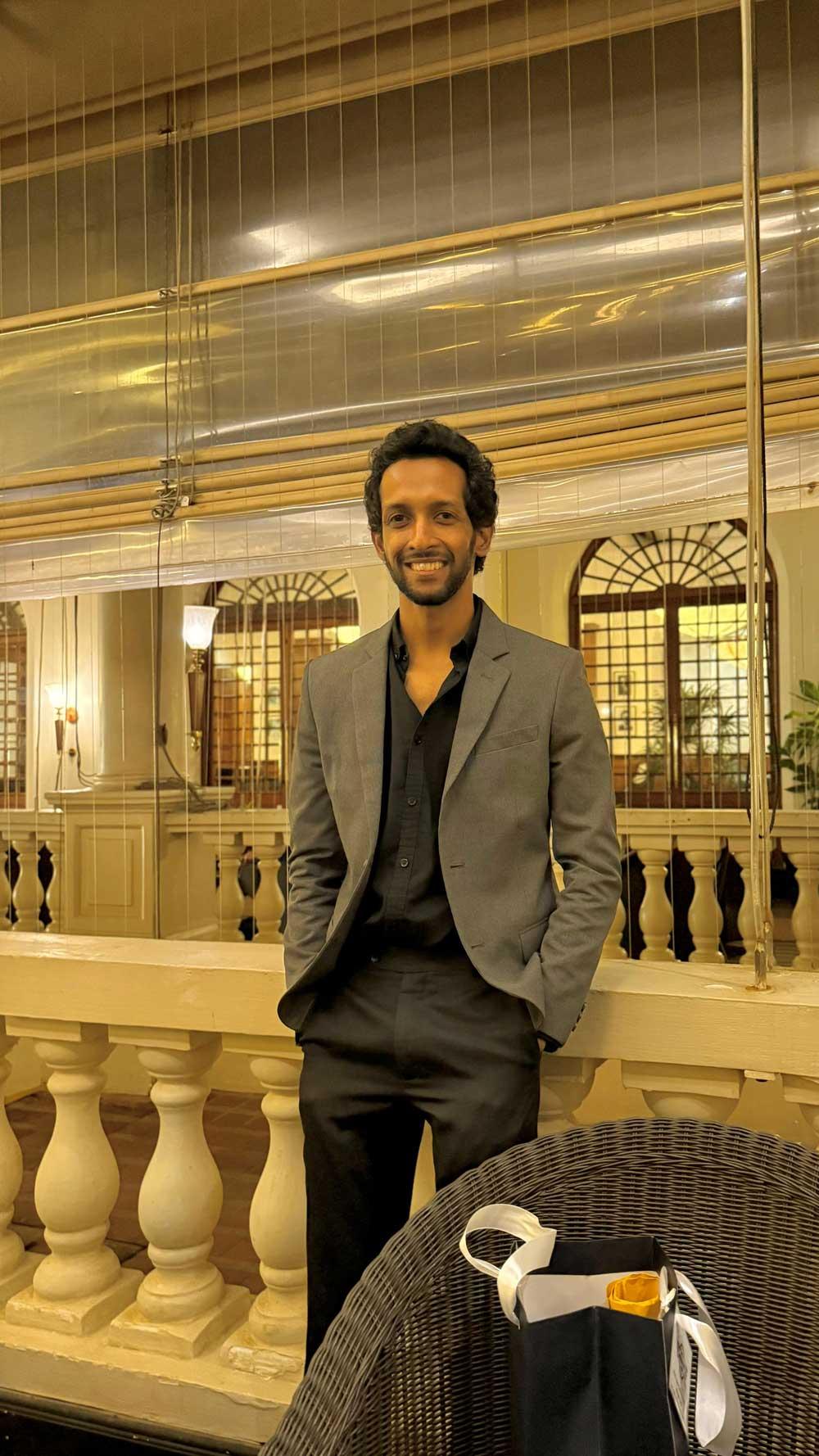
Anderson Kirubaharan is a dynamic public speaker, coach, and stand-up comedian whose journey reflects a natural blend of storytelling, humour, and performance. What began as a simple school stage appearance gradually evolved into a multifaceted career shaped by curiosity, experimentation, and a genuine desire to connect with people. From early performances that sparked confidence to exploring digital platforms during uncertain times, Anderson has consistently embraced opportunities to grow. His work today spans coaching individuals to become confident communicators, delivering impactful speeches, and creating relatable online content that resonates with wide audiences. By combining humour with thoughtful insight, he has built a presence that is both entertaining and meaningful. His journey is not defined by a single breakthrough moment but by a series of experiences that steadily shaped his passion for communication and performance, allowing him to inspire others while continuously evolving his craft.
Q1: What inspired you to begin your journey as a public speaker, comedian, and content creator?
It started during a Science Day event when I was in Grade 8. My friends encouraged me to perform, suggesting I showcase my ability to dance. They specifically wanted me to perform to a Michael Jackson track during the break. I agreed, although I was quite nervous at the time. When I stepped on stage and the song began, I committed fully to the performance. I did the moonwalk and tried to replicate the signature moves as best as I could. The audience responded with excitement and energy, cheering throughout. That reaction surprised me and gave me a sudden boost of confidence. I found myself enjoying the experience more than I expected. Later, during my Advanced Level studies, my friend Athiththan and I would spend time discussing humorous and often absurd scenarios. We imagined situations like action films being adapted into local contexts in exaggerated ways. These conversations were informal but helped shape my sense of humour. I also received encouragement from my teachers. Mr. Benildus Johnson, through the Leo Club, gave me opportunities to explore public speaking and leadership. Those experiences helped me grow through trial and error. During the COVID period, I began experimenting with content creation mainly out of boredom. That eventually led me to stand-up comedy, with guidance from Shuhaib Ali who encouraged me to take the stage more seriously. There was no single defining moment, just a series of small steps that built my passion over time.
Q2: How did you transition into content creation, and what motivated you to start sharing your work online?
During COVID, platforms like TikTok became very popular, and I decided to explore them. I was curious about how people were creating content and how audiences were engaging with it. My early attempts were not very successful. I experimented with filters and random concepts, but most videos received only a small number of views. Instead of stopping, I continued testing different ideas. Eventually, I shifted toward relatable school-based content.
One of those videos unexpectedly reached over twenty thousand views. That moment changed how I approached content creation. I began to focus more on consistency and character development. I created a routine where I posted daily within a fixed time window in the evening. Over time, that consistency helped me grow my audience and reach my first major milestone in followers. What I enjoy most is how simple and relatable content can start conversations. Even within humour, I try to include subtle positive messages, such as highlighting supportive teachers or everyday situations people can connect with.
Q3: How do you balance your roles as a coach, speaker, comedian, and digital content creator?
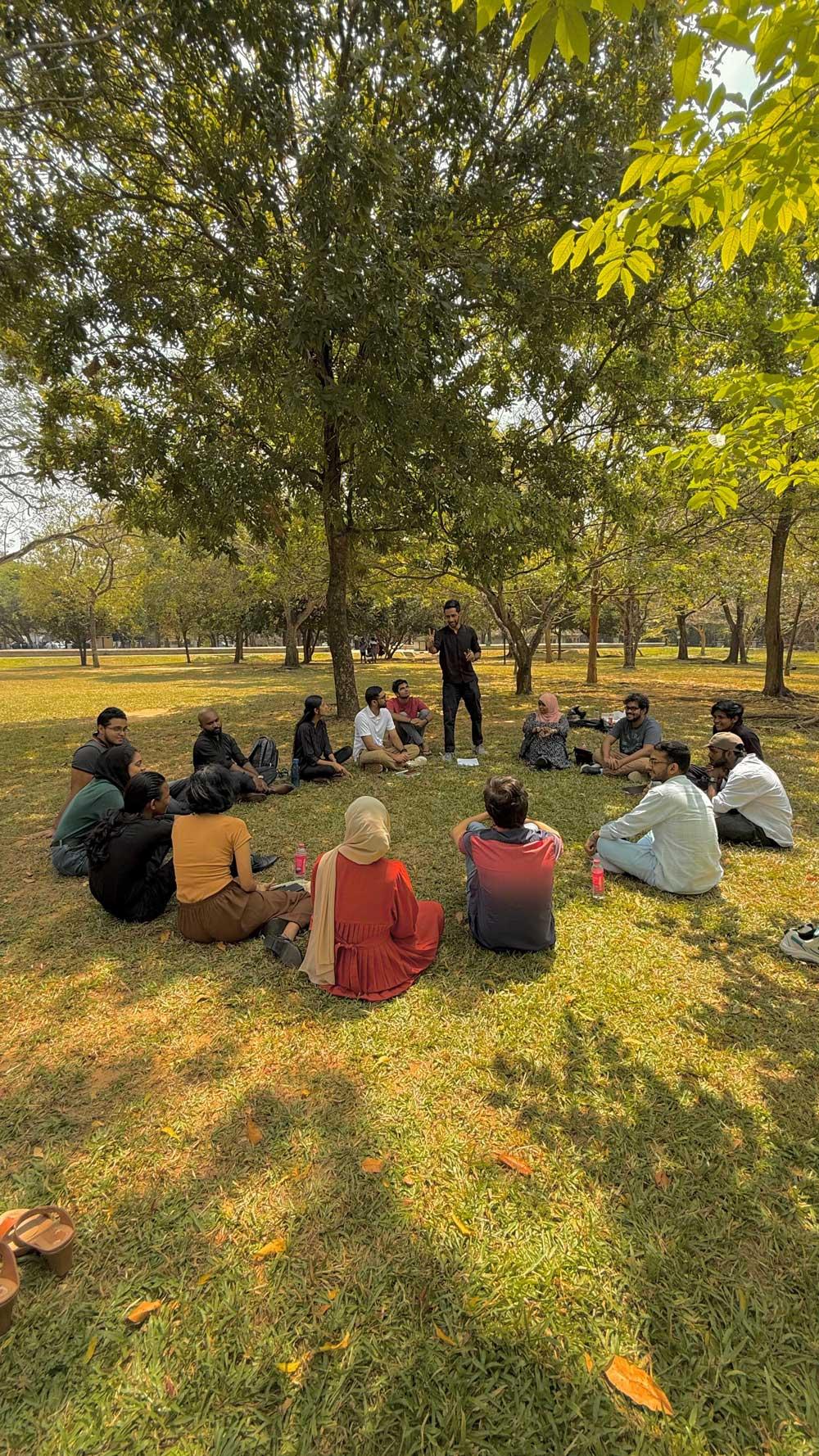
Time management plays a major role in balancing everything. I rely heavily on scheduling tools rather than trying to manage everything mentally. Planning ahead allows me to see what is coming up and avoid conflicts. I regularly check my schedule, whether it is for the next day, the coming week, or even the month ahead. This helps me stay organised and prepared. In the early stages, I did struggle with overlapping commitments and last-minute rushes, but those experiences taught me the importance of planning properly. Now, I approach opportunities more strategically. As long as there are no conflicts, I try to take on as much as I can. Discipline and structured scheduling have made it possible to handle multiple roles effectively.
Q4: What has been the biggest challenge you have faced in building your presence as a content creator?
One of the biggest challenges was creating memorable characters. In the beginning, I experimented with many types of content. Some videos performed well in terms of views, but they did not lead to long term audience retention. People would watch but not necessarily follow. I realised that without a strong identity, it is easy to be forgotten, especially in an environment where there is constant content being uploaded. Over time, I focused on building consistent characters such as student and workplace personas. These helped create familiarity and recognition. Strong characters allow audiences to connect more deeply. When people recognise a character, they are more likely to return and engage with future content. That shift made a significant difference in my growth.
Q5: How has your background in public speaking influenced your content creation?
Public speaking has had a direct impact on how I create content. It builds confidence and improves communication skills, which are essential in any form of performance. Stand-up comedy adds another layer by sharpening timing and helping me understand how audiences react in real time. Content creation then becomes a combination of these skills, where storytelling, pacing, and engagement all come together. Through public speaking, I was able to test ideas in front of live audiences and observe their reactions. That experience helped me refine my delivery and understand what works and what does not. It gave me the confidence to experiment more freely in my content.
Q6: Can you share a defining moment in your journey that made you feel you were on the right path?
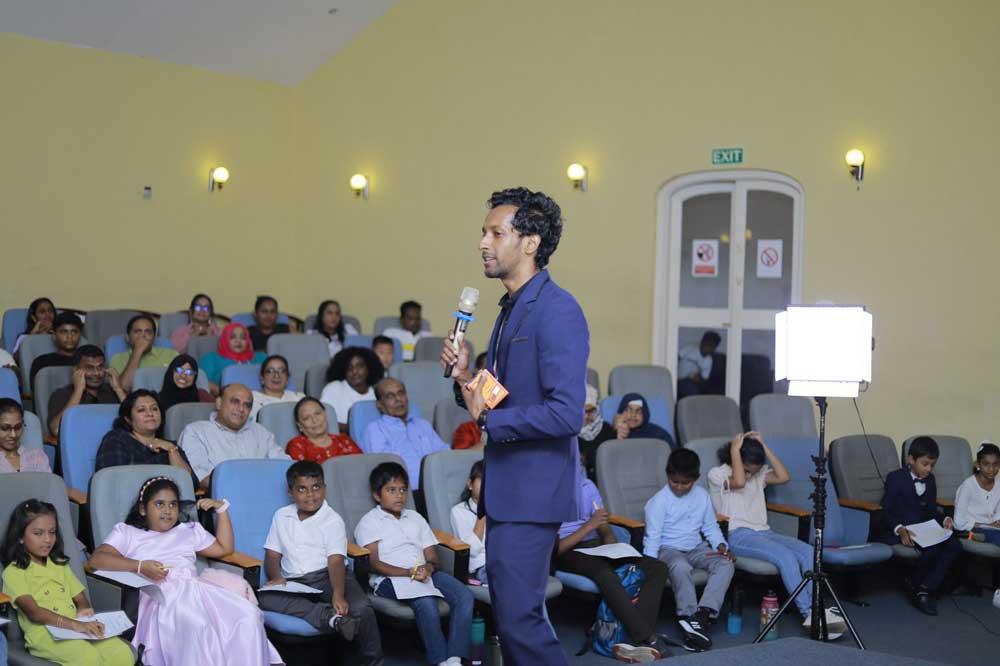
While working alongside Shuhaib Ali and developing my skills as a coach, I began to see real transformation in the people I worked with. Watching individuals who were initially shy grow into confident speakers was incredibly rewarding. At Pufferfish, those moments reinforced my belief that I was on the right path. Seeing progress in others made the work feel meaningful. In stand-up comedy, the feedback is immediate. When an audience laughs, it provides instant validation that something is working. Those moments helped me understand that I was improving and moving in the right direction. I am also grateful for the support I have received from mentors, friends, and the wider creative community. Each experience has contributed to my development.
Q7: How do you come up with ideas for your content, especially when blending humour with meaningful messages?
Most of my ideas come from observation rather than structured brainstorming. I have tried forcing creativity by sitting down and trying to generate ideas, but that approach does not always work for me. Instead, I pay attention to everyday situations. Life itself provides a lot of material if you are willing to notice it. Sometimes I exaggerate real experiences, and other times I present them as they are because reality can already be humorous. Even simple moments can become inspiration. A small incident during a routine day can later develop into a full concept. The key is to remain observant and open to ideas at any time.
Q8: What kind of impact do you hope your content has on your audience?
Many people have told me that my content helps them relax and take a break from stress. That kind of feedback is very meaningful to me. If someone can watch a video, laugh, and feel a little lighter, that itself is valuable. Life can be challenging, and humour can provide a temporary escape or a new perspective. At the same time, I believe in balance. Not every situation should be treated lightly. Some moments require seriousness, while others can benefit from humour. Finding that balance is important in creating responsible and meaningful content.
Q9: How do you see the digital content landscape in Sri Lanka evolving, especially for comedy and personal development creators?
The digital content space in Sri Lanka has grown significantly, especially after the COVID period. More people are exploring content creation, and influencer marketing has developed into a recognised industry. There is a lot of talent in areas such as music, dance, communication, and storytelling. However, many individuals hesitate to start because they overthink or lack confidence. If more people are willing to experiment and learn how digital platforms work, there is strong potential for further growth. The industry is still developing, and there is room for many different types of creators to succeed.
Q10: What advice would you give to aspiring content creators who want to build a strong and authentic voice online?
Start by experimenting without pressure. Give yourself time to try different styles and approaches. Not everything will work, and that is part of the process. Consistency is important, but so is self-awareness. Pay attention to what resonates and what does not. If feedback becomes overwhelming, it is okay to step back and focus on input from trusted sources. Most importantly, have a clear purpose. Do not create content only for numbers. Think about the value you are offering, whether it is entertainment, education, or inspiration. When your purpose is clear, it becomes easier to stay consistent and authentic. Over time, the right audience and opportunities will follow.