Self-Fulfilling Prophecy: Sounds Fancy? Maybe Not.
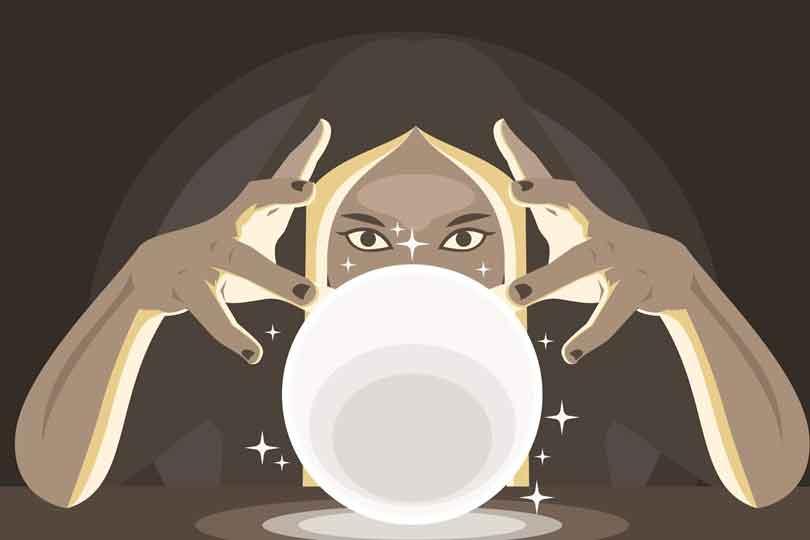
“Self-fulfilling prophecy.” It sounds like one of those terms you’d casually throw into an academic paper or hear in a lecture and immediately zone out. A bit too polished. A bit too distant from real life. But the truth is, it’s not fancy at all. In fact, it’s something you’ve probably been living through without even realizing it.
At its core, a self-fulfilling prophecy is simple: you believe something will happen, and because you believe it so strongly, you unknowingly act in ways that make it happen. It’s not magic. It’s not fate. It’s you, your thoughts, your fears, your expectations, quietly shaping your reality. And once you start noticing it, you can’t unsee it.
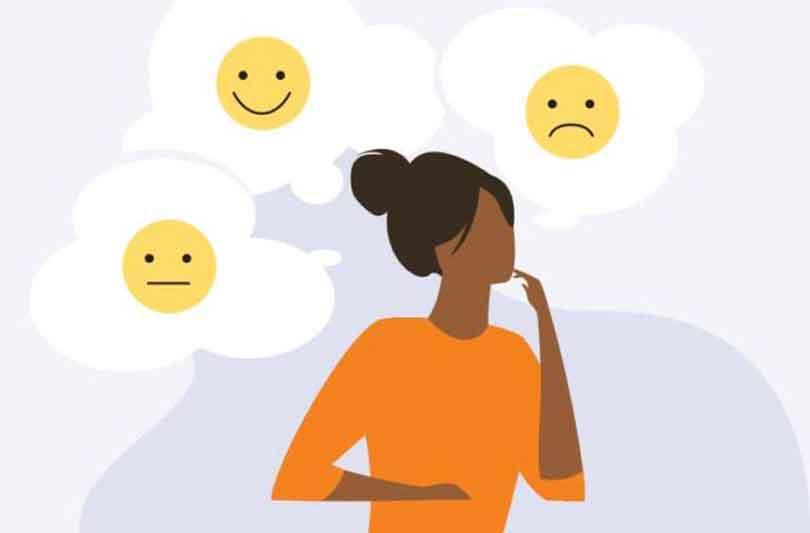
Think about the times you’ve told yourself, “I’m going to mess this up.” It could be something small, like a presentation, or something bigger, like a relationship or a new opportunity. You walk in already convinced that things won’t go your way. And because of that, you hesitate. You overthink. You second-guess yourself. You hold back when you should lean in. And then, when things don’t go perfectly, you sit there thinking, “I knew it.” But did you really know it? Or did you slowly create it?
That’s the uncomfortable truth about self-fulfilling prophecies. They feel like confirmation, but they’re often just repetition. You expect a certain outcome, you behave in alignment with that expectation, and then the outcome follows, almost like a script you didn’t realise you were writing. And it doesn’t always come from a place of confidence. More often than not, it comes from fear. Fear of failure. Fear of rejection. Fear of not being enough. So you start projecting those fears outward.
Projection is another one of those words that sounds complicated but is actually incredibly human. It’s when you take something you feel internally, an insecurity, a doubt, a belief, and place it onto someone else or a situation. You assume people see you the way you secretly see yourself. You assume situations will unfold the way your fears predict they will. If you feel like you’re not good enough, you might walk into a room already believing no one will take you seriously. And because you believe that you speak less. You shrink yourself. You avoid eye contact. And people, reading your energy, might not engage with you as much.
Not because you weren’t worth listening to, but because you made yourself smaller before anyone even had the chance to see you. And just like that, your belief becomes your reality. It’s subtle. It’s quiet. But it’s powerful. The same thing happens in relationships. If you walk into something expecting it to fall apart, you might not even realize how that expectation shapes your behaviour. You might become guarded. You might overanalyze everything the other person does. You might pull away before they get too close, just to protect yourself. And eventually, that distance you created becomes the very reason things don’t work out. Then you tell yourself, “See? This is why I don’t trust people.” But what if it wasn’t just them? What if it was also the version of the situation you had already decided on before it even began?
That’s the tricky part. Self-fulfilling prophecies don’t feel like something we’re actively choosing. They feel like something that’s happening to us, not because of us. And that’s why they’re so easy to fall into. Because it’s easier to believe that things just “never work out” than to question the patterns we might be repeating. It’s easier to say, “I’m just unlucky,” than to sit with the possibility that maybe, just maybe, our mindset is influencing more than we think. But this isn’t about blaming yourself for everything that goes wrong. Not everything is within your control. Life is unpredictable. People are complex. Things fall apart for reasons that have nothing to do with you. But there is a difference between what happens to you and how you show up because of what you expect. And that difference matters. Because once you become aware of your patterns, you start to see where you have power.
You start to notice the thoughts that run through your mind before you even act. The quiet assumptions you make. The stories you tell yourself about who you are and how things will turn out.
- “I’m not good at this.”
- “They probably don’t like me.”
- “This is going to go wrong.”
They seem harmless. Just thoughts. But thoughts have a way of turning into actions. And actions have a way of shaping outcomes. So, the question becomes: what are you feeding your reality? Because self-fulfilling prophecies don’t have to be negative. Imagine walking into a situation thinking, “I might actually do well here.” Not perfectly, not flawlessly, but well enough. Imagine giving yourself the benefit of the doubt instead of immediately assuming the worst. You’d probably carry yourself differently. You’d speak a little more confidently. You’d take up just a bit more space. You’d be more open, more present, more willing to try. And even if things don’t go exactly as planned, the experience would still feel different. Less like a confirmation of your fears and more like a step forward.

That’s the flip side of it all. The part we don’t talk about enough.
We often focus on how our negative beliefs hold us back, but we forget that positive beliefs, even small, hesitant ones, can move us forward. You don’t have to be overly confident. You don’t have to convince yourself that everything will be perfect. You just have to leave room for the possibility that things could go right. That you could handle it. That you might surprise yourself. Because at the end of the day, a self-fulfilling prophecy is just a story you keep telling yourself until it starts to feel real. And like any story, it can be rewritten.
- Not overnight. Not easily. But slowly, intentionally.
- By questioning the narratives you’ve been holding onto.
- By catching yourself when you jump to the worst-case scenario.
- By asking, “Is this actually true, or is this just what I’m used to believing?”
And most importantly, by giving yourself a chance before you decide the outcome.
Because you deserve that much. You deserve to walk into opportunities without already counting yourself out. You deserve to experience things without the weight of your own doubts shaping every moment. You deserve to be seen for who you are, not just who you fear you might be. So maybe “self-fulfilling prophecy” isn’t as fancy as it sounds. Maybe it’s just a quiet reminder that the way you see yourself matters more than you think. That your thoughts are not just passing moments, they’re starting points. And that sometimes, the biggest thing standing between you and a different outcome is the story you’ve already decided to believe.