Royal Visit to Washington: King Charles III’s Speeches and the Art of Diplomatic Theatre.
By: Giselle Gunewardene
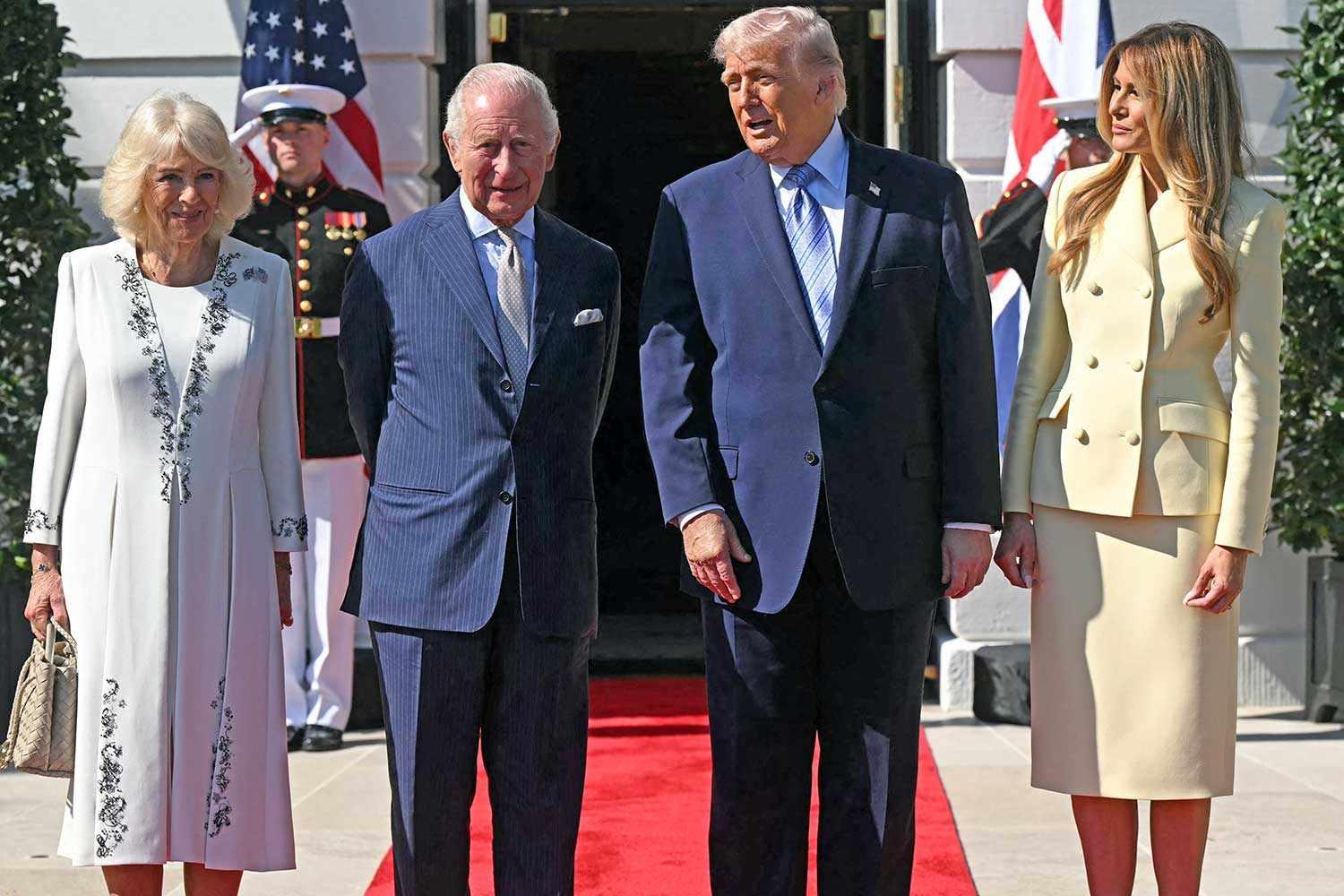
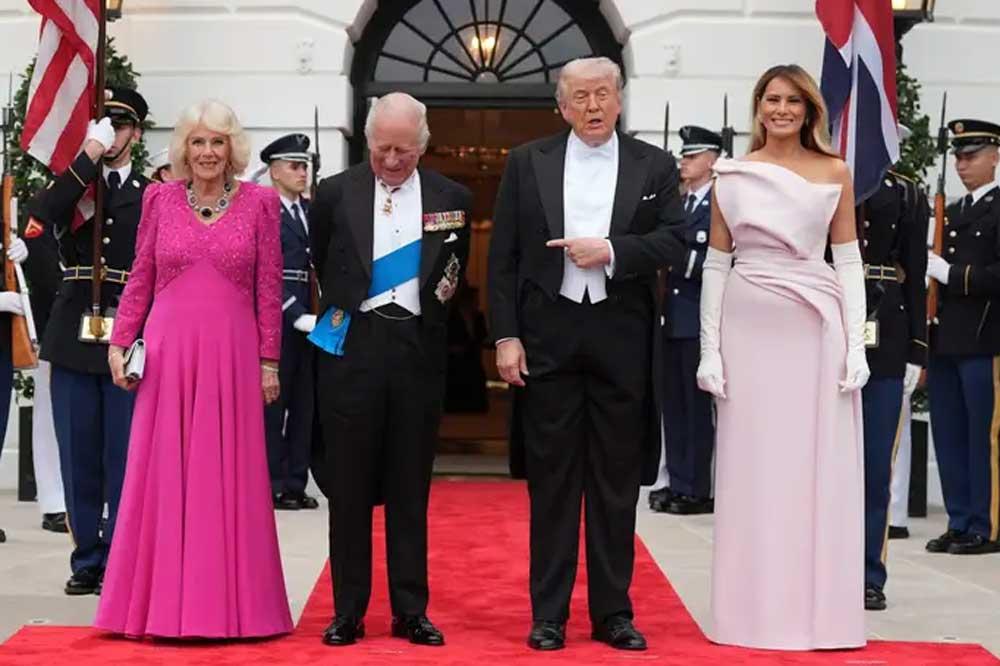
In April 2026, Charles III undertook a landmark visit to the United States that blended ceremony, symbolism, and carefully calibrated diplomacy. The visit, hosted by President Donald Trump at the White House, unfolded at a moment of global uncertainty and shifting alliances. It was not simply a royal tour but a demonstration of how monarchy continues to function as a subtle but powerful instrument of international relations.
The centrepiece of the visit consisted of two speeches delivered on the same day in Washington. One was a formal address to Congress at the Capitol, and the other a shorter but highly symbolic set of remarks at the White House state dinner. Each served a distinct purpose. One spoke to principles and global responsibilities. The other spoke to history, identity, and the enduring cultural ties between two nations whose relationship has evolved from conflict to partnership.
The address to Congress was the more substantive of the two. Delivered in the grand setting of the Capitol, it drew on a long tradition of British monarchs and leaders engaging with American lawmakers. In tone it was measured, reflective, and quietly assertive. Charles spoke of the unique bond between the United Kingdom and the United States, describing it as a relationship shaped by shared values rather than mere convenience. He emphasised democracy, the rule of law, and the responsibilities that come with global influence.
What made the speech particularly notable was its layering. On the surface, it was a reaffirmation of friendship and cooperation. Beneath that, it contained a more nuanced message about the importance of institutional balance and the preservation of democratic norms. Without naming specific policies or controversies, Charles signalled that enduring alliances depend not only on military or economic strength but also on adherence to constitutional principles. It was a reminder delivered with the restraint expected of a constitutional monarch, yet it carried clear weight.
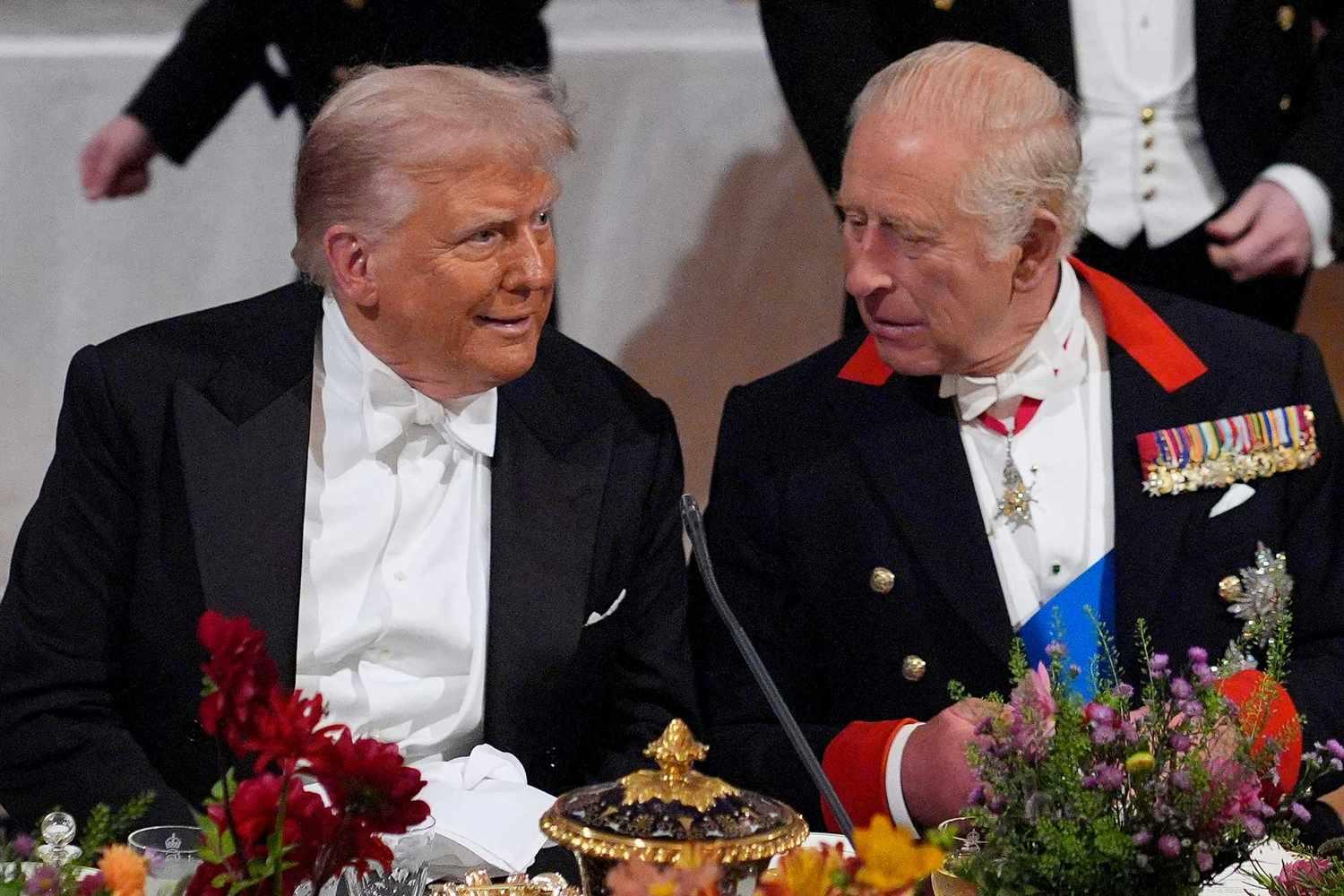
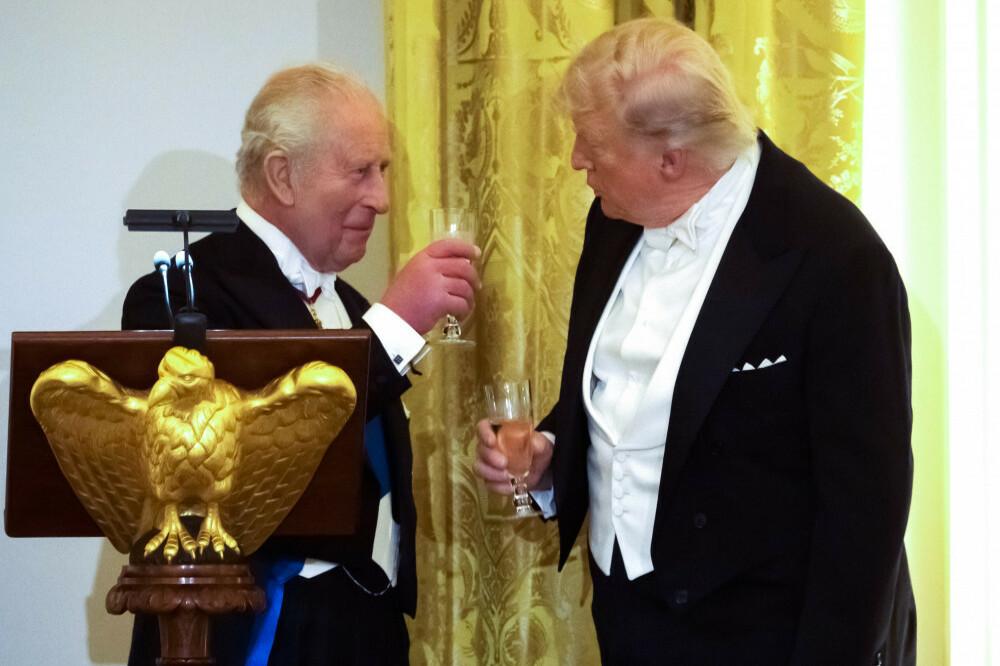
Hours later, the scene shifted to the White House for the state dinner. Here, the atmosphere was markedly different. Where the Capitol demanded gravitas, the White House invited warmth and performance. The speech Charles delivered there was shorter, lighter, and infused with humour. Yet it was no less deliberate. Every line was crafted to reinforce the same relationship described earlier, but through a different register.
One of the most memorable moments came when Charles joked that Americans might today be speaking French had history taken a different turn. The line drew laughter, but it also carried a deeper resonance. It referenced the centuries long rivalry between Britain and France for influence in North America and the contingent nature of historical outcomes. By invoking this alternate scenario, Charles acknowledged that the present day linguistic and cultural ties between Britain and the United States were not inevitable but the result of historical chance and conflict.
The humour worked on several levels. It allowed the King to acknowledge Britain’s colonial past without defensiveness. It gently reminded the audience of the shared linguistic heritage that continues to bind the two countries. At the same time, it avoided triumphalism. The suggestion that Americans could just as easily have been speaking French reframed history as something fluid and unpredictable rather than a story of dominance.
In a diplomatic setting, this kind of humour can be more effective than direct statements, as it invites reflection without confrontation.
The reference also connected to the broader historical imagery Charles used throughout his remarks. He spoke of early American settlements and the long arc of development that led from colonial outposts to an independent republic and eventually to a global partnership with Britain. By invoking places such as Colonial Williamsburg, he anchored the relationship in a tangible past that both nations can recognise, even if they interpret it differently.
Williamsburg in particular carries symbolic weight. It represents the era when British governance shaped the American colonies, a period that ultimately gave way to revolution and independence. By mentioning it in a tone of shared heritage rather than conflict, Charles reframed that history as a foundation for the present relationship rather than a point of division. It was a subtle but important shift. Instead of dwelling on the rupture of 1776, he highlighted the continuity of language, law, and institutional thinking that survived it.
The effectiveness of the White House speech lay in its ability to balance levity with meaning. State dinners are theatrical by nature. They are designed to project unity and goodwill, often through ritual and symbolism. Yet within that framework, there is room for carefully chosen messages. Charles used humour not as an aside but as a central tool. The French language joke, in particular, encapsulated the entire approach of the visit. It was light enough to entertain yet layered enough to carry historical and diplomatic significance.
Taken together, the two speeches offered a comprehensive picture of the United Kingdom’s approach to its relationship with the United States. The address to Congress articulated shared values and responsibilities in a direct and formal manner. The White House remarks translated those same ideas into a more accessible and human form. One spoke to policymakers and institutions. The other spoke to culture and public imagination.
This dual approach reflects the unique role of the British monarchy in international affairs. Unlike elected leaders, the monarch does not set policy. Instead, he embodies continuity and tradition, providing a stable point of reference in a rapidly changing world. This allows for a different kind of engagement. Charles can speak about history, identity, and values in ways that might be more difficult for political figures, who are constrained by immediate agendas and partisan considerations.
The 2026 visit also highlighted the enduring relevance of the so-called special relationship. Despite periodic tensions and differences in policy, the United Kingdom and the United States continue to see themselves as partners with a shared outlook on many global issues. This partnership is reinforced not only through formal agreements and cooperation but also through cultural and historical ties. Language is a central part of that connection, which is why the French joke resonated so strongly. It touched on something fundamental while doing so in a disarming way.
There was also an element of reassurance in the visit. At a time when international alliances are often questioned, the presence of the British monarch in Washington served as a reminder of continuity. The speeches reinforced the idea that the relationship between the two countries is not solely dependent on current leaders or political circumstances. It is rooted in a deeper set of connections that have developed over centuries.
In the end, the success of the visit lay in its ability to operate on multiple levels at once. It was a formal state occasion, a diplomatic engagement, and a piece of political theatre. Through his speeches, Charles managed to address each of these dimensions without allowing one to overshadow the others. The humour about Americans speaking French may have been a brief moment, but it captured the essence of the visit. It acknowledged history, invited reflection, and strengthened a sense of shared identity, all within a single line.
Such moments illustrate why royal visits continue to matter in modern diplomacy. They provide an opportunity to communicate ideas and reinforce relationships in ways that go beyond policy statements and negotiations. In Washington in April 2026, that opportunity was used with precision. The result was a set of speeches that were different in tone but unified in purpose, offering a reminder that even in an age of rapid change, the language of history and humour still has the power to shape international relations.