Israel launches more than 100 strikes across Lebanon in 10 minutes as regional tensions surge.
By: Giselle Gunewardene
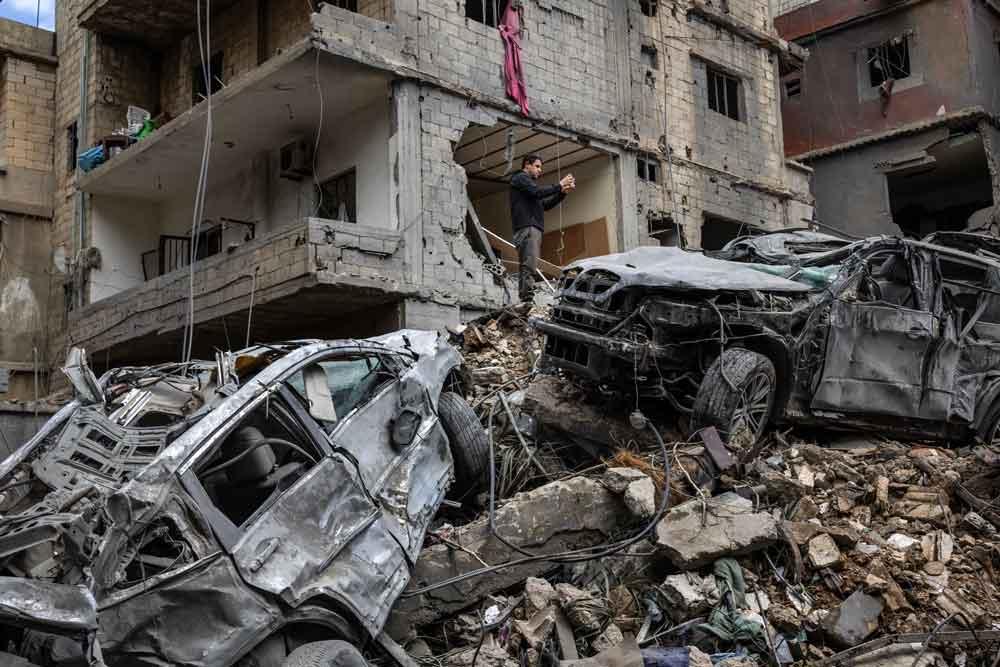
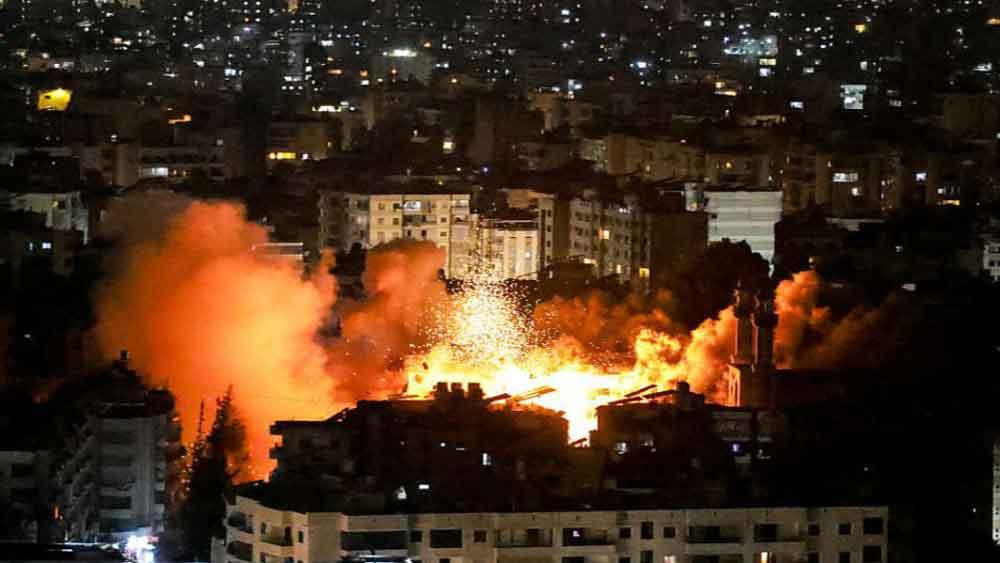
Israel launched more than one hundred strikes across Lebanon within a ten-minute period on Tuesday, hitting targets in Beirut, the Bekaa Valley and the south in what Reuters described as the largest attack on the country in the current phase of the conflict. The Israel Defence Forces said the operation targeted positions linked to the Iran backed group Hezbollah and was based on intelligence indicating imminent threats. Israeli officials said more than one hundred targets were struck in rapid succession, including weapons depots, rocket launch sites and command centres.
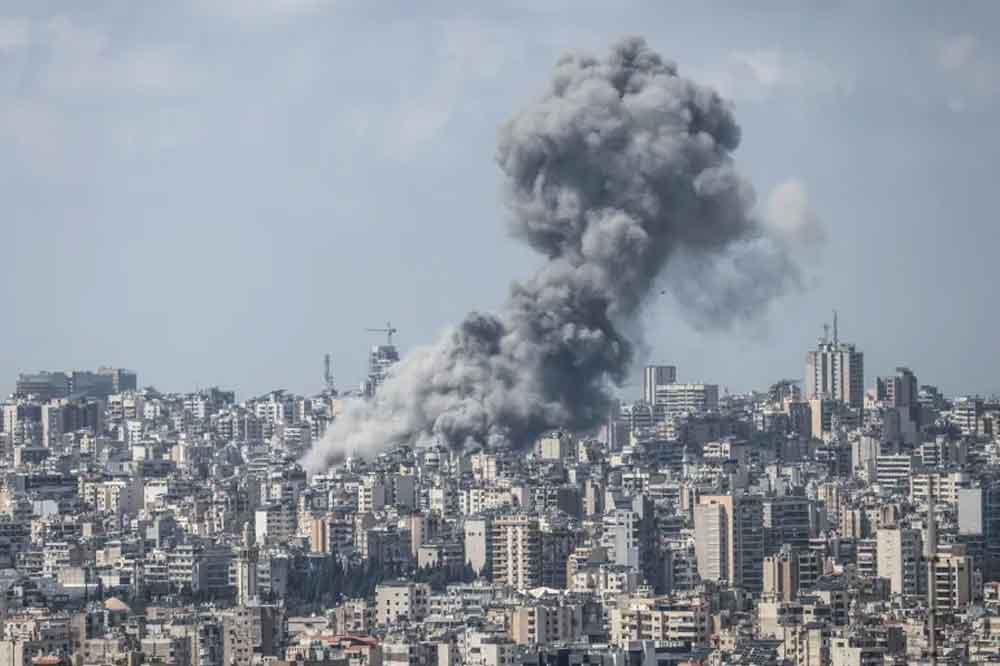
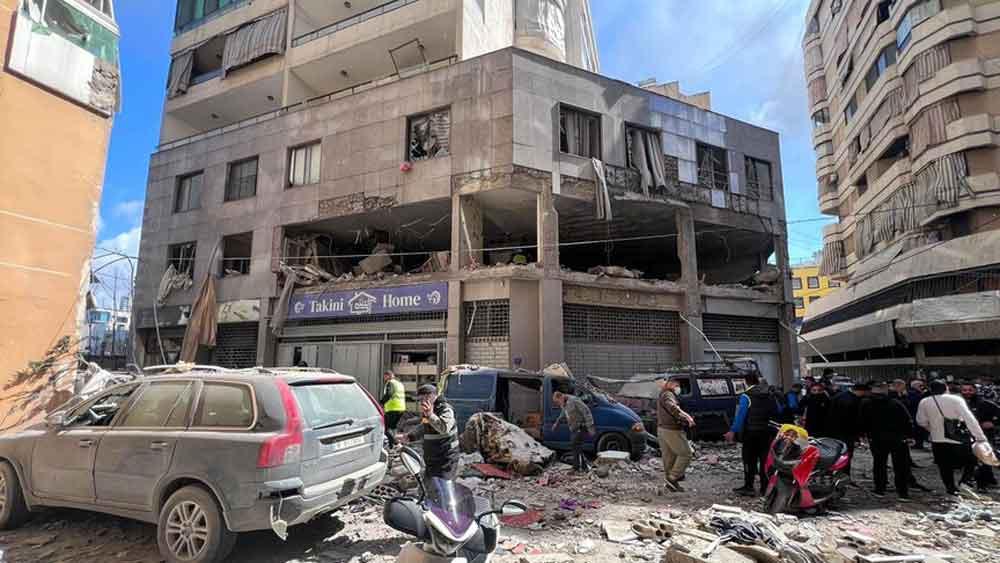
Lebanese authorities reported heavy casualties following the strikes. The health ministry and civil defence said at least 254 people were killed and more than 1,100 wounded. Witnesses described a sustained series of explosions across multiple parts of the country. In Beirut, residents reported hearing repeated blasts within minutes, with smoke rising from several neighbourhoods. Similar scenes were reported in southern Lebanon and in the Bekaa Valley, where strikes were said to have hit a number of locations almost simultaneously.
The speed and scale of the operation mark a significant escalation in the conflict between Israel and Hezbollah, which has intensified in recent weeks through cross border fire. Analysts said the concentrated wave of strikes suggests a tactical effort to overwhelm Hezbollah’s ability to respond or reposition assets. Hezbollah did not immediately issue a detailed statement on the extent of the damage or casualties among its fighters. However, sources close to the group indicated that a number of positions had been hit. The group has previously warned that large scale Israeli attacks would trigger retaliation, raising concerns about the risk of further escalation.
The Lebanese government condemned the strikes and said they constituted a violation of national sovereignty. Officials said they were engaging with international partners and the United Nations to press for de-escalation and to prevent further violence. The United Nations expressed alarm at the scale of the attacks and the reported casualty figures. It urged all parties to exercise restraint and warned that the situation along the border remains highly volatile. Peacekeeping forces operating in southern Lebanon also cautioned that further escalation could occur if hostilities continue.
The strikes took place against a backdrop of rising regional tensions involving Iran, which supports Hezbollah and has been engaged in a broader confrontation with Israel. The escalation has added to uncertainty surrounding the Strait of Hormuz, one of the world’s most important oil shipping routes. Shipping through the Strait of Hormuz remained heavily disrupted following the strikes, according to Reuters. Iran warned that unauthorised vessels could be targeted, increasing concerns about the safety of a corridor through which a significant share of global oil supplies passes. The extent of any formal closure remained unclear.
Global markets reacted to the developments, with oil prices rising amid fears of supply disruption. Shipping companies began reassessing routes through the Gulf, while governments monitored the situation closely. For civilians in Lebanon, the immediate impact was severe. Families in affected areas fled their homes in search of safer locations. Schools and businesses in several regions were closed as authorities urged residents to remain cautious.
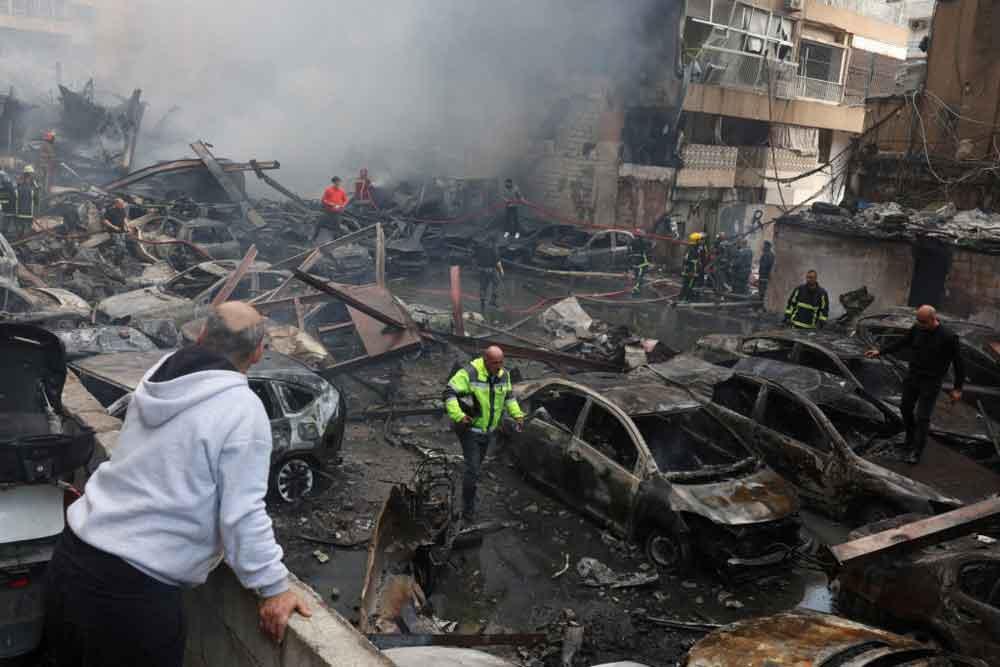
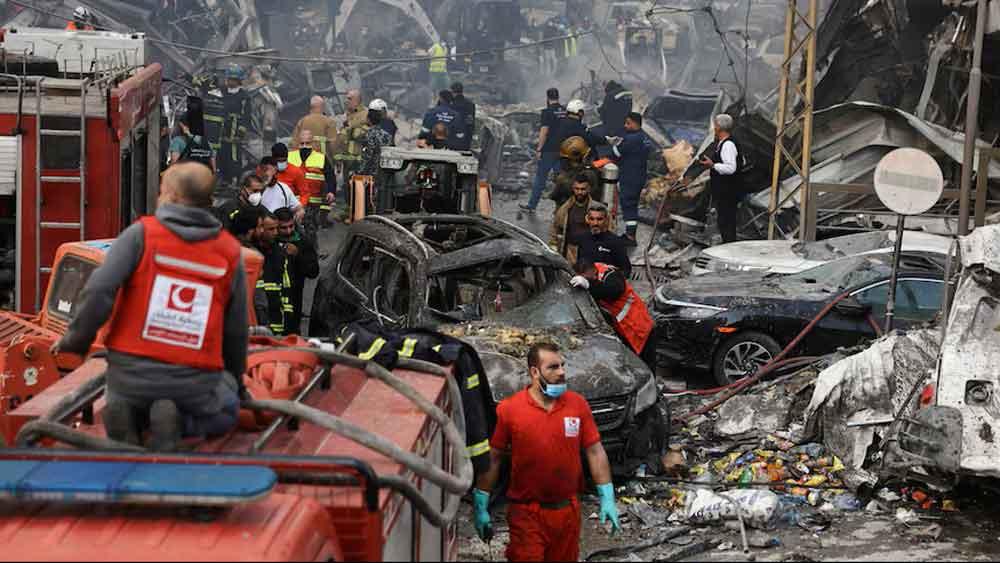
Emergency responders continued search and rescue operations into the evening, working to locate survivors and assist the injured. Damage to infrastructure, including roads and power lines, complicated relief efforts in some areas. Hospitals in Beirut and the south were reported to be operating beyond capacity. Military experts said that while rapid and concentrated strikes can achieve tactical objectives, they also carry significant risks. The speed of the operation may have limited warning for civilians, contributing to the high number of casualties reported by local authorities. Such operations can also increase the likelihood of further retaliation and prolong the conflict. The coming days are expected to be critical in determining the trajectory of the crisis. Much will depend on whether Hezbollah launches a significant response and how Israel reacts. At the same time, developments involving Iran and the Strait of Hormuz will be closely watched by the international community.
Despite ongoing diplomatic efforts, tensions remain high, and the risk of further escalation is significant. The scale of Tuesday’s strikes, combined with the broader regional context, has underscored the fragility of the situation and the potential for the conflict to widen. As rescue teams continue their work and officials assess the damage, the full impact of the ten-minute barrage is still unfolding. For many in Lebanon, the events of Tuesday represent one of the most intense episodes in the conflict to date, with consequences that are likely to extend well beyond the immediate aftermath.