THE INTERNET LOVES SELECTIVE MORALITY.

By: Amantha Perera
A few days ago, I received a lot of backlash for doing a campaign with a sports exchange platform.
- People unfollowed me.
- People made videos about me.
- People suddenly became morality experts overnight.
And honestly, that is fine.
Criticism has never bothered me. Criticism is normal. When you choose to live publicly, work publicly, and build a career online, you automatically accept that people will have opinions about what you do. Some people will support you. Some people will disagree with you. That is part of the game. What fascinated me was not the criticism itself. What fascinated me was the selective outrage surrounding it. Because let us be completely honest for a second. We live in a world where alcohol advertising is considered normal. Fast food brands are marketed aggressively every single day. Influencers vape on camera. Creators promote sugar loaded drinks, unrealistic beauty standards, unhealthy lifestyles, overconsumption, toxic hustle culture, luxury obsession, and products people genuinely do not need.
- Nobody blinks.
- Nobody suddenly gathers online to discuss morality.
- Nobody starts acting like society is collapsing.
- But somehow, this became the line.
Interesting.
And before people deliberately misunderstand this article too, let me make something very clear. I am not here trying to convince anybody to gamble.
- I never told anyone to go make quick money.
- I never encouraged anyone to destroy their life.
- I never promoted addiction.
Every single piece of content clearly mentioned responsibility and 18+ guidelines. The messaging was transparent from the beginning. My approach has always been very simple.
- If you already drink, maybe try this brand.
- If you already eat pork, maybe try this restaurant.
- If you already gamble, maybe use this platform responsibly.
That is it. At no point did I force anything onto anyone.
And let us stop pretending these platforms exist in some secret underground black-market operation. They are publicly visible businesses. There are billboards everywhere. There are television commercials. There are massive sponsorships tied to sports and entertainment. Other creators promote similar companies too. The industry exists publicly and legally whether people personally like it or not.
That is why the outrage started feeling less about ethics and more about internet culture. Because in Sri Lanka especially, we love waves. The second something becomes controversial; everybody suddenly wants to participate in the conversation. Not necessarily because they care deeply about the issue itself, but because outrage performs well online.
- Outrage gets views.
- Outrage gets engagement.
- Outrage gets reposted.
- One person says something.
- Another repeats it louder.
- Then another person turns it into a dramatic video.
Suddenly everybody becomes morally superior for two days until the next trending topic arrives, and the entire internet moves on like nothing happened. That is the cycle. And honestly, social media has trained people to think reaction equals intelligence. The louder the outrage, the more morally correct people think they are. Nuance disappears. Context disappears. Rational discussion disappears. Everything becomes black or white.
- Good or evil.
- Approved or cancelled.
- And that is exactly the problem.
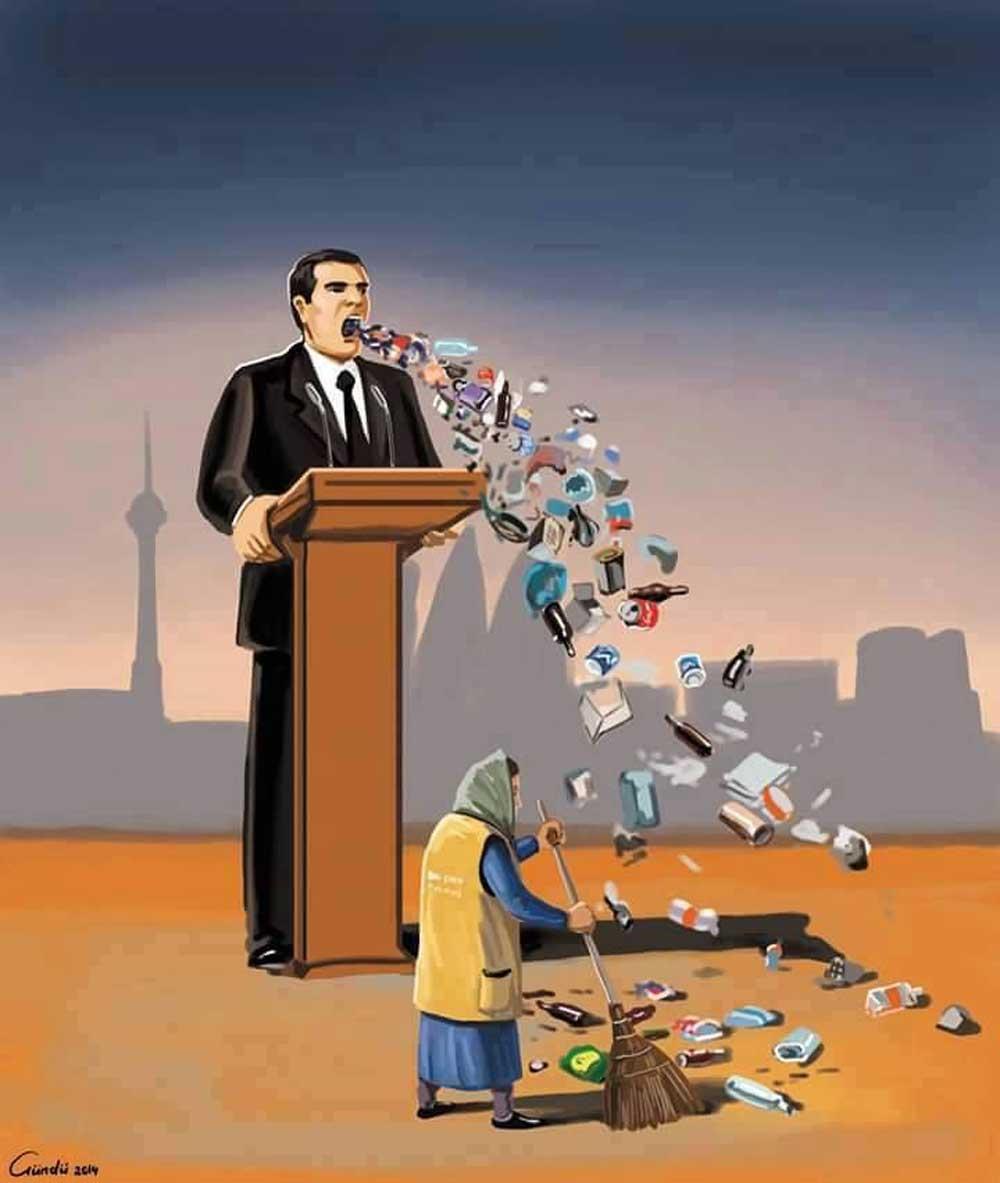
Because if we are genuinely going to sit down and discuss ethics in marketing, then let us actually have the full conversation instead of choosing convenient topics whenever the internet needs entertainment.
- Is promoting alcohol ethical?
- Is promoting junk food ethical at a time when obesity, diabetes, and health issues are rising globally?
- Is promoting unrealistic lifestyles ethical when so many young people already struggle with insecurity and comparison?
- Are fairness creams ethical?
- Are payday loans ethical?
- Are luxury casinos inside five-star hotels ethical?
- Are influencers promoting products they do not even personally use ethical?
- Are influencers selling fake lifestyles ethical?
- Are brands profiting from insecurity ethical?
Because if ethics is truly the conversation, then we cannot selectively apply morality depending on what is trending that week. The reality is that almost every industry contains some kind of moral grey area depending on who you ask.
- Some people believe alcohol should never be promoted.
- Some people believe gambling should never be promoted.
- Some people believe fast food companies should not market aggressively to children.
- Some people believe luxury culture itself is unethical in a country facing economic struggle.
Everyone draws their line somewhere. And creators are no different.
- Some creators refuse alcohol campaigns.
- Some refuse betting platforms.
- Some refuse political campaigns.
- Some refuse beauty products.
- Some take all of them.
That line is personal. And whether people like hearing it or not, creators navigate opportunities the same way businesses do every day. Every industry operates within systems that contain ethical debates somewhere beneath the surface. That does not mean society suddenly stops functioning. It means adults make choices. And this is another uncomfortable truth people do not like hearing online. Personal responsibility still exists. The internet has slowly become a place where people want creators to function as parents, therapists, teachers, governments, and religious institutions all at once. That is unrealistic.
- Creators are not parents.
- We are not governments.
- We are not religious institutions.
- We are individuals creating content and partnering with brands within legal industries.
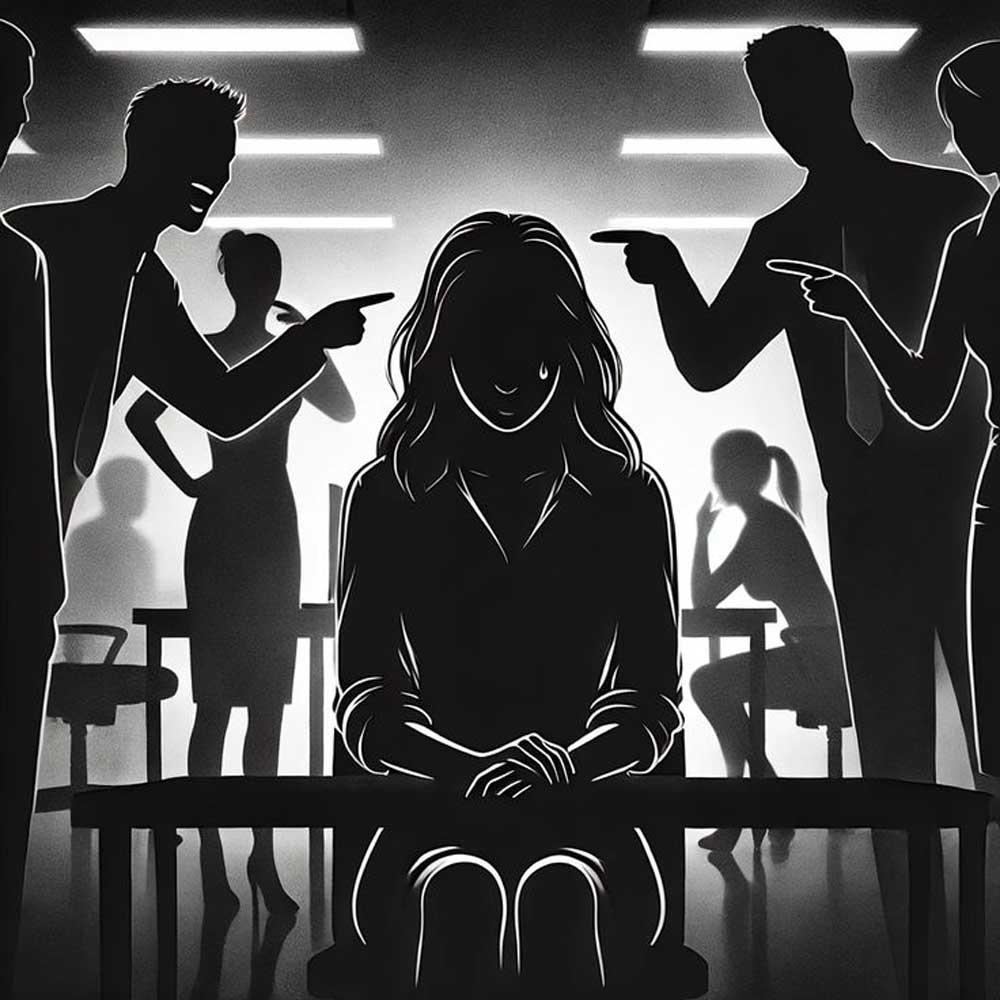
People still have agency over their own decisions. If somebody watches one advertisement online and immediately destroys their entire life because of it, then the issue goes far deeper than a creator partnership. And this applies to everything.
- People can develop unhealthy relationships with alcohol.
- People can develop unhealthy relationships with food.
- People can develop unhealthy relationships with shopping.
- People can develop unhealthy relationships with social media itself.
Addiction and poor decision making are real issues, but pretending creators alone are responsible for every individual choice people make is simply unrealistic. Another thing I noticed during all this backlash was how quickly people simplify complicated conversations into emotional one liners. That is the internet now. Nobody wants nuance anymore because nuance does not perform well online. A balanced opinion does not go viral. Complexity does not get engagement. Outrage does. And sometimes people are not even reacting to the actual issue anymore. They are reacting to the performance of outrage itself because being publicly angry online has become a form of social currency.
- People want to look morally aware.
- People want validation from strangers.
- People want to join whichever side currently appears socially acceptable.
And the funny part is that many of the same people screaming online about ethics selectively ignore every other questionable thing they consume daily. That is why the hypocrisy becomes impossible to ignore. Some people criticizing betting ads proudly promote excessive drinking culture every weekend. Some people criticizing influencers for sponsorships actively support brands built on unrealistic beauty standards.
Some people attacking creators for one campaign have no issue watching celebrities endorse alcohol companies during prime-time television. Selective morality is still hypocrisy even when it is packaged as activism. And this is where the conversation becomes uncomfortable because people do not like consistency when consistency forces them to question their own behaviour too.

It is always easier to point fingers outward. It is always easier to act morally superior online. But real ethical conversations require consistency. They require honesty. They require acknowledging that modern consumer culture itself is filled with contradictions. Nobody is fully clean. Nobody participates in modern capitalism without engaging with some form of ethical grey area somewhere along the line. That is reality. And acknowledging reality is not the same thing as endorsing harm. That distinction matters. Saying “if you choose to do this, do it responsibly” is not the same thing as forcing people to do it. Acknowledging that legal industries exist is not the same thing as encouraging addiction. Understanding nuance is not the same thing as lacking morality. But unfortunately, the internet is no longer designed for nuanced discussions. It is designed for instant emotional reactions.
- People see one clip.
- One screenshot.
- One headline.
And suddenly they believe they fully understand somebody’s character, intentions, and morality. That is dangerous. Because once outrage becomes entertainment, people stop caring about fairness altogether. They just want participation. At the end of the day, people are completely free to disagree with my decision. That is their right. Not everybody has to support every campaign or every creator. Different people will always have different moral boundaries.
I respect that. But if outrage is going to exist, then at least let it be consistent. At least apply the same standards across every industry instead of selectively choosing targets whenever the internet gets bored. Because selective morality is still hypocrisy even when it trends well online. And that is the real No BS truth.