Fashion Wants Movement Again
For the past few years, fashion has been obsessed with control. Clean lines, precise tailoring, monochrome palettes and ultra minimal silhouettes dominated both runways and social media feeds. The era of quiet luxury encouraged restraint in every possible form. Polished blazers, structured trousers, sleek hair and carefully curated neutral wardrobes became symbols of taste and status. Clothing appeared almost motionless in its perfection, as though every crease and fold had been disciplined into place. Even beauty reflected this desire for control. The rise of the clean girl aesthetic celebrated simplicity, symmetry and refinement to the point of near sterility. Skin glowed without shine, hair remained perfectly slicked back and makeup became so minimal it was meant to look invisible.
But this summer, fashion is beginning to loosen its grip.
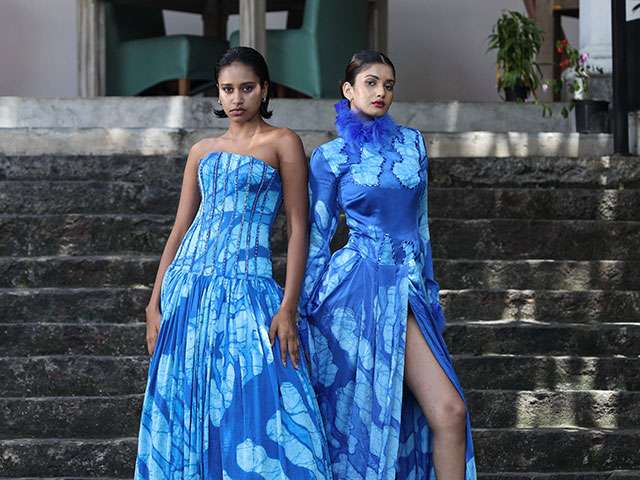
Across recent collections, a noticeably different mood has emerged. It feels softer, freer and far more emotional. Designers are moving away from rigid structure and embracing movement instead. Fringe swings with every step, chiffon drapes softly across the body, tassels trail behind silhouettes and fabrics ripple instead of sculpt. Clothing no longer feels static or frozen in place. It moves, breathes and reacts.
Fashion wants movement again.
What makes this shift so compelling is that it reflects a deeper transformation in how people want to feel in their clothes. After years of polished minimalism, consumers are craving emotion, sensuality and escapism. There is a growing rejection of fashion that feels too perfect, too calculated or overly controlled. Instead, the new idea of luxury lies in fluidity. It exists in garments that capture motion, energy and individuality rather than rigid perfection.
On the runway, this change has translated into collections filled with liquid fabrics, soft draping and silhouettes designed to move naturally with the body rather than constrain it. At Chloé, sheer layers and flowing dresses floated around the models as they walked, creating an almost dreamlike softness. Saint Laurent introduced dramatic draped silhouettes that carried an effortless sensuality, while Loewe continued exploring sculptural forms softened through texture and motion. Even eveningwear feels less rigid this season. Instead of heavy glamour and overt structure, designers are favouring pieces that shimmer, sway and shift under light.
There is something undeniably emotional about clothing that moves. A dress that catches the wind or a sleeve that ripples as someone walks creates a feeling that static tailoring simply cannot replicate. Movement adds personality to clothing. It allows garments to interact with the body rather than simply sit on it. In many ways, fashion is rediscovering romance, not in an overly nostalgic sense, but through the idea that clothes should evoke feeling instead of merely projecting status.
Fringe, in particular, has made a major return. Once associated mostly with bohemian festival dressing or vintage western influences, it now feels elevated, cinematic and sophisticated. Long strands of embellishment appear on dresses, handbags, skirts and jewellery, creating movement with every gesture.
Rather than functioning as decoration alone, fringe becomes part of the garment’s identity. It changes the way clothing interacts with the body and transforms even the smallest movement into something expressive.
This return to movement also reflects a broader cultural shift. Over the past several years, fashion often prioritised appearing composed and untouchable. Quiet luxury, while elegant, was deeply rooted in the performance of control. Everything about it suggested discipline. Outfits were carefully neutral, silhouettes remained restrained, and styling avoided anything too emotional or expressive. The aesthetic communicated wealth through subtlety and understatement, but it also created a kind of emotional distance.
Now, that distance is beginning to soften.
People no longer want clothing that simply signals status or perfection. They want clothing that feels alive. There is a growing appetite for fashion that feels instinctive rather than engineered. Soft fabrics, flowing silhouettes and textured movement bring a sense of humanity back into dressing. The mood feels less corporate and more personal.
Ruffles and draping are also returning, but in a far more refined way than the hyper feminine versions seen in previous years. This season’s ruffles feel softer and more architectural, adding dimension and movement without overwhelming the silhouette. Draping, meanwhile, creates a sense of ease that sharply contrasts with the stiff tailoring that dominated post pandemic fashion. Fabrics gather, twist and fall naturally across the body, creating silhouettes that appear effortless rather than heavily constructed.
What makes these softer silhouettes particularly interesting is the way they approach sensuality. Fashion’s renewed fascination with sensual dressing no longer relies on overt glamour or hyper sexualised styling. Instead, sensuality has become quieter, more intimate and more atmospheric. Open backs, sheer textures, flowing skirts and liquid fabrics reveal movement rather than simply revealing skin. The effect feels cinematic, as though clothing is designed not just to be photographed but experienced in motion.
That cinematic quality is important. Fashion today exists as much in motion as it does in still imagery. Social media has fundamentally changed the way clothing is consumed and understood. In the age of video first fashion, movement matters more than ever. Clothing that sways, ripples or catches light naturally performs better on screen. A flowing dress moving through a city street creates far more emotional impact than a static minimalist outfit posed in front of a mirror.
Reels, backstage videos and campaign films have become central to how fashion is experienced online. As a result, designers are increasingly creating clothing that comes alive through motion. Fabrics that shimmer under changing light, skirts that float while walking and embellishments that move dynamically all create stronger visual storytelling in digital spaces.
This shift also explains why fashion suddenly feels more emotional again. During the peak of minimalism, so much emphasis was placed on appearing effortless that clothing sometimes lost its sense of fantasy. The obsession with neutrals, basics and restraint often removed personality from dressing. While quiet luxury celebrated sophistication, it also encouraged sameness. Wardrobes became increasingly interchangeable, shaped by identical beige palettes, clean silhouettes and understated styling.
Now, fashion seems ready to embrace individuality again.
Movement naturally introduces unpredictability into clothing. A draped fabric will never fall the exact same way twice. Fringe moves differently depending on the body wearing it. Sheer layers catch light uniquely in every environment. These details make fashion feel more personal and less controlled. They allow for spontaneity, which is perhaps exactly what people are craving after years of visual uniformity.
There is also an escapist quality to this return of movement. Flowing fabrics, sheer layers and soft silhouettes evoke freedom, travel and emotion in a way that structured minimalism rarely could. Fashion no longer wants to appear cold or inaccessible. Instead, it wants to feel immersive and emotionally resonant. Clothing is becoming atmospheric again.
This can even be seen in colour and texture choices. While neutrals still exist, many collections are embracing softer palettes, translucent fabrics and tactile surfaces that enhance the feeling of motion. Satin reflects light as the body moves, chiffon lifts with the wind and metallic embellishments shimmer dynamically rather than remaining fixed. Every detail contributes to the idea that clothing should feel fluid and alive.
Importantly, this shift does not necessarily mean minimalism is disappearing entirely. Rather, fashion is evolving beyond rigidity. The clean lines and simplicity of recent years are being softened through movement, texture and emotion. Tailoring still exists, but it feels less severe. Eveningwear still embraces glamour, but in a lighter and more fluid way. The overall mood is no longer about perfection. It is about feeling.
Perhaps that is why this transition feels so refreshing. After seasons dominated by restraint and polished control, fashion is finally allowing itself to breathe again. Designers are rediscovering the beauty of imperfection, fluidity and emotional expression. Clothing no longer needs to remain perfectly still to appear luxurious. In fact, the opposite now seems true. The most desirable garments are the ones that move effortlessly with the body and create emotion through motion.
Fashion has always reflected the emotional climate of the moment. Right now, people seem less interested in projecting untouchable perfection and more interested in embracing softness, individuality and freedom. The return of movement signals a desire for clothing that feels human again.
After years of restraint, fashion is finally allowing itself to move.
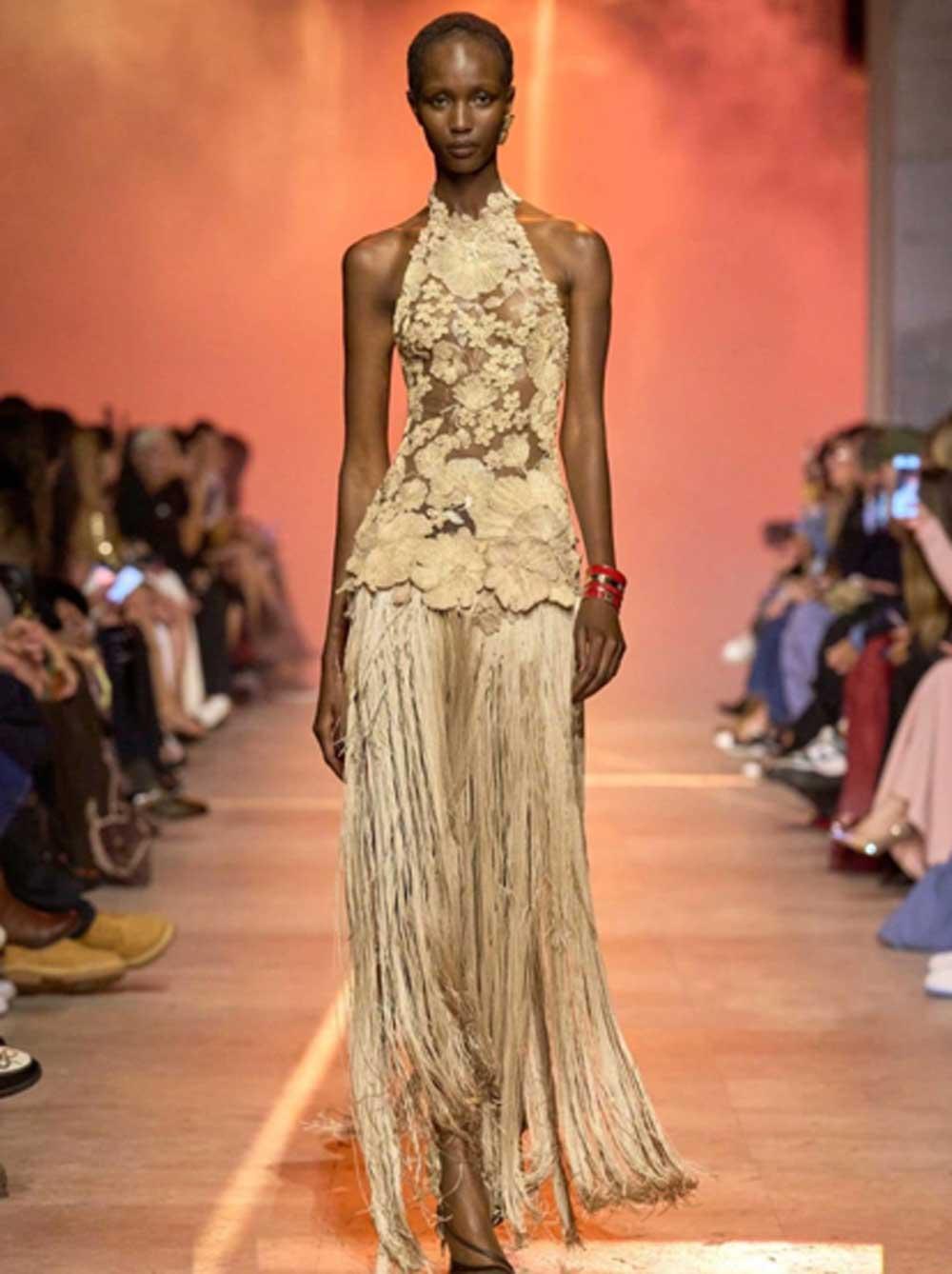
ELLIE SAAB
SS26
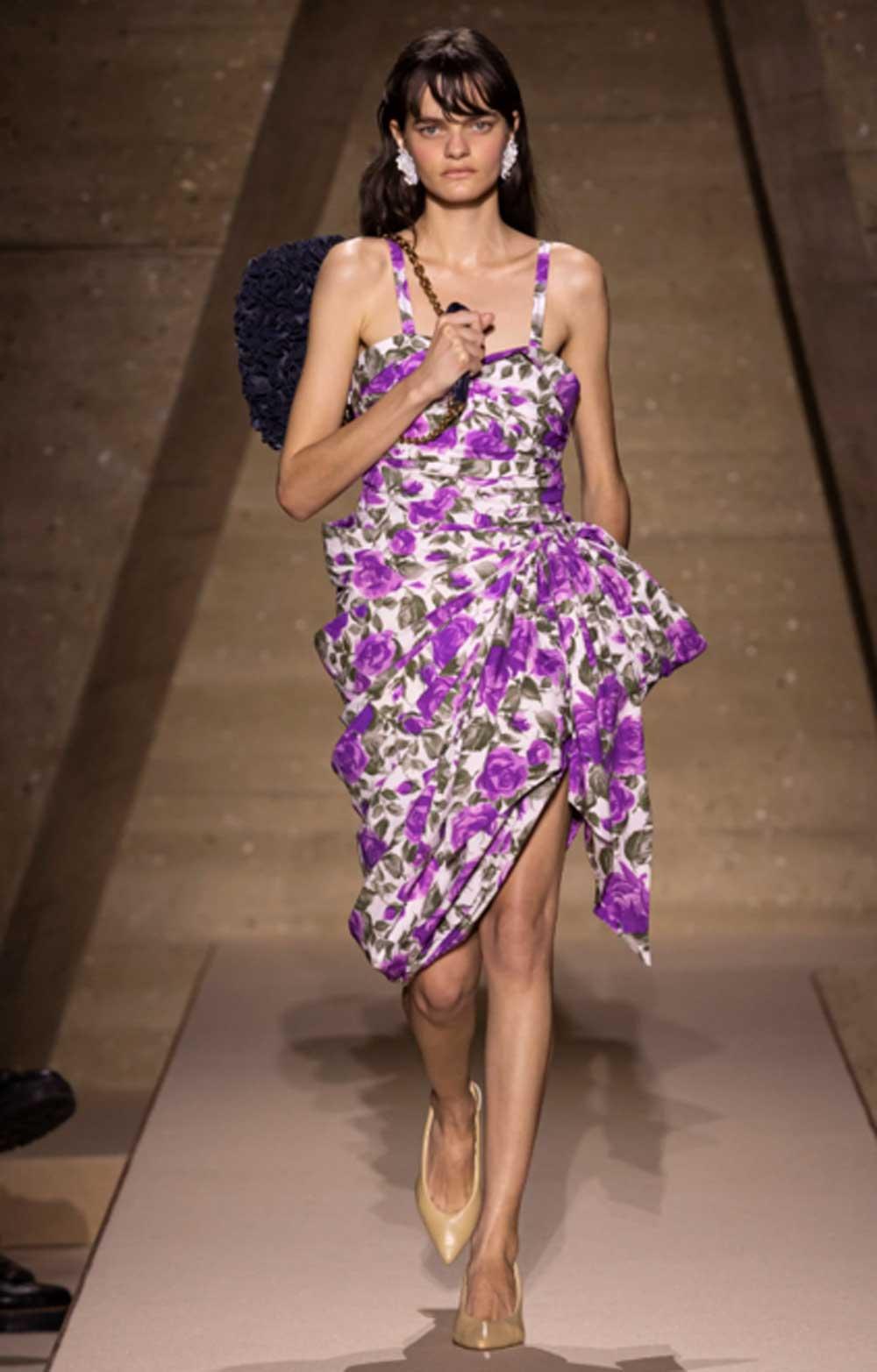
CHLOE
SS26
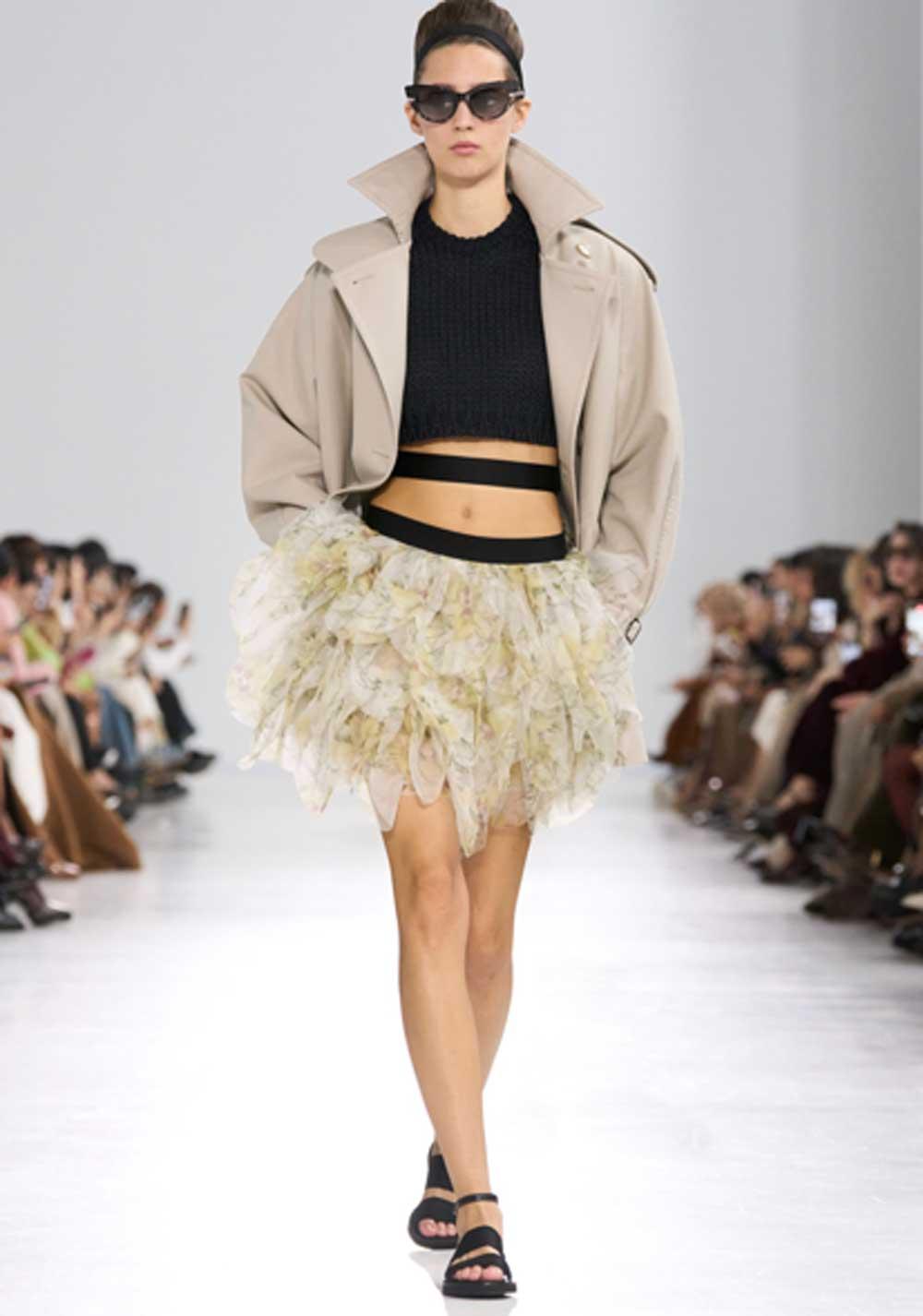
MAX MARA
SS26