Why Beautiful Clothes No Longer Feel Aspirational
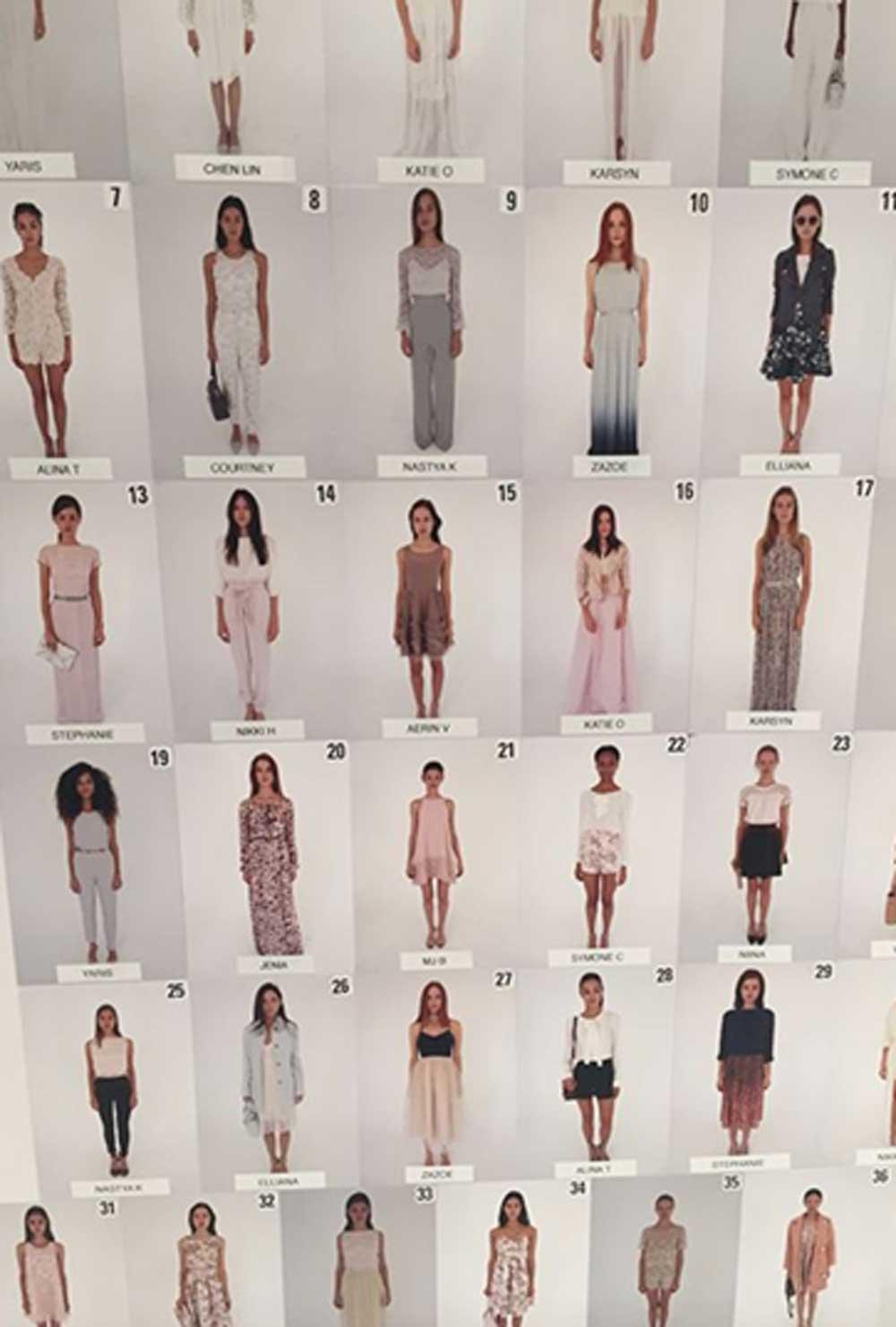
Fashion has never looked more beautiful. Every day, our feeds overflow with cinematic runway moments, impossibly elegant campaign imagery, and perfectly curated wardrobes that feel closer to visual art than ordinary life. We save these images instinctively. A satin dress gliding down a marble staircase beneath golden light. A woman in oversized sunglasses walking through Paris in monochrome tailoring. The effortless luxury of an oversized blazer draped over bare skin. Fashion today is visually intoxicating in a way that feels almost impossible to escape. And yet, despite all this beauty, something fundamental has shifted. People are looking at fashion more than ever before but emotionally investing in it far less. The fantasy remains alive. The aspiration behind it has changed.
For decades, fashion operated on a simple but powerful promise. If you bought the clothes, you bought into the life attached to them. Luxury represented transformation. A handbag symbolised success. A designer dress suggested glamour, confidence, freedom, status. Fashion sold more than garments. It sold identity, reinvention, and access to a particular world. Today, consumers understand the machinery behind that fantasy far more clearly than previous generations ever did. Social media has changed the relationship between audiences and fashion entirely. Traditional magazines once preserved a sense of mystery around the industry. Images appeared polished, distant, and untouchable. What existed behind the scenes remained largely hidden. Now, nothing stays hidden for long. We no longer see only the final image. We see the content strategy behind it. We see the sponsorships, affiliate links, brand deals, paid partnerships, staged candid moments, endless gifting cycles, and the constant pressure to produce something visually new. The illusion of effortless glamour has become increasingly difficult to separate from the commercial ecosystem supporting it.
In many ways, fashion became too visible to remain aspirational in the way it once was. The rise of haul culture accelerated this transformation even further. Constant consumption slowly stripped clothing of emotional weight. When trends move weekly rather than seasonally, garments lose permanence. They stop feeling like cherished objects and begin functioning as temporary visual content. Pieces are worn for a single post, a single event, or a single trend cycle before disappearing into irrelevance.
As fashion sped up, emotional attachment slowed down. Consumers today are significantly more selective than they once were. They are more emotionally cautious with their purchases, more aware of waste, and more conscious of longevity. Rather than endlessly chasing novelty, many people are beginning to prioritise personal meaning, versatility, and emotional durability. This is perhaps why outfit repetition, once treated almost as a social embarrassment, has quietly become stylish again. The most compellingly dressed women today are often not the ones unveiling entirely new wardrobes every week. They are the ones with a recognisable point of view. Their style feels lived in rather than constantly replaced. Personal style itself has become more aspirational than trend participation. There is a noticeable shift away from dressing for novelty and toward dressing for identity. At the same time, aspiration itself is evolving. Increasingly, consumers are moving away from ownership-based aspiration toward atmosphere-based aspiration. People do not always want the exact handbag, coat, or dress they see online. What they truly want is the feeling the image creates.
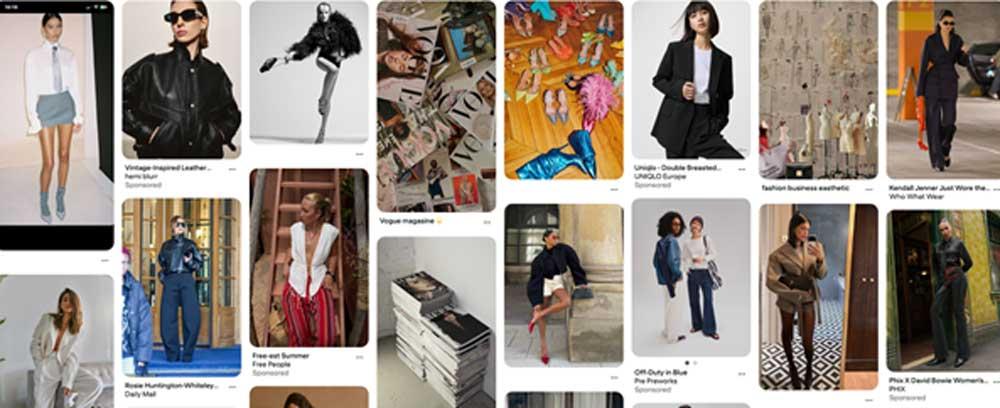
A slow morning in a linen shirt at a café in Copenhagen. Gold jewellery against sun kissed skin during a European summer. An oversized wool coat and headphones while walking through New York alone at night. A white cotton dress moving through the breeze on a quiet Mediterranean afternoon. Fashion is becoming less about acquisition and more about emotional world building. This shift explains why platforms like Pinterest have become so culturally influential. Much of modern fashion consumption is now entirely aesthetic. People save images not because they intend to purchase the exact products featured, but because they are collecting moods, atmospheres, identities, and fragments of the life they want to embody. The mood board has, in many ways, replaced the shopping cart. The image itself has become the product.
This is also why fashion content often performs better online than fashion retail. People still crave visual beauty and inspiration. They still want to emotionally participate in fantasy. But participation no longer necessarily requires ownership. Looking can sometimes feel just as satisfying as buying. Economic realities also play a role in this shift. Younger consumers especially are navigating rising living costs, financial uncertainty, and changing priorities around spending. Luxury fashion remains visually desirable, but increasingly difficult to justify emotionally. A designer top may feel excessive in an era where people are becoming more mindful about what truly improves their lives. As a result, consumers are investing more heavily in categories that feel emotionally lasting. Jewellery, beauty, skincare, interiors, travel, wellness, and dining experiences are all benefiting from this shift. These purchases often provide either permanence, memory, ritual, or a deeper sense of emotional return.
- A signature scent becomes associated with a chapter of life.
- A timeless gold necklace gains sentimental value over time.
- A beautiful dinner becomes a memory attached to people and conversation.
- A skincare ritual creates comfort and familiarity within daily life.
These forms of luxury feel more intimate and emotionally sustainable than constant wardrobe turnover. There is also growing fatigue surrounding performative luxury. The era of dressing loudly for online validation feels noticeably less attractive than it did only a few years ago. Overt displays of wealth increasingly feel disconnected from the emotional realities many people are experiencing. Instead, fashion is moving toward subtlety, intimacy, and personal resonance.
Quiet luxury became popular not only because of aesthetics, but because it reflected a broader emotional shift. Consumers began gravitating toward clothing that felt calm rather than attention seeking. Pieces that communicated self-assurance instead of spectacle. Fashion stopped becoming solely about being seen by everyone and started becoming more about feeling aligned with yourself. Interestingly, this does not mean people care less about fashion. If anything, they care more deeply than before. The relationship has simply become more introspective. Consumers are asking different questions now.
- Not “Does this look expensive?”
- But “Does this feel like me?”
- Not “Will this impress people?”
- But “Will I still love this in three years?”
- Not “Is this trending?”
- But “Does this fit into the life I actually want?”
That emotional recalibration is changing the industry in subtle but important ways. Brands can no longer rely purely on aspiration through exclusivity or status. Consumers today are highly visually literate. They recognise marketing performance almost instantly. They understand the mechanics behind influence culture. Authenticity has become harder to manufacture because audiences have become exceptionally skilled at identifying curation. As a result, emotional credibility matters more than ever.
Fashion today succeeds when it creates emotional atmosphere rather than simply presenting products. The brands resonating most strongly are often the ones capable of building worlds people want to emotionally inhabit. They sell feeling before function. Atmosphere before ownership. Identity before trend. This is why storytelling remains central to fashion’s power, even as purchasing behaviour changes. A campaign image can still stop someone mid scroll. A runway collection can still evoke longing. A beautifully styled editorial can still create emotional impact powerful enough to linger for days.
The emotional connection to beauty has not disappeared. What has changed is the way people engage with it. Modern aspiration feels softer, quieter, and more internal than it once did. Consumers are no longer automatically chasing the fantasy presented to them. Instead, they are selectively extracting pieces of it that align with their own emotional realities. They want inspiration without necessarily wanting excess. Beauty without pressure. Luxury without performance. Fashion, ultimately, is no longer simply selling clothing. It is selling emotion, atmosphere, identity, and the possibility of becoming closer to the version of ourselves we imagine privately. Perhaps that is why runway imagery continues to captivate us so powerfully even while retail conversion becomes increasingly difficult. We are still deeply drawn to fantasy. We still crave elegance, beauty, glamour, and transformation. But modern aspiration is no longer entirely rooted in ownership.
It is rooted in emotional participation. People do not always need to buy the fantasy to feel connected to it. Sometimes saving the image is enough. Sometimes wearing one meaningful piece is enough. Sometimes simply imagining the life attached to the image satisfies the desire itself. The dream has not disappeared. It has simply become more personal.