Closure Doesn’t Exist Anymore, Only “Seen”

By Noeli Jesudas
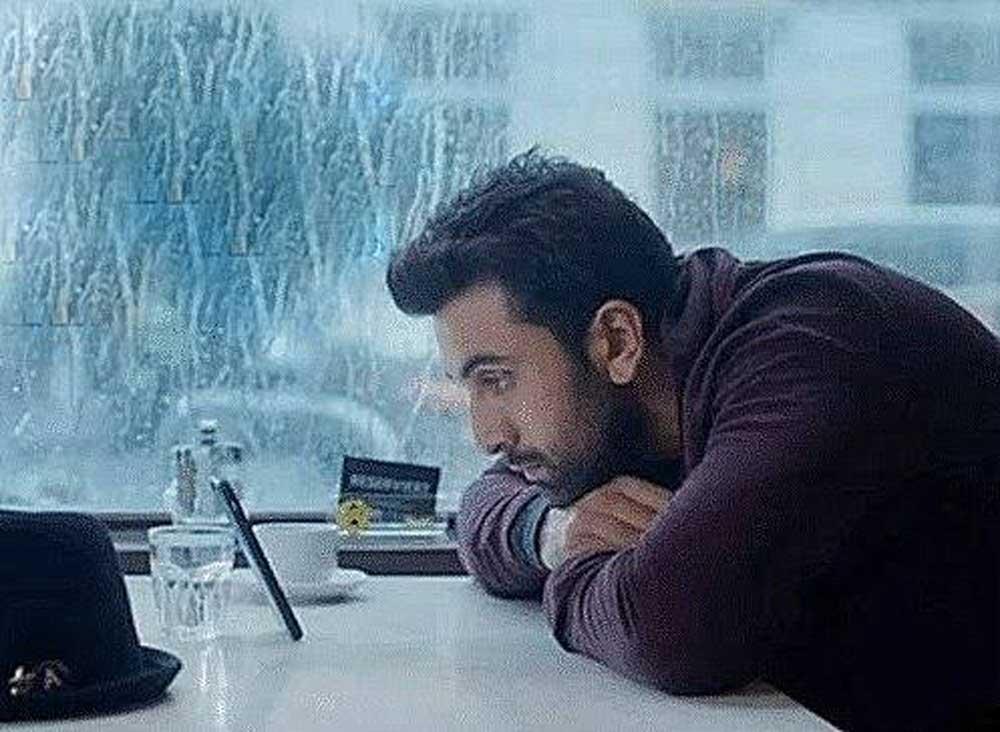
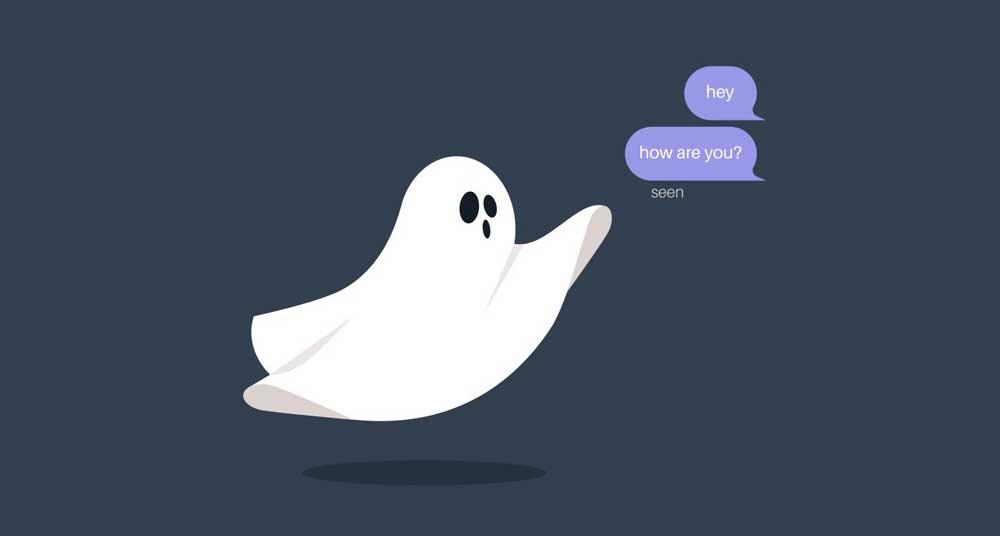
There was a time when endings felt clearer. Conversations reached conclusions. Relationships ended with words. Even silence carried meaning. It could signal distance, hesitation, disappointment, or dignity. People may not always have received the ending they wanted, but they usually understood that an ending had taken place. Today, however, modern endings feel very different. They rarely arrive through a direct conversation. Instead, they appear quietly through a notification. A message is sent. It is delivered. It is opened. And then there is nothing. No reply. No explanation. No acknowledgement. Only that small digital confirmation sitting beneath the message: Seen.
In an era dominated by instant communication, we are more connected to one another than any generation before us. Messages travel across continents within seconds. Voice notes replace long phone calls. Entire friendships, relationships, and emotional experiences unfold inside chat windows. Technology allows people to remain constantly reachable, constantly visible, and constantly aware of one another’s presence. Yet despite this hyperconnectivity, the way people end relationships has become increasingly unclear, unresolved, and emotionally exhausting. Closure, once considered a difficult but necessary part of human interaction, has slowly been replaced by absence. More specifically, by an absence that technology makes visible. The psychology behind this shift is both simple and unsettling. Digital communication has dramatically reduced the effort required to avoid confrontation. In the past, disappearing from someone’s life demanded action. You had to avoid physical places, ignore repeated calls, or intentionally distance yourself from shared social circles. Avoidance required energy and commitment.
Today, all it takes is not replying. One decision. One ignored message. One silent moment stretched indefinitely. But silence in the digital age is no longer neutral. It carries emotional weight in ways silence once did not. A message left unanswered no longer feels like uncertainty alone because technology removes part of the mystery. We know the message was delivered. Often, we know it was opened. Sometimes we even know exactly when it was read. And that changes everything.
When someone leaves a message on seen, it creates a question that lingers far beyond the conversation itself. Did they read it and deliberately choose not to respond? Are they busy? Are they overwhelmed? Are they upset? Are they unsure what to say? Or have they simply decided the conversation no longer deserves an answer? The lack of clarity forces people into endless interpretation. They begin analysing details that would once have gone unnoticed. The timing of replies. The punctuation used in previous messages. The emotional tone of earlier conversations. The time someone was last active online. Whether they viewed a story but ignored a text. Modern communication has transformed silence into something deeply psychological. Technology provides visibility without understanding. We can see activity, but we cannot access intention. And in the gap between information and meaning, anxiety grows.
What makes the seen notification particularly emotionally powerful is that it imitates closure without ever truly providing it. It creates the illusion of an endpoint. The message reached its destination. The other person acknowledged its existence. On the surface, the interaction appears complete. But emotionally, nothing has actually been resolved. There is no explanation. No conversation. No emotional conclusion. Only an unfinished pause suspended in digital space. For many people, this has fundamentally reshaped what rejection looks like. Rejection today is often passive rather than explicit. And in many ways, passive rejection can feel harder to process than direct honesty.
A clear rejection, while painful, offers certainty. It gives people something concrete to understand. It allows disappointment to move through its natural stages. There is sadness, frustration, acceptance, and eventually healing. Clarity provides direction, even when the answer hurts. Being left on seen exists in a far more complicated emotional territory. It is neither a complete yes nor a complete no. It leaves space for interpretation and therefore leaves space for hope. And hope, when attached to uncertainty, can become emotionally exhausting. People continue checking their phones. Re reading conversations. Looking for signs. Waiting for replies that may never come. The silence becomes its own form of communication, but one that remains painfully open ended. This dynamic is especially visible within modern dating culture, where relationships increasingly exist inside undefined emotional spaces. Terms like talking stage, situationship, and casual connection reflect a generation navigating intimacy without clear structure. Many modern relationships begin without labels and often end without them as well.
When there are no clearly defined boundaries, endings become harder to identify. A relationship does not always officially end. Sometimes it simply fades. Replies become slower. Conversations become shorter. Interest gradually disappears without ever being openly acknowledged. And because nothing definitive is said, people struggle to understand when they are truly supposed to let go. Within this environment, ghosting has become remarkably normalised. Disappearing without explanation is no longer treated as shocking behaviour. In many cases, it is expected. People joke about it online. They prepare themselves for it emotionally. They discuss it as an unavoidable part of modern dating culture. But normalisation does not make something harmless. Repeated experiences of unresolved endings slowly influence how people approach emotional connection itself. Individuals become more guarded. More cautious about expressing vulnerability. More hesitant to invest emotionally in people who may disappear without warning. Over time, this creates a culture where emotional self-protection often takes priority over openness. The impact extends far beyond romance.
Friendships are also increasingly shaped by ambiguous communication. Messages go unanswered for days. Plans quietly disappear without confirmation. Emotional misunderstandings grow through delayed replies and digital distance. Professional communication has similarly become affected by this culture of passive silence. Emails remain unanswered. Conversations stall without explanation. Clarity is often replaced by avoidance. Even family relationships are not immune to this shift. Small moments of unanswered communication accumulate over time. A missed message here. A delayed reply there. Gradually, emotional distance grows not necessarily through conflict, but through absence.
There is also a broader cultural element shaping this phenomenon. In a world where constant communication is expected, response times have become emotionally loaded. If someone is visibly online but not replying, it often feels intentional. Features such as active now, typing, last seen, and read receipts create an environment where presence and absence are continuously monitored. Technology has turned communication into a space of constant emotional observation. People are no longer simply talking to one another. They are also interpreting one another’s digital behaviour.
A delayed response can feel like rejection. A short reply can feel cold. A disappearing conversation can feel personal even when it may not be. The visibility of online activity creates emotional assumptions that did not exist before. And yet, despite all these complications, people continue relying on digital platforms for their most important conversations. The reason is simple. Convenience outweighs discomfort. Messaging offers immediacy without the emotional intensity of face-to-face interaction. It allows people to connect quickly, casually, and efficiently. Difficult emotions can be delayed. Awkward pauses can be avoided. Vulnerability feels slightly safer behind a screen. But that same distance that makes communication easier also makes emotional accountability easier to escape.
What is perhaps most surprising is how quickly society adapted to this new emotional reality. A decade ago, being ignored after sending a personal message would have felt unusually rude or hurtful. Today, it has become almost culturally expected. Entire internet trends revolve around screenshots of unanswered texts and stories about being left on seen. Humour has transformed emotional disappointment into shared relatability. But beneath the jokes lies something more significant. A quiet shift in emotional standards has taken place. People are becoming increasingly tolerant of ambiguity. Increasingly accepting of unresolved endings. Increasingly accustomed to the idea that clarity is optional rather than necessary. At the same time, conversations around closure have also changed. People are often encouraged to stop seeking closure from others and instead find closure within themselves. In some ways, this perspective can be empowering. It encourages emotional independence and self-awareness. It reminds people that healing cannot always depend on another person’s explanation. But it also reflects a deeper reality about modern relationships. External closure is no longer guaranteed.
Many people will never receive the conversation they hoped for. They will never receive the apology, explanation, or final message they imagined would bring emotional resolution. Instead, they are left to construct meaning on their own. So, what does closure actually look like in the age of seen notifications? Perhaps it no longer arrives through definitive endings. Perhaps closure today is quieter and more internal. It may come through acceptance rather than explanation. Through recognizing patterns rather than receiving answers. Through deciding independently when something is emotionally over, even if no official ending was ever given. This shift is both liberating and deeply difficult. On one hand, it encourages emotional resilience. People learn to rely less on external validation for their sense of peace. They become more capable of creating emotional boundaries for themselves. On the other hand, it places the burden of resolution almost entirely on the individual. The mutual understanding that once defined endings begins to disappear. Closure becomes less collaborative and more solitary. Ultimately, the disappearance of closure is not simply a technological issue. It is a human one. It reflects how modern society communicates, how people avoid discomfort, and how emotional vulnerability is increasingly negotiated through screens rather than direct conversation.
The seen notification is only a symbol of a much larger transformation. We are living in a world built around faster communication, immediate access, and constant visibility. Yet emotional understanding has not evolved at the same pace. People can contact each other instantly, but they often struggle to communicate honestly when emotions become uncomfortable. And perhaps that is the real paradox of modern communication. We have never had more ways to speak to one another. And yet, when it matters most, we are often saying less than ever before.