From Code to Compassion: The Journey of Binuri Rajasinghe
By: Malinda Perera
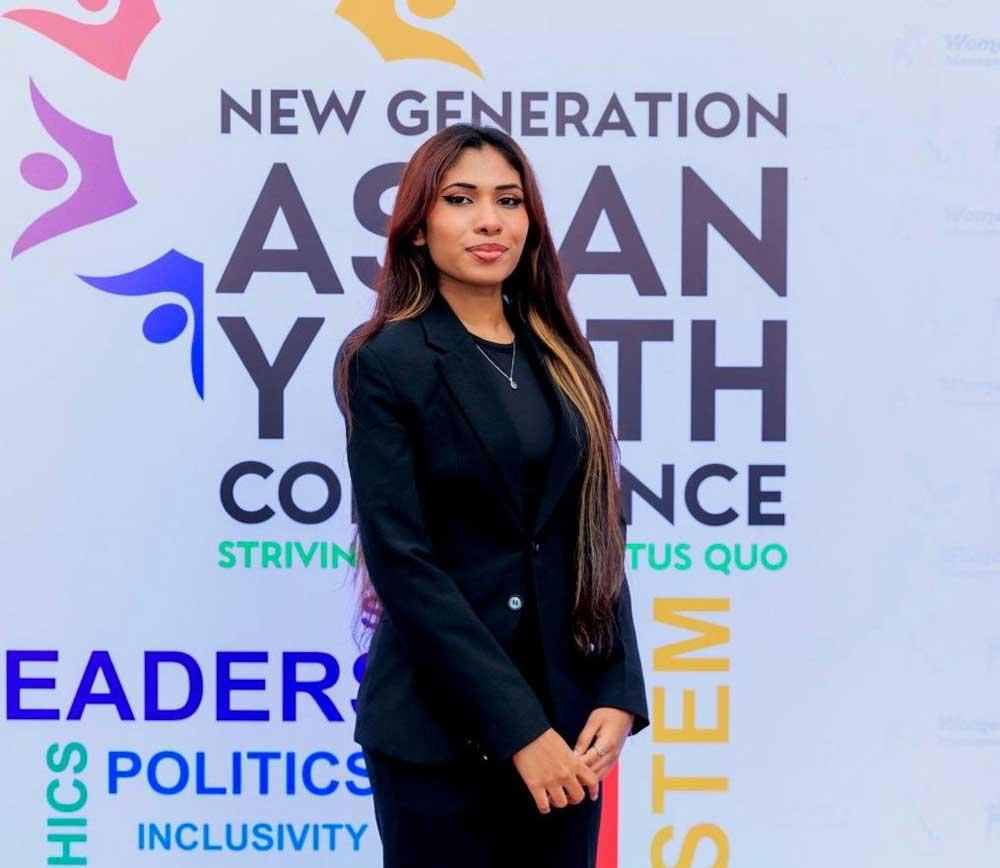
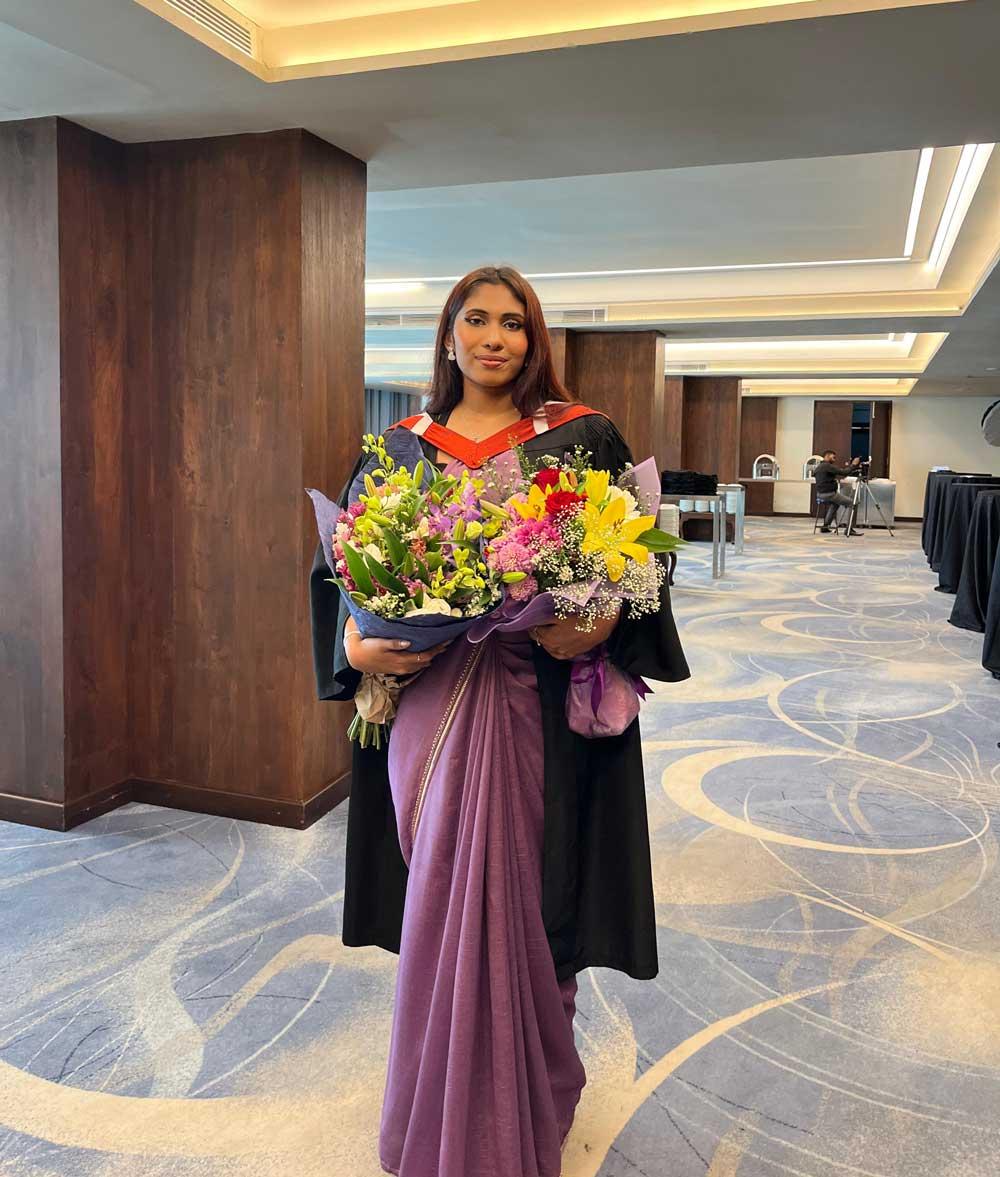
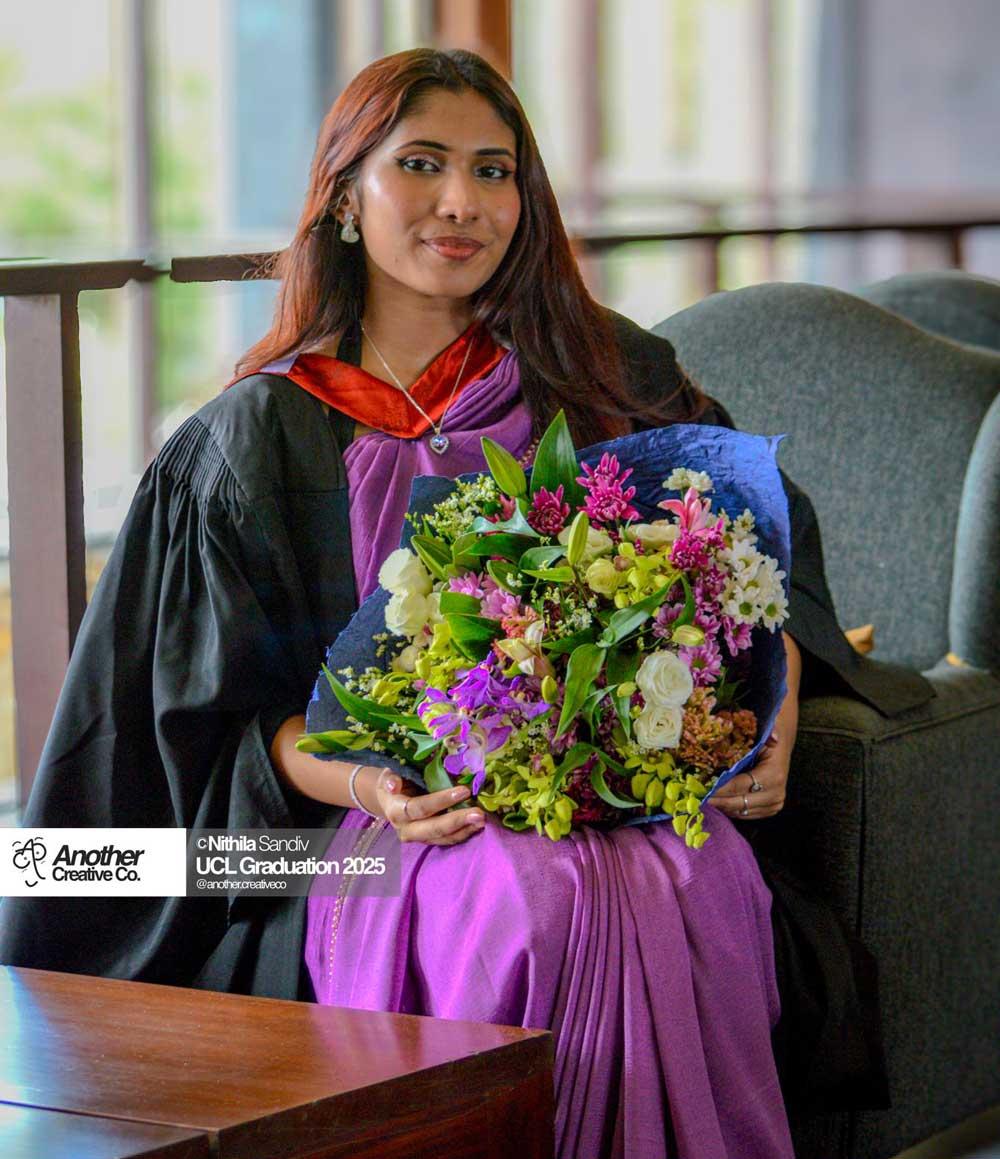
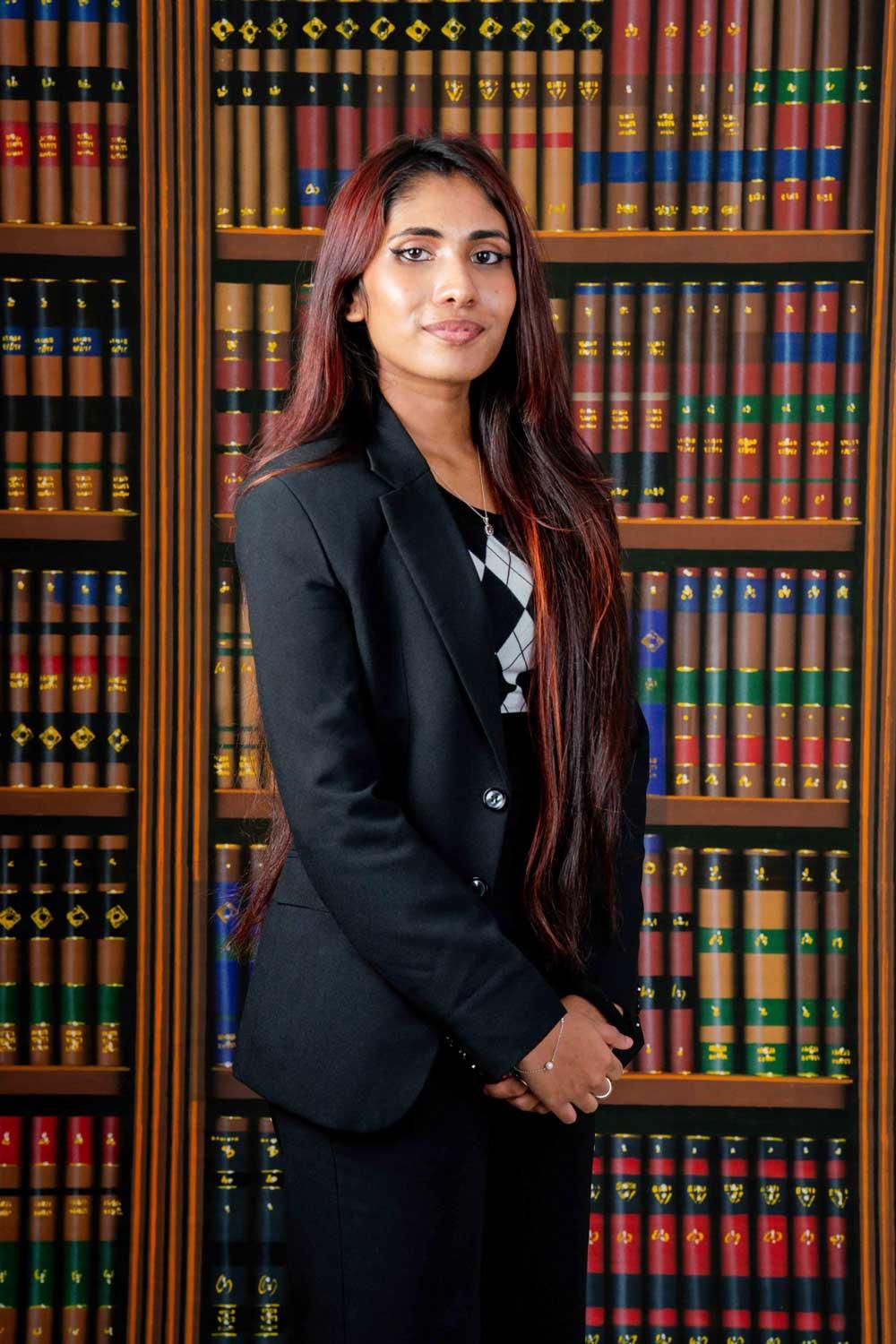
At just 16 years old, Binuri Rajasinghe stepped into the world of coding with nothing more than curiosity and a fascination for futuristic technology. What began as an interest in software engineering soon evolved into a much deeper purpose rooted in empathy, communication, and meaningful impact. Graduating with her first degree at 19 and beginning her master’s journey at 20, Binuri embraced opportunities fearlessly, often becoming the youngest person in professional spaces while learning to trust her own path. Her work on an assistive application for adolescents with Down syndrome transformed her understanding of innovation and showed her the importance of accessibility and human centered design. Today, Binuri works at the intersection of technology, humanitarian communication, and advocacy. From her experience at UNFPA Sri Lanka to her role as Head of PR at New Generation Sri Lanka, she continues to champion youth empowerment, storytelling, and inclusive innovation with one guiding belief: “Better an oops than a what if.”
Your journey began in software engineering at a very young age. What first drew you to technology?
Curiosity was definitely the spark. Growing up, I was fascinated by futuristic sci fi worlds, glowing interfaces, complex systems, and imaginative technologies that felt almost alive. Technology felt like a space where imagination could become reality. After my A’Levels, I had the chance to properly explore tech and understand what happens behind the screen. Around the age of 16, I stepped into coding and development for the first time. It was completely new to me, but I quickly became fascinated by the balance of logic and creativity. Honestly, the “cool factor” of computers also played a big role. Code felt like real world magic. That excitement eventually pushed me toward software engineering. Over time, technology became more than just something interesting to build. I started seeing it as a tool that could shape the future, solve real problems, and genuinely improve people’s lives. That idea still drives me today.
You graduated early and achieved significant milestones quickly. How did that shape your outlook on life and ambition?
Finishing my first degree at 19 and starting my master’s at 20 in a completely different field felt like a whirlwind, but it was exactly what I wanted. I have always loved exploring, learning, and shaping my own path. This journey taught me that there is no “correct” timeline for curiosity or growth. Being frequently the youngest person in the room was not always comfortable, but it taught me to sit with uncertainty and trust my ability to learn and adapt. Whenever I felt out of place, I remembered something my mother once told me: “Maybe you’re the youngest in the room, but at least you’re in the room.” That stayed with me and helped me focus on my own journey rather than comparing myself to others. My idea of ambition has also evolved. I used to think ambition was about achieving milestones quickly, but now I see it as creating meaningful experiences, growing as a person, and making a real impact through what I do. I am still ambitious, but I care more about purpose than speed. I have also learned the importance of enjoying the journey. I am especially grateful to my parents for supporting me throughout this process. My mother, in particular, created an environment where I could explore freely and take risks with confidence. That support means everything to me.
You worked on an assistive app for adolescents with Down syndrome. What inspired that project, and what did you learn from it?
That was my final year research project, and I wanted to build something inclusive and human centered because many digital solutions still overlook accessibility and diverse communication needs. The experience taught me that good technology is not just about being technically impressive or visually appealing. It is about empathy. Even small design decisions can completely change someone’s daily experience. The project made me much more conscious about accessibility, user experience, and designing for people rather than just systems.
What triggered your shift from coding and development to communication and international relations?
I honestly do not see it as leaving technology behind. I simply became more interested in the bigger picture surrounding it. I have always had a humanitarian side and wanted to create meaningful impact through my work. While studying software engineering, I realized I loved not only building systems but also communicating ideas, understanding people, and exploring how technology influences society, policy, and global issues. Over time, I became deeply interested in storytelling, advocacy, humanitarian communication, and international development. It was definitely a risky shift because the fields seem very different, but I took that risk because I genuinely cared about it. Looking back, it was absolutely worth it. Today, I see myself as someone bridging both worlds rather than choosing one over the other.
How did your experience at UNFPA Sri Lanka influence your passion for advocacy and development work?
My experience at UNFPA Sri Lanka was truly a turning point. It was my first real exposure to the humanitarian and development sector, and working within the UN system had always been a dream of mine. During my time there, I worked on initiatives connected to youth, health, gender, and policy. I saw how communication, research, and advocacy can create meaningful social impact. It made me realize that communication is not just about visibility or awareness. It can shape conversations, influence policy discussions, and make complex information more accessible and relatable. I also had the opportunity to contribute to policy brief creation, which showed me how storytelling and technical information can work together to drive change. That experience deepened my passion for people centered work and opened the door to the humanitarian world for me.
What does “human centered storytelling” mean to you in the context of humanitarian work?
To me, human centered storytelling means putting dignity, empathy, and humanity first. In humanitarian work, it is important to remember that people are not just statistics, headlines, or cases. Behind every situation is a real person with emotions, resilience, struggles, and strength. I believe storytelling should create understanding and connection without exploiting vulnerability. It should amplify voices respectfully and make people feel seen, heard, and understood rather than turning suffering into content. At the end of the day, it is about remembering the humanity behind every story.
Working with Médecins Sans Frontières involves high impact environments. How do you handle the emotional weight of such work?
The emotional side of humanitarian work is something you naturally carry with you, and honestly, I think that is important. These are real human realities, so it is impossible not to feel emotionally affected by them. I am naturally very empathetic, so I do feel things deeply. At the same time, I remind myself why this work matters. If you truly want to create impact and support people who need it most, you have to be willing to sit with difficult realities sometimes. What helps me most is grounding myself in purpose while also creating healthy boundaries and moments of reflection. I journal often, reflect regularly, and try to process experiences in healthy ways. Staying emotionally aware is part of staying human in this kind of work.
As Head of PR at New Generation Sri Lanka, how do you engage and inspire youth at a national level?
I believe young people connect most with authenticity and possibility. What makes this role especially meaningful is that I was once inspired by New Generation Sri Lanka myself, and now I have the privilege of contributing to its PR and communications work. That journey gives me a personal understanding of how powerful youth spaces can be. Whenever I create campaigns or content, I try to think from the perspective of another young person. I ask myself whether it would genuinely inspire or connect with me. I focus on creating communication that feels relatable, empowering, and inspiring rather than distant or overly formal. Through conferences, mentorship programmes, campaigns, and storytelling, my goal is always to create a sense of community and possibility. Sri Lankan youth are incredibly creative and talented. Sometimes they simply need the right opportunities, encouragement, and environment to recognize their own potential.
You have led teams to win “Best Team” awards consecutively. What is your leadership philosophy?
My leadership philosophy is what I call “agile mentorship.” Similar to software development, I believe in adaptability, open communication, and constant feedback. Leadership, for me, has always been about people first. I do not believe leadership is about controlling a team. It is about creating an environment where people feel supported, motivated, and confident enough to grow into the best versions of themselves. I try to lead with empathy, collaboration, trust, and communication because strong teams are built when people feel valued and heard. Through the Winspiration Mentorship Programme, I had the opportunity to mentor teams that achieved consecutive “Best Team” awards in 2023 and 2024. But for me, the most rewarding part was not the award itself. It was seeing people grow in confidence, leadership, and self-belief. I have also been fortunate to learn from incredible mentors in my own life, especially my mother, whose leadership style taught me the importance of empathy while still achieving results.
As you prepare for your Master’s in International Relations, what change do you hope to bring to Sri Lanka and the global stage?
I hope to contribute to stronger connections between technology, communication, and social impact. We are entering a future heavily shaped by technology and artificial intelligence, but I believe we also need more conversations around ethics, accessibility, inclusivity, and humanity within that progress.
I am especially interested in the intersection between technology, global policy, and communication. I want to contribute to spaces where innovation and human impact are not treated as separate conversations. I also hope Sri Lanka can become not only a consumer of technology but also a contributor to ethical and inclusive innovation. Whether locally or globally, I want my work to help create futures that are innovative, compassionate, and accessible to communities that are often overlooked.