The Return of Structure: Why Belts Are Having a Moment
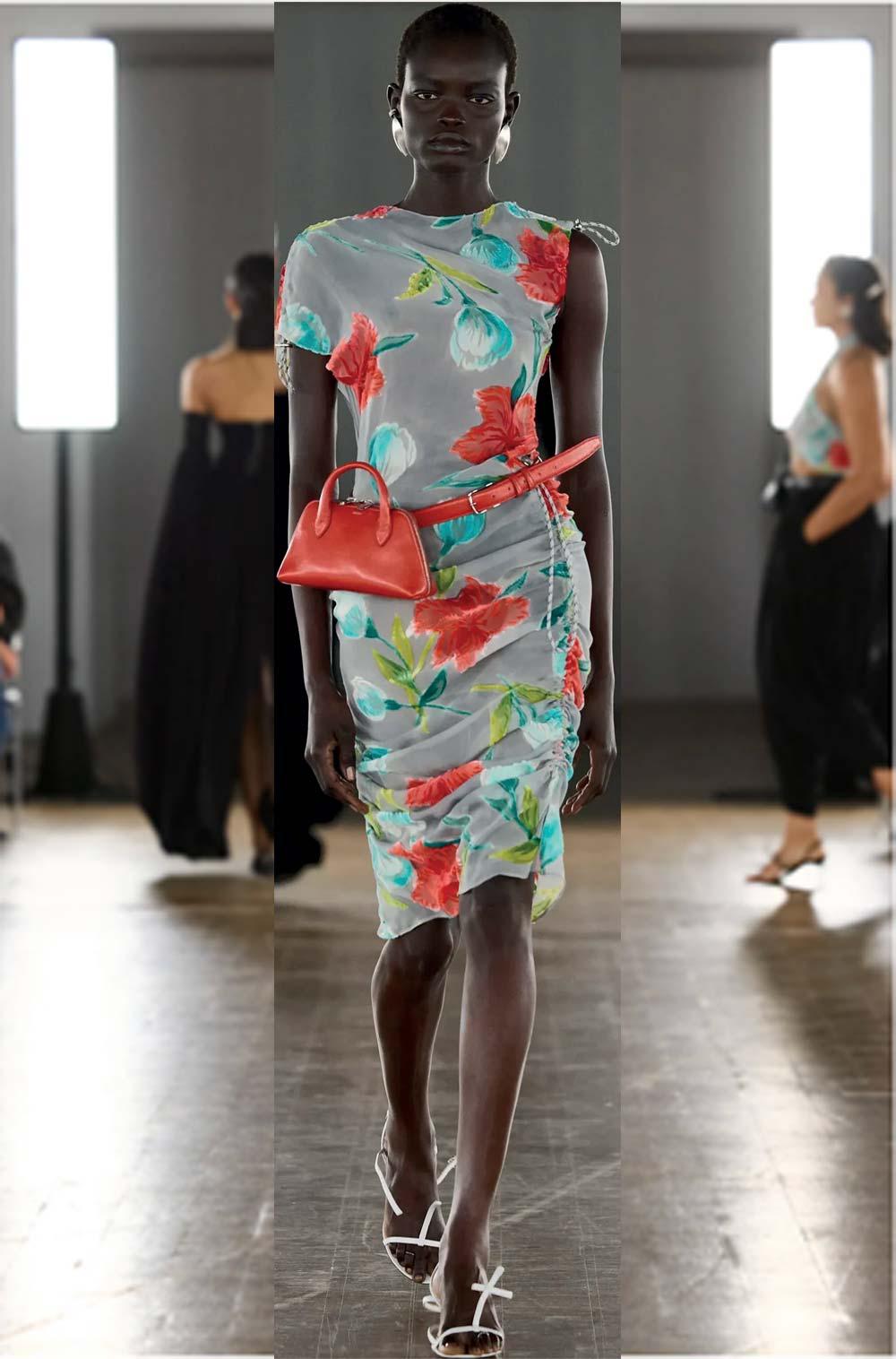

For the past several years, fashion has been guided by a distinct sense of looseness. Shapes softened, tailoring relaxed, and the notion of effortless dressing evolved from a casual suggestion into something closer to a uniform. Oversized blazers, slouchy trousers, and fluid dresses became dominant across both runway presentations and everyday street style. This aesthetic reflected more than just a design preference. It mirrored a broader cultural movement toward comfort, ease, and a certain openness in how identity and presentation were expressed.
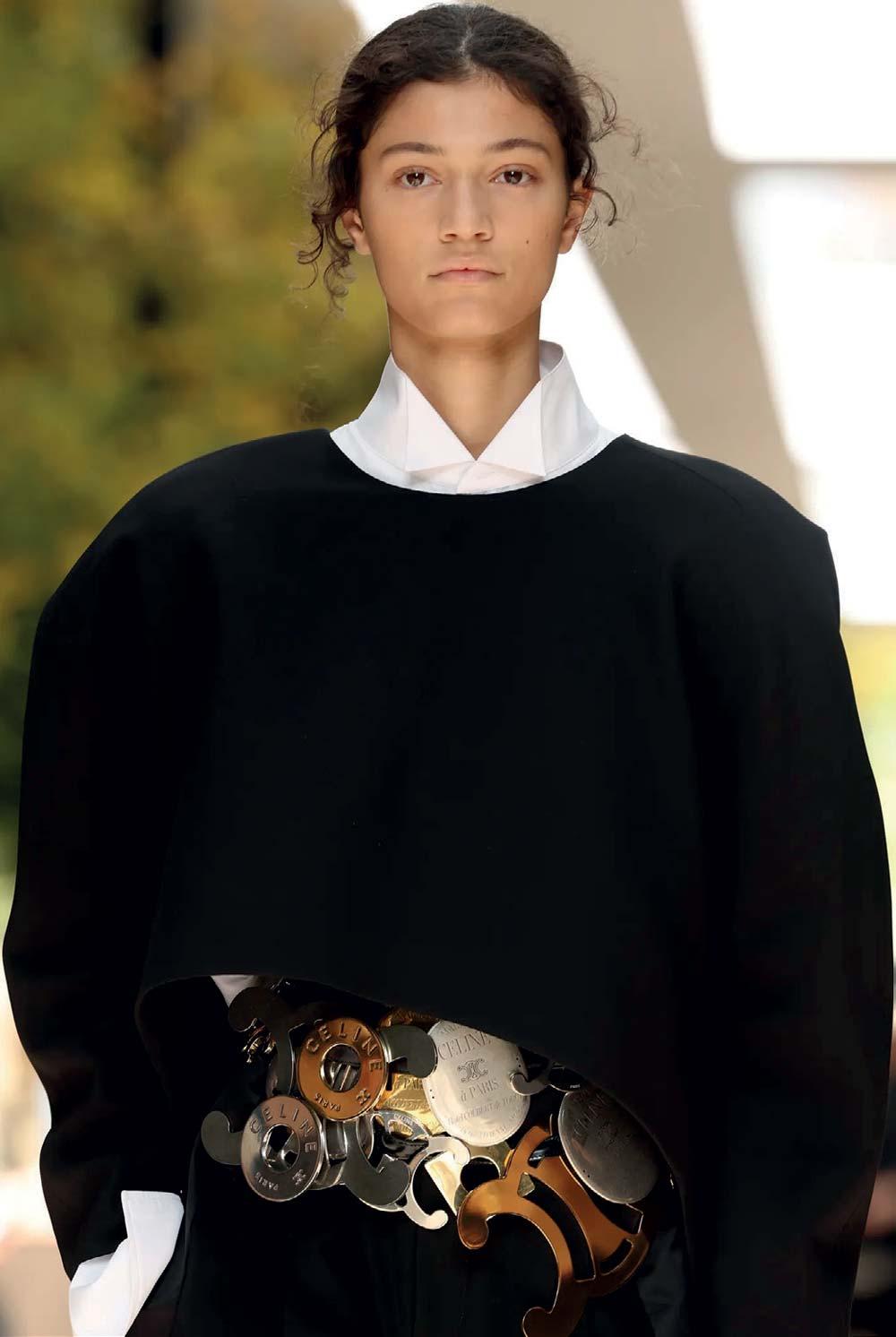 Yet beneath this ongoing preference for softness and fluidity, a shift has been quietly emerging. What began almost imperceptibly is now becoming increasingly defined. Fashion is beginning to reintroduce structure, not abruptly, but with a sense of intention that feels deliberate and measured. At the centre of this transition is an accessory that might initially seem understated but carries significant impact. The belt has returned, not as a subtle or purely functional detail, but as a defining element of contemporary style.
This is not about thin, barely noticeable belts that blend into an outfit. Instead, the focus is on bold, structured pieces that are impossible to ignore. These belts are worn high on the waist, layered over blazers and coats, or wrapped around dresses in a way that transforms their silhouette. Rather than simply existing within an outfit, they shape it. They determine how fabric falls, how proportions are read, and how the wearer is perceived.
The resurgence of the belt signals more than a passing trend. It represents a recalibration in the way fashion approaches form, intention, and presence. What makes this moment particularly compelling is not just the object itself, but what it stands for. After seasons dominated by fluidity and ease, fashion is beginning to reassert the value of structure. This does not manifest as rigidity or restriction. Instead, it appears as a thoughtful reintroduction of shape, a way of guiding rather than constraining the body.
Oversized silhouettes that once conveyed nonchalance are now being reconsidered. They are no longer left entirely loose or undefined. Instead, they are cinched, interrupted, and refined. A blazer is no longer simply thrown over an outfit without consideration. It is gathered at the waist, creating form and emphasis. A dress that once flowed freely is now given definition, its movement shaped by a deliberate point of focus. In this context, the belt becomes a tool. It is the mechanism through which this transformation occurs.
This shift also reflects a broader change in how outfits are approached. Where dressing once leaned heavily on ease and spontaneity, it is now moving toward construction and intention. Styling is becoming more active. The wearer is not disappearing into layers of fabric, but engaging with them, shaping them, and making conscious decisions about how they sit on the body. There is also a deeper, more symbolic dimension to this return. The renewed emphasis on the waist carries meaning that extends beyond aesthetics. For years, the waistline was obscured beneath oversized garments, its presence minimized in favour of ambiguity. Now, it is being brought back into focus.
Belts draw attention inward. They create a visual anchor, a point around which the rest of the outfit revolves. This sense of focus feels both grounding and powerful. It introduces clarity into silhouettes that might otherwise feel expansive or undefined. Historically, the waist has always held significance in fashion. It has been associated with ideas of femininity, discipline, and control, shifting in meaning depending on the era. In the current moment, its return does not feel like a return to rigid ideals. Instead, it feels like a reclamation.
Defining the waist today is not about conforming to a prescribed shape. It is about choice. It is about deciding how one wants to present their body and their silhouette. The emphasis is not on being defined by external standards, but on actively defining oneself. Another striking aspect of this evolution is the way belts are being reimagined. They are no longer treated as purely functional accessories designed to hold garments in place. Instead, they are being elevated to the level of jewellery.
Belts are now visible, intentional, and often central to an outfit. They are layered over coats, styled with minimal ensembles, or used to transform simple garments into something more considered. A monochrome look can be completely altered by the addition of a sculptural belt. A simple blazer gains direction and character when cinched at the waist. In this sense, the belt functions much like a statement necklace or ring. It anchors the outfit. It introduces contrast and tension. It draws the eye and creates a focal point that defines the entire look. This shift is indicative of a broader movement within fashion, where accessories are no longer secondary elements. They are becoming starting points. Rather than completing an outfit, they are increasingly used to build one.
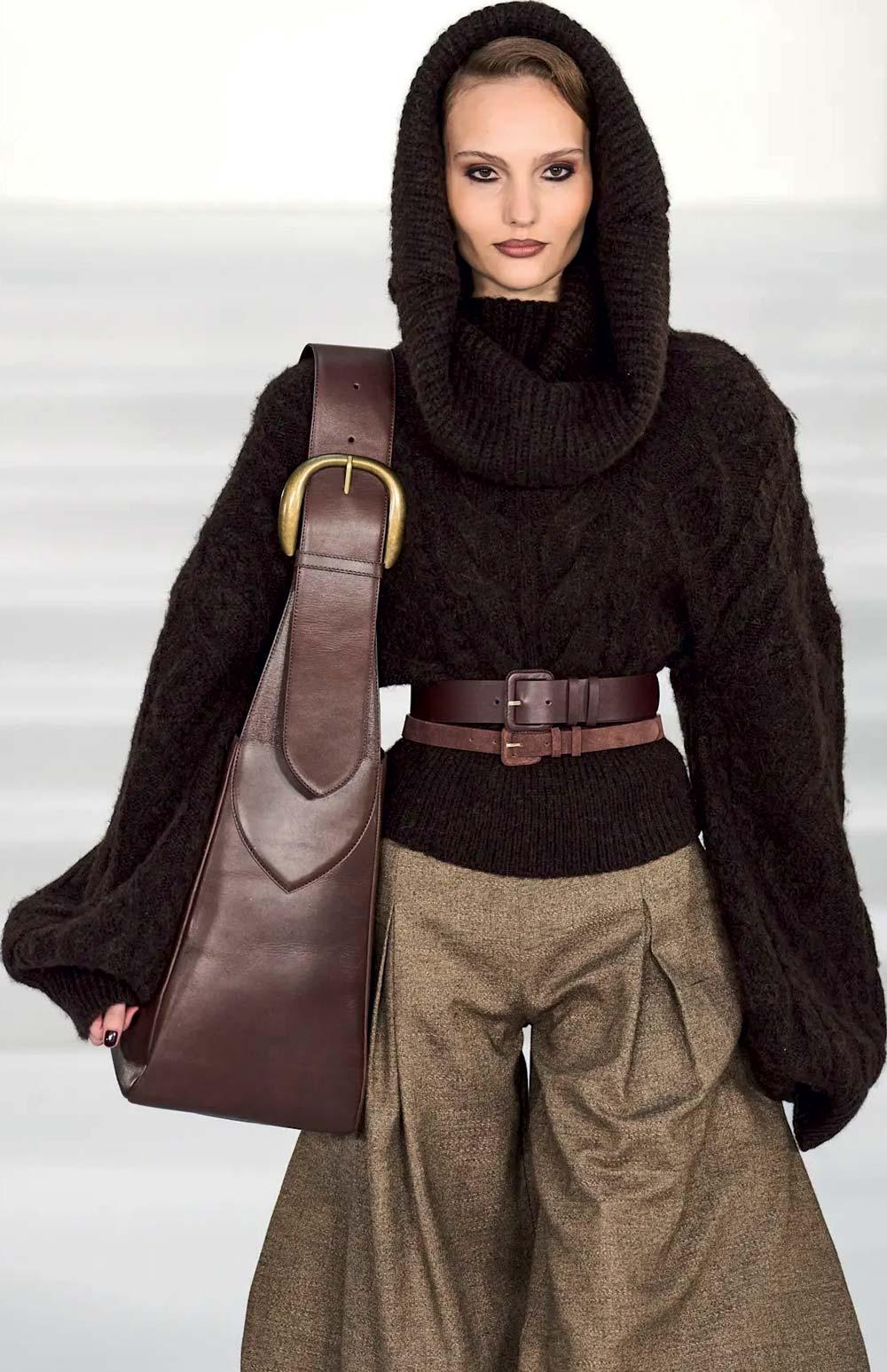 The renewed prominence of belts also aligns with the current balance between quiet luxury and expressive dressing. This tension has come to define much of contemporary fashion. On one hand, there is a preference for understated elegance, subtlety, and refinement. On the other, there is a desire for individuality and visible expression. Belts exist comfortably within both of these spaces. They are not inherently loud or attention seeking, yet they are far from invisible. A well-chosen belt does not rely on logos or embellishment to make an impact. Its power lies in its form, its placement, and its proportion.
This creates a kind of controlled statement. It is expressive, but not excessive. It communicates intention without feeling performative. In a fashion landscape that can often feel saturated with competing visuals and ideas, this kind of measured presence feels particularly relevant. Beyond their visual impact, belts also carry a psychological resonance. In a world that often feels uncertain and constantly shifting, the idea of structure can be deeply appealing. There is something inherently satisfying about defining a boundary, about bringing elements together into a cohesive whole.
The act of fastening a belt is simple, yet it carries symbolic weight. It is about gathering, shaping, and creating clarity. It suggests a sense of control, a return to focus, and an ability to define one’s own parameters. Fashion has always been responsive to the emotional and cultural climate of its time. The return of structure, in this context, feels like a natural progression. After a period characterized by looseness and ambiguity, there is a growing desire for refinement. This does not mean abandoning comfort or ease. Rather, it means integrating them with intention.
The belt encapsulates this balance perfectly. It allows for freedom while introducing form. It enhances rather than restricts. It offers a way to engage with clothing more consciously. To interpret the resurgence of belts as merely cyclical would be to overlook its deeper significance. While fashion often revisits past ideas, it does so through the lens of the present. The cinched waist is not new, but the way it is being approached today is distinctly modern. It prioritizes agency. It embraces versatility. It encourages self-expression. The belt is no longer about adhering to a predetermined silhouette. It is about shaping that silhouette according to personal preference. It becomes less about holding an outfit together in a literal sense, and more about deciding how that outfit comes together conceptually.
As fashion continues to evolve, it is often the smallest elements that signal the most meaningful changes. A single accessory can shift the direction of an entire aesthetic. The return of the belt is one such moment. It may appear subtle at first glance, but its implications are far reaching. Ultimately, this is not just about an accessory. It is about a broader movement toward structure, intention, and presence. It reflects a desire to move beyond passivity in dressing and toward a more engaged, thoughtful approach. The belt, in its simplicity and versatility, captures this shift with remarkable clarity. It represents a turning point, a quiet yet powerful redefinition of how fashion interacts with the body and with identity. And in doing so, it marks the return of structure, not as a constraint, but as a choice.