Will AI take over the marketing industry?

I was asked this on a podcast recently, and the tone of the question said everything. People are not curious about AI. They are afraid of it. Somewhere along the way, AI became this big, intimidating force that is supposed to replace creatives, automate entire industries, and make marketers irrelevant. That is not what is happening. And if you actually understand marketing, you would know why.
Let’s start with the consumer, because that is where all marketing begins. We are living in a time where people have seen everything. Every trick, every hook, every limited time offer, every over polished ad. Consumers today are not passive viewers. They are highly aware. They can sense when something is genuine and when something is manufactured. And this is exactly where the AI conversation starts to fall apart, because most AI generated content today feels empty. It is structured well. It sounds correct. It ticks all the boxes. But it lacks something that actually matters, which is intent, emotion, imperfection, the human element that makes you stop and feel something. You scroll past it, you do not save it, and you definitely do not make a purchase because of it.
That is the reality no one wants to admit. AI can generate content, but it cannot generate belief. And marketing, at its core, is about belief. Making someone trust you, making someone feel understood, making someone think this brand gets me. That does not come from perfect grammar or optimized captions. That comes from people. Now, this does not mean AI is useless. In fact, it is the opposite. AI is one of the most powerful tools we have ever had in marketing, but the key word there is tool. As an agency owner, I have seen firsthand how AI has changed the way we work. Things that used to take hours now take minutes. Brainstorming ideas, structuring campaigns, analyzing data, writing drafts, all of it is faster. It reduces cost, improves efficiency, and allows smaller teams to do bigger work. That is a massive advantage.
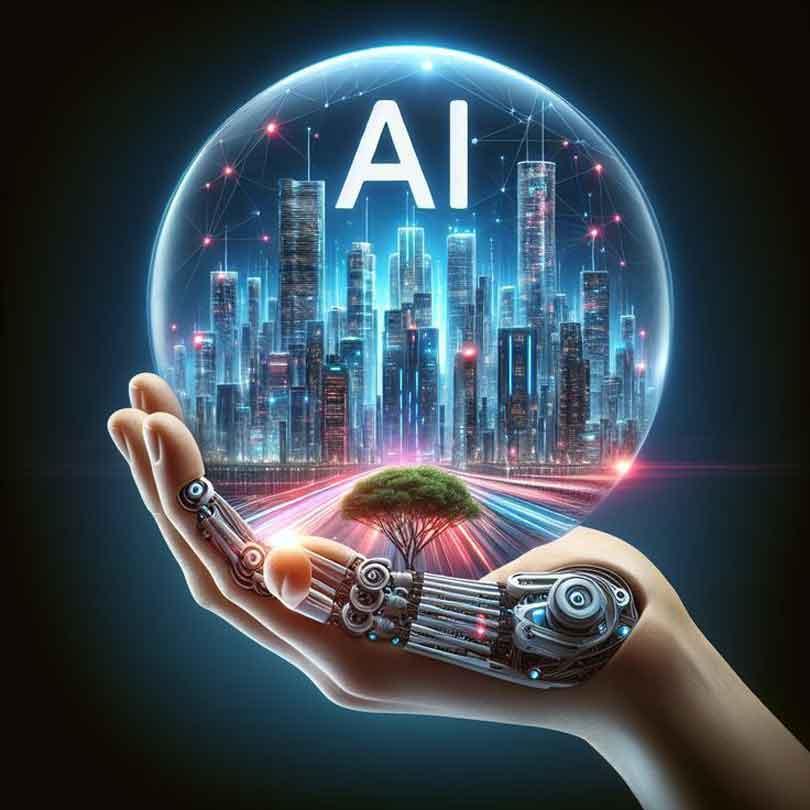
But here is what people are getting wrong. Speed does not equal impact. Just because you can produce more content does not mean you are producing better content, and marketing has never been about volume. It has always been about connection. AI helps you get to the starting line faster. It does not win the race for you. The real value in marketing has never been execution. It has always been thinking, and that is exactly where the gap is going to widen. Because now that execution is becoming easier, anyone can create content, run ads, and launch campaigns. The barrier to entry is dropping every single day.

So, what happens next? The average disappears. When everyone has access to the same tools, the only thing that separates you is how you think, your ability to understand people, your ability to tell a story, and your ability to take something simple and make it meaningful. AI cannot replace that. It can remix existing ideas, predict patterns, and assist creativity, but it cannot originate lived experience. It cannot replicate culture.
It cannot understand nuance the way a human who has actually lived through something can. And that is where real marketing lives, in culture, in conversation, and in moments that feel real. We are already seeing this shift happen. The content that performs today is not the most polished or the most perfect. It is the most relatable, the most human, and the most honest. A slightly awkward video that feels real will outperform a perfectly edited ad that feels fake, and a genuine story will always beat a generic message.
This is why the future of marketing is not less human; it is more human. What AI will do is take over the boring parts. Media buying will become automated, targeting will become smarter, and optimization will happen in real time without manual intervention. The technical side of marketing will become faster, cleaner, and more efficient. But the soul of marketing, the storytelling, the creative direction, and the brand voice, will become even more important. Because when everything else becomes easy, the only thing left that matters is what cannot be automated: taste, perspective, and originality.

This is where creators win. The artists, the musicians, the people who know how to take a simple idea and turn it into something that makes you feel something, these are the people who will become more valuable, not less. Because in a world where content is everywhere, attention becomes the currency, and attention is not captured by efficiency, it is captured by emotion. Think about the brands that actually stay with you. It is not because they had the best ad targeting or the most optimized funnel. It is because they made you feel something. They told a story you connected with and built trust over time. AI can help scale that process, but it cannot replace the origin of it. And here is the uncomfortable truth a lot of marketers need to hear. AI is not going to replace you, but it will expose you. If your value is purely in execution, writing captions, editing basic videos, running standard ads, then yes, AI will make that easier and cheaper, which means you are easier to replace. But if your value is in thinking, in strategy, in understanding human behaviour, and in building narratives, then AI becomes your leverage. It makes you faster, sharper, and allows you to focus on what actually matters.
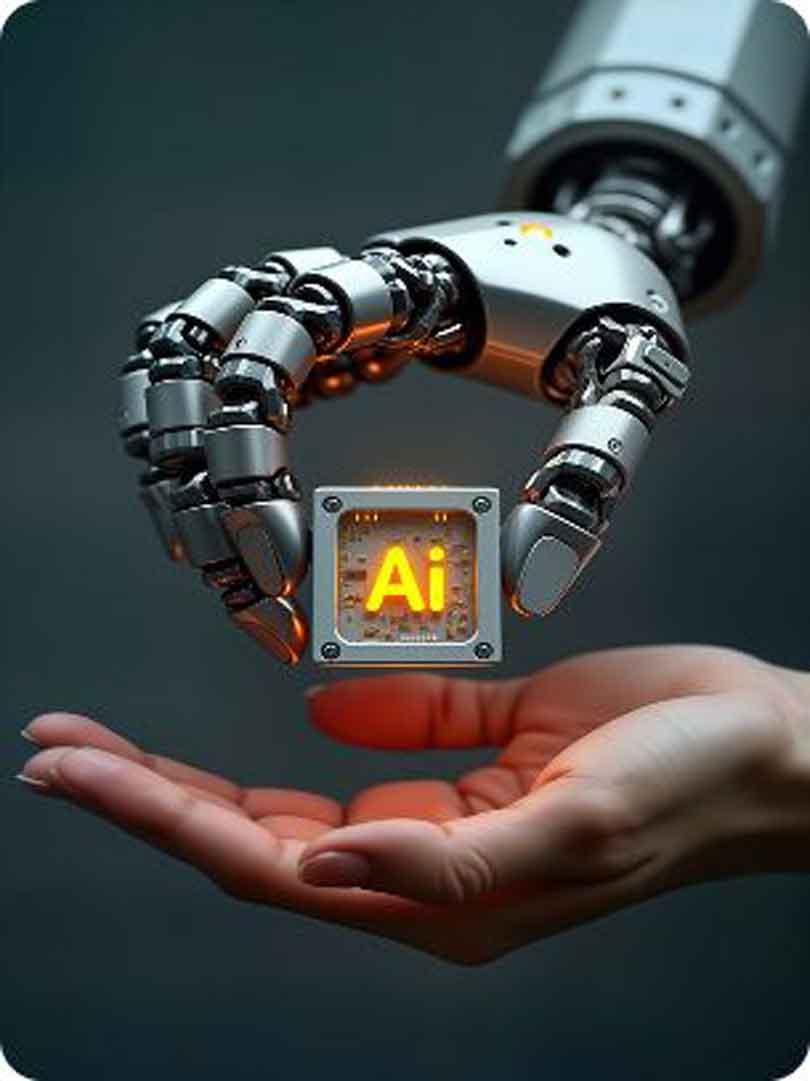
So, the question is not whether AI will take over marketing. The real question is what kind of marketer you are going to be in a world where AI exists. Because the industry is not dying, it is evolving. We are moving away from a phase of pure performance marketing into a phase of storytelling, where brands need to mean something, not just sell something. And the marketers who understand this shift are going to win, not because they use AI, but because they understand people. So no, AI is not here to take over the marketing industry. It is here to raise the standard. And if you are paying attention, that is not something to be afraid of. It is an opportunity.