The Sober Generation: Discipline or Deprivation?

NO BS MARKETER BY AMANTHA PERERA
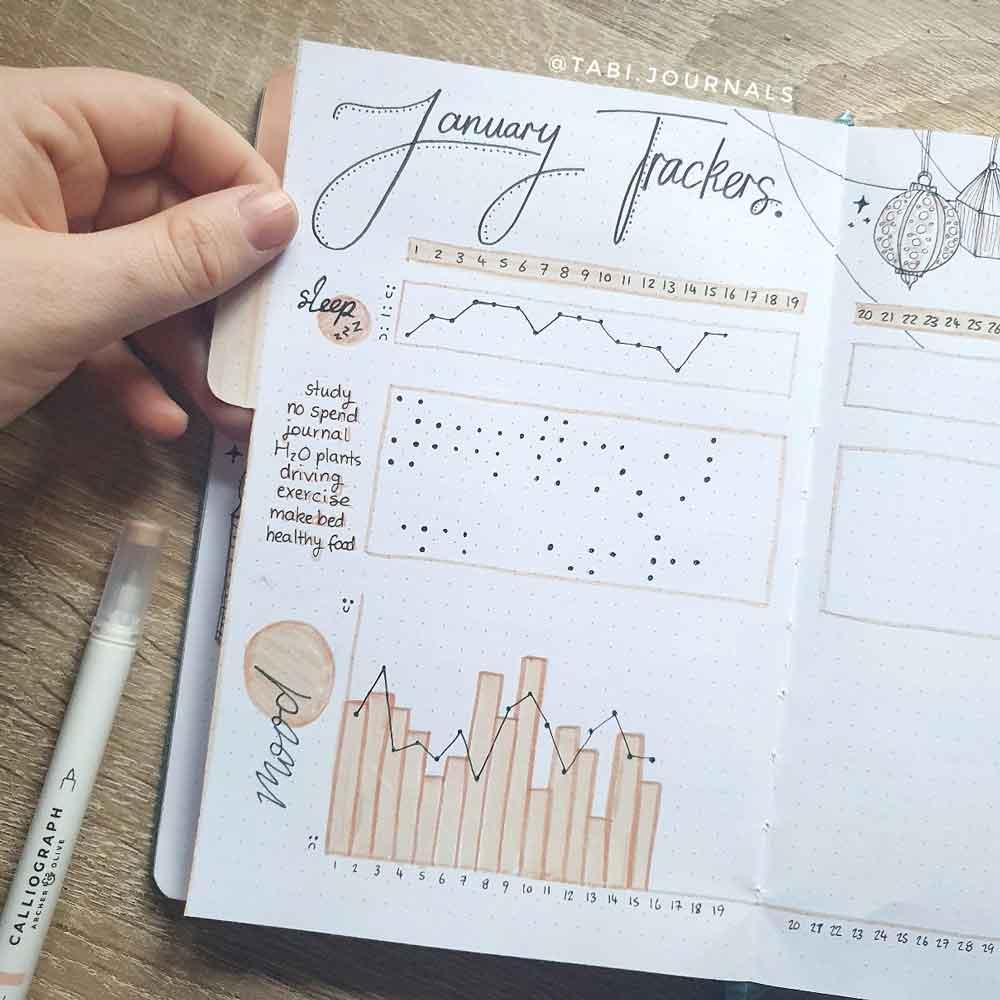
Something interesting is happening with this generation. More and more young people are choosing to stay sober. No alcohol, no late nights, no hangovers, no messy weekends that blur into Monday mornings. Instead, we are seeing a generation that wakes up at 5 a.m., journals, hits the gym, listens to productivity podcasts on the way to work, tracks their habits, and spends the rest of the day trying to optimise every minute of their lives. Ice baths have replaced whiskey. Protein shakes have replaced beer. Networking events have replaced pub nights. And honestly, there is something admirable about it.
Choosing discipline in a world full of distractions is not easy. Being sober has clear advantages. You wake up feeling better. Your focus improves. Your energy is more consistent. You can work longer, think more clearly, and generally function at a higher level. It is hard to deny that people who avoid alcohol entirely tend to be more productive. They have fewer wasted mornings, fewer regrets from the night before, and fewer days where their brain feels like it is operating at half capacity. From a purely practical perspective, sobriety makes sense. Modern hustle culture reinforces this mindset. The internet is full of entrepreneurs talking about discipline, delayed gratification, and sacrificing today for a better tomorrow. The message is clear: hustle now, enjoy later. Skip the party. Skip the drinks. Skip the distractions. Build first. Live later. At face value, it sounds like a perfect formula for success. But there is another side to this conversation that nobody really talks about: you do not get your twenties back.

This is the one decade where life is supposed to be a little chaotic. A little spontaneous. A little unpredictable. Your twenties are where you experiment with ideas, with people, with experiences that shape who you eventually become. It is the decade where your identity is still forming. Some of the most important moments that shape that identity rarely happen in carefully structured environments. They happen in messy ones.
Some of the most valuable connections I have personally made in my life did not happen in boardrooms or formal networking events. They happened over a drink. They happened sitting at Park Street in Colombo with people I barely knew, talking about everything from business ideas to music to completely ridiculous theories about life. There was no agenda, no pressure; just conversation. And that is the strange thing about social environments like that. When people relax, when they are not trying to impress each other, when the atmosphere is informal, something interesting happens. People become honest. Ideas flow more freely. Opinions become more open. Conversations become deeper.
A casual conversation can suddenly turn into a collaboration. A random introduction can become a long-term friendship. A funny debate about something meaningless can somehow evolve into a business idea. You cannot really schedule those moments. They just happen. And that is something hustle culture sometimes forgets. The internet has turned life into a constant race for productivity. Every hour must be used efficiently. Every habit must serve a purpose. Every action must somehow contribute to long-term success. Even relaxation has become something people try to optimise.
Socialising now often comes with conditions. It has to be a “high-value environment”. It has to be a networking opportunity. It has to somehow contribute to growth. But not everything valuable in life can be measured in productivity. Some of the most important parts of life are the ones that feel pointless in the moment; the long conversations, the stupid jokes, the pub-hopping sessions where the plan for the night changes every hour, and the random people you meet who somehow leave a lasting impression. Those moments may look unproductive from the outside. But they are the moments that become stories. And stories are what people remember.
No one sits around ten years later reminiscing about how efficiently they scheduled their mornings. They remember the night someone tried to start a deep philosophical debate at 2 a.m. They remember the random road trips that were never properly planned. They remember the conversations that made them rethink their entire perspective on something. These are the things that stay with you. Of course, this is not an argument for reckless drinking or irresponsible partying. There is nothing impressive about losing control, damaging your health, or allowing bad habits to take over your life. If drinking is affecting your work, your relationships, or your ambitions, then clearly something is wrong. There is no glory in self-destruction. But there is also something equally unhealthy about living life as if every moment must be monetised.
Somewhere along the way, balance became unfashionable. You are either completely disciplined or completely chaotic. Either you are the hyper-productive entrepreneur who avoids every distraction, or you are the person who cannot control themselves. Life is rarely that simple. The healthiest approach has always been somewhere in the middle. Work hard. Take your ambitions seriously. Build something meaningful. Stay disciplined with your goals. But also allow yourself to live. Allow yourself to have experiences that do not fit neatly into your productivity routine. Go out with your friends sometimes. Meet new people. Laugh at stupid things. Talk about ideas that may never turn into anything. Because those moments matter more than we realise.

One day the grind will slow down. The urgency of your twenties will fade. The endless pursuit of “more” will eventually calm down. And when that happens, the only things that will truly remain are the memories you created and the people you met along the way. You will not remember how many extra hours you worked on a random Tuesday. But you will remember the night you met someone who completely changed the direction of your thinking. You will remember the conversations that made you feel alive. You will remember the experiences that reminded you that life is bigger than your to-do list.
That is why the sober movement is both admirable and slightly concerning at the same time. It is admirable because discipline is rare. It takes strength to resist distractions and focus on building something meaningful. But it becomes concerning when discipline slowly turns into deprivation; when life becomes so structured, so optimised, so controlled that spontaneity disappears. Because once spontaneity disappears, so does a lot of what makes life exciting. The goal should never be to remove joy from your life in the name of productivity. The goal should be balance. Work hard enough to build a life you are proud of but live enough to actually enjoy it.
So, if this generation chooses to stay sober, that is perfectly fine. There is nothing wrong with protecting your health, your focus, and your ambitions. But do not become so disciplined that you forget how to experience life. Go create memories. Because at the end of everything, when the hustle finally slows down, you will realise something simple: you do not take the money with you. You take the stories.