The Mia Z Controversy Explained: Inside Sri Lanka’s Latest Digital Media Debate

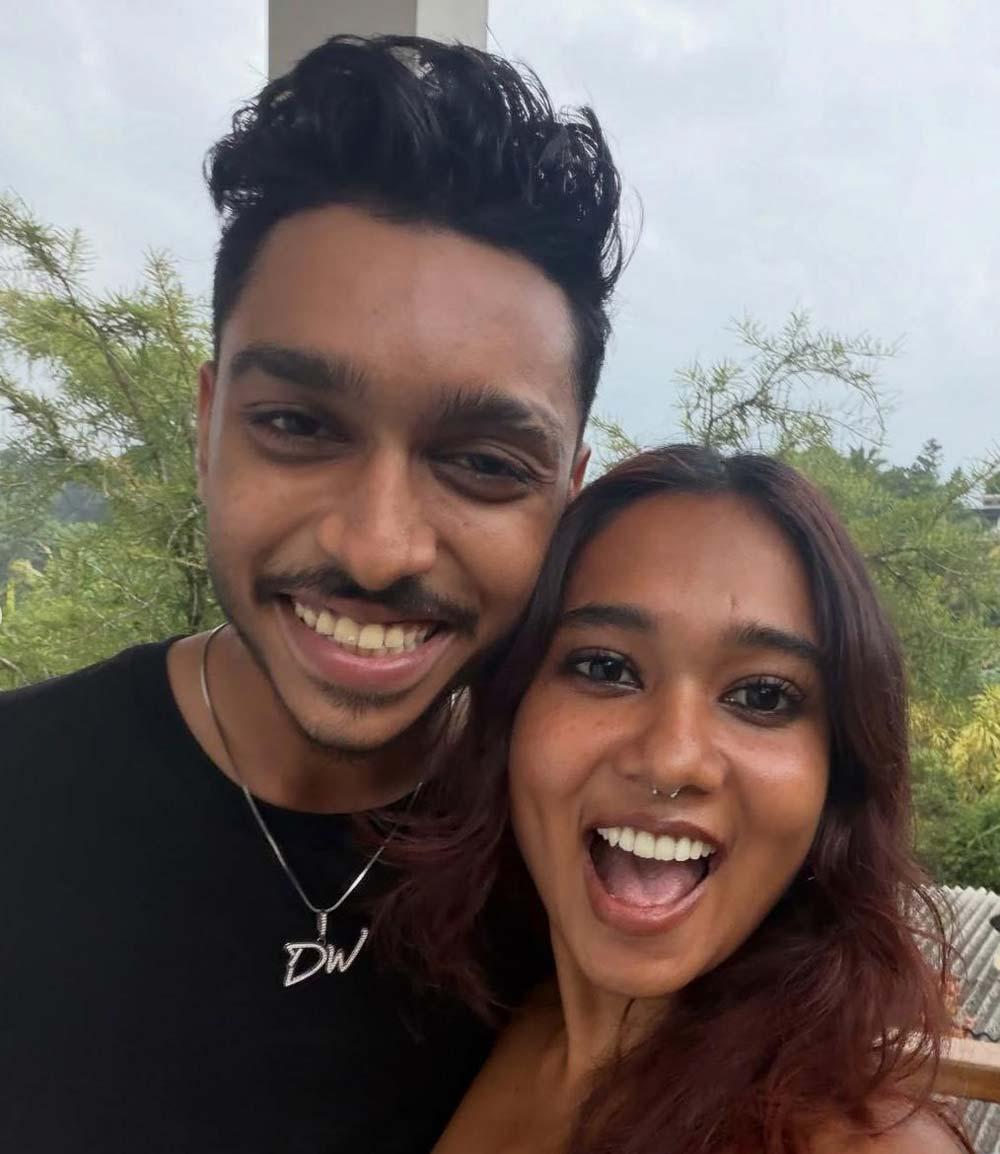
In early May 2026, the arrival of international adult content creator, Mia Z, in Sri Lanka, triggered an intense ideological rift online that challenged the country’s strict legal and cultural boundaries, exposing the friction between traditional South Asian social values and the borderless reality of the internet. Her appearance on, local social media personality Ashen
Senarathna’s podcast, “තිස්තුන්”, alongside lifestyle collaborations featuring prominent Sri Lankan content creator, Dinel Walpola, garnered significant digital traction while simultaneously sparking severe criticism throughout the nation.
Critics heavily questioned the ethics of giving a mainstream platform to a figure from the adult industry, particularly within a society that lacks comprehensive formal sex education, thus creating a structural contradiction. Others questioned why such visibility was not given to individuals who have represented Sri Lanka internationally through achievements in science, sports, education or activism. Simultaneously, numerous observers highlighted a profound double standard in how strictly local conduct is policed, arguing that while a foreign creator is granted a degree of social leeway, local women frequently endure severe public censure, reputational damage and social ostracization over any breach of traditional modesty or private conduct. Meanwhile, proponents defended the collaborations as a net positive for national tourism, pointing to Mia Z’s enthusiastic promotion of local landmarks. For many Sri Lankans, the controversy was never solely about Mia Z herself, but rather about what her growing popularity represented within a traditionally conservative nation that continues to treat conversations surrounding sex as taboo. The intense online reactions exposed deeper insecurities surrounding morality, gender expectations, cultural identity and the influence of internet culture on younger generations.

The central tension did not stem from a clear-cut legal violation. Instead, it lived in the grey area between outward legality and indirect endorsement. Anchoring her defense on her self-proclaimed status as a “rule follower,” Mia Z argued that since she was not producing adult content inside Sri Lanka, she remained well within the country’s territorial legal boundaries. On the surface, this argument appears reasonable. Her podcast appearances and collaborations were devoid of any explicit or mature themes. However, the backlash occurred because her public persona cannot be fully detached from the industry through which she gained international recognition. This created a legal and moral grey area where the content itself may have been clean but her very presence served as a living extension for an industry that Sri Lankan law and society heavily reject.
This is where the borderless nature of the digital world becomes significant. Traditionally, statutes are written to regulate actions that take place within a physical territory. They are written to police what is produced, sold, distributed or publicly displayed inside the country. Online fame, though, ignores these lines entirely.
Today, a creator can build a global audience through adult platforms overseas, enter Sri Lanka as a tourist, sit for a local interview and effortlessly carry the influence of that adult-industry identity into mainstream Sri Lankan digital spaces. In that sense, Mia Z did not need to film explicit material in Sri Lanka to provoke a reaction; her existing reputation and brand sufficed to drive the narrative. By giving her airtime, critics argued that local media was legitimizing the adult entertainment industry, even if the interview itself avoided any inappropriate content.
This exposed just how ill-equipped the nation’s digital regulations are when it comes to regulating sexuality in the digital age. A legal system can restrict the local production and circulation of explicit media, but it falters when trying to contain the social leverage of such global internet personalities.
Additionally, the backlash was not simply about Mia Z’s career. It was also focused on the double standard in how Sri Lankan culture reacts to foreign versus local women associated with sexuality. A major argument raised online was that if a Sri Lankan woman’s private images were leaked, or if she was publicly associated with sexual content in any way, the fallout would have been devastating. She would have been subjected to intense public shaming, moral policing and complete reputational damage. This contrast exposed what can be described as a form of “moral amnesty” granted to foreign creators. As Mia Z entered the country as an international visitor, her identity was partly softened through the language of tourism and hospitality. Yet, observers rightly noted that this level of tolerance is rarely, if ever, extended to a local woman, whose behaviour and body are judged by far stricter cultural expectations of modesty and respectability.

Foreign women are often treated as temporary outsiders who do not have to carry the weight of local traditions, whereas Sri Lankan women are constantly expected to be the guardians of family honour and national morality. As a result, the controversy exposed the uneven way morality is applied. Society may condemn the adult industry publicly while privately showing curiosity when it is packaged as foreign entertainment.
The very videos that were criticized for promoting an adult creator still garnered significant attention by pulling in massive views, comments and shares. Public outrage and private curiosity go hand in hand. People condemned her interview while actively watching, sharing and interacting with the content that made her visit go viral. Therefore, the uproar did not simply reveal moral rejection of the industry. Instead, it unmasked a society caught between public conservatism and private consumption where it condemned sexuality on the surface while driving its popularity underneath.
In a society where young people are rarely taught about consent, boundaries, sexual health, digital permanence and exploitation, public discussions about adult entertainment can easily become distorted. For critics, the core dilemma was not merely Mia Z’s physical presence on a popular podcast, it was the fact that her profession was introduced to a wide audience without enough educational context.
 When the conversation focuses on metrics such as money, fame, independence or luxury lifestyle collaborations, younger demographics risk overlooking the severe emotional, legal and social liabilities inherent to such trades. Therefore, the backlash reflected a deeper fear that adult entertainment was being normalised before society had developed the tools to discuss it responsibly.
This structural gap also brought to light a bitter debate regarding the power of the modern attention economy. Online platforms reward visibility and engagement, not necessarily social value. A controversial guest generates more views, comments, shares and reaction videos than an interview with a scientist, athlete, educator, entrepreneur or activist, even if those individuals have made more meaningful contributions to society. This is why many people questioned the choice of guest, arguing that Sri Lankan digital spaces frequently amplify individuals who provoke a reaction rather than people who deserve recognition for their achievements. The entire Mia Z dispute exposed how an algorithm-driven culture can shift national attention away from meritocracy and toward pure media spectacle.
On the other hand, supporters attempted to frame her visit through tourism by viewing her itinerary strictly through the lens of leisure travel, pointing to her enthusiastic promotion of Sri Lankan landmarks, culinary heritage, regional tea and local culture. From this vantage point, her excursions were defended as positive international exposure because her content in Sri Lanka was non-explicit and celebrated the country’s aesthetic appeal.
In conclusion, the controversy surrounding Mia Z was less about one international creator and more about the contradictions within Sri Lanka itself. In an increasingly globalized digital market, her persona represents a commercial enterprise where reach, revenue and cultural authority are no longer limited by national borders. The deeper issue lies in how Sri Lanka responds to that reality. The country aggressively pursues global visibility, tourism capitalization, online engagement and international relevance, yet remains deeply paralyzed when unfiltered realities of global internet culture infiltrate its public space. Her visit exposed a nation caught at cultural crossroads. A nation that is eager to benefit from digital attention, but still unequipped to openly discuss sexuality, media responsibility, double standards and the moral consequences of viral fame. In the end, Mia Z did not create these tensions, she simply revealed how unresolved they were. Her visit became more than a viral internet moment: it became a mirror reflecting the contradictions embedded within contemporary Sri Lankan society.