When Artificial Intelligence Starts Dating for You.
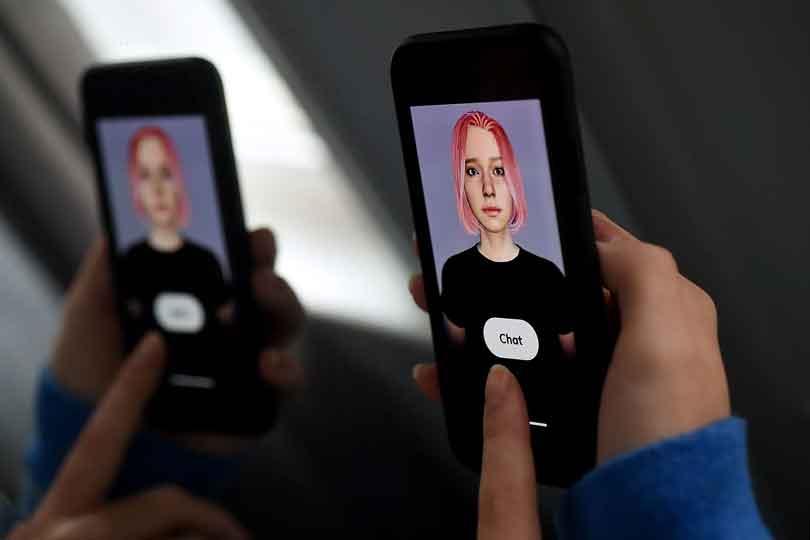
The future of online dating may no longer involve endless swiping, awkward introductions, or carefully crafted opening lines. Instead, it could begin with two artificial intelligence assistants talking to each other before two humans ever meet. That is the vision being promoted by Whitney Wolfe Herd, the Founder and Chief Executive Officer of Bumble, who believes artificial intelligence will become deeply integrated into modern relationships and digital matchmaking.
Speaking at technology conferences and in recent interviews, Wolfe Herd has described a future where personal AI assistants or “dating concierges” learn everything about a person including their personality, values, interests, dating habits, and communication style. These AI systems would then interact with other people’s AI agents to identify potential romantic compatibility long before two humans decide to meet in person. The idea sounds futuristic, even unsettling to some, yet it reflects the growing influence artificial intelligence is already having on the way people communicate, work, and form relationships.
Online dating has transformed dramatically over the past decade. What once relied on lengthy profiles and desktop websites evolved into swipe based mobile apps designed for instant decisions and fast connections. However, many users today say they are exhausted by the repetitive and often emotionally draining nature of dating apps. Terms such as “dating fatigue” and “swipe burnout” have become increasingly common, particularly among younger users.
Wolfe Herd believes artificial intelligence could solve some of those frustrations by reducing the time and emotional effort people spend filtering through unsuitable matches. According to her vision, users would no longer need to manually swipe through hundreds of profiles or struggle through endless conversations that lead nowhere.

Instead, an AI assistant could do much of the preliminary work. A person’s AI concierge could speak to thousands of other AI systems, analyse compatibility, identify shared interests, and even test conversational chemistry before recommending a smaller number of highly suitable matches. The human users would only step in once the AI had narrowed down the field. In theory, this could make dating more efficient and meaningful. Supporters argue that it may help people avoid superficial decision making and focus on deeper compatibility rather than appearance alone.
Critics, however, are raising serious concerns. Many fear that introducing artificial intelligence into romance could make human relationships feel less authentic and overly engineered. Others worry that people may begin outsourcing emotional connection to algorithms rather than developing genuine interpersonal skills.

The concept has also triggered comparisons to the dystopian television series Black Mirror, particularly an episode titled “Hang the DJ,” in which digital simulations determine romantic matches through repeated virtual relationship testing. For some observers, the comparison feels uncomfortably accurate. There are also concerns about privacy and emotional manipulation. In order for AI dating assistants to work effectively, users would likely need to share enormous amounts of personal information including preferences, communication patterns, behavioural data, emotional responses, and potentially intimate details about past relationships.
Technology companies already possess large amounts of user data, but critics argue that allowing AI systems to deeply analyse romantic behaviour could create entirely new ethical questions.
Despite the scepticism, the dating industry is rapidly moving toward greater AI integration. Bumble has already introduced AI powered features designed to improve profiles, assist with messaging, and create safer interactions. Other major dating companies are also investing heavily in artificial intelligence to enhance matchmaking and user engagement. Executives in the online dating industry believe AI may eventually replace the endless swiping model that has dominated dating apps for years. Instead of users spending hours scrolling through profiles, platforms may increasingly rely on intelligent systems that deliver carefully selected matches based on emotional compatibility, values, and long-term relationship potential.
The shift reflects a broader transformation taking place across society as artificial intelligence becomes more involved in everyday decision making. AI is already helping people choose music, movies, financial investments, and even career opportunities. Romance may simply be the next frontier. Yet dating is uniquely personal. Human relationships are shaped by unpredictability, emotion, chemistry, timing, and vulnerability. Many people question whether an algorithm can truly understand the complexity of attraction or the spontaneity that often defines real connection. Even supporters of AI matchmaking acknowledge that technology should ideally assist human interaction rather than replace it entirely.
Wolfe Herd insists the goal is not to eliminate romance but to improve the process of finding compatible partners in an increasingly digital world. She argues that artificial intelligence could help people spend less time searching and more time building meaningful relationships offline. Whether that vision becomes reality remains uncertain. What is clear, however, is that artificial intelligence is no longer confined to science fiction. It is steadily entering some of the most intimate areas of human life, including love, attraction, and companionship. The question society may soon face is not whether AI will influence dating, but how much control people are willing to give it over matters of the heart.