Michael Dominates Global Box Office as Critics Divide and Audiences Applaud.
By: Giselle Gunewardene
The long-awaited biographical film Michael, based on the life of Michael Jackson, has finally arrived in cinemas and has already become one of the most talked about cultural releases of the decade. Directed by Antoine Fuqua and produced by Graham King, the film attempts to capture the extraordinary rise, global dominance, and complicated legacy of one of the most influential entertainers in modern history. Featuring Jaafar Jackson in the lead role, the project has generated intense public interest, not only because of its subject but also because of the questions surrounding how it would handle the more controversial aspects of Jackson’s life.
From its opening weekend, Michael demonstrated formidable commercial power. The film debuted strongly across major international markets, with particularly high turnout in the United States, the United Kingdom, and parts of Europe and Asia. Within its first weeks of release, global box office revenue surged past several hundred million dollars, placing it among the highest grossing music biopics ever made. Industry analysts have pointed to the enduring popularity of Jackson’s catalogue, along with a well-coordinated marketing campaign and widespread curiosity, as key drivers behind the film’s financial success. Cinema attendance has been boosted further by repeat viewings, especially among fans eager to relive iconic performances recreated on the big screen.
Audience reception has been notably enthusiastic. Exit polling and audience rating platforms have consistently shown strong approval, with many viewers praising the film as an emotional and visually engaging tribute. Scores from general audiences have frequently exceeded ninety percent on major aggregator sites, while CinemaScore polling has indicated a solid A minus grade. For many viewers, the film succeeds in delivering a powerful sense of nostalgia, bringing to life landmark moments such as the Thriller era, the Bad tour, and the spectacle of Jackson’s live performances. The musical sequences in particular have been highlighted as standout elements, with careful choreography and production design recreating the scale and energy of Jackson’s concerts.
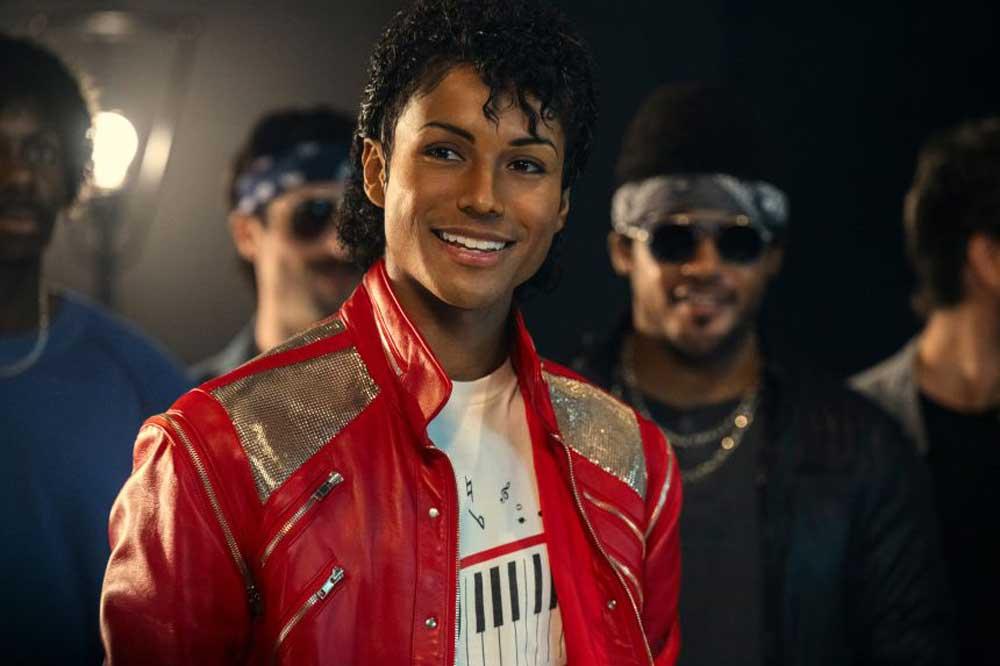
At the centre of this reception is the performance of Jaafar Jackson. As the real-life nephew of Michael Jackson, his casting attracted early attention, but it is his portrayal that has earned widespread praise. Critics and audiences alike have noted his ability to replicate Jackson’s voice, physical movements, and stage presence with striking accuracy. In performance scenes, especially those depicting well known routines, his transformation has been described as one of the film’s most compelling achievements. Many reviewers agree that his work anchors the film, even when other elements prove more divisive.
Critical reception, however, has been far more mixed. While some reviewers have acknowledged the film’s technical strengths and the central performance, a significant portion of critics have expressed disappointment with its narrative approach. A recurring criticism is that the film adopts a conventional biographical structure that prioritises major milestones over deeper exploration. Rather than offering a probing character study, the story often moves quickly from one significant event to another, giving the impression of a curated highlight reel rather than a comprehensive portrait.
Another major point of contention is the film’s handling of the controversies that surrounded Michael Jackson during his lifetime.

Critics have argued that the film largely sidesteps or softens these issues, including the allegations that shaped public debate in the later years of his career. This has led to accusations that the film presents an overly sanitised version of events, focusing heavily on artistic achievement while avoiding sustained engagement with more difficult subjects. Some reviewers have suggested that this imbalance limits the film’s credibility as a serious biographical work, even as it enhances its appeal to fans seeking a celebratory narrative.
Despite these criticisms, not all critical responses have been negative. Several commentators have praised the film’s production values, noting the attention to detail in recreating historical settings, costumes, and performances. The cinematography and sound design have also been commended for capturing the scale of Jackson’s influence and the intensity of his public presence. In addition, the film’s early segments, which explore Jackson’s childhood and his rise to fame with The Jackson 5, have been identified as among its most effective and emotionally resonant moments. These sections provide a glimpse into the pressures and dynamics that shaped his early development, offering a more grounded perspective before the narrative transitions into global superstardom.
The divergence between critical and audience responses is not unusual in the context of music biopics, but the scale of the gap in this case has been particularly striking. While critic scores have often fallen in the range of thirty to fifty percent on major review aggregators, audience scores have remained consistently high. This contrast reflects differing expectations. Critics have generally looked for a nuanced and comprehensive examination of Jackson’s life, whereas many viewers have approached the film as a tribute to his artistic legacy. The result is a film that resonates strongly with fans but leaves some observers questioning its depth.
Commercially, however, the film’s performance has been difficult to challenge. Its box office success places it alongside other major entries in the genre, including Bohemian Rhapsody, which similarly achieved significant financial returns despite mixed reviews. Analysts suggest that Michael may ultimately surpass several of its predecessors, depending on its continued performance in international markets and its longevity in cinemas. The film’s ability to draw large and diverse audiences highlights the enduring global appeal of Michael Jackson’s music and persona, even years after his death.
The marketing strategy behind the film has also played a crucial role in its impact. Trailers emphasised the scale of the musical sequences and the authenticity of the central performance, while promotional campaigns leveraged Jackson’s iconic imagery and catalogue. Partnerships with streaming platforms and music services have further amplified interest, with renewed attention on Jackson’s songs driving both digital streams and album sales. This synergy between film and music has reinforced the project’s commercial momentum, creating a broader cultural event rather than a standalone release.
Looking ahead, the long-term legacy of Michael as a film remains uncertain. Its commercial achievements are already clear, but its critical standing may continue to evolve over time. Some films that initially receive mixed reviews later gain appreciation for their performances or cultural significance, while others fade despite early success. In this case, much may depend on how future audiences interpret its portrayal of a complex and often polarising figure.
What is certain is that Michael has reignited discussion about the challenges of representing real lives on screen, particularly those marked by both extraordinary achievement and significant controversy.
It raises questions about the responsibilities of filmmakers when dealing with sensitive material, as well as the expectations of audiences seeking either celebration or scrutiny. In attempting to balance these competing demands, the film has achieved remarkable commercial success while prompting ongoing debate about its artistic choices.
In the end, Michael stands as both a tribute and a point of contention. It captures the spectacle and influence of a global icon, brought to life through a committed central performance and impressive production design. At the same time, it highlights the difficulties of presenting a fully rounded account of a life that continues to inspire admiration and provoke debate. Whether viewed as a celebration, a missed opportunity, or a combination of both, the film has secured its place as one of the defining cinematic releases of the year.